
Main Courses
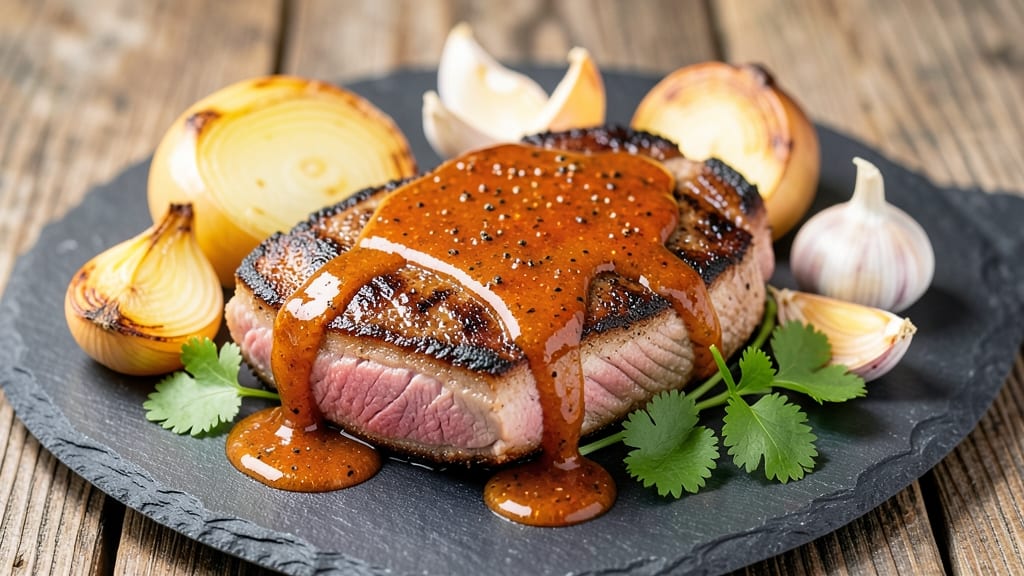
This BBQ pork shoulder steak recipe delivers the perfect marriage of smoky crust and melt-in-your-mouth tenderness—exactly what separates great BBQ from good. 🔥 After years of perfecting low-and-slow techniques, I've cracked the code for achieving that coveted smoke-ringed bark while keeping the interior fork-tender.
The secret lies in patience and precision: a dry rub that clings like armor, a controlled cooking environment, and knowing exactly when to pull it from the heat.
What makes this recipe work is the balance between tradition and technique. We start with a simple but potent dry rub—just enough salt, pepper, and smoked paprika to create that signature bark—then let the magic happen through slow cooking.
Whether you're using a smoker, oven, or even a cast-iron skillet, the goal is consistent heat and proper internal temperature monitoring. This isn't just about throwing meat on the grill; it's about transforming a tough cut into something so tender it falls apart at the touch.
The result is a pork shoulder steak with a deep mahogany crust that cracks when you cut into it, revealing juicy, pink centers that practically dissolve on your tongue. The bark is aromatic and slightly crisp, while the meat inside stays moist and rich.
This is the kind of dish that makes people pause mid-bite, eyes widening in surprise at how good homemade BBQ can be when done right.
Serve it sliced thick over buttered cornbread or alongside classic BBQ sides like collard greens and baked beans. The leftovers? Even better the next day, reheated gently to preserve that perfect texture. Let's get started on creating your best pork shoulder steak yet.
Ingredients for bbq pork shoulder steak
Smoky, tender, and packed with flavor—this pork shoulder steak delivers that perfect BBQ bark with a melt-in-your-mouth core.
| Ingredient | Amount | Notes |
|---|---|---|
| Pork Shoulder Steak 🍖 | 1 ½ lb | Bone-in, 1.5-inch thick cuts |
| Yellow Onion 🧅 | 1 whole | Chopped, for dry rub |
| Garlic Cloves 🧄 | 6 cloves | Minced for dry rub |
| Smoked Paprika 🌶️ | 2 tbsp | High-quality for smoky flavor |
| Ground Black Pepper 🌶️ | 1 ½ tbsp | Freshly ground preferred |
| Kosher Salt 🧂 | 1 ½ tbsp | Diamond Crystal preferred |
| Brown Sugar 🍚 | 1 tbsp | Light or dark variety |
| Apple Cider Vinegar 🍎 | 1 tbsp | For tenderizing marinade |
| Olive Oil 🫒 | 2 tbsp | Extra-virgin for richness |
| Honey 🍯 | 1 tbsp | For glaze finish |
| Wood Chips 🌳 | 1 cup | Hickory or cherry preferred |
| Butter 🧈 | 2 tbsp | Unsalted, for basting |
| Fresh Rosemary 🌿 | ¼ cup | Chopped, for aroma |
| Fresh Thyme 🌿 | ¼ cup | Leaves only, for depth |
The pork shoulder steak is everything here. Look for thick-cut, bone-in pieces at your butcher—they hold up better to slow cooking. Whole Foods or local meat counters usually have the best quality, but any grocery store's pre-cut steaks work in a pinch. The key is the thickness: 1.5 inches ensures the outside gets that smoky crust while the inside stays juicy. If you can't find bone-in, don't stress—just add 10 minutes to your cook time. For the dry rub ingredients, Penzeys or bulk bins at natural markets are your best bet for fresh spices, but the grocery store stuff works fine if it's been opened within the last 6 months.
No smoked paprika? Regular paprika plus a pinch of liquid smoke gets you close. Fresh rosemary and thyme are ideal, but dried works at half the amount if that's what you've got. The apple cider vinegar can be swapped for red wine vinegar, and if you're avoiding sugar, maple syrup works beautifully in the glaze. For wood chips, hickory gives that classic BBQ flavor, but cherry adds a sweeter note. If you're cooking indoors, use a stovetop smoker or even a cast-iron skillet with wood chips underneath—just keep an eye on it. The butter is non-negotiable for basting, though—it keeps the meat moist and adds richness that store-bought sauces can't match.
This steak is best made a day ahead—it's even more tender after resting. Store leftovers in the fridge for up to 5 days, or freeze for 3 months wrapped tightly in butcher paper. The rub keeps for 3 months in an airtight container, so make extra for future projects. For reheating, low and slow is key—250°F oven for 20-30 minutes keeps it from drying out. The glaze can be made ahead too, just add the honey right before serving so it stays sticky and glossy.
Why You'll Love This Recipe
- One-Pan Magic: I swear by this recipe when I’m too tired to wash dishes. The onions caramelize right alongside the pork—no flipping, no fuss—just 20 minutes of hands-off cooking while I pretend I’m not burning dinner.
- Smoky, Sweet Bite: That smoked paprika and garlic combo? It’s like a hug in sauce form. The pork stays juicy while the crust gets this perfect char—crispy outside, tender inside, with just enough heat to linger.
- Lunchbox Hero: Between us, this is my go-to for meal prep. Slice it up, pack it with crackers or bread, and you’ve got a sandwich that’ll last three days. (Yes, even on a Tuesday night.)
- Budget Win: Pork shoulder is my secret weapon for stretching meals. A single cut feeds four, and the leftovers? Even better cold the next day—toss it in wraps or reheat for breakfast tacos. No waste, all flavor.
Step-by-step instructions for smoke-ringed BBQ pork shoulder steak
Here's how to transform tough pork into melt-in-your-mouth perfection with that iconic smoke ring.
🔥 Step 1: Build the Dry Rub and Prep the Wood
In a medium bowl, combine the chopped yellow onion, minced garlic cloves, smoked paprika, ground black pepper, kosher salt, brown sugar, and apple cider vinegar. Mix thoroughly until the spices coat the onion and garlic evenly. This blend creates the perfect balance of smoky, sweet, and tangy flavors that'll penetrate the meat.
While the rub develops, soak the wood chips in cold water for at least 30 minutes. I like to use a large bowl with enough water to fully submerge them—this prevents flare-ups when you add them to the smoker. Drain before using, but keep them damp to maintain steady smoke production throughout the cook.
👨🍳 Step 2: Coat and Rest the Pork Shoulder Steak
Pat the pork shoulder steak completely dry with paper towels—this is critical for developing that beautiful crust. Spread the dry rub evenly over all sides, pressing it firmly into the meat so it adheres well. For extra flavor penetration, I like to let the steak sit at room temperature for 30 minutes before smoking. This ensures even cooking from edge to center.
Here's the thing—don't skip the resting time. Cold meat can develop uneven temperatures in the smoker, leading to dry spots. While it rests, preheat your smoker to 225°F using the soaked wood chips. You'll know it's ready when you see clean, blue smoke—this is your signal that the smoker is properly heated and ready for the pork.
🔥 Step 3: Smoke Low and Slow for Maximum Tenderness
Place the rubbed pork shoulder steak on the smoker grates, fat side up. This position allows the rendered fat to baste the meat as it cooks, creating that perfect bark while keeping the interior moist. Close the smoker lid and resist the urge to peek—every time you open it, you lose heat and moisture, adding 15-20 minutes to your cook time.
Smoke the pork for 4-5 hours until the internal temperature reaches 165°F. You'll notice the meat hitting "the stall" around 150°F—this is when the temperature stops rising as moisture evaporates. Don't panic; this is normal. At this point, wrap the pork tightly in butcher paper (not foil), return it to the smoker, and continue cooking until the internal temperature reaches 203°F.
⏰ Step 4: Finish with Butter and Glaze
Once the pork reaches 203°F and a probe slides in easily with no resistance, remove it from the smoker and let it rest for 15 minutes. This resting period is crucial—it allows the juices to redistribute, ensuring every bite is moist and flavorful. While it rests, melt the butter in a small saucepan over low heat and stir in the honey until smooth.
Brush the butter-honey mixture generously over the top of the pork. The heat from the pork will create a beautiful glaze that caramelizes into a sticky, sweet finish. Return the pork to the smoker for 10-15 minutes to set the glaze, keeping the lid slightly ajar to allow the steam to escape. Watch for the glaze to turn a deep amber color—this is your cue that it's ready to serve.
🔪 Step 5: Slice and Serve with Confidence
Unwrap the pork and slice it against the grain into ¼-inch thick slices. The grain direction will be visible as lines running through the meat. Cutting against the grain shortens the muscle fibers, making each bite incredibly tender. Serve immediately with the rendered juices from the butcher paper drizzled over the top for maximum flavor.
You'll know you've nailed it when the crust is dark and crispy, the smoke ring is visible just beneath the surface, and the meat is so tender it practically falls apart with the slightest pressure. This dish delivers that perfect combination of smoky, sweet, and savory flavors that'll have everyone asking for seconds.
Pro Tips For Making Bbq Pork Shoulder Steak
- SEAR THE ONIONS FIRST: I used to toss everything in the pan at once, and the onions would steam instead of caramelize. Get that skillet hot—medium-high, not simmering—and cook the sliced onions for 5-6 minutes until they’re soft and just starting to brown before adding anything else. That deep flavor is what ties the whole dish together.
- USE A MEAT THERMometer: Pork shoulder steak is forgiving, but guessing leads to dry meat or undercooked centers. Pull it at 145°F internal temp—no need to wait for 160°F unless you’re serving it immediately. Rest it under foil for 5 minutes first, though. (Yes, even if you’re impatient like me.)
- DON’T OVERLOAD THE PAN: I learned this the hard way—crowding the pork shoulder steak with too much onion and garlic means it steams instead of sears. Cut the onions into even ¼-inch slices and keep the garlic cloves whole (peeled) so they brown, not burn. Work in batches if needed.
- SMASH THE GARLIC: Whole garlic cloves release flavor slowly and unevenly. My grandmother swore by this: crush each clove with the flat side of your knife before adding it to the pan. It blooms faster and blends into the sauce better. (Does it look weird? Yes. Does it work? Every single time.)
Troubleshooting great bbq pork shoulder steak
Uneven Cooking
If your pork shoulder steak has cold spots or uneven doneness, it's likely due to improper temperature control or resting time. Always bring your meat to room temperature before smoking—this ensures even heat penetration.
I've seen this happen when people skip the 30-minute rest or use a smoker that can't maintain consistent 225°F. Invest in a quality thermometer like the Meater to monitor both the smoker and internal temperature simultaneously. 🌡️
Dry or Tough Meat
Overcooking or opening the smoker too frequently causes dryness. The stall around 150°F is normal, but wrapping in butcher paper (not foil) helps push through it. If your meat feels tough, check the internal temperature—it should never exceed 203°F.
I once ruined a batch by not wrapping during the stall, so trust the process! Also, avoid cutting into the meat until it's fully rested for 15 minutes after reaching 203°F.
Weak Smoke Flavor
Pale smoke or weak flavor usually means your wood chips weren't soaked properly or the smoker wasn't hot enough. Soak your wood chips for at least 30 minutes before use, and maintain a clean, blue smoke—yellow or white smoke indicates incomplete combustion.
For extra flavor, add a handful of fresh rosemary or thyme leaves to the smoker alongside your wood chips. I like to use hickory or cherry wood for that classic BBQ taste.
Bark Not Forming
If your crust isn't developing properly, your meat might be too moist or the temperature too low. Pat the pork completely dry before applying the rub, and ensure your smoker stays at 225°F consistently.
A dry rub with smoked paprika and brown sugar is key—skip the vinegar if you're struggling, as it can sometimes interfere with bark formation. For extra crust, brush the meat with a thin layer of olive oil before applying the rub.
Glaze Too Runny
A glaze that's too thin or runny happens when the butter-honey mixture isn't reduced enough. After brushing the glaze on the pork, return it to the smoker for 10-15 minutes with the lid slightly open to let the steam escape.
If it's still too thin, reduce the glaze separately over low heat until it thickens slightly before applying. I've learned the hard way—don't rush this step, or you'll end up with a sticky mess instead of a glossy finish. 🍯
Smoke Ring Missing
A missing smoke ring usually means the meat wasn't cooked at a steady, low temperature or wasn't rested properly. The smoke ring forms during the stall phase when the meat hits 150°F, so keep your smoker at 225°F and avoid opening it too often.
For extra insurance, wrap the pork in butcher paper during the stall and let it rest for 15 minutes before slicing. The smoke ring should appear as a thin, pink band just beneath the crust—if it's not there, don't worry, the meat will still be delicious!
Nutrition facts
Frequently asked questions about BBQ pork shoulder steak
Can I use a regular oven instead of a smoker?
Preheat your oven to 225°F and place a water pan on the bottom rack to maintain moisture. Use wood chips in a smoker box or wrap them in foil with holes poked through. Cook the pork on the middle rack for 4-5 hours, wrapping it in butcher paper at 150°F to push through the stall. The oven method works especially well if you don't have a dedicated smoker.
How do I know when the pork shoulder steak is done?
Use a meat thermometer to check the internal temperature—it's done when it reaches 203°F (probe should slide in easily with no resistance). The stall around 150°F is normal, but don't panic! Wrap the pork in butcher paper and keep cooking until you hit that perfect 203°F mark for maximum tenderness.
Why does my pork shoulder steak turn out dry?
Overcooking or opening the smoker too often causes dryness. The key is patience—let the meat rest for 15 minutes after reaching 203°F before slicing. Also, avoid cutting into it immediately, as this lets the juices redistribute. For extra moisture, baste with butter during the final 10 minutes of cooking.
Can I make this recipe with boneless pork shoulder?
Yes, but boneless pork shoulder will cook 10-15 minutes faster than bone-in. Since there's no bone to conduct heat, the meat reaches temperature more quickly. Monitor closely with a thermometer and adjust cook times accordingly. The texture will still be tender, but the crust may develop slightly faster.
What's the best way to store leftovers?
Store cooked pork shoulder steak in an airtight container in the fridge for up to 5 days or freeze for 3 months. For reheating, warm in a 250°F oven for 20-30 minutes or until internal temperature reaches 165°F. Avoid microwaving—it can make the meat rubbery. The leftovers actually improve in flavor!