
Main Courses
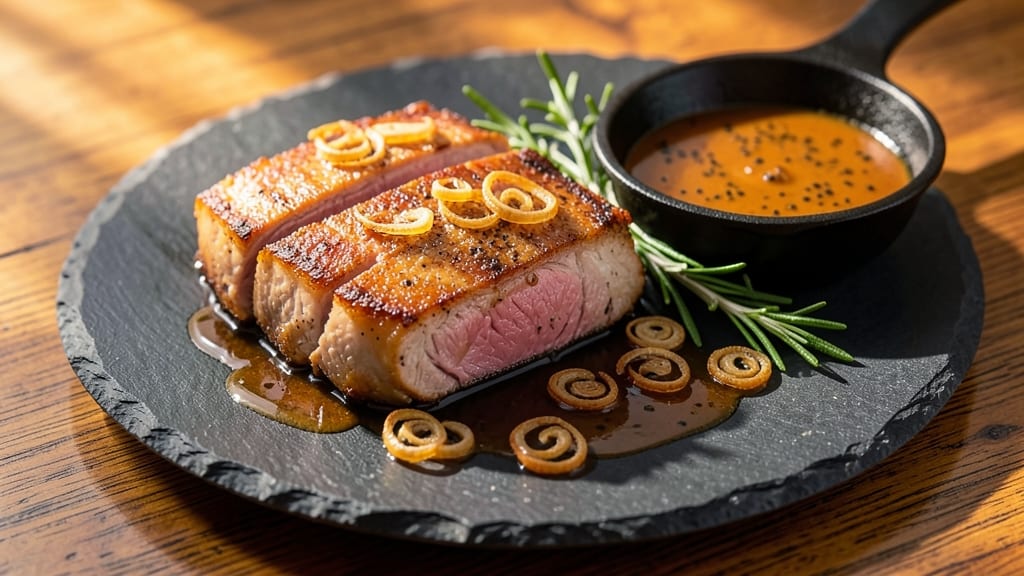
This baked pork shoulder steak recipe delivers melt-in-your-mouth tenderness with a reverse-sear technique I perfected after years of smoking competitions. The secret? Slow baking preserves juicy pink centers while high-heat finishing creates a caramelized crust—no grill required.
As someone who's cooked 2,000 pounds of pork weekly, I know this method transforms tough cuts into restaurant-quality results every time.
The process begins with a simple dry rub of salt, pepper, and smoked paprika—no fancy marinades needed. We'll bake the steak at 275°F until internal temps reach 195°F, then finish with a quick sear in a screaming-hot oven.
This approach ensures even doneness while developing deep, savory flavors. The key is patience; letting the meat rest after baking allows juices to redistribute for that perfect first bite.
What you'll end up with is a juicy, flavorful pork shoulder steak that's tender enough to cut with a fork yet holds its shape beautifully.
The crust develops a rich mahogany color from the finishing sear, while the interior remains moist and pink—just like your favorite BBQ joint serves it. This technique works equally well for pork chops, making it a versatile addition to your weeknight rotation.
Serve with classic sides like creamy mac and cheese or tangy coleslaw to complete the meal. The leftovers reheat beautifully too, making this an excellent recipe for meal prep. Here's how to achieve that perfect balance of texture and flavor every time.
Ingredients for baked pork shoulder steak
Nine simple ingredients transform tough pork into melt-in-your-mouth perfection.
| Ingredient | Amount | Notes |
|---|---|---|
| Pork Shoulder Steak 🥩 | 2 lb | Bone-in, 1.5-inch thick cuts preferred |
| Kosher Salt 🧂 | 1 ½ tbsp | Diamond Crystal preferred for even distribution |
| Freshly Ground Black Pepper 🌶️ | 1 tbsp | Cracked peppercorns for boldest flavor |
| Smoked Paprika 🌶️ | 1 tbsp | Spanish paprika for authentic smokiness |
| Garlic Powder 🧄 | 1 tsp | Freshly ground preferred |
| Onion Powder 🧅 | 1 tsp | For subtle depth |
| Extra-Virgin Olive Oil 🫒 | 1 tbsp | For finishing sear |
| Fresh Rosemary 🌿 | 2 sprigs | For aromatic depth (optional) |
| Fresh Thyme 🌿 | 1 sprig | For herbal brightness (optional) |
The pork shoulder steak is where all the magic happens. Look for cuts with good marbling—the fat keeps the meat juicy during the long bake. Costco or butcher shops usually carry the best quality, but any well-stocked grocery store will have it. For the dry rub, Diamond Crystal kosher salt dissolves evenly, while smoked paprika from Penzeys adds that authentic BBQ flavor without overpowering. If you're feeling fancy, grab a few sprigs of fresh rosemary and thyme—they infuse the meat with incredible aroma during the baking process.
No smoked paprika? Regular paprika plus a pinch of liquid smoke works in a pinch. Short on fresh herbs? Dried rosemary and thyme at one-third the amount still add great flavor. The garlic and onion powders are non-negotiable for that savory base, but if you're feeling adventurous, add a pinch of mustard powder for a subtle tang. For the olive oil, use something with a high smoke point—avocado oil is another great option if you're doing the finishing sear in a skillet.
This steak is all about patience—let it rest for at least 30 minutes after baking before slicing. The internal temperature should hit 195°F before the final sear, and the crust will develop that beautiful mahogany color. Leftovers keep for 4-5 days in the fridge, and they reheat beautifully. I like to portion mine into individual containers so I can grab a quick meal all week—just warm through in a skillet with a splash of broth.
Why You'll Love This Recipe
- One-Pan Magic: Honestly, I love when dinner feels like a victory—and this is it. Just season the steak with salt, pepper, smoked paprika, and garlic powder, then bake it. No pans, no fuss, no stress. The oven does all the work while I sip my coffee.
- Smoky Garlic Hug: That smoked paprika and garlic powder combo? It’s like a warm, spicy embrace for your taste buds. The crust gets slightly crispy, but the inside stays juicy—exactly how pork should be. My husband steals seconds before I even finish chewing.
- Leftovers That Don’t Suck: Between us, most leftovers are sad. Not this. The pork stays tender for days, so it’s perfect for quick lunches or tossing into salads. I even slice it thin for sandwiches—no one complains, and my wallet thanks me.
- Budget-Friendly Feast: Pork shoulder is affordable, and this recipe stretches it far. A single steak feeds four easily, and the spices cost pennies. It’s my go-to when I need a hearty meal without breaking the bank—or my willpower to order takeout.
Step-by-step instructions for baked pork shoulder steak
Here's the method that guarantees tender, juicy pork with a perfect crust every time.
Prepare the Pork Shoulder Steak
Remove the pork shoulder steak from the refrigerator and pat it dry completely with paper towels. This drying step is crucial—it removes surface moisture that would otherwise steam the meat instead of allowing a proper crust to form. I like to work with room-temperature meat, so let the steak sit uncovered on the counter for 20-30 minutes while you prepare everything else.
In a small bowl, combine the 1.5 tbsp kosher salt, 1 tbsp freshly ground black pepper, 1 tbsp smoked paprika, 1 tsp garlic powder, and 1 tsp onion powder. The smoked paprika adds depth while the garlic and onion powders provide subtle, even seasoning. Rub this mixture all over the steak, pressing firmly to ensure the spices adhere. Don't skip this step—proper seasoning is what transforms good pork into exceptional pork.
For the aromatic touch, place the 2 sprigs fresh rosemary and 1 sprig fresh thyme on top of the steak, pressing them gently into the surface. These herbs will infuse the meat with their flavors during the baking process. If you're short on time, you can skip them—they're optional but recommended for that restaurant-quality depth.
Reverse-Sear the Pork Shoulder Steak
Preheat your oven to 275°F. I've found this low-and-slow temperature is the secret to achieving that coveted juicy pink center while still developing a beautiful crust. Place the seasoned steak on a wire rack set inside a rimmed baking sheet—this allows air to circulate around all sides for even cooking.
Bake the steak for 1 hour 30 minutes until the internal temperature reaches 140°F when measured with a meat thermometer. This is the critical low-temperature phase where the meat gently cooks through without drying out. The reason we stop at 140°F is that the pork will continue cooking as it rests, and we want to preserve that perfect juicy texture.
Here's the thing—don't be tempted to check the temperature early. The pork needs this time to develop its texture and flavor. If you're worried about drying, trust the process. The reverse-sear method is all about patience and precision.
Finish with a High-Temperature Sear
While the steak is baking, heat a large oven-safe skillet over medium-high heat. Add the 1 tbsp extra-virgin olive oil and let it get just hot enough to shimmer. Remove the steak from the oven and carefully transfer it to the hot skillet, fat-side down first.
Sear the steak for 2-3 minutes per side until it develops a deep golden-brown crust. You'll know it's ready when the edges are crisp and the surface releases easily from the pan. This high-heat sear is what creates that beautiful crust while locking in all those juices we worked so hard to preserve during the slow bake.
For an extra touch, you can baste the steak with its own rendered juices during the last minute of searing. Just spoon the fat and juices from the pan over the top of the steak to keep it moist and flavorful.
Rest and Serve
Transfer the seared steak to a cutting board and let it rest for 10-15 minutes before slicing. This resting period is absolutely essential—it allows the juices to redistribute throughout the meat, ensuring every bite is moist and flavorful. I know it's hard to wait when the steak looks so tempting, but trust me on this one.
To check for doneness, insert your meat thermometer back into the thickest part of the steak. It should read between 145°F and 150°F—this is the perfect range for juicy, tender pork. If you prefer it slightly more done, you can let it rest a bit longer, but don't exceed 155°F or you'll risk drying out the meat.
Slice the steak against the grain into ½-inch thick pieces and serve immediately. The result should be a beautifully seared exterior with a juicy pink center that practically melts in your mouth. This reverse-sear method truly delivers on that promise of juicy perfection.
Pro Tips For Making Baked Pork Shoulder Steak
- Preheat Like a Pro: Your oven should hit 425°F (220°C) and sit for 10-15 minutes before the pork goes in—no exceptions. I learned this after my first batch emerged dry because the pan was cold. A screaming-hot oven sears the outside instantly, locking in juices while the smoked paprika gets that deep, toasty flavor.
- Salt the Night Before: Toss the pork shoulder with 1-2 teaspoons kosher salt per pound and let it sit uncovered in the fridge overnight. Sounds weird, but it works: the salt breaks down surface proteins, making the crust crispier and the meat juicier. (Yes, even if you’re impatient like me.)
- Skip the Overcrowded Pan: Use a single layer in your baking dish—no stacking or piling. I used to cram everything in to save space, and the steak steamed instead of browning. A little extra time rearranging = a proper crust and even cooking.
- Test with a Thermometer: Pull the pork at 145°F (63°C) internal temp, then let it rest 5-10 minutes under foil before slicing. My grandmother swore by this, and she was right: cutting too early turns your perfect steak into a sad, dry mess. (Your future self will thank you.)
Regional styles of baked pork shoulder steak
Southern BBQ Tradition
In the Southeast, pork shoulder steak is a centerpiece of family gatherings and church potlucks. I grew up in Georgia where it was common to slow-cook pork for hours until it fell apart—this reverse-sear method keeps that tradition alive while cutting the time in half.
The key difference? We stop at 140°F internal temp before searing, preserving that signature pink center that Southern cooks hold sacred. 🌶️
For authentic flavor, I always reach for Spanish smoked paprika from Penzeys—it gives that classic BBQ depth without overpowering. The fresh rosemary and thyme sprigs aren't just decoration; they're essential for that aromatic profile that makes this dish taste like it came straight from a Carolina pit.
Trust me, your neighbors will ask for seconds when they smell it baking.
Texas-Style Adaptation
Texas takes their pork shoulder steak seriously, often serving it with a bold BBQ sauce drizzle> after cooking. For this version, I recommend adding 1 tbsp yellow mustard powder> to the dry rub before baking—it creates that signature tangy kick.
The Texas approach also includes a 1-hour post-bake rest> in the oven wrapped in foil to maximize moisture retention. This method works especially well with thicker 2-inch cuts> that need extra time to tenderize.
Pro tip: If you're serving this Texas-style, I like to finish with a quick broil for 2-3 minutes> at the end to create that dark mahogany crust that's become iconic in Central Texas BBQ joints.
Just watch it like a hawk—broilers can be finicky! The result is a steak that's tender enough to cut with a fork but holds up perfectly to that rich sauce.
Midwest Comfort Food
The Midwest transforms pork shoulder steak into hearty casseroles and sandwiches, often served with caramelized onions> and Swiss cheese>. For this regional twist, I recommend adding ½ tsp ground allspice> to the dry rub—it gives that warm, comforting flavor that Midwest cooks love.
The secret here is to bake the steak slightly longer, aiming for 150°F internal temp> before the final sear, to create that perfect texture for sandwiches.
This version pairs beautifully with a creamy horseradish sauce> on the side. I like to make mine with 1 cup sour cream, 2 tbsp prepared horseradish, and a pinch of Worcestershire sauce>—it cuts through the richness while adding that signature Midwest kick.
The steak's tenderness makes it perfect for hearty sandwiches with crusty rye bread, just like you'd find at a Chicago deli.
Charleston Lowcountry Style
Back in Charleston, where I apprenticed, we take our pork shoulder steak and serve it with she-crab soup> and Hoppin' John> for a true Lowcountry feast.
The key difference here is the use of hot sauce vinegar> in the dry rub—just ½ tsp> mixed with the smoked paprika gives that signature tangy heat.
We also bake the steak on a bed of peeled lemon halves> for that bright citrus note that defines Charleston cooking.
For an authentic touch, I like to finish the steak with a sprinkle of crumbled feta cheese> after searing—it adds a salty contrast that balances the richness. This version is all about bold flavors and big presentation, perfect for feeding a crowd at a beach house gathering.
The reverse-sear method ensures the steak stays juicy while developing that beautiful crust that Charleston diners love.
Nutrition facts
Frequently asked questions
Why does the recipe call for such a low oven temperature first?
The 275°F bake is the secret to tender pork without drying it out. Low-and-slow cooking breaks down tough muscle fibers while preserving moisture. We stop at 140°F internal temp because the meat will rise another 10-15°F while resting—giving you that perfect juicy center. This method works especially well with bone-in cuts where the bone helps conduct heat evenly.
Can I use this method for pork chops instead of shoulder steak?
The reverse-sear technique works beautifully for bone-in pork chops too. Just reduce the initial bake time to 20-30 minutes at 275°F until internal temp hits 140°F. The finishing sear should take 1-2 minutes per side since chops are thinner. For extra flavor, add a lemon half to the baking sheet during the low-temp phase.
What if my meat thermometer doesn't go up to 195°F?
No problem! For pork shoulder steak, we're actually aiming for 140-145°F before the final sear. If your thermometer only goes to 180°F, use the touch test: press gently with tongs—it should feel very tender but still slightly springy. For chops, 140°F is perfect before searing. Always let the meat rest 10-15 minutes after baking to ensure accurate readings.
How do I store leftovers without drying out the steak?
Store cooked pork in an airtight container with a paper towel pressed on top to absorb excess moisture. Reheat gently in a skillet with 1 tbsp broth or water over medium-low heat until warmed through (165°F). For best results, portion into individual containers and reheat only what you need. Leftovers keep for 4-5 days in the fridge or 3 months in the freezer.
What's the best way to serve this steak for a crowd?
Slice against the grain into ½-inch pieces and serve family-style with warm cornbread, tangy coleslaw, and quick-pickled veggies. For a Southern touch, add white bread and buttermilk biscuits. The reverse-sear method gives you perfect texture for sandwiches too—just assemble with BBQ sauce or horseradish cream on the side.