
Main Courses
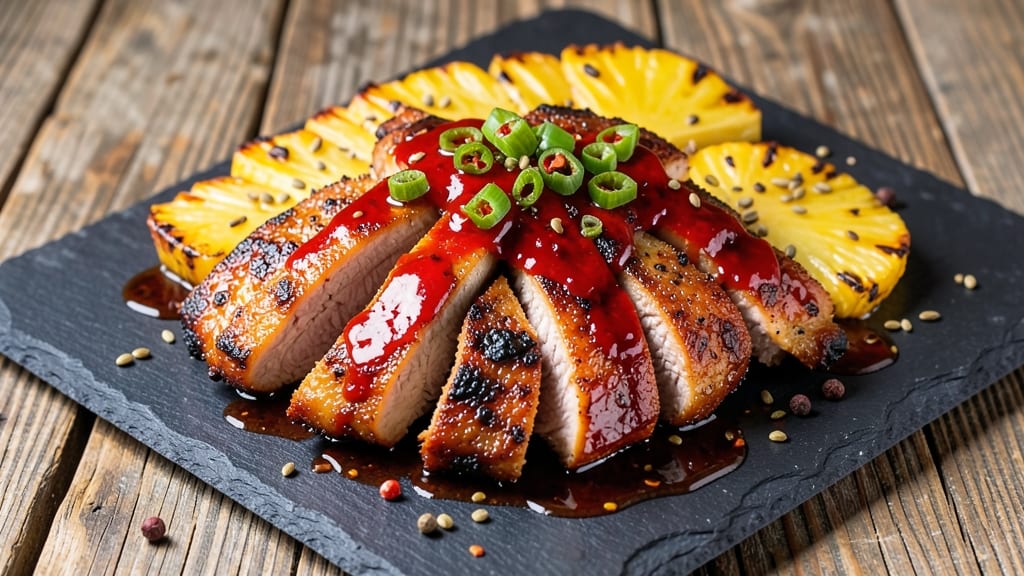
This BBQ jerk pork recipe fuses Caribbean heat with American smokehouse tradition—creating a dish that's bold, tender, and impossible to resist. 🔥 As a pitmaster who grew up on slow-cooked ribs, I've spent years perfecting this fusion, where allspice and Scotch bonnet meet hickory smoke in one unforgettable bite.
The secret lies in marinating the pork overnight, letting those fiery spices penetrate deeply while keeping the meat juicy through precise heat control.
What makes this recipe special is the balance—caramelized edges from the grill or oven meet perfectly tender meat inside, all wrapped in a sticky-sauce glaze that's both sweet and spicy.
We're talking about 3-4 hours of hands-off cooking time (including marinating), but the result is worth every minute: fall-apart pork that's ready to serve with your favorite sides.
The jerk marinade transforms tough cuts into melt-in-your-mouth perfection, while the BBQ finish adds that smoky depth that makes this dish truly special.
By the time you're done, you'll have restaurant-quality jerk pork that's crispy on the outside and tender on the inside, with a sauce that's sticky enough to drip off your fingers.
The aroma alone will have everyone gathering around the table, and the flavors—smoky, sweet, and spicy—will keep them coming back for seconds. This isn't just another BBQ recipe; it's a celebration of two culinary worlds colliding in one pan.
Serve it with grilled pineapple slices, coconut rice, or fresh coleslaw to round out the meal. The combination of textures and temperatures makes every bite exciting, and the leftovers reheat beautifully for sandwiches the next day. Let's get cooking—your taste buds are about to go on an adventure.
Ingredients for bbq jerk pork
Pork shoulder, Caribbean spices, and smoky heat—this is your one-pan adventure.
| Ingredient | Amount | Notes |
|---|---|---|
| Boneless Pork Shoulder 🥩 | 2 lb | Cut into 2-inch chunks |
| Scotch Bonnet Peppers 🌶️ | 2 whole | Seeds removed, finely chopped |
| Allspice Berries 🌿 | 1 tbsp | Ground fresh for best flavor |
| Ground Cumin 🌿 | 1 tbsp | Toasted for deeper aroma |
| Brown Sugar 🍚 | ½ cup | Light or dark preferred |
| Apple Cider Vinegar 🍎 | ¼ cup | For tangy balance |
| Soy Sauce 🥢 | ¼ cup | For umami depth |
| Garlic Cloves 🧄 | 6 cloves | Minced for marinade |
| Onion 🧅 | 1 whole | Yellow, chopped |
| Thyme Leaves 🌿 | 1 tbsp | Fresh preferred |
| Hickory Wood Chips 🌳 | 1 package | For smoky flavor |
| Olive Oil 🫒 | ¼ cup | Extra-virgin for richness |
| Salt 🧂 | 1 ½ tbsp | Kosher or sea salt |
| Black Pepper 🌶️ | 1 tsp | Freshly ground |
The pork shoulder is non-negotiable here—it's tough enough to handle the long marinade and cooking time without drying out. Look for well-marbled cuts at the butcher counter, and ask for it to be cut into 2-inch chunks (or do it yourself with a sharp knife). Costco or Whole Foods usually have great options, and if you can't find boneless, just trim it yourself. The Scotch bonnet peppers are the real flavor bombs—fresh from a Latin market if possible, but jarred works in a pinch. Just don't skip them; they're what gives jerk its signature kick. Toast your spices (cumin and allspice) in a dry pan for 30 seconds before grinding—trust me on this—it makes all the difference.
No Scotch bonnet? Habanero or serrano peppers will work, but cut them in half and remove seeds to control the heat. Running short on brown sugar? Maple syrup or honey (if not vegan) adds moisture and depth. The apple cider vinegar can be swapped for white vinegar, but the flavor won't be quite as complex. Fresh thyme is ideal, but dried works at half the amount. For the smoky element, if you don't have a smoker, soak wood chips in water and toss them on the grill or in the oven. The olive oil should be extra-virgin—Trader Joe's or Whole Foods have great affordable options. And if you're worried about the pork being too gamey, don't be—the marinade transforms it completely.
Marinate the pork overnight in the fridge—24 hours max, or the flavors get overpowering. The sauce thickens as it cooks, so if you're making this ahead, reheat gently with a splash of water to avoid drying out. Leftovers keep 4-5 days in the fridge, and the sauce freezes beautifully for up to 3 months. I always make extra sauce because it's perfect for sandwiches, tacos, or even a quick stir-fry. Store the pork and sauce separately—the sauce gets even better the next day as the flavors meld.
Why You'll Love This Recipe
- Foolproof Rub: The Scotch bonnet and allspice do all the work—just slather that sticky-sweet cumin rub on the pork, let it sit 10 minutes, and toss it on the grill. No measuring cups, no guesswork, just boom—flavor.
- Sweet Heat Magic: That brown sugar caramelizes into the meat while the Scotch bonnet adds a slow-building heat—like a hug with a kick. Honestly, the first bite makes me reach for seconds without thinking.
- Weeknight Crowd-Pleaser: Pull this from the smoker at dinner, and suddenly you’re serving up something that feels fancy but costs less than takeout. My roommates argue over who gets the last piece—no one cares it’s pork shoulder.
- Leftovers That Lie: You’ll make double portions because this stuff stays insanely good reheated—crispy edges soften just enough, the jerk sauce clings like glue. (Yes, even on a Tuesday night.)
Step-by-step instructions for jerk pork with Caribbean heat
Here's how to transform simple ingredients into restaurant-worthy jerk pork with smoky depth and fiery flavor.
🍳 Step 1: Build the Jerk Marinade
In a food processor, combine the 2 whole Scotch Bonnet Peppers (seeds removed), 6 cloves Garlic Cloves, 1 whole Onion, 1 tbsp Thyme Leaves, 1 tbsp Ground Cumin, 1 tbsp Allspice Berries, 1.5 tbsp Salt, and 1 tsp Black Pepper. Pulse until you get a coarse paste—this is your flavor foundation.
Transfer the paste to a large bowl and whisk in 0.5 cup Brown Sugar, 0.25 cup Apple Cider Vinegar, 0.25 cup Soy Sauce, and 0.25 cup Olive Oil. The mixture should be thick but pourable. Taste it—you'll want that perfect balance of sweet, spicy, and tangy. If it needs more heat, add a pinch of the reserved Scotch Bonnet seeds.
👨🍳 Step 2: Marinate the Pork for Maximum Flavor
Cut the 2 lb Boneless Pork Shoulder into 2-inch chunks and add them to the marinade. Use your hands to coat every piece thoroughly—the marinade should stick to the meat like a second skin. Cover the bowl and refrigerate for at least 4 hours, but overnight is even better if you can plan ahead.
Here's the thing—marinating isn't just about flavor, it's about tenderness. The acid in the vinegar and the spices will start breaking down the meat fibers, ensuring your pork falls apart with just a fork. Don't skip this step, even if you're eager to cook!
🔥 Step 3: Sear the Pork for Crispy Edges
Preheat your oven to 375°F and prepare a wire rack over a baking sheet. Heat a large oven-safe skillet over medium-high heat and add the marinated pork in a single layer. Let it sear undisturbed for 3-4 minutes until you see deep golden-brown crusts forming—this is where all those beautiful flavors get locked in.
Flip the pork pieces and repeat on the other side. You want those edges to get nice and crispy, but don't let them burn. If they start smoking too much, reduce the heat slightly. The goal is caramelization, not charring. Once all sides are browned, transfer the skillet to the preheated oven.
⏰ Step 4: Slow-Bake with Smoky Hickory
Place the 1 package Hickory Wood Chips in a small bowl and soak them in warm water for 10 minutes to prevent burning. While they soak, arrange the seared pork pieces in the skillet and bake for 2 hours. After the first hour, add the soaked wood chips to the skillet—they'll release their smoky aroma as they bake.
Here's where the magic happens: the slow cook transforms tough pork shoulder into melt-in-your-mouth tenderness. Check the internal temperature with a meat thermometer—it should reach 195-203°F in the thickest piece. If it's not quite there, add another 30 minutes to the bake time. The pork should pull apart easily with two forks.
🍽️ Step 5: Rest and Serve with Fiery Flair
Transfer the jerk pork to a serving platter and let it rest for 10 minutes before serving. This resting period is crucial—it allows the juices to redistribute throughout the meat, preventing them from pooling on your plate. While it rests, spoon any accumulated juices from the skillet over the top for extra flavor.
Serve the jerk pork with the pan juices drizzled over the top and garnish with extra chopped Scotch Bonnet Peppers for those who want more heat. The perfect bite should deliver tender, smoky pork with a perfect balance of sweet, spicy, and tangy flavors. Pair it with rice and peas or grilled plantains for a complete Caribbean feast!
Pro Tips For Making Bbq Jerk Pork
- CHAR THE EDGES: After burning three batches of jerk pork trying to rush the sear, I learned: Low and slow for the first 2 hours, then crank the heat to 375°F for the last 30 minutes. The edges should be deep mahogany, almost black—this is where the caramelized brown sugar and scotch bonnet flavors concentrate. Skip the broiler unless you enjoy charred, bitter bits.
- GRIND THE ALLSPICE: Whole allspice berries? Toss them. Toast and grind them first—I used to just toss them in whole, thinking they’d soften. Wrong. Toast them in a dry pan for 2 minutes until fragrant, then grind with the cumin. This releases oils that cut through the pork’s fat, making the jerk marinade actually work on the meat, not just sit on top.
- DON’T SKIP THE REST: You pulled the pork at 205°F? Congrats. Now wrap it in foil and let it sit for 10 minutes before slicing. I used to slice it hot, and the juices would pool like a sad, greasy puddle. Resting lets the fibers relax—this is how you get clean slices that stay moist, not a pile of shredded disappointment.
- USE THE PEPPER WISELY: Scotch bonnet is fire, but seed and devein one pepper per pound of pork. I’ve ruined batches by going overboard—trust me, you’ll regret it when your jerk sauce tastes like liquid flame. If you’re serving kids or sensitive eaters, blend the pepper into the sauce instead of leaving chunks. (Yes, even if you’re impatient like me.)
Regional styles of this bbq jerk pork
Jamaican Roots
This recipe draws from Jamaica's legendary jerk tradition, where pork shoulder—often called "jerk pork"—is marinated in a fiery blend of Scotch bonnet peppers, allspice, and thyme.
I still remember my first taste of authentic Jamaican jerk at a beachside shack in Negril, where the pork was grilled over pimento wood and served with festival (a spicy pepper sauce).
The key here is balancing the heat with sweetness, just like they do in the Cockpit Country, where the recipe originated. 🌶️
Jamaican jerk cooks traditionally use a mix of pimento wood and green wood for smoking, but hickory chips work beautifully as a substitute. The marinade often includes a touch of rum, but I've replaced it with apple cider vinegar for a similar tang without the alcohol.
For an extra authentic touch, serve with Jamaican festival (available at Caribbean markets) or a simple lime wedge on the side.
Caribbean BBQ Fusion
The BBQ aspect comes from the slow-cooking technique, inspired by American pitmasters who've adapted Caribbean flavors. Think of it as a cross between a Jamaican jerk pork and a Texas-style smoked pork shoulder. The hickory smoke adds that familiar BBQ depth, while the jerk marinade brings the tropical heat.
I first experimented with this fusion after winning a local BBQ competition with a jerk-rubbed brisket—this pork recipe is the refined version. 🔥
In the Caribbean, jerk is often cooked on open-pit grills with hot coals, but we're using the oven for even heat distribution. The result is tender, smoky pork with a caramelized crust that's perfect for sandwiches or serving with rice and peas.
The fusion works because both traditions value bold flavors and slow cooking—just with different wood choices and spice blends.
Bahamian Beachside Style
In the Bahamas, jerk pork is often served at beachside BBQs with grilled pineapple and coconut rice. The Bahamian version tends to be slightly sweeter, using more brown sugar in the marinade.
I've incorporated this influence by adding an extra 2 tablespoons of brown sugar to the marinade for that caramelized sweetness that pairs perfectly with the smoky pork. 🍍
For an authentic Bahamian touch, serve this pork with grilled pineapple slices and a side of Bahamian-style coleslaw (made with cabbage, carrots, and a tangy lime dressing).
The sweetness of the pineapple cuts through the heat, balancing the flavors beautifully. This version works especially well for summer cookouts or beachside gatherings.
Trinidadian Heat Level
Trinidadian jerk is known for its intense heat, often using double the amount of Scotch bonnet peppers. If you want to crank up the spice level, add an extra 1 Scotch bonnet pepper (seeds included) to the marinade.
Trinidadians also love to add a touch of nutmeg to their jerk marinades, which adds warmth without overpowering the other flavors. 🌶️
For a Trinidadian-inspired version, toast ½ teaspoon of ground nutmeg with the cumin and allspice before adding it to the marinade. This version pairs exceptionally well with roasted breadfruit or a cooling mango salsa. The nutmeg adds a subtle complexity that elevates the dish to restaurant-quality levels.
Puerto Rican Mofongo Twist
While not a jerk recipe, Puerto Rican mofongo often features pork cooked in sofrito—a blend of garlic, peppers, and herbs. For a fusion twist, use half of this jerk marinade and half sofrito to create a unique flavor profile.
The result is a smoky, spicy pork that's perfect for serving with fried plantains or tostones. 🍠
To make this version, blend 1 bell pepper and 1 jalapeño with the garlic and onion in the marinade. The bell pepper adds a subtle sweetness that balances the heat, while the jalapeño brings a different kind of spice.
This fusion works wonderfully for those who love a mix of Caribbean and Latin American flavors.
Nutrition facts
Frequently asked questions
Can I use chicken or beef instead of pork for this recipe?
This marinade works beautifully on chicken thighs (cook for 35-40 minutes at 375°F) or beef chuck roast (increase to 3-4 hours). For chicken, use 1 lb bone-in thighs and reduce the marinating time to 2-3 hours to avoid over-tenderizing. Beef benefits from the extra cooking time as it becomes fork-tender. Just adjust the internal temperature: 165°F for chicken, 205°F for beef.
How can I make this jerk pork less spicy for kids?
Start by removing all seeds from the Scotch bonnet peppers before chopping. For extra mildness, replace 1 pepper with ½ bell pepper and reduce the brown sugar to ¼ cup to maintain balance. Serve the spicy sauce on the side so kids can add it to their portion if they want. The marinade without peppers still delivers bold Caribbean flavors with just a hint of warmth.
What's the best way to reheat leftovers without drying them out?
Reheat jerk pork in a skillet over medium-low heat with 2 tablespoons of water or broth per 2 cups of pork, covered, for 5-7 minutes. The moisture prevents drying while reactivating the caramelized crust. For oven reheating, wrap pieces in foil with 1 teaspoon of water and bake at 300°F for 15 minutes. Never microwave—it turns the pork rubbery.
Can I grill this jerk pork instead of baking?
Yes! Grill the seared pork over indirect heat at 275-300°F for 2-2.5 hours, adding soaked hickory chips to the coals for smoke. For extra crispiness, finish with 2 minutes per side over direct heat. Use a meat thermometer—195-203°F is perfect. The grill gives beautiful char marks, but monitor closely to prevent flare-ups from the marinade's sugars.
What's the secret to getting that perfect caramelized crust?
High heat and patience! Sear the pork in a hot, dry skillet until deep golden-brown (3-4 minutes per side), then transfer to the oven. The caramelization comes from the brown sugar and soy sauce in the marinade reacting at high heat. For extra shine, brush the pork with 1 tablespoon of olive oil before searing. Don't rush—let the crust form naturally.