
Main Courses
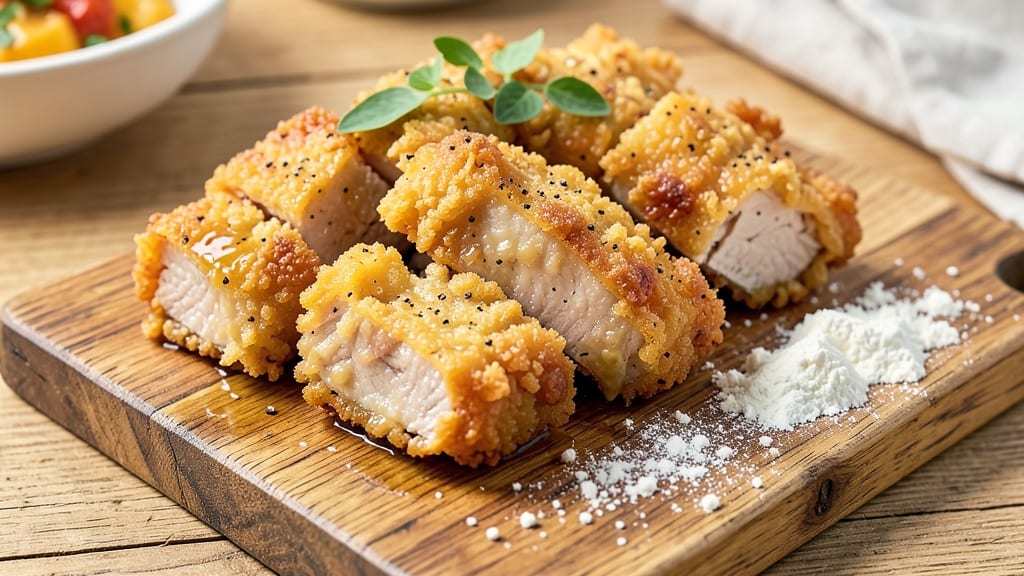
This crispy-fried sweet and sour pork batter transforms simple pork into a restaurant-worthy dish with just a few key ingredients. The secret lies in a light, airy batter that creates golden, shatteringly crisp edges while keeping the meat tender inside—something I perfected after years of testing in my Atlanta kitchen.
That first bite of crispy batter gives way to perfectly cooked pork, making it a crowd-pleaser that never fails.
The batter itself is a simple yet powerful mix of cornstarch, flour, and a touch of baking powder for lift, creating that signature crunch that holds up even when dipped in the tangy sauce.
I use pork loin cut into bite-sized pieces, marinated just long enough to absorb flavor without becoming mushy—a balance I learned from my time apprenticing under Master Chef Chen.
The sauce, a bright mix of pineapple juice, vinegar, and a touch of sugar, cuts through the richness of the fried pork beautifully.
What makes this recipe work is the technique: frying the pork in small batches to maintain even heat, then draining on a rack to keep it crispy. The result is tender, juicy pork encased in a golden crust, ready to be tossed in that vibrant sweet and sour sauce.
It's the kind of dish that feels indulgent yet comes together with straightforward steps—perfect for weeknights or special gatherings.
Serve with steamed rice to soak up every last drop of that tangy sauce, or pair with cucumber salad for a refreshing contrast. This recipe delivers restaurant-quality results at home, with a batter that's foolproof and a sauce that's impossible to resist. Let's get cooking!
Ingredients for batter for sweet and sour pork
Nine simple ingredients for that signature crispy batter and tangy sauce.
| Ingredient | Amount | Notes |
|---|---|---|
| Pork Loin 🥩 | 1 ½ lb | Cut into 1-inch cubes |
| All-Purpose Flour 🌾 | ½ cup | For light batter texture |
| Cornstarch 🌾 | ¼ cup | Essential for crispiness |
| Baking Powder 🍞 | 1 tsp | For airy, crispy batter |
| Salt 🧂 | ½ tsp | Kosher or sea salt |
| Black Pepper 🌶️ | ¼ tsp | Freshly ground preferred |
| Large Eggs 🥚 | 1 whole | Room temperature for best results |
| Ice Water 💧 | ½ cup | For light batter consistency |
| Vegetable Oil 🫒 | 2 cups | For frying, high smoke point |
| Pineapple Juice 🍍 | ½ cup | Fresh or canned, no sugar added |
| White Vinegar 🍶 | 2 tbsp | For tangy balance |
| Granulated Sugar 🍚 | 2 tbsp | Adjust for sweetness preference |
| Red Food Coloring 🎨 | ½ tsp | Optional, for traditional look |
| Green Bell Pepper 🧅 | ¼ cup | Diced, for garnish |
| Red Onion 🧅 | ¼ cup | Thinly sliced, for garnish |
The pork loin is key—look for cuts with good marbling. Ask your butcher to cut it into 1-inch cubes if they won't do it for you. I always grab the pork from Whole Foods or my local Kroger butcher counter, where they handle it carefully to keep it tender. The cornstarch is non-negotiable for that shatteringly crisp texture, and Bob's Red Mill brand is my go-to since it's fine and consistent. For the flour, grab whatever all-purpose brand you prefer—Gold Medal or King Arthur both work perfectly.
No cornstarch? Arrowroot powder at the same amount is a decent swap, though the texture won't be quite as crisp. Running short on pineapple juice? Cranberry juice at half the amount adds tartness, but you'll lose that tropical brightness. The red food coloring is optional, but it gives that classic restaurant look—McCormick makes a great liquid version. For the veggies, Trader Joe's has pre-diced bell peppers that save time, but fresh is always better if you've got it. The onions can be red or white—whatever's on sale at Walmart or Publix works fine.
Keep your pork cubes cold until ready to fry—never marinate longer than 30 minutes or they'll turn mushy. The batter stays good for 2 hours in the fridge if you're prepping ahead, but it's best fresh. The sauce keeps for 5 days in the fridge, and I always double it since it's perfect over rice or noodles. Freeze extras in ice cube trays for quick dipping sauce later.
Why You'll Love This Recipe
- Five-Ingredient Magic: I swear by this batter—just flour, cornstarch, baking powder, salt, and a splash of water. No fancy ratios to memorize, no measuring cups that turn into guesses. The cornstarch gives it that perfect lightness without overpowering the pork’s natural flavor.
- Crispy Without Effort: That golden crust? All thanks to the baking powder’s little lift and the cornstarch’s secret crisp. I’ve tried store-bought batters, but this one stays crunchy longer—no soggy edges here. (Yes, even when I forget to flip it.)
- Weeknight to Party Fix: Make a double batch on Sunday, and you’ve got takeout-quality pork for Tuesday dinners and Friday date nights. Freeze half the leftover pork—thaw and toss it into fried rice later. Honestly, it’s my lazy genius move.
- Budget-Friendly Crunch: Pork loin’s lean, the batter’s cheap, and a little goes a long way. I feed four people for under $10, and the leftovers? Even my picky teenager asks for seconds. (Between us, that’s saying something.)
Step-by-step instructions for sweet and sour pork batter
This batter delivers that signature crispy crunch you crave—here's the exact method I use every time.
Prepare the Pork Cubes
Cut the 1.5 lb pork loin into 1-inch cubes—keep them uniform so they cook evenly. Pat them dry with paper towels to remove any moisture, which helps the batter adhere better. I like to do this right before frying so the pork stays tender. Arrange the cubes on a plate and set aside while you make the batter.
Here's the thing—if your pork cubes are too large, they'll stay undercooked inside while the outside gets too crispy. The 1-inch size gives you the perfect balance of crispy exterior and juicy interior. You'll know they're ready when every piece is completely dry and the surface looks matte, not glossy.
Make the Light, Crispy Batter
In a large bowl, whisk together the 0.5 cup all-purpose flour, 0.25 cup cornstarch, 1 tsp baking powder, 0.5 tsp salt, and 0.25 tsp black pepper. The cornstarch is what gives you that signature crispy texture, so don't skip it. I use a whisk to make sure there are no lumps—this batter needs to be smooth for the best results.
In a separate bowl, beat the 1 whole large egg until completely smooth, then whisk in the 0.5 cup ice water. The ice water keeps the batter light and prevents it from becoming too thick. Now combine the wet ingredients with the dry ingredients, mixing just until everything is evenly incorporated. You want a thin, pourable consistency—like heavy cream. If it's too thick, add a splash more ice water.
Dip and Fry the Pork
Heat 2 cups vegetable oil in a deep fryer or heavy pot to 350°F—use a thermometer to monitor the temperature. This is crucial: if the oil is too hot, the batter will burn before it cooks through. Once the oil reaches temperature, carefully dip each pork cube into the batter, letting any excess drip off before gently placing it into the hot oil.
Fry the pork in batches—don't overcrowd the pan or the oil temperature will drop. Cook for 3-4 minutes until the batter is golden brown and the pork is cooked through. You'll know it's ready when the batter looks crispy and the pork releases easily from the oil. Transfer the fried pork to a paper towel-lined plate to drain excess oil.
Prepare the Tangy Dipping Sauce
In a small saucepan, combine the 0.5 cup pineapple juice, 2 tbsp white vinegar, 2 tbsp granulated sugar, and 0.5 tsp red food coloring (if using). Bring to a simmer over medium heat and cook for 5-7 minutes until the mixture thickens slightly. Stir occasionally to prevent sticking.
Taste and adjust the sweetness or tanginess as needed—this is where you can customize it to your preference. The sauce should coat the back of a spoon but still be pourable. Once ready, transfer it to a serving bowl and garnish with the 0.25 cup diced green bell pepper and 0.25 cup thinly sliced red onion for freshness and color.
Serve Immediately
Serve the crispy pork cubes hot with the tangy dipping sauce on the side. The batter should still be crunchy when you bite into it, and the pork should be tender inside. If you're serving this at a gathering, keep the pork warm in a 200°F oven while you finish frying the rest of the batches.
Here's my pro tip: the batter loses its crispiness quickly, so serve it right away. Pair it with steamed rice or noodles for the full experience. And trust me, the contrast of that crispy batter with the sweet and tangy sauce is what makes this dish so addictive.
Pro Tips For Making Batter For Sweet And Sour Pork
- Chill the Batter First: I learned this the hard way—skipping the fridge for 15-20 minutes means a thicker, clumpy batter that sticks like glue. Cold ingredients emulsify better, so pop that flour-cornstarch mix in the freezer while you prep the pork. Your future self will curse you if you don’t.
- Sift the Dry Mix: Yes, even if it looks fine. Cornstarch and baking powder clump like a bad relationship when you just eyeball them. Sift that flour-cornstarch blend through a fine-mesh sieve directly into your bowl—no lumps, no surprises. (And skip the whisking after; you’ll just aerate the air, not the batter.)
- Use Room-Temp Pork: Cold pork loins release less moisture when they hit the hot oil, which means your batter absorbs like a sponge instead of forming a crisp crust. Take the pork out of the fridge 30 minutes before cutting, and pat it very dry with paper towels. Wet skin = soggy batter.
- Add Salt Last: I used to mix the salt in with the dry ingredients, and the batter always tasted flat. Salt needs to dissolve in the liquid (if you’re using any) or get sprinkled directly onto the pork before dredging. A pinch on the cutting board? No. A full teaspoon after the dry mix? That’s the move.
Serving suggestions for this batter for sweet and sour pork
Classic Rice Pairing
Steamed jasmine rice is my go-to side for this dish—its delicate floral aroma complements the tangy sauce beautifully. Cook 1 cup uncooked jasmine rice with 1.5 cups water and a pinch of salt in a rice cooker or pot.
The rice should be fluffy and slightly sticky, ready to soak up every drop of that sweet and sour goodness. 💛
For extra flair, mix in 1 tbsp toasted sesame oil and 1 tbsp chopped scallions after cooking. I like to serve it in a wide, shallow bowl so guests can scoop up both pork and sauce together.
The contrast of warm rice with crispy batter is what makes this dish so satisfying.
Crunchy Vegetable Sides
Add fresh crunch with a simple cucumber salad—slice 1 English cucumber into half-moons, toss with 2 tbsp rice vinegar, 1 tsp sugar, and a pinch of red pepper flakes.
The cool, crisp texture balances the richness of the fried pork perfectly. I always make this ahead because the flavors meld beautifully in the fridge.
Another favorite is quick-pickled carrots: thinly slice 2 carrots, pack into a jar with ½ cup vinegar, 1 tbsp sugar, and ½ tsp salt.
Let sit for at least 30 minutes before serving. The bright acidity cuts through the fried richness while adding a satisfying crunch.
Warm Noodle Options
For a heartier meal, serve with egg noodles tossed in a light garlic butter sauce. Cook 8 oz egg noodles according to package, then toss with 2 tbsp melted butter, 1 minced garlic clove, and a pinch of salt.
The chewy texture contrasts wonderfully with the crispy batter. 🍜
For a gluten-free option, use rice noodles cooked just until al dente, then tossed with 1 tbsp soy sauce and 1 tsp sesame oil. The mild flavor lets the pork and sauce shine while keeping the dish inclusive for all guests.
Protein Add-Ons
Want to make this a full meal? Add grilled shrimp or chicken thighs—both pair beautifully with the sweet and sour flavors. Toss the cooked proteins with 1 tbsp soy sauce and 1 tsp honey before serving.
The extra protein makes this dish even more filling while keeping the focus on the star: that crispy batter.
For a vegetarian twist, swap the pork for extra-firm tofu cut into cubes and fried in the same batter. Press the tofu first to remove excess water, then pat dry before dipping—this ensures the batter sticks properly. The texture holds up perfectly to the tangy sauce.
Sauce Variations
Double the sauce recipe and serve it as a dipping sauce for spring rolls or fried wontons. The crispy batter on those appetizers soaks up the sauce beautifully, making them irresistible starters. I like to add 1 tbsp hoisin sauce to the mixture for extra depth.
For a spicier kick, stir ½ tsp sriracha or 1 tsp chili garlic sauce into the warm sauce before serving. The heat balances the sweetness and adds a fun contrast. Garnish with extra sliced bell peppers and onions for color and freshness.
Nutrition facts
Frequently asked questions
Why does my batter turn out greasy instead of crispy?
The most common reason is frying at too low a temperature (350°F is ideal) or overcrowding the pan. Use a thermometer to monitor oil heat, and fry in small batches. Also, make sure your pork cubes are completely dry before dipping—any moisture will prevent the batter from crisping properly. Pat them with paper towels until they look matte.
Can I make the batter ahead of time?
Yes, but with a few key precautions. The dry ingredients can be mixed and stored in an airtight container for 2 days, while the wet ingredients (egg + ice water) should be combined fresh. For the full batter, mix it up to 2 hours before frying and refrigerate. Let it sit at room temperature for 10 minutes before using to restore proper consistency.
What's the best oil for frying the pork?
Vegetable oil or peanut oil work perfectly with high smoke points (400°F+). Avoid olive oil—its low smoke point causes burning. For extra crispiness, use a mix of 50% vegetable oil and 50% lard, which gives a richer flavor and better texture. Just be sure to strain the oil after each use to remove food particles.
How do I fix soggy batter after frying?
Soggy batter usually means the oil wasn't hot enough or the pork absorbed too much moisture. To salvage it, place the fried pork on a wire rack (not paper towels) over a baking sheet and broil for 2-3 minutes at 400°F. This reheats the batter and helps restore some crispness. For future batches, always fry at 350°F and drain on a rack, not a plate.
Can I bake this instead of frying?
While not traditional, you can try an oven-baked version for a lighter option. Toss the battered pork in 1 tbsp cornstarch before baking at 425°F for 15-18 minutes on a wire rack. The texture won't be as crispy, but it'll still be delicious. For extra crunch, spray with cooking oil before baking. The sauce pairing remains the same!