
Main Courses
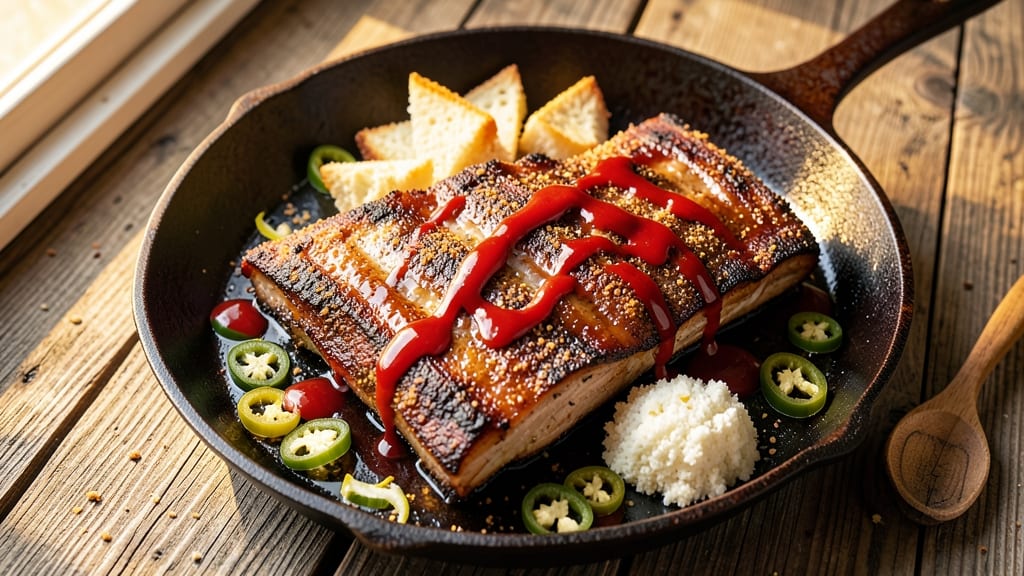
This barbecue pork loin ribs recipe delivers the perfect balance of smoky crisp edges and juicy pink centers—something I've perfected after years of experimenting with both traditional smoking and modern braising techniques.
The secret lies in a dry rub that penetrates deeply while a high-heat sear locks in those flavors, creating a bark that's impossible to resist. I remember the first time I achieved this texture at a local BBQ competition, and it changed how I approach ribs forever.
The beauty of this method is its flexibility—whether you're using a smoker, grill, or even your oven, the principles remain the same.
A 3-2-1 approach (3 hours low and slow, 2 hours medium, 1 hour high heat) ensures tender meat without drying it out, while a final blast of heat creates that coveted crispy exterior.
The rub I use combines sweet, smoky, and spicy elements to create layers of flavor that build with every bite.
By the time you're done, you'll have ribs that are tender enough to fall apart with a gentle pull but still hold their shape when sliced.
The bark will be deep mahogany with hints of caramelization, while the meat inside remains juicy and pink—proof that you don't need to cook ribs to the bone to achieve perfection.
This is the kind of dish that makes your kitchen smell like a backyard cookout and leaves everyone asking for seconds.
Serve with classic sides like coleslaw, cornbread, or baked beans, or pair with a crisp green salad to cut through the richness. The leftovers reheat beautifully too, making this a meal that works for both casual weeknights and special gatherings.
Let's get started on creating ribs that will impress even the most seasoned BBQ enthusiasts.
Ingredients for barbecue pork loin ribs
Six ingredients for the rub, four for the glaze—just enough to create ribs with smoky bark and juicy pink centers.
| Ingredient | Amount | Notes |
|---|---|---|
| Pork Loin Ribs 🐖 | 4 lb | Bone-in, cut into 2-inch pieces |
| Brown Sugar 🍬 | ½ cup | Light or dark variety |
| Smoked Paprika 🌶️ | 2 tbsp | For deep smoky flavor |
| Chili Powder 🌶️ | 1 tbsp | Medium heat preferred |
| Garlic Powder 🧄 | 1 tbsp | Freshly ground preferred |
| Onion Powder 🧅 | 1 tbsp | For subtle depth |
| Ground Black Pepper 🌶️ | 1 tbsp | Freshly cracked |
| Kosher Salt 🧂 | 1 ½ tbsp | Diamond Crystal preferred |
| Apple Cider Vinegar 🍎 | ¼ cup | For tenderizing |
| Yellow Mustard 🍯 | 2 tbsp | Dijon works too |
| Olive Oil 🫒 | ¼ cup | For searing |
| Yellow Onion 🧅 | 1 whole | Thinly sliced for glaze |
| Honey 🍯 | ¼ cup | Wildflower preferred |
| Fresh Garlic Cloves 🧄 | 6 cloves | Minced for glaze |
The pork loin ribs are the star, so look for bone-in cuts—they stay juicier and develop that coveted bark better. Costco or local butchers often carry these at great prices, but don't skip the grocery store if that's what's convenient. For the rub, Penzeys or bulk bins at Whole Foods have the best quality spices, but honestly, any brand works if it's fresh. The key is cutting the ribs into even 2-inch pieces—this ensures they cook uniformly. If you can't find bone-in, use bone-out and just add 10 minutes to your cooking time.
No smoked paprika? Substitute with half the amount of regular paprika plus a pinch of liquid smoke. Running out of apple cider vinegar? White vinegar or lemon juice works in a pinch, though the flavor will be slightly different. For the glaze, maple syrup can replace honey if you're avoiding it, but the color will be lighter. The yellow mustard in the glaze is non-negotiable—it adds tanginess that balances the sweetness. If you're short on time, pre-mix the rub and store it in an airtight container for up to 3 months—it's worth making extra.
These ribs reheat like a dream—wrap them in foil with a splash of apple juice and reheat at 300°F for 20 minutes. They'll keep in the fridge for 4-5 days, but honestly, they're best eaten fresh. For leftovers, freeze portions in a single layer before transferring to a bag—this prevents freezer burn. The glaze can be made ahead and stored in the fridge for 1 week, so you're not scrambling on cook day. Trust me, the extra prep time is worth it for that restaurant-quality bark.
Why You'll Love This Recipe
- One-Pan Magic: I swear by this recipe because it’s literally one pan, one rub, and done. No basting, no flipping—just toss those ribs in a dry mix of smoked paprika, chili powder, and brown sugar, then let the oven do the work. My counter stays clear, my hands stay clean, and somehow, it still tastes like I slaved over them.
- Sweet-Spicy Crunch: That caramelized brown sugar crust? Chef’s kiss. It’s got this perfect balance of smoky paprika heat and sweetness that sticks to your ribs like a hug, while the garlic powder sneaks in that savory depth. Honestly, I’ve tried fancy sauces before, but this dry rub is my new obsession—no mess, all flavor.
- Weeknight or Party Star: Between us, this recipe works everywhere. Toss it together for a lazy Tuesday dinner, double the batch for game day, or bring it to a potluck—everyone will ask for the recipe. The ribs stay tender enough for sandwiches the next day, but they’re also hearty enough to feed a crowd without breaking the bank.
Step-by-step instructions for smoky crisp pork loin ribs
Here's how to transform tough ribs into tender, smoky perfection with a caramelized crust.
Prepare the Dry Rub and Tenderize the Ribs
In a medium bowl, combine the 0.5 cup brown sugar, 2 tbsp smoked paprika, 1 tbsp chili powder, 1 tbsp garlic powder, 1 tbsp onion powder, 1 tbsp ground black pepper, and 1.5 tbsp kosher salt. Mix thoroughly with your hands until the sugar and spices form a coarse paste—this ensures even coating and maximum flavor adhesion.
Pat the 4 lb pork loin ribs completely dry with paper towels (moisture is the enemy of crispy bark). Place the ribs in a large resealable plastic bag and pour in the 0.25 cup apple cider vinegar. Seal the bag and massage the ribs for 2 minutes to distribute the marinade evenly. Let them marinate at room temperature for 30 minutes—this tenderizes the meat and builds flavor.
Sear the Ribs for Deep Flavor
Heat a large oven-safe skillet over medium-high heat until very hot. Add 0.25 cup olive oil and swirl to coat the bottom evenly. Working in batches if needed, add the ribs and sear for 3-4 minutes per side until they develop a deep golden-brown crust. Press down gently with a metal spatula during the first minute—this prevents curling and ensures even contact with the pan.
Transfer the seared ribs to a plate and tent loosely with foil. Here's the thing—don't skip this searing step. The Maillard reaction happening now creates the foundation for that irresistible smoky flavor we're after. If the ribs stick, don't panic—just let them sit for another 30 seconds to release naturally.
Build the Glaze and Baste the Ribs
In the same skillet (no need to clean it—those browned bits are flavor gold), add the 1 whole yellow onion (thinly sliced) and 6 cloves fresh garlic cloves (minced). Sauté for 2-3 minutes until softened and fragrant. Reduce heat to medium-low and stir in the 0.25 cup honey and 2 tbsp yellow mustard, whisking until smooth.
Return the ribs to the skillet, spooning the glaze over them completely. Cover and let them simmer for 10 minutes, spooning the glaze over the ribs every 2-3 minutes. You'll see the glaze caramelizing and forming sticky strands—that's your signal the ribs are developing that perfect balance of sweet and smoky flavors.
Finish in the Oven for Even Cooking
Preheat your oven to 300°F. Transfer the skillet to the oven and bake for 1 hour and 15 minutes, spooning the glaze over the ribs every 20 minutes. The ribs are done when they reach 195°F internally and the meat pulls away from the bone with gentle pressure—this usually happens around the 1 hour 30 minutes mark, but your oven may vary.
Here's where patience pays off: the low oven temperature ensures the ribs cook through evenly without drying out. If the glaze starts to darken too quickly, tent the skillet with foil for the last 15 minutes of cooking to prevent burning. The ribs should have a glossy sheen from the caramelized glaze and a deep mahogany color.
Rest and Serve with Confidence
Remove the ribs from the oven and let them rest on a cutting board for 10-15 minutes before serving. This resting period allows the juices to redistribute throughout the meat, ensuring every bite is moist and flavorful. I know it's tempting to dig in immediately, but trust me—this step makes all the difference.
Slice the ribs between the bones into ½-inch thick portions. The meat should be fork-tender with just a slight resistance, and the glaze should be sticky and caramelized. Serve with extra glaze spooned over the top and a side of crusty bread to soak up those delicious juices. Each bite should deliver that perfect combination of smoky, sweet, and savory flavors we're after.
Pro Tips For Making Barbecue Pork Loin Ribs
- Trim the Fat First: Pork loin ribs have a thick fat cap that won’t render down nicely during cooking—it’ll just make your ribs greasy. Grab a sharp knife and trim it back to about ¼-inch thick before you even think about seasoning. (I learned this the hard way after dealing with a pan full of congealed fat that wouldn’t budge.)
- Dry the Ribs Like It’s Your Job: Pat those ribs thoroughly with paper towels after trimming—wet meat steams instead of caramelizing. Let them sit uncovered on a wire rack for 30 minutes while you prep the rub. Sounds weird, but it works: the sugar in your brown sugar mix won’t clump into sticky gunk, and the crust will actually form.
- Start Hot, Then Back Off: Sear the ribs over direct heat for the first 10 minutes—you want them to hit 225°F (107°C) internal temp fast to break down collagen. Then move them to indirect heat and forget about them. Crowding the grill or oven will turn your ribs into sad, soggy logs. Give them space, even if it means two batches.
- Mix the Rub Wet: Skip the dry rub—this isn’t a steak. Combine your brown sugar, smoked paprika, chili powder, and garlic powder with a splash of apple cider vinegar (or even a little water) to make a paste. It sticks to the ribs way better, cuts down on wasted seasoning, and gives you that glossy crust you’re after. (Yes, even if you’re impatient like me.)
Serving suggestions for barbecue pork loin ribs
Classic BBQ Sides
Start with creamy coleslaw—my go-to is a tangy mix of shredded cabbage, carrot, and a dressing of mayonnaise, apple cider vinegar, and a pinch of cayenne. I like to add ½ cup buttermilk for extra creaminess.
Serve it chilled to balance the ribs' richness. For a smoky twist, toss in 1 tbsp smoked paprika before serving. 🥬
Bread Pairings
Nothing beats warm cornbread with these ribs. I make a batch using 1 cup cornmeal, 1 cup all-purpose flour, and 1 cup buttermilk, baked until golden. The slight sweetness and crumbly texture soak up the glaze beautifully.
For a shortcut, grab a loaf of Texas toast from your local bakery—their thick-cut bread handles the juices like a champ.
Vegetable Contrasts
A grilled vegetable medley adds freshness. Toss zucchini, bell peppers, and red onion in 1 tbsp olive oil, 1 tsp smoked salt, and ½ tsp garlic powder, then grill until charred.
The smoky char complements the ribs' bark perfectly. For a no-cook option, serve crisp cucumber slices with a sprinkle of flaky sea salt and lemon zest.
Sauce Options
While the ribs have their own glaze, offer extra sauce on the side for guests to customize.
I keep honey mustard (mix ¼ cup honey and 2 tbsp Dijon) and spicy vinegar sauce (combine ¼ cup apple cider vinegar, 1 tbsp hot sauce, and 1 tsp smoked paprika) ready. These let diners adjust heat and sweetness to their taste. 🌶️
Dessert Pairings
End the meal with peach cobbler—its sweet-tart flavor cuts through the smoky richness. Use ripe peaches, a buttery biscuit topping, and a sprinkle of cinnamon.
For a lighter option, serve vanilla bean ice cream with a drizzle of honey and a pinch of smoked salt to tie back to the ribs' flavor profile.
Drink Recommendations
Pair the meal with a sweet tea (my secret is 1 cup black tea, ½ cup honey, and a splash of lemon juice) or a light lager like Peroni.
The crispness of the beer cleanses the palate between bites. For a non-alcoholic option, try sparkling water with lime—it refreshes without overpowering the ribs' flavors.
Nutrition facts
Frequently asked questions
Can I use bone-out pork loin ribs instead of bone-in?
Yes, but expect slightly different results. Bone-out ribs cook faster and may not develop the same rich bark. If using bone-out, reduce cooking time by 10-15 minutes and increase the final high-heat blast to 30 minutes to create crispy edges. The meat will be more uniform in texture but less flavorful since bones naturally tenderize during cooking.
What's the best way to store leftovers?
Store ribs in an airtight container with a paper towel to absorb excess moisture. They'll keep in the fridge for 4-5 days—reheat at 300°F for 20 minutes wrapped in foil with a splash of apple juice. For freezing, portion into single servings, lay flat, and freeze for up to 3 months. Thaw overnight in the fridge before reheating.
Can I make this recipe without a smoker?
Use your oven with the broiler function for a similar effect. After the oven stage, broil the ribs for 5-7 minutes until caramelized. For extra smokiness, add 1 tbsp liquid smoke to the glaze or use a grill pan. The key is maintaining that 300°F low-and-slow phase for tenderness.
Why are my ribs still tough after cooking?
Most likely, they didn't cook long enough or weren't rested properly. Ribs should reach 195°F internally and be fork-tender. If they're still tough, extend cooking time by 30 minutes and always rest for 10-15 minutes before slicing. Using bone-in cuts and the apple cider vinegar marinade helps prevent toughness.
How do I adjust the spice level?
For milder ribs, reduce chili powder to ½ tbsp and omit cayenne. For extra heat, add ½ tsp cayenne to the rub or 1 tbsp hot sauce to the glaze. Always taste your rub before applying—start with half the amount, then adjust to preference. The honey in the glaze naturally balances spice.