
Main Courses
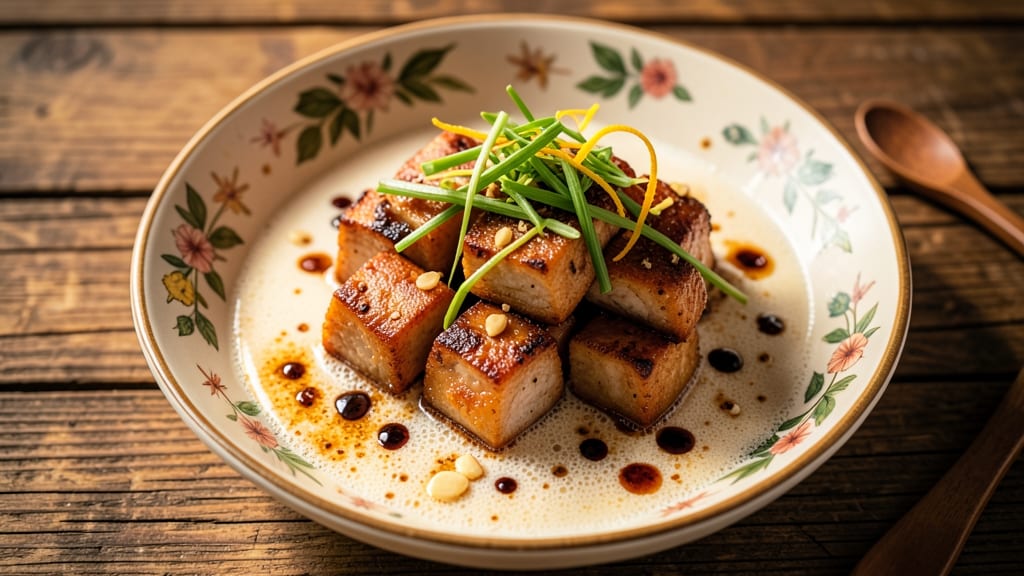
This Balinese pork belly recipe brings the aromatic flavors of Indonesia to your kitchen with its signature blend of lemongrass, galangal, and coconut milk. The result is tender, bite-sized pork belly pieces with crispy edges and a fragrant glaze that will transport you to Bali.
I first encountered this dish during my travels, and it became an instant favorite—now I've adapted it for home cooks with a foolproof method that delivers restaurant-quality results every time.
The secret to achieving authentic Balinese flavor lies in the marinade, which combines fresh turmeric, lemongrass, and galangal with coconut milk for a rich, aromatic base. This recipe uses a slow-cooking technique that transforms tough pork belly into melt-in-your-mouth perfection while developing deep, complex flavors.
The process may take time, but the reward is a dish that's worth every minute of preparation and anticipation.
What you'll end up with is a plate of golden-brown pork belly pieces that are crispy on the outside and tender on the inside, all coated in a glossy, fragrant glaze. The combination of sweet, spicy, and herbal notes creates a flavor profile that's both familiar and excitingly different.
This dish pairs beautifully with steamed jasmine rice and a side of sambal for the full Balinese experience.
Perfect for special occasions or when you want to impress guests with international cuisine, this recipe scales easily to feed a crowd while maintaining its authentic character. The techniques I've developed ensure that even home cooks can achieve professional results without specialized equipment.
Let's get started on creating this fragrant, bite-sized delight that will become a new family favorite.
Ingredients for balinese pork belly
These aromatic ingredients transform simple pork belly into a fragrant Balinese masterpiece.
| Ingredient | Amount | Notes |
|---|---|---|
| Pork Belly 🥓 | 1 ½ lb | Cut into 1-inch cubes, skin removed |
| Lemongrass 🌿 | 1 whole | White parts only, finely chopped |
| Galangal 🌿 | 3 oz | Fresh, peeled, finely chopped |
| Fresh Turmeric 🧄 | 1 oz | Peeled, finely grated |
| Coconut Milk 🥥 | 1 can | Full-fat, 13.5 oz (400 ml) |
| Fish Sauce 🍶 | 1 tbsp | Red Boat preferred |
| Brown Sugar 🍚 | 2 tbsp | Packed |
| Garlic Cloves 🧄 | 6 cloves | Peeled, minced |
| Fresh Ginger 🌿 | 1 oz | Peeled, finely grated |
| Kaffir Lime Leaves 🍋 | 4 whole | Torn into strips |
| Vegetable Oil 🫒 | 2 tbsp | For frying |
| Salt 🧂 | 1 ½ tsp | Kosher or sea salt |
| Black Pepper 🌶️ | ½ tsp | Freshly ground |
| Cayenne Pepper 🔥 | ¼ tsp | Adjust for heat preference |
The galangal and turmeric are non-negotiable for authentic flavor—Asian markets carry the best quality, but if you can't find fresh, substitute extra ginger at double the amount. I always grab the Red Boat fish sauce when I'm at Trader Joe's—it's worth the splurge for that umami punch. For the pork belly, look for thick-cut pieces with good marbling. The cubes should be uniform in size (about 1 inch) so they cook evenly. If your market doesn't carry galangal, substitute ginger and extra lime juice—it won't be identical, but still delicious.
No kaffir lime leaves? Substitute lime zest plus extra lime juice—it's not the same, but close. Running short on coconut milk? Light coconut milk works in a pinch, but the fat content matters for that rich texture. The brown sugar should be packed—light brown sugar works too, but packed gives better caramelization. For the heat level, start with half the cayenne and adjust to taste. Fresh ginger and turmeric keep in the fridge for 2 weeks if wrapped tightly, but use them up sooner—they lose potency fast. The lemongrass is the only ingredient you can prep ahead: chop it and store in a sealed container in the fridge for up to 3 days.
This dish tastes even better the next day—plan ahead. The marinade keeps for 5 days in the fridge, so make extra for stir-fries or soups. Store cooked pork belly in an airtight container with the glaze—reheat gently to preserve that crispy texture. Freezes beautifully for 3 months if portioned into single servings. For serving, I always pair it with jasmine rice and a side of sambal—the heat cuts through the richness perfectly.
Why You'll Love This Recipe
- One-Pot Magic: Honestly, I love recipes that don’t require a million dishes—this one’s a single pot, start-to-finish. The pork belly renders its own fat, the lemongrass and galangal simmer right in the coconut milk, and by the time you’re stirring, the house smells like a Bali beach. No chopping boards full of scraps, just one pan to wash.
- Taste Like a Vacation: Between us, that first bite of crispy pork belly with the fragrant, citrusy galangal and turmeric—it’s like a flavor bomb. The coconut milk makes it creamy but not heavy, and the lemongrass lingers just enough to remind you why you love bold, aromatic dishes. (Yes, even on a Tuesday night.)
- Leftovers That Beg for More: I make this on Sundays because it begs to be reheated—better the second day, if you can believe it. The pork stays tender, the sauce thickens into something even richer, and I’ve caught myself eating it cold straight from the fridge. My kids call it “fancy leftovers,” and I don’t correct them.
- Budget-Friendly Luxury: Pork belly feels special, but this recipe stretches it like a pro. A single slab feeds four, and the spices (lemongrass, galangal, turmeric) are cheap but pack a punch. Plus, the coconut milk adds richness without breaking the bank—unlike takeout that’ll cost you twice as much for half the flavor.
Step-by-step instructions for Balinese pork belly
Here's how to transform simple ingredients into aromatic, bite-sized pork belly cubes bursting with lemongrass and coconut flavors.
Prepare the Pork Belly and Aromatics
Cut the 1.5 lb pork belly into 1-inch cubes, removing any remaining skin. Pat them dry with paper towels—this ensures a better sear later. In a small bowl, combine the 1 whole lemongrass (white parts only, finely chopped), 3 oz galangal (peeled and finely chopped), 1 oz fresh turmeric (peeled and finely grated), 6 cloves garlic (peeled and minced), 1 oz fresh ginger (peeled and finely grated), and 4 whole kaffir lime leaves (torn into strips). This aromatic blend is the soul of this dish, so take your time chopping everything finely.
In a separate bowl, whisk together 1 tbsp fish sauce, 2 tbsp brown sugar (packed), 1.5 tsp salt, 0.5 tsp black pepper, and 0.25 tsp cayenne pepper. This marinade balances the heat and sweetness, creating depth of flavor. The sugar will caramelize slightly during cooking, adding another layer of complexity.
Marinate and Parboil the Pork
Place the pork belly cubes in a large bowl and pour the aromatic blend over them. Add the fish sauce mixture and toss everything together until the pork is evenly coated. Cover and let it marinate in the refrigerator for at least 30 minutes, but ideally 2 hours. This step allows the flavors to penetrate deeply into the meat, ensuring every bite is infused with the essence of Balinese spices.
After marinating, heat a large pot of water until it reaches a gentle boil. Add the marinated pork belly cubes and parboil for 5 minutes. This pre-cooking step ensures the pork cooks evenly and doesn't dry out during the frying process. Drain the pork and set it aside, reserving the marinade for later.
Fry the Pork Belly Until Golden
Heat 2 tbsp vegetable oil in a large skillet over medium-high heat until it shimmers. Add the parboiled pork belly cubes in a single layer, ensuring they don't overcrowd the pan. Fry for 3-4 minutes per side until the pork is golden brown and crispy. If the pork releases easily from the pan, it's ready to be flipped. If it sticks, wait another minute or two—patience here ensures a perfect crust.
Once golden, remove the pork from the skillet and set it aside on a paper towel-lined plate. The residual heat will keep it warm while you prepare the coconut sauce. Don't discard the oil in the pan—those browned bits are packed with flavor and will form the base of your sauce.
Simmer the Coconut Sauce
Reduce the heat to medium-low and pour in the 1 can coconut milk, scraping up any browned bits from the bottom of the pan. Add the reserved marinade from the pork and stir well. Bring the mixture to a gentle simmer, then reduce the heat to low and let it cook for 10-15 minutes, stirring occasionally. The sauce should thicken slightly, coating the back of a spoon. If it's too thin, simmer for an additional 2-3 minutes—the coconut milk will reduce naturally, creating a luscious, velvety consistency.
Taste the sauce and adjust the seasoning if needed. You might need a touch more fish sauce for umami or brown sugar to balance the flavors. The sauce should be fragrant, slightly sweet, and deeply aromatic with hints of lemongrass and galangal.
Finish and Serve
Return the fried pork belly cubes to the skillet with the coconut sauce, gently tossing everything together to coat the pork evenly. Let it simmer for 2-3 minutes so the pork absorbs the rich, creamy sauce. The pork should be tender, the sauce clinging beautifully to each cube. If the sauce is too thick, add a splash of water or reserved marinade to loosen it.
Serve the Balinese pork belly immediately, garnished with additional kaffir lime leaves if desired. The contrast of crispy, golden pork with the fragrant, creamy coconut sauce is what makes this dish truly special. Pair it with steamed jasmine rice to soak up every last drop of that delicious sauce.
Pro Tips For Making Balinese Pork Belly
- Char the Belly First: The pork belly needs that deep, smoky flavor before it goes into the coconut milk. Hit it with a screaming-hot pan—no oil needed—until it’s blackened in spots (about 3-4 minutes per side). I used to skip this, and the dish always tasted flat until I tried it.
- Slice Galangal Thinly: Galangal’s tough fibers need to break down, but nobody wants to chew through them. Use a sharp knife and slice it paper-thin, almost like matchsticks. If you’re lazy, a mandoline does the job, but don’t skip this—it’s the thing that matters most for that silky texture.
- Simmer Low and Slow: After adding the coconut milk, drop the heat to a bare simmer. I learned this the hard way—boiling it turns the milk grainy and the pork belly rubbery. Let it cook at 180°F (82°C) for at least 45 minutes, stirring occasionally, until the meat falls apart with a fork.
- Toast the Spices: Before adding the lemongrass and turmeric, dry-toast the galangal and turmeric in the same pan you charred the pork belly for 2 minutes. The aroma changes completely—earthier, deeper—and it cuts through the richness of the coconut milk like a knife. (Yes, even if you’re impatient like me.)
Creative variations of these flavors
Classic Babi Guling Style
This variation transforms your pork belly into a Balinese-style roasted pork (babi guling), a traditional dish where the whole pig is slow-roasted until crispy on the outside and tender inside.
For this version, use a whole pork belly (about 5-6 lbs) and rub it with a paste of 1 tbsp turmeric, 1 tbsp coriander, 1 tbsp salt, and 1 tsp black pepper.
Roast it at 325°F for 3-4 hours, basting with coconut milk every 30 minutes until golden and falling-off-the-bone tender. Serve with steamed rice, pepper sauce, and fried shallots for the full babi guling experience. 🌟
Sweet Chili Glaze Twist
Add a modern touch by finishing your pork belly with a sweet chili glaze. After frying, simmer ½ cup coconut milk, 2 tbsp sweet chili sauce (like Maesri), 1 tbsp soy sauce, and 1 tsp brown sugar for 5 minutes until thickened.
Toss the pork in this glaze and broil for 2-3 minutes to create a sticky, caramelized crust. This variation balances the richness of the pork with a tangy, slightly sweet kick that’s perfect for weeknight dinners. 🔥
Spicy Sambal Crispy
For a spicy, smoky version, marinate your pork belly in 2 tbsp sambal oelek and 1 tbsp tamarind paste alongside the usual aromatics.
After frying, toss the pork in a sauce made from ½ cup coconut milk, 1 tbsp sambal, and 1 tsp shrimp paste, then broil until the edges are crispy. Garnish with crushed peanuts and cilantro for texture and freshness.
This dish is a crowd-pleaser, especially for those who love heat and bold flavors. 🌶️
Coconut Curry Infusion
Turn your pork belly into a Balinese coconut curry by simmering the fried pork in 1 can coconut milk, 2 tbsp red curry paste, and 1 cup chicken broth for 15 minutes. Stir in 1 tbsp fish sauce and 1 tsp palm sugar to balance the flavors.
Serve over jasmine rice with a side of quick-pickled cucumbers to cut through the richness. This version is heartier and perfect for a cozy family meal. ✨
Herb-Infused Crispy Bites
For a lighter, herb-forward take, add 2 tbsp finely chopped Thai basil and 1 tbsp mint leaves to the marinade. After frying, toss the pork in a sauce of ½ cup coconut milk, 1 tbsp lime juice, and 1 tsp honey, then garnish with extra herbs.
This variation keeps the dish vibrant and refreshing while still delivering that signature crispy texture. 💚
Nutrition facts
Frequently asked questions
Can I substitute galangal if I can't find it?
Yes, you can substitute galangal with extra ginger (2x the amount) plus 1 tbsp lime juice for a similar zesty kick. While it won't be identical, the combination will still deliver aromatic depth. For best results, use fresh ginger and add a pinch of turmeric to mimic galangal's earthy notes.
How do I prevent the pork belly from drying out?
Never skip the 5-minute parboil before frying—this step pre-cooks the meat and locks in moisture. Also, don't overcrowd the pan when frying, and cook in batches if needed. The marinade should be well-coated on the pork, and the coconut milk sauce should simmer gently to avoid evaporating too quickly.
What's the best way to store leftovers?
Store cooked pork belly in an airtight container with the sauce, refrigerated for up to 3 days. For longer storage, freeze in single portions for 3 months. Reheat gently in a skillet with a splash of water to restore crispiness. The sauce may thicken further when reheated—thin with water or reserved marinade if needed.
Can I make this dish in a slow cooker?
After marinating and parboiling, place the pork in the slow cooker with the coconut milk and reserved marinade. Cook on low for 3-4 hours, then finish by searing in a skillet for 2 minutes per side to achieve crispiness. The slow cooker method works especially well for larger batches—just adjust cooking time accordingly.
What's the secret to crispy pork belly?
The crispy texture comes from three key steps:
- Pat the pork completely dry before frying,
- Use medium-high heat and don't overcrowd the pan, and
- Fry for 3-4 minutes per side until golden brown. The parboiling step also helps create that perfect contrast between tender meat and crispy exterior.