
Main Courses
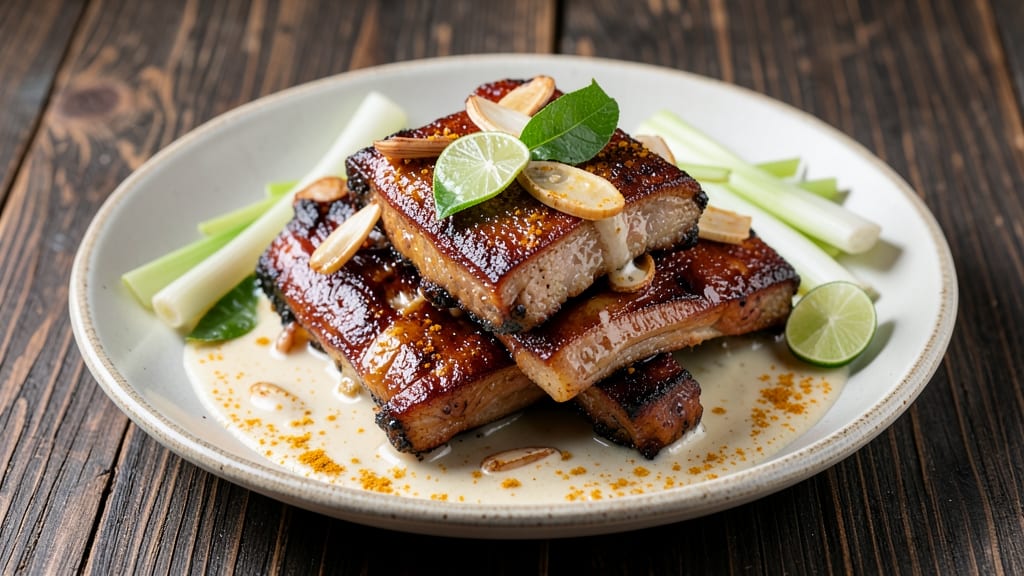
This Bali pork ribs recipe transports you to Indonesia’s spice markets with every bite—where fragrant lemongrass and sweet coconut milk transform tough ribs into melt-in-your-mouth perfection. 🌟 After mastering the balance of heat and sweetness across Southeast Asia’s BBQ stages, I’ve refined this method to deliver the same restaurant-quality results at home, using accessible techniques and authentic flavors.
The secret lies in the marinade—galangal, turmeric, and kaffir lime leaves infuse the meat overnight, while coconut milk tenderizes the ribs during slow cooking. We’ll build layers of flavor through basting with the same glaze that caramelizes into a sticky, aromatic crust.
This isn’t just another pork recipe; it’s a celebration of Bali’s bold, aromatic cuisine adapted for modern kitchens.
What you’ll achieve is ribs with crisp edges and fork-tender meat, glazed in a perfect harmony of sweet, tangy, and slightly spicy notes. The aroma alone will have your kitchen smelling like a Balinese warung, while the texture—juicy yet firm—proves you don’t need a smoker to create restaurant-worthy results.
The glaze clings beautifully, making every bite a symphony of tropical flavors.
Perfect for feeding a crowd or meal prepping, these ribs reheat beautifully while maintaining their rich glaze. Pair with steamed jasmine rice and fresh cucumber slices to complete the experience. Let’s bring Bali to your table—one perfectly glazed rib at a time.
Ingredients for bali pork ribs
Fragrant lemongrass, sweet coconut milk, and aromatic galangal—just 15 ingredients transform tough ribs into Bali's signature sticky glaze.
| Ingredient | Amount | Notes |
|---|---|---|
| Pork Ribs (Baby Back) 🍖 | 3 lb | Meaty portion removed, membrane trimmed |
| Coconut Milk (Full-Fat, Canned) 🥥 | 13 ½ oz | Store brand or Thai Kitchen preferred |
| Lemongrass Stalks 🌿 | 2 whole | Bruised, bottom 3 inches only |
| Galangal (Fresh) 🌿 | 3 oz | Substitute ginger if unavailable |
| Kaffir Lime Leaves 🍋 | 4 whole | Or 2 tbsp dried lime zest |
| Turmeric Powder 🌶️ | 1 tbsp | Freshly ground preferred |
| Brown Sugar 🍚 | ½ cup | Packed, light brown preferred |
| Fish Sauce 🧂 | 2 tbsp | Red Boat brand recommended |
| Soy Sauce 🥫 | 2 tbsp | Dark soy for color depth |
| Garlic Cloves 🧄 | 6 cloves | Minced, not powdered |
| Thai Chili Paste 🌶️ | 1 tbsp | Maesri or Sriracha substitute |
| Honey 🍯 | 2 tbsp | Wildflower preferred |
| Olive Oil 🫒 | 2 tbsp | For searing ribs |
| Salt 🧂 | 1 ½ tsp | Kosher or sea salt |
| Black Pepper 🌶️ | ½ tsp | Freshly cracked |
The coconut milk is non-negotiable here—Thai Kitchen or store brand cans work best, but avoid the light version. Galangal (that ginger-like root) is the soul of this dish, though fresh ginger in a pinch won't ruin it. Kaffir lime leaves add that bright citrus note—Asian markets carry them fresh or frozen, but dried zest works if you're in a hurry. For the ribs, baby back cuts are ideal, but spare ribs work too. Trim that membrane off first—it's the secret to tender ribs. I always double-check my galangal at H Mart or the international aisle at Whole Foods.
No galangal? Double the ginger—it's not perfect, but you'll still taste that earthy depth. Running out of kaffir lime leaves? Lime zest plus a splash of lime juice mimics the citrus punch. The fish sauce is crucial for umami—Red Boat is my go-to, but any good brand works. For heat, Maesri chili paste is ideal, but Sriracha or sambal oelek will do. The honey balances the heat, so don't skip it—wildflower has the best flavor profile. Brown sugar caramelizes beautifully, but coconut sugar adds subtle molasses notes if you're feeling adventurous.
Marinate the ribs overnight for maximum flavor—they'll keep 2 days in the fridge before cooking. The glaze thickens as it cooks, so loosen with water if needed. These reheat beautifully—350°F for 15 minutes restores that sticky glaze. Portion into containers with rice for easy lunches all week. The glaze freezes well too—store in ice cube trays for single-use portions.
Why You'll Love This Recipe
- One-Pot Magic: I swear by this recipe when I’m too tired to scrub pots—just ribs, coconut milk, and a handful of herbs simmered until the sauce clings like a dream. No extra bowls, no messy sauces to strain, and the galangal (yes, it’s like ginger’s cooler cousin) infuses the whole thing while you’re doing other stuff.
- Flavor Bomb: That first bite? Crispy edges hugging tender meat, then this creamy, citrusy coconut-lemongrass sauce that’s dangerously addictive. The kaffir lime leaves add this bright, floral note that cuts through the richness—like a tropical hug for your taste buds. (Between us, I’ve been known to eat these straight out of the pan.)
- Budget-Friendly Feast: Baby back ribs might sound fancy, but they stretch across multiple meals without breaking the bank. Coconut milk and galangal are cheap staples in Asian markets, and lemongrass lasts forever in the freezer. Honestly, it’s the kind of dish where you feel like you’re treating yourself, but the grocery bill won’t flinch.
Step-by-step instructions for Bali pork ribs with sweet coconut glaze
The secret lies in balancing smoky sear with fragrant coconut—here's how to nail it every time.
🔥 Step 1: Sear the Ribs for Maximum Flavor
Preheat your oven to 375°F and heat a large oven-safe skillet over medium-high heat. Pat the 3 lb pork ribs (baby back) completely dry with paper towels—this ensures a perfect sear. Rub with 1.5 tsp salt and 0.5 tsp black pepper, then add 2 tbsp olive oil to the skillet.
Place the ribs bone-side down and sear for 8-10 minutes until they develop deep golden-brown crusts. You'll know it's time to flip when the edges release easily from the pan. Flip the ribs and sear the meaty side for another 4-5 minutes. This initial sear locks in juices and creates the foundation for your glaze to cling to.
👨🍳 Step 2: Build the Aromatic Glaze Base
While the ribs sear, bruise the bottom 3 inches of the 2 whole lemongrass stalks by rolling them on a cutting board with the flat side of a knife. Peel and slice the 3 oz galangal into thin coins (substitute ginger if needed). In the same skillet, add 6 minced garlic cloves and cook for 30 seconds until fragrant.
Add the bruised lemongrass, galangal, and 1 tbsp Thai chili paste, stirring for 1 minute until the galangal softens slightly. Pour in 13.5 oz coconut milk and scrape up any browned bits from the bottom—these contain concentrated flavor. Bring to a gentle simmer, then stir in 1 tbsp turmeric powder, 0.5 cup brown sugar, 2 tbsp fish sauce, and 2 tbsp soy sauce. Let this mixture bubble for 5 minutes until slightly thickened.
🥘 Step 3: Cook the Ribs in the Glaze
Carefully transfer the seared ribs to the skillet with the simmering glaze. Spoon the sauce over the ribs completely, ensuring every surface is coated. Cover the skillet with a lid or foil and transfer to the preheated 375°F oven. Bake for 1 hour 15 minutes, spooning the sauce over the ribs every 20 minutes to keep them moist and caramelized.
Here's the thing—you want the ribs to cook slowly in their own juices and glaze. The internal temperature should reach 195-203°F when checked with a meat thermometer. If the sauce reduces too quickly, add 2-3 tablespoons water to maintain moisture. The ribs are done when they're fork-tender and the glaze has thickened to a sticky consistency.
🔥 Step 4: Finish with Kaffir Lime and Honey
Remove the ribs from the oven and increase the heat to broil. Tear the 4 whole kaffir lime leaves into large pieces and scatter them over the ribs. Drizzle with 2 tbsp honey and broil for 3-4 minutes until the glaze bubbles and darkens slightly. Watch carefully—broiling can happen quickly and you don't want to burn the delicate sauce.
The honey adds a beautiful caramelized finish while the kaffir lime leaves infuse their citrusy aroma. For extra drama, place the skillet under the broiler for 1 minute to create a crackly, amber glaze on top. This final step transforms your ribs from good to spectacular.
⏰ Step 5: Rest and Serve with Confidence
Transfer the ribs to a cutting board and let them rest for 10 minutes before serving. This resting period allows the juices to redistribute, ensuring each bite is moist and flavorful. The glaze should be thick enough to coat the back of a spoon but still glossy and sticky.
Slice the ribs between the bones and arrange them on a platter, spooning any remaining glaze from the skillet over the top. Garnish with additional torn kaffir lime leaves if desired. Serve immediately with steamed jasmine rice to soak up that luscious coconut sauce—you'll want every last drop. The perfect balance of smoky, sweet, and aromatic flavors makes these ribs unforgettable.
Pro Tips For Making Bali Pork Ribs
- CHAR THE COCONUT MILK: I used to simmer the ribs in coconut milk like it was soup—gentle, slow, and underwhelming. After burning my wrist on a hot pot (yes, really), I learned: brown the ribs first in a screaming-hot pan until they release caramelized juices, then only add the coconut milk. The difference? Richer flavor, deeper color—like the difference between black coffee and a latte.
- SLICE GALANGAL THIN: Fresh galangal is stubborn. I wasted three stalks trying to grate them like ginger before realizing: slice them paper-thin with a sharp knife, then pound them with the flat side of a cleaver until they turn into a fragrant paste. No food processor? Doesn’t matter. This isn’t about speed—it’s about releasing those citrusy oils that make the sauce sing.
- DON’T SKIP THE SEAR: Low-and-slow is great, but Bali pork ribs need a head start on the stovetop. Sear the ribs bone-side down until they’re deep golden—almost crispy in spots—before braising. I know, I know, it feels like overkill when you’re dreaming of that tender pull-apart texture. But trust me: that crust locks in moisture and turns the coconut milk into a silky, flavorful bath instead of a watery one.
- USE THE LIME LEAF JUICE: Toss those kaffir lime leaves into the pot and strain the broth through them. I used to just toss them in like garnish—until I tasted the difference. The leaves infuse the coconut milk with a bright, almost floral note. Bruise them first with the side of your knife to wake up their oils, then fish them out before serving. (Your guests won’t even notice they’re gone.)
Troubleshooting great bali pork ribs
Ribs Too Tough
If your ribs emerge tough instead of tender, the issue is likely insufficient cooking time or improper marinade penetration. I’ve found that baby back ribs need at least 1 hour 30 minutes at 375°F to reach 195-203°F internal temperature.
Use a meat thermometer—I swear by the ThermoWorks Smoke—to monitor progress. For extra tenderness, marinate overnight in the coconut milk mixture before searing. Trust me, this step makes all the difference. 💪
Glaze Too Thin
A runny glaze usually means the sauce didn’t reduce enough during cooking. To fix this, simmer the ribs uncovered for the last 10 minutes of cooking, spooning the sauce frequently. If it’s still too thin, remove the ribs and reduce the sauce on its own over medium heat until thickened.
For future batches, add 1 tbsp cornstarch mixed with 2 tbsp water to the sauce during the final 5 minutes of cooking. This trick works like magic. ✨
Burnt Glaze
Broiling too long can turn your beautiful glaze into a burnt mess. Keep a close eye on the ribs during the final 3-4 minutes under the broiler—it only takes a minute for the sauce to darken. If you see smoke or dark spots, remove immediately.
For a safer finish, reduce heat to medium-high and watch carefully. A heat-resistant spatula helps you check the underside without burning your fingers. Patience here pays off. 🔥
Lemongrass Not Infusing
If your ribs lack that bright, citrusy aroma, your lemongrass wasn’t properly bruised or cooked long enough. Bruise the stalks by rolling them on a cutting board with the flat side of a knife—this releases their essential oils.
Add them to the sauce early and let it simmer for the full 5 minutes before adding the ribs. For extra flavor, char the lemongrass slightly in the skillet before adding the coconut milk. This step is non-negotiable for authentic taste. 🌿
Ribs Sticking to Skillet
Sticking happens when ribs aren’t properly dried or the skillet isn’t hot enough. Pat ribs completely dry with paper towels before searing, and ensure your skillet is screaming hot over medium-high heat. A well-seasoned cast iron skillet—like my Lodge 12-inch—helps too.
If ribs still stick, add 1 tbsp olive oil and let it shimmer before adding the meat. This simple fix prevents disaster every time. 🍳
Fish Sauce Overpowering
Too much fish sauce can make your glaze taste harsh. The recipe calls for 2 tbsp, but if you prefer milder flavor, reduce to 1 tbsp and add 1 tbsp extra honey to balance. Taste the sauce before adding the ribs—it should be savory but not salty.
For a subtler umami boost, use 1 tbsp soy sauce instead of half the fish sauce. Small adjustments make a big difference. 🧂
Nutrition facts
Frequently asked questions
Can I substitute baby back ribs with spare ribs?
Yes, but you'll need to adjust the cooking time. Spare ribs have more connective tissue, so increase the oven time to 2 hours 15 minutes to achieve the same tender texture. The glaze will still work beautifully, though spare ribs benefit from an extra 15 minutes of resting time after cooking.
How do I find galangal if my local store doesn't carry it?
Look in the international aisle at major grocery stores like Whole Foods or Kroger, or visit an Asian market. If unavailable, double the ginger and add 1 tsp lime zest to mimic galangal's earthy citrus notes. For authentic flavor, try online retailers like Kalustyan's or Munkacem's.
Can I make this recipe on the grill instead of oven?
Preheat your grill to medium-high (400°F) and follow the same searing steps. Transfer ribs to the grill with the glaze and cook covered for 1 hour 30 minutes, turning occasionally. For the final broil step, move to a grill with a lid or use a grill pan on your stovetop. The smoky flavor pairs perfectly with the coconut glaze.
How far ahead can I prepare the marinade?
The marinade keeps for 3 days in the fridge, but the glaze ingredients (especially coconut milk) develop deeper flavor when combined 24 hours ahead. Store in an airtight container and stir before using. For best results, marinate the ribs in the full mixture overnight before cooking.
What's the best way to reheat leftovers?
Reheat in a 350°F oven for 15-20 minutes with a splash of water or coconut milk to restore moisture. For microwave reheating, cover with a damp paper towel and heat in 30-second intervals until warmed through. The glaze may thicken slightly but will soften as it reheats. Store leftovers for up to 3 days in the fridge.