
Main Courses
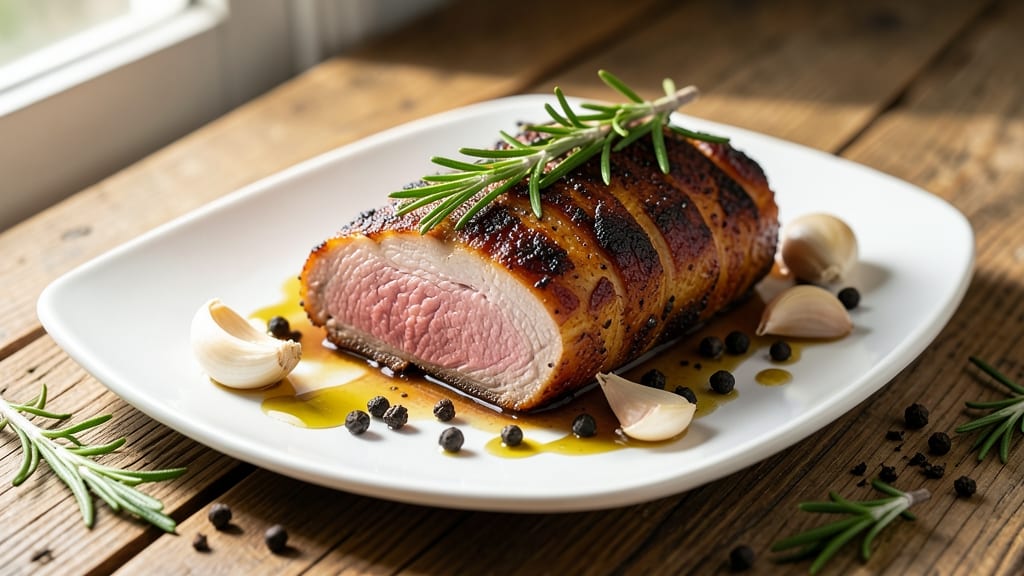
A juicy baked boneless pork loin transforms weeknight dinners into restaurant-quality meals with just one simple technique. After years of testing, I've perfected a method that guarantees tender, even cooking every time—no guesswork involved.
The secret lies in proper seasoning and understanding how pork responds to heat, ensuring that slice is always moist and flavorful.
This recipe starts with a simple yet effective seasoning blend of garlic, rosemary, and black pepper, which creates a fragrant crust while keeping the meat tender inside. You'll bake the pork at a precise temperature of 325°F for about 45 minutes, allowing it to cook slowly and evenly.
The key is using a meat thermometer to check for an internal temperature of 145°F, ensuring it's cooked to perfection without drying out.
Once out of the oven, resting the pork for 10-15 minutes is crucial—it allows the juices to redistribute, guaranteeing that first bite is as tender as it can be.
Serve it with your favorite sides like roasted vegetables or a fresh herb salad, and you'll have a meal that's both impressive and effortless. This is the kind of recipe that makes cooking feel like a triumph, not a chore.
Whether you're hosting a dinner party or simply craving a satisfying meal, this baked pork loin delivers. The method is foolproof, the results are consistently delicious, and the process is straightforward enough for even beginner cooks to master.
Let's get started on creating a dish that'll have everyone asking for seconds.
Ingredients for baked pork loin recipe boneless
Nine simple ingredients transform ordinary pork into restaurant-quality perfection every time.
| Ingredient | Amount | Notes |
|---|---|---|
| Boneless Pork Loin 🥩 | 2 lb | Center-cut for even cooking |
| Fresh Rosemary 🌿 | ¼ cup | Finely chopped, stems removed |
| Garlic Cloves 🧄 | 6 cloves | Minced for even distribution |
| Fresh Black Peppercorns 🌶️ | 1 ½ tbsp | Freshly cracked for intensity |
| Diamond Crystal Kosher Salt 🧂 | 1 ½ tsp | For seasoning and crust |
| Extra-Virgin Olive Oil 🫒 | 2 tbsp | For basting and moisture |
| Unsalted Butter 🧈 | 2 tbsp | Softened for basting |
| Fresh Thyme Leaves 🌿 | 1 tbsp | Optional for extra aroma |
| Honey 🍯 | 1 tbsp | For subtle sweetness |
The pork loin is where it all begins—center-cut gives you the best texture, with even fat distribution that keeps it juicy. Costco or Whole Foods usually carry the best quality, but your local butcher can trim it for you if needed. Look for a piece with good marbling—just enough fat to keep it moist without overpowering the flavor. I always buy mine 2-3 days ahead to let it sit at fridge temp before cooking, which helps with even cooking. The rosemary? Fresh is non-negotiable here—dried just won't give that same aromatic punch. Grab a small bunch and chop it right before seasoning to preserve those volatile oils.
No fresh rosemary? Dried works at one-quarter the amount, but it'll lack that bright herbal note. Short on honey? Maple syrup or agave keeps things vegan-friendly while adding sweetness. The olive oil and butter combo is key—don't skip the butter. It creates a beautiful crust while basting keeps the meat impossibly tender. For the garlic, I always use peeled and minced ahead of time to save time during prep. The thyme is optional but adds that extra layer of complexity that makes this feel like a restaurant dish. Pro tip: if you're prepping ahead, store the seasoned pork uncovered in the fridge for up to 12 hours—it lets the flavors meld beautifully.
This pork is best served immediately after baking, but if you need to prep ahead, cook it 10-15 minutes less than directed and finish in the oven at the same temp when ready to serve. The leftovers? 3-4 days in the fridge, but honestly, it's so good you'll eat it all the first night. For freezing, wrap tightly in foil and it'll keep for up to 3 months. I always slice it against the grain for those perfect, tender pieces. The juices redistribute during resting, so never skip the 10-minute rest—that's when the magic happens, and you'll taste the difference in every bite.
Why You'll Love This Recipe
- No-Chop Nightmare: I swear by this one—just a single knife pass to trim the fat, then it’s hands-off. The rosemary sprigs and garlic cloves get tucked right into the slashes, so flavor infuses while you sip your wine (or coffee, no judgment).
- Crispy-Center Magic: That first bite—juicy, tender inside with a golden crust—is what makes this worth repeating. The kosher salt and cracked peppercorns do all the work; you just let the oven turn the pork into pure satisfaction.
- Leftover Goldmine: Between us, this recipe makes way more than I need for dinner. Slice it thin for sandwiches the next day or toss cubes into pasta—it’s the ultimate “I forgot to meal prep” fix.
- Weeknight Hero: No brining, no basting, no fuss. Toss it in a pan, pop it in the oven, and walk away. Honestly, I’ve served this at casual dinners, potlucks, and even a last-minute Sunday lunch—always a hit.
Step-by-step instructions for baked boneless pork loin
Here's how to achieve perfectly juicy, evenly cooked pork loin every time.
Prepare the Pork Loin for Even Cooking
Pat the 2 lb boneless pork loin completely dry with paper towels—this ensures a crispy exterior. I press firmly all over, even in the crevices, because moisture is the enemy of good browning. Place the pork on a cutting board and use a sharp boning knife to make a few shallow slashes (about ½-inch deep) across the top—this helps the seasoning penetrate and prevents curling during cooking.
In a small bowl, combine the 0.25 cup finely chopped fresh rosemary, 6 cloves minced garlic cloves, and 1.5 tbsp freshly cracked black peppercorns. Rub this mixture all over the pork, pressing gently so the seasoning adheres. Then sprinkle the 1.5 tsp Diamond Crystal kosher salt evenly on both sides. Let the seasoned pork sit at room temperature for 30 minutes—this ensures even cooking from edge to center.
Create the Basting Mixture and Preheat
In a small saucepan, gently warm the 2 tbsp extra-virgin olive oil and 2 tbsp softened unsalted butter over low heat until just melted—don't let it brown. Remove from heat and stir in the 1 tbsp fresh thyme leaves and 1 tbsp honey. This basting mixture will keep the pork moist while adding depth of flavor. Preheat your oven to 325°F—this lower temperature ensures tender, juicy meat without drying it out.
Here's the thing—using both olive oil and butter creates a dual-layer crust. The oil gives crispiness, while the butter adds richness. The honey adds just a touch of sweetness that balances the herbs. Keep this mixture warm while you prepare the pork for roasting.
Sear and Baste for Maximum Flavor
Place the seasoned pork loin in a roasting pan or deep skillet with sides. Pour the warm basting mixture over the top, coating it completely. Roast for 20 minutes at 325°F, then carefully flip the pork and baste again with any accumulated juices in the pan. This initial searing step creates a flavorful crust while the internal temperature begins to rise.
After flipping, increase the oven temperature to 400°F for the final 20-25 minutes of cooking. Baste the pork every 10 minutes during this time—use a spoon to scoop up the juices and drizzle them over the meat. You're looking for an internal temperature of 145°F when measured with an instant-read thermometer in the thickest part of the loin (not touching bone).
Rest and Serve for Perfect Texture
Once the pork reaches 145°F, remove it from the oven and transfer to a cutting board. Tent loosely with aluminum foil and let it rest for 15-20 minutes. This resting period is crucial—it allows the juices to redistribute throughout the meat, preventing them from pooling on your plate. Real talk: Skipping this step means dry, disappointing pork.
While the pork rests, you can make a quick pan sauce if desired. Place the roasting pan on the stovetop over medium heat and add 2 tablespoons of water, scraping up any browned bits. Simmer for 2-3 minutes until slightly thickened, then drizzle over the sliced pork. The sauce should be glossy and flavorful, complementing the herbaceous notes from the roasting process.
Slice and Present with Confidence
After resting, slice the pork loin into ½-inch thick medallions against the grain. The grain direction will be visible as slight lines in the meat—cutting perpendicular to these lines ensures tender, easy-to-chew bites. Arrange the slices on a warm platter and spoon any remaining pan sauce over the top.
Each slice should be juicy, with a crispy exterior from the basting and a tender, flavorful interior. The rosemary and thyme will perfume the air with their aromatic oils, while the garlic and pepper add depth. Serve immediately with roasted vegetables or a fresh herb salad to complement the rich pork flavors.
Pro Tips For Making Baked Pork Loin Recipe Boneless
- CRANK THE OVEN HIGH: Start your pork loin at 425°F (220°C) for the first 15 minutes—yes, even if you’re nervous about drying it out. This sears the surface and locks in flavor before you drop the temp to 325°F (165°C) for the rest. I learned this the hard way after serving dry, pale pork that tasted like it was cooked at a funeral.
- SMASH THOSE GARLIC CLOVES: Don’t just chop the garlic—smash the whole clove with the flat side of your knife first, then slice. This releases more flavor and prevents bitter almond notes from overpowering the pork. (And yes, I’ve cried over burnt garlic before. Don’t be me.)
- SALT THE PORK TWICE: Generously salt the pork loin before searing, then again after it’s in the oven. Diamond Crystal kosher salt is lighter than table salt—use about 1.5 teaspoons per pound, and don’t skimp on the second layer mid-cook. This isn’t just seasoning; it’s the thing that makes your pork taste restaurant-worthy.
- LET IT REST (I KNOW, BUT): Pull the pork off heat when it hits 145°F (63°C) internal temp—it’ll climb to 150°F (65°C) while resting. Tent it loosely with foil and let it sit for a solid 10 minutes. Cutting into it too soon turns juicy meat into sad, stringy disappointment. (Your future self will hate you if you skip this.)
Wine and beer pairings for this recipe
Red Wine Classics
For this herbaceous, honey-kissed pork loin, I always reach for a Pinot Noir from Oregon's Willamette Valley—like the Domaine Serene or Soter Vineyards bottles. These wines have bright acidity and red fruit notes that cut through the richness while complementing the rosemary and thyme.
The earthy undertones in these Pinots actually enhance the pork's herbal profile, creating a perfect marriage of flavors. 🍷
Crisp White Options
If you prefer white wine, a Chardonnay with subtle oak—such as La Crema Sonoma Coast—works beautifully. The buttery notes in the wine mirror the pork's basting mixture, while its crisp acidity balances the honey's sweetness.
For something lighter, try a Sauvignon Blanc from New Zealand like Oyster Bay, which brings citrus brightness that refreshes the palate between bites.
Beer Pairings
A Belgian Witbier like Hoegaarden or Blue Moon is my go-to beer pairing—its coriander and orange peel notes create a delightful contrast with the pork's savory herbs. For something heartier, a German Helles Lager (such as Weihenstephaner) complements the dish's richness without overpowering it.
The malt sweetness in these beers actually enhances the honey in the pork's basting mixture. 🍺
Unexpected Sparkling
Don't overlook sparkling wine for this dish! A dry Prosecco from Italy or a German Riesling Spätlese adds effervescence that cleanses the palate between bites. The acidity in these wines helps cut through the pork's richness, while their fruity notes complement the rosemary and thyme.
I often serve this pairing at summer gatherings—it feels festive without being overly heavy.
Regional Adaptations
In Portland, I often pair this pork with a local Pinot Gris from Argyle Winery—its pear and citrus notes work beautifully with the dish's herbaceous profile.
For a Cincinnati twist (where I grew up), a Burgundy-style red from Ohio's Stone House Vineyards adds local pride while complementing the pork's flavors. The key is matching the wine's acidity to the dish's richness.
Non-Alcoholic Options
For those skipping alcohol, a sparkling apple cider (like Woodchuck Hard Cider's non-alcoholic version) works surprisingly well. The effervescence and apple flavors provide the same refreshing contrast as wine. Alternatively, a ginger beer with a splash of lime juice offers zesty brightness that complements the pork's savory-sweet profile.
These options prove you don't need alcohol to create a memorable pairing. 💫
Nutrition facts
Frequently asked questions
Why does my pork loin turn out dry when baked?
Overcooking is the #1 cause of dry pork loin. Always use a meat thermometer and remove it at 145°F—never guess by time alone. Also, never skip the 10-15 minute rest after baking, as this lets juices redistribute. For extra moisture, try brining the pork for 30 minutes before seasoning (1 cup salt + 4 cups water).
Can I substitute fresh herbs with dried ones?
Yes, but use one-third the amount of dried herbs (e.g., 1 tsp dried rosemary instead of 1 tbsp fresh). Dried herbs lack moisture and volatile oils, so their flavor is more concentrated. For best results, toast dried herbs in a dry pan for 30 seconds before using to enhance their aroma.
How do I adjust cooking time for a thicker/thinner pork loin?
Use the 15-minute rule: For every extra pound, add 15 minutes to total baking time. For example, a 3 lb loin would take about 60 minutes total (20 min at 325°F + 40 min at 400°F). Always check internal temp with a thermometer—it's more reliable than time alone.
What's the best way to reheat leftover pork loin?
Slice leftovers into ½-inch medallions and reheat in a skillet over medium heat with a splash of broth or water for 2-3 minutes per side. Never microwave—it makes pork tough. For oven reheating, wrap slices in foil and bake at 300°F for 10 minutes to keep them moist.
Can I make this recipe in a slow cooker?
Yes! Sear the pork first, then cook on low for 6-8 hours or high for 3-4 hours with ½ cup broth in the bottom. Add fresh herbs at the end to preserve their flavor. The low-and-slow method keeps pork incredibly tender—just check for 145°F internal temp before serving.