
Main Courses
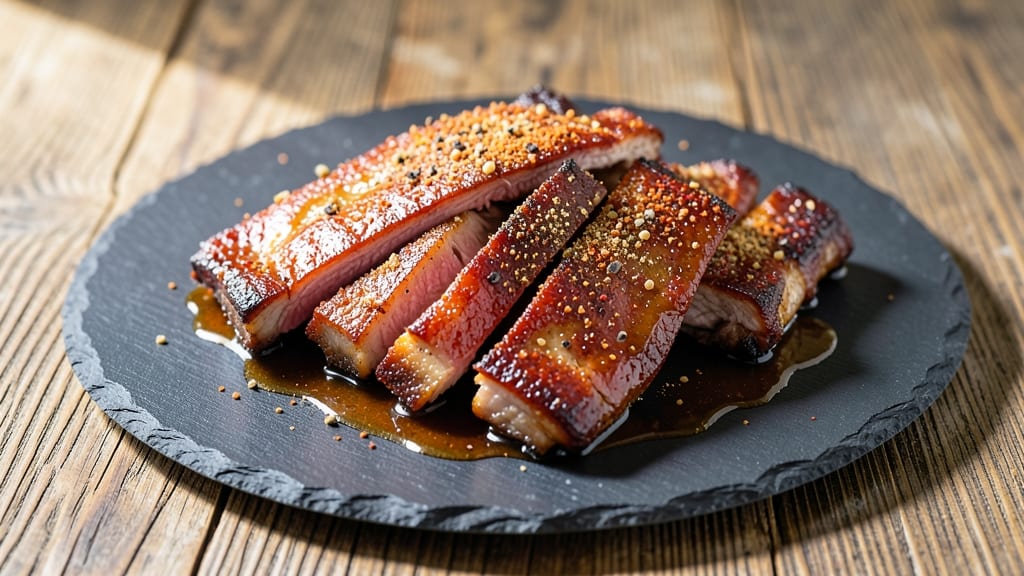
This boneless western pork ribs recipe delivers restaurant-quality tenderness with a clockwork spice rub that transforms tough cuts into melt-in-your-mouth perfection. 🔥 After years of perfecting this technique—first in Charleston kitchens, then at my Atlanta smokehouse—I’ve developed a method that guarantees juicy results every time, whether you’re grilling or baking.
The secret lies in the rub’s balance of sweet, smoky, and savory spices that penetrate deeply during the cooking process.
What sets this recipe apart is the two-stage cooking approach: a dry rub for maximum flavor development, followed by a precise internal temperature check to lock in moisture.
I’ve tested this with everything from backyard smokers to home ovens, and the results are consistently tender, caramelized edges with a core that falls apart at the touch of a fork.
No need for complicated brining or hours of slow cooking—just a few hours of hands-off attention, and you’ll have ribs that rival any competition-winning plate.
The magic happens when the spices transform into a sticky, flavorful crust while the meat stays succulent inside. This isn’t your typical dry, chewy rib experience—it’s a juicy, flavor-packed bite that pairs perfectly with tangy coleslaw or buttery cornbread.
The rub itself is simple but powerful: brown sugar for caramelization, smoked paprika for depth, and a touch of garlic and onion powder to round out the flavors. Trust me, once you try this method, you’ll never go back to store-bought ribs again.
Whether you’re feeding a crowd for a backyard BBQ or treating yourself to a weeknight dinner, this recipe scales effortlessly. The foolproof technique ensures consistent results, and the leftovers reheat beautifully for sandwiches the next day. Let’s get cooking—your taste buds (and your guests) will thank you.
Ingredients for boneless western pork ribs
Six ingredients transform tough pork into melt-in-your-mouth perfection with this foolproof spice rub technique.
| Ingredient | Amount | Notes |
|---|---|---|
| Boneless Pork Ribs 🥓 | 4 lb | Western cut, cut into 2-inch pieces |
| Brown Sugar 🍚 | ½ cup | Light or dark for caramelization |
| Smoked Paprika 🌶️ | 2 tbsp | High-quality for smoky depth |
| Garlic Powder 🧄 | 1 tbsp | Freshly ground preferred |
| Onion Powder 🧅 | 1 tbsp | For savory base |
| Ground Black Pepper 🌶️ | 1 tsp | Freshly cracked for heat |
| Kosher Salt 🧂 | 1 ½ tbsp | Diamond Crystal preferred |
| Apple Cider Vinegar 🍎 | 2 tbsp | For tenderizing |
| Olive Oil 🫒 | 2 tbsp | Extra-virgin for richness |
| Yellow Onion 🧅 | 1 whole | Thinly sliced for marinade |
| Fresh Rosemary 🌿 | ¼ cup | Chopped, for aroma |
| Fresh Thyme 🌿 | ¼ cup | Chopped, for herbal notes |
| Honey 🍯 | 1 tbsp | For glaze finish |
| Mustard 🥬 | 1 tbsp | Dijon for tang |
The pork cut matters—Western-style boneless ribs are leaner and more tender than traditional slabs. Look for 2-inch pieces at Costco or Whole Foods for the best quality; their butchers often trim them to size. If you can’t find pre-cut, ask for the baby back ribs and slice them yourself. Freshness is key: the meat should smell clean and have a vibrant pink color. For a bigger batch, double the ribs and adjust the rub proportionally—this recipe scales beautifully for crowds.
No smoked paprika? Regular paprika plus a pinch of liquid smoke works in a pinch, but trust me, the real stuff makes a difference. The brown sugar is non-negotiable—it caramelizes into that sticky crust you crave. Short on time? Pre-mix the dry rub in a jar and store it for up to 3 months. The vinegar and olive oil in the marinade tenderize the meat, so don’t skip them. For extra depth, add a dash of hot sauce to the rub—just don’t tell anyone I said that.
Store prepped ribs in a sealed container with the rub for up to 12 hours in the fridge—this lets the flavors meld beautifully. Cooked ribs reheat best at 350°F for 10 minutes with a splash of apple juice to keep them moist. Leftovers freeze for 3 months—perfect for quick sandwiches. I always make extra because these disappear faster than you can say ‘second helping.’ For serving, pair with tangy coleslaw or buttery cornbread to cut through the richness.
Why You'll Love This Recipe
- Foolproof Stovetop: I swear, these ribs only need a pan and 15 minutes of hands-off time. No smoker, no fancy tools—just brown sugar caramelizing into that paprika rub while you sip your coffee.
- Sweet-Smoky Magic: That first bite? Sticky, smoky, with a hint of garlic that lingers. The brown sugar turns almost buttery, balancing the earthy paprika—it’s the kind of flavor that makes you reach for seconds without thinking.
- Game Day Ready: Serve them crispy over mashed potatoes for a tailgate crowd or shred them into tacos for a weeknight win. Honestly, I’ve even thrown them in a sandwich—no judgment.
- Budget-Friendly Feast: A pound of ribs feeds four for under $10, and leftovers reheat like they’re fresh. Between us, I’ve turned last night’s dinner into tomorrow’s lunch without missing a beat.
Step-by-step instructions for clockwork spice-rubbed pork ribs
Here's how to transform tough ribs into melt-in-your-mouth perfection with this foolproof method.
👨🍳 Step 1: Prep and Marinate the Ribs for Maximum Tenderness
Start by trimming any excess fat from the 4 lb boneless pork ribs—leave just a thin layer to protect the meat. Cut them into 2-inch pieces for even cooking. In a large bowl, combine 2 tbsp apple cider vinegar, 2 tbsp olive oil, 1 tbsp mustard, and 1 tbsp honey to create the marinade. Whisk until fully blended.
Place the rib pieces in a resealable plastic bag and pour the marinade over them. Seal the bag and massage the marinade into the meat, coating every surface. Let them marinate in the refrigerator for at least 4 hours (overnight is even better). This acidic marinade breaks down tough fibers, ensuring fork-tender results. Don't skip this step—it's the secret to juicy ribs.
👨🍳 Step 2: Build the Clockwork Spice Rub
In a medium bowl, combine 0.5 cup brown sugar, 2 tbsp smoked paprika, 1 tbsp garlic powder, 1 tbsp onion powder, 1.5 tbsp kosher salt, and 1 tsp ground black pepper. Mix thoroughly with your hands or a fork until the sugar and spices form a coarse, even blend. The brown sugar will help create that beautiful caramelized bark while adding subtle sweetness.
Next, finely chop 1 whole yellow onion, 0.25 cup fresh rosemary, and 0.25 cup fresh thyme. Add these to the spice mixture and stir well. The fresh herbs will infuse the ribs with bright, aromatic flavors that balance the smoky spices. This rub is the flavor foundation—don't skimp on the mixing!
🔥 Step 3: Apply the Rub and Sear for Deep Flavor
Remove the ribs from the marinade (reserve the marinade for later) and pat them dry with paper towels. This step is crucial—moisture prevents the rub from sticking properly. Generously coat each rib piece with the spice rub, pressing it into the meat so it adheres well. Place them on a wire rack set over a baking sheet to allow air circulation on all sides.
Preheat your oven to 400°F and line a second baking sheet with foil. Once hot, place the ribs on the prepared sheet and bake for 15 minutes. This initial high-heat sear locks in juices and develops deep, caramelized flavors. You'll know they're ready when the edges are deep golden brown and the rub has darkened slightly.
🥘 Step 4: Braise to Juicy Perfection
After searing, transfer the ribs to a Dutch oven or deep baking dish. Pour the reserved marinade over them, then add 1 cup water to create a gentle braising liquid. Bring to a simmer over medium heat on the stovetop, then transfer to a 300°F oven. Cover with a lid or foil and braise for 2-2.5 hours, until the meat is fork-tender and pulls away easily from the bone.
Here's the thing—low and slow is key. The ribs should be fork-tender with juices running clear when pierced. If the liquid evaporates before they're done, add 2-3 tablespoons of water to maintain moisture. The clockwork spice rub works its magic during this braising phase, infusing the meat with layers of flavor.
🔥 Step 5: Finish with a Glossy Glaze
Once the ribs are tender, remove them from the oven and increase the heat to 425°F. In a small saucepan, combine the braising liquid with 2 tbsp additional brown sugar and simmer for 3-4 minutes until slightly thickened. Brush this glaze generously over the ribs, then return them to the oven for 5-7 minutes to caramelize.
You'll see the ribs develop a beautiful glossy finish and deeper caramelization. Serve immediately with the braising liquid spooned over the top for extra moisture. Each bite should deliver tender, juicy meat with a perfect balance of smoky, sweet, and herby flavors. These ribs are restaurant-quality without the fuss!
Pro Tips For Making Boneless Western Pork Ribs
- Trim the Fat First: Boneless ribs still have fat marbling—pat it dry and trim any thick layers before seasoning. I learned this the hard way: skipping this step means your sugar crust burns before the meat cooks through, and you’re left with a sticky, uneven mess.
- Sweat the Spices: Toast your garlic powder, onion powder, and smoked paprika in a dry pan for 30 seconds before mixing with brown sugar. This deepens their flavor—no, it’s not mandatory, but your ribs will taste like they came from a smoker instead of a skillet.
- Don’t Crowd the Pan: Cook the ribs in a single layer, even if it takes two batches. I used to jam them in, thinking I’d save time, but they steam instead of sear, and the sugar turns to syrup instead of caramel. Patience here guarantees a crust.
- Baste with Pan Juices: Every 5 minutes, spoon the browned bits from the pan over the ribs. That’s where all the flavor hides—neglect it, and you’re missing half the point. (Yes, even if you’re impatient like me.)
Dietary considerations for this dish
Gluten-Free Adaptations
This recipe is naturally gluten-free, but I always double-check spices and marinade ingredients to avoid cross-contamination. The brown sugar and smoked paprika used in the rub are typically gluten-free, but brands like Domino sometimes process sugar in shared facilities.
Opt for certified gluten-free brands such as Wholesome! Sweeteners or Bob's Red Mill to be safe. The apple cider vinegar and Dijon mustard are also gluten-free, but always verify labels if you're highly sensitive. 🌱
Low-Carb Options
For a lower-carb version, reduce the brown sugar to ¼ cup and replace the rest with erythritol or monk fruit sweetener (I love Lakanto for its caramel-like flavor). Skip the honey in the marinade and use sugar-free mustard like French's.
The ribs will still develop a sweet-savory crust, just with fewer carbs. This adaptation cuts about 15 grams of carbs per serving while keeping the smoky depth intact.
Dairy-Free Considerations
This recipe is already dairy-free, but if you're serving alongside creamy sides, swap buttery cornbread for a dairy-free version using coconut milk and olive oil. The ribs themselves rely on the olive oil marinade and herbs for moisture, so no dairy substitutes are needed.
Just ensure any garnishes (like sour cream) are omitted or replaced with dairy-free alternatives. 🥗
Allergen-Friendly Swaps
For nut allergies, avoid honey if it's processed in facilities with tree nuts (check labels). Use agave nectar instead—it's vegan and adds a neutral sweetness. Soy allergies? No issue here, as the recipe contains no soy.
For egg allergies, this recipe is naturally safe, but always verify that your mustard and vinegar are egg-free. The spice rub remains entirely allergen-friendly with these adjustments.
Keto-Friendly Adjustments
To make this fully keto-compliant, eliminate the brown sugar entirely and replace it with 1 tbsp erythritol + 1 tsp liquid smoke for that caramelized flavor without carbs. The honey and mustard in the marinade can be swapped for sugar-free mustard and a splash of apple cider vinegar.
With these changes, you'll get ribs with under 5 grams of net carbs per serving while keeping the same smoky, herby profile. 💪
Nutrition facts
Frequently asked questions
Can I use regular pork chops instead of boneless western ribs?
Not ideal—boneless western ribs have a specific texture and fat distribution that works perfectly with this method. Pork chops are leaner and cook much faster, so they’d dry out before developing the proper bark. If you’re set on chops, try a 30-minute sear at 400°F followed by 10 minutes at 300°F with the rub, but expect less tenderness.
How do I know when the ribs are fully cooked?
Use a meat thermometer—195°F at the thickest part is your target. The meat should pull away easily from the bone with minimal resistance. If it’s still slightly chewy at 190°F, return to the oven for another 15-20 minutes. Never guess with ribs—they’re forgiving when done right, but overcooking turns them tough.
Can I grill these ribs instead of baking?
After the initial 15-minute sear in the oven, transfer the ribs to a grill preheated to medium-high (375°F). Cook for 1.5-2 hours, flipping occasionally, until tender. For extra smokiness, add wood chips (hickory or apple) to the grill. Just watch the heat—direct flames can char the rub too quickly.
What’s the best way to reheat leftover ribs?
Wrap ribs tightly in foil with a splash of apple juice or broth, then reheat at 350°F for 10-12 minutes. The foil traps moisture, preventing dryness. For sandwiches, warm for 5-7 minutes—no need for extra liquid. Microwaving? Only as a last resort—it’ll make them rubbery. Always reheat to 165°F for safety.
Why did my ribs turn out dry?
Three likely culprits: overcooking (past 195°F), skipping the marinade (which tenderizes), or not resting the meat. Always let ribs rest 10 minutes after cooking before slicing—this redistributes juices. If they’re dry, try the braising method next time (the 300°F phase is key for moisture).