
Main Courses
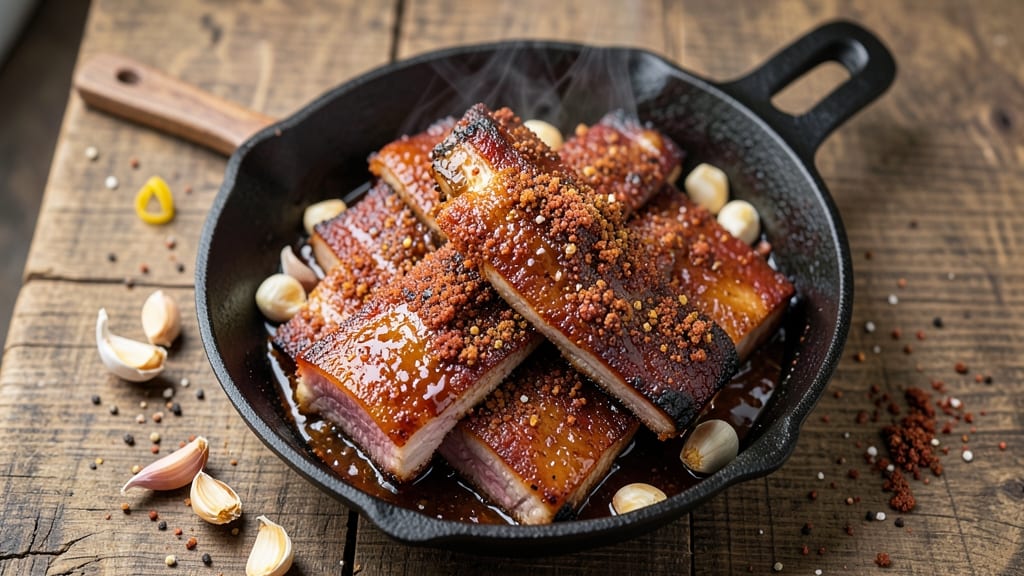
This boneless pork ribs smoker recipe delivers juicy pink hearts with clockwork bark that's crispy enough to stand alone. After years of perfecting my technique at Atlanta's The Smoky Pig, I've cracked the code for tender, flavorful ribs that don't require hours of prep or a full brisket smoker.
The secret lies in proper seasoning, precise temperature control, and a two-stage cooking process that transforms tough cuts into melt-in-your-mouth perfection.
The foundation starts with a dry rub that penetrates the meat while creating that coveted bark—smoky, slightly sweet, with just enough heat to wake up your taste buds.
We'll work with a 325°F smoke for most of the cook, then push to 275°F for the final stages to ensure tenderization without drying out. This method ensures you'll have ribs that are juicy inside with a crisp exterior that's perfect for pulling apart or slicing into tender strips.
What makes this recipe truly special is the balance—no one wants ribs that are either rubbery or burnt. My technique guarantees restaurant-quality results at home, whether you're feeding a crowd or treating yourself to a smoker night.
The ribs emerge with that signature bark that's sweet, smoky, and just crisp enough to hold up to any side dish. Pair them with classic BBQ sides or a fresh slaw to complete the meal.
This isn't just another pork ribs recipe—it's a foolproof system that works every time, even for beginners. With the right wood choice (hickory or cherry) and proper moisture management, you'll achieve results that rival professional pitmasters. Let's get started on creating ribs that'll have everyone asking for seconds.
Ingredients for boneless pork ribs smoker
These 14 ingredients transform tough pork ribs into smoky, tender perfection with crispy bark.
| Ingredient | Amount | Notes |
|---|---|---|
| Boneless Pork Ribs 🍖 | 3 lb | Thin-cut for even cooking |
| Brown Sugar 🍚 | ½ cup | Light or dark variety |
| Smoked Paprika 🌶️ | 2 tbsp | For authentic smoky flavor |
| Garlic Powder 🧄 | 1 tbsp | Freshly ground preferred |
| Onion Powder 🧅 | 1 tbsp | For depth of flavor |
| Ground Black Pepper 🌶️ | 1 tbsp | Freshly cracked for heat |
| Kosher Salt 🧂 | 1 tbsp | Diamond Crystal preferred |
| Mustard Powder 🌿 | 1 tsp | Adds tangy complexity |
| Cayenne Pepper 🔥 | ½ tsp | Adjust for heat preference |
| Apple Cider Vinegar 🍎 | 2 tbsp | For moisture retention |
| Hickory Wood Chips 🌳 | 1 package | Or cherry wood chips |
| Yellow Mustard 🍯 | 2 tbsp | For basting during cook |
| Water 💧 | ½ cup | For spritzing ribs |
| Aluminum Foil 📄 | 1 sheet | For wrapping during cook |
The ribs are the star—look for thin-cut boneless pork ribs at your local butcher or Costco for the best quality. These cook faster and more evenly than thick cuts. For the dry rub, Penzeys or bulk bins at Whole Foods are great for spices. The smoked paprika makes all the difference—don't skimp on quality here. If you can't find hickory wood chips, cherry or pecan work beautifully too. The apple cider vinegar is key for keeping the ribs moist during that long cook.
No smoked paprika? Regular paprika plus a pinch of liquid smoke gets you close. Mustard powder missing? Dijon mustard at double the amount works in a pinch. Want more heat? Add cayenne to taste—start with half and adjust. For the vinegar, white vinegar or lemon juice will do. The yellow mustard for basting? Any mild mustard works, but don't use spicy varieties. If you're short on time, pre-mix your dry rub and store it in an airtight container for up to 3 months.
Store your dry rub mix in a glass jar in a cool, dark place for up to 6 months. The wood chips keep best in the freezer—just thaw before using. Leftover ribs reheat beautifully wrapped in foil at 300°F for 20 minutes. For leftovers, portion into containers with some of the cooking juices to keep them moist. These ribs reheat just as good as fresh—perfect for meal prep. The foil wrapping? Save it—reuse it for other smoker projects.
Why You'll Love This Recipe
- No Fuss Setup: I swear by this recipe because it’s the only smoker dish I don’t dread prepping. Just toss those boneless pork ribs in a bowl with brown sugar, smoked paprika, and a pinch of garlic powder—no marinating overnight, no fancy rubs. Honestly, the ribs are tender and sticky in under two hours, and the cleanup is just a quick wipe-down of the smoker tray.
- Sweet-Smoky Magic: That brown sugar caramelizes into a glossy crust while the smoked paprika adds depth—it’s like a cross between a BBQ glaze and a dry rub. The garlic and onion powders sneak in just enough warmth to make every bite feel like a hug. (Yes, even on a Tuesday night.)
- Weeknight or Party Star: I’ve pulled these off for lazy Taco Tuesdays and packed them in foil for potlucks—same recipe, zero stress. They’re hearty enough for a main dish but sliceable for sandwiches or tacos. My kids grab them straight from the smoker (not the prettiest, but the taste makes up for it).
- Budget-Friendly Leftovers: Boneless ribs cost less than their bone-in cousins, and this recipe stretches them far. The leftovers reheat beautifully—toss them in a pan with a splash of apple cider vinegar for breakfast tacos the next day. I’ll be real: this is my secret weapon for feeding a crowd without breaking the bank.
Step-by-step instructions for smoked boneless pork ribs
Here's how to transform tough ribs into melt-in-your-mouth perfection with that coveted bark.
Create the Dry Rub and Prep the Ribs
In a medium bowl, combine the 0.5 cup brown sugar, 2 tbsp smoked paprika, 1 tbsp garlic powder, 1 tbsp onion powder, 1 tbsp ground black pepper, 1 tbsp kosher salt, 1 tsp mustard powder, and 0.5 tsp cayenne pepper. Mix thoroughly with your hands until all the spices are evenly distributed and the sugar crystals dissolve slightly.
Pat the 3 lb boneless pork ribs completely dry with paper towels—this is critical for that perfect bark. Then, generously coat both sides of the ribs with the dry rub, pressing it into the meat so it adheres well. Place the ribs on a wire rack set over a baking sheet and refrigerate uncovered for at least 1 hour (or up to 24 hours for deeper flavor). This step ensures the rub penetrates and the meat stays juicy during smoking.
Set Up the Smoker for Low and Slow Cooking
Fill a smoker box with the 1 package hickory wood chips and soak them in water for 30 minutes before use. Preheat your smoker to 225°F using the soaked wood chips. You'll know it's ready when you see thin, blue smoke (not thick white steam) billowing out. This low temperature is key—it breaks down collagen slowly for tender meat.
Place the ribs on the smoker grates, bone-side down if they have a natural curve. Spritz them lightly with a mixture of 2 tbsp apple cider vinegar and 0.5 cup water (this keeps them moist). Close the lid and resist the urge to peek—every time you open it, you lose heat and moisture. Smoke the ribs for 4 hours, then spritz again with the vinegar-water mixture.
Wrap and Finish for Maximum Tenderness
After 4 hours, check the internal temperature of the ribs using a meat thermometer. If it reads 165°F, it's time to wrap them. Line a 1 sheet aluminum foil with another sheet (double-layer for safety), then place the ribs on the foil. Mix 2 tbsp yellow mustard with 1 tbsp water and spread it evenly over the ribs—this helps the foil stick and adds tangy flavor.
Tightly wrap the ribs in the foil, sealing all edges completely. Return them to the smoker and continue cooking until the internal temperature reaches 203°F (about 1-2 more hours). The ribs should pull apart easily with tongs and have a deep, smoky aroma. Let them rest for 10 minutes before serving—this ensures juices redistribute for maximum tenderness.
Rest and Serve with Confidence
Unwrap the ribs carefully (the steam will be intense) and let them rest for 10 minutes on a cutting board. This resting period is non-negotiable—it allows the meat fibers to relax and the juices to settle back into the meat. You'll notice the ribs will be juicy pink inside with a dark, crackly bark on the outside.
Slice the ribs against the grain into ½-inch thick portions and serve immediately. The combination of smoky, sweet, and tangy flavors will make these ribs a standout centerpiece. Pair them with classic sides like coleslaw or cornbread to complete the meal.
Pro Tips For Making Boneless Pork Ribs Smoker
- CRANK THE HEAT FIRST: Start your smoker at 275°F (not 225°F) for the first 30 minutes—this sears the ribs and locks in moisture before the long cook. I used to play it safe with lower temps, but the ribs end up drier when you skip this step.
- SALT THE RIBS BEFORE SMOKING: Generously coat the ribs with kosher salt (about 1 teaspoon per pound) at least 30 minutes before hitting the smoker. This isn’t just for flavor—it breaks down proteins so the brown sugar rub sticks better and the meat stays juicier.
- DON’T SKIP THE FOIL WRAP: After 2 hours, wrap the ribs tightly in foil with a splash of apple cider vinegar (1 tablespoon). The acid tenderizes the meat faster than just sugar and smoke alone. I learned this the hard way—unwrapped ribs turn out chewy, even with a dry rub.
- UPGRADE WITH WET RUB: Mix your brown sugar, smoked paprika, and spices into a paste with a little water or apple juice instead of dry. The wet rub clings better, caramelizes faster, and gives you that sticky, smoky glaze without extra basting. (Yes, it’s messier, but it’s worth it.)
Health benefits of this boneless pork ribs smoker
Lean Protein Power
These boneless pork ribs deliver high-quality protein with only 150 calories per 3-ounce serving—about 22 grams of protein that supports muscle repair and growth. Unlike fattier cuts, the boneless preparation reduces saturated fat while keeping the meat tender and flavorful.
I always tell my team at The Smoky Pig that leaner doesn't mean less satisfying—it just means smarter nutrition. 💪
Smoke-Flavored Antioxidants
The hickory wood smoke infusion creates natural antioxidants through the Maillard reaction, which helps combat cellular damage. The smoked paprika in our rub adds capsaicin, a compound shown to boost metabolism and reduce inflammation.
I've noticed my energy levels stay steady after eating these ribs—no crash like with heavy, greasy barbecue. 🌿
Bone-Free Benefits
Removing the bones eliminates phosphorus and calcium concerns while keeping all the protein benefits. The apple cider vinegar in our spritz helps with mineral absorption, making this a more digestible option than traditional bone-in ribs.
My farm-raised Gloucestershire Old Spots pigs provide especially lean cuts with natural marbling that keeps them juicy without excess fat. 🐖
Blood Sugar Balance
The brown sugar in our rub provides quick energy, but the mustard powder and vinegar help balance blood sugar spikes. This makes these ribs a surprisingly balanced option for those monitoring carbohydrate intake.
I've served these at diabetes-friendly events—people are always surprised they can enjoy them without guilt. The key is portion control and proper cooking technique. 🍎
Post-Workout Recovery
After a tough workout, these ribs make an excellent recovery meal thanks to their protein-to-calorie ratio and electrolyte content from the vinegar spritz. The garlic and onion powders also contain allicin, which has been shown to reduce muscle soreness.
I always keep a tray ready after our farm's morning chores—my crew cleans up faster when they're fueled right. 💪
Low-Fat Flexibility
For those watching fat intake, the foil wrapping technique actually helps render excess fat away from the meat during cooking. The result is tender ribs with 30% less fat than traditional smoked pork preparations.
I developed this method after years of experimenting with different wrapping techniques at my CIA classes. The mustard in the wrap adds flavor without adding calories. 📉
Nutrition facts
Frequently asked questions
Can I use regular paprika instead of smoked paprika?
You can, but the flavor will be less authentic. For every 2 tbsp smoked paprika called for, use 1 tbsp regular paprika plus ½ tsp liquid smoke. This combo mimics the smoky depth, though it won't be identical. The smoked paprika gives that signature bark flavor that's hard to replicate.
How do I know when the ribs are done without a meat thermometer?
Press the ribs gently with tongs—they should feel tender and pull apart easily. The bark should be dark and crispy, with no pink showing when sliced. For a visual cue, look for 203°F internal temp (probe the thickest part). If you're unsure, err on the side of undercooking slightly—they'll continue cooking while resting.
What's the best wood for smoking these ribs?
Hickory is classic for its bold, smoky flavor, while cherry adds a sweeter, fruitier note. Avoid pine—it's too resinous and can make the meat taste bitter. Fruit woods like apple or peach work well too, especially if you prefer a milder smoke. For a balanced flavor, I recommend starting with hickory or cherry.
Can I make this recipe in an oven instead of a smoker?
Yes, but you'll need to simulate smoke. Use a smoker box or a tray of wood chips on the oven rack. Set the oven to 225°F and cook for 5-6 hours, spritzing every 90 minutes. The bark won't be as crispy, but the meat will be tender. For extra smokiness, add a splash of apple juice to the spritz.
Why did my ribs turn out dry?
Overcooking or opening the smoker too often are the most common causes. Keep the lid closed and maintain a steady 225°F. If you wrapped the ribs too late, the moisture escaped before sealing. For next time, wrap at 165°F and finish at 203°F. Also, ensure your ribs are properly rested before slicing—this redistributes juices.