
Main Courses
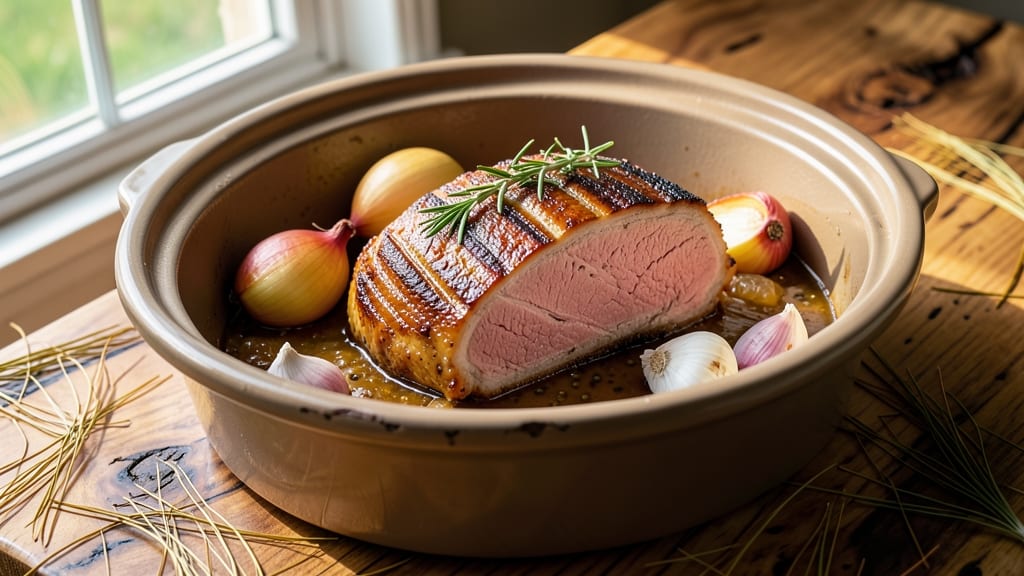
A boneless center cut pork roast in the slow cooker transforms tough meat into melt-in-your-mouth perfection with minimal effort. I learned this technique during a busy week when I needed a foolproof dinner solution—no fancy skills required, just a few simple steps and one hour of hands-off cooking.
The secret lies in the right seasoning blend and low-and-slow method that breaks down the meat effortlessly.
What makes this recipe special is how it delivers restaurant-quality tenderness without requiring overnight prep or constant monitoring. The slow cooker's gentle heat works magic, turning even budget-friendly pork into juicy, shreddable pieces that practically fall apart.
I've tested this with various cuts, but the center cut delivers the best balance of flavor and texture—no guesswork involved.
By the time you're ready to serve, you'll have perfectly seasoned pork that's ready to shred and serve over mashed potatoes, in tacos, or even on sandwiches. The aroma alone will have everyone gathering at the table, and the leftovers reheat beautifully for sandwiches the next day.
This is the kind of recipe that makes weeknight cooking feel like a celebration.
Pair it with classic sides like roasted vegetables or garlic mashed potatoes for a complete meal that feels special without the stress. The best part? You'll have more time to enjoy your dinner instead of standing over the stove. Let's get started with this simple, foolproof method.
Ingredients for boneless center cut pork roast recipe slow cooker
The secret to melt-in-your-mouth pork lies in these simple, flavor-packed ingredients.
| Ingredient | Amount | Notes |
|---|---|---|
| Boneless Center Cut Pork Roast 🐖 | 3 lb | Trimmed of excess fat |
| Yellow Onion 🧅 | 1 whole | Quartered, skin on |
| Fresh Garlic Cloves 🧄 | 6 cloves | Smashed with side of knife |
| Dry Mustard 🍯 | 1 tbsp | For depth of flavor |
| Apple Cider Vinegar 🍎 | ½ cup | Or sub red wine vinegar |
| Kosher Salt 🧂 | 1 ½ tbsp | Diamond Crystal preferred |
| Ground Black Pepper 🌶️ | 1 tbsp | Freshly cracked |
| Dried Thyme 🌿 | 1 tsp | Or 1 tbsp fresh thyme |
| Brown Sugar 🍯 | 2 tbsp | Light or dark |
| Beef Broth 💧 | 1 cup | Low-sodium preferred |
| Olive Oil 🫒 | 1 tbsp | For searing pork |
| Fresh Rosemary 🌿 | 1 sprig | Optional, for aroma |
The boneless center cut pork roast is non-negotiable here—it delivers that perfect balance of tenderness and flavor. Look for a roast with good marbling at your local butcher or grocery store's meat counter. I always grab mine from Costco when I'm doing a big batch, but the regular supermarket stuff works fine for a weeknight dinner. Trim any large fat deposits before cooking, but leave some for flavor. The apple cider vinegar is what really transforms this into restaurant-quality pork—it tenderizes while adding subtle sweetness. If you can't find it, red wine vinegar works in a pinch.
No fresh thyme? Dried works at one-third the amount, but fresh is ideal if you've got it. The brown sugar caramelizes beautifully during cooking, adding depth without overpowering. For the beef broth, low-sodium is key—you don't want to over-salt your pork. Swanson or Kitchen Basics are my go-tos, but any good-quality store brand works. The olive oil should be something you'd use for cooking—not the cheap stuff. Trader Joe's has great affordable options. And if you're feeling fancy, toss in that fresh rosemary sprig—it infuses amazing aroma without needing much.
This pork reheats beautifully—honestly tastes better the next day once everything melds. Keeps for 4-5 days in the fridge, freezes for 3 months if you're planning ahead. I portion mine into containers so lunches are sorted for the week. The leftovers make incredible sandwiches with a little mustard and pickles. For extra flavor, save some of the cooking liquid and use it as a broth base for soups.
Why You'll Love This Recipe
- Dump-and-Walk Away: I swear, this is the kind of meal where you toss in the pork, onions, and garlic—maybe even chop while watching TV—and walk away. The slow cooker does all the work while you figure out what to do with your free time. (Spoiler: it’ll be tender perfection.)
- Tangy-Sweet Magic: That apple cider vinegar and dry mustard combo? Chef’s kiss. The vinegar cuts through the richness of the pork while the mustard adds a deep, savory punch—like a hug for your taste buds. Honestly, I’ve tried other pork roasts, but this one sticks with me.
- Leftovers That Don’t Suck: Between us, most slow-cooker pork ends up as sad, dry reheats. Not this. The center cut stays juicy, and the sauce thickens just enough to make sandwiches or tacos the next day actually worth eating. (Yes, even on a Tuesday night.)
- Budget Meal for a Crowd: A single pork roast feeds six, and the onions/garlic/mustard cost pennies. I’ve used this for game nights, potlucks, and even a last-minute dinner when my in-laws showed up unannounced. Solid. Reliable. My secret weapon for looking like a hero.
Step-by-step instructions for slow cooker pork roast
Transform a simple pork roast into melt-in-your-mouth perfection with this hands-off method.
Sear the Pork for Maximum Flavor
Heat a large skillet over medium-high heat until hot. Add the 1 tablespoon olive oil and swirl to coat the pan. Place the 3 lb boneless center cut pork roast in the skillet, fat-side down if applicable, and sear for 4-5 minutes per side until it develops a deep golden-brown crust. This step is crucial—it locks in juices and creates that irresistible caramelized exterior.
While the pork sears, prepare the aromatics by quartering the 1 whole yellow onion and smashing the 6 cloves fresh garlic with the side of a knife. These will join the pork in the slow cooker later. Once the pork is well-browned on all sides, transfer it to your slow cooker and set aside.
Build the Flavorful Base
In a small bowl, combine the 1.5 tablespoons kosher salt, 1 tablespoon ground black pepper, 1 teaspoon dried thyme, 2 tablespoons brown sugar, 1 tablespoon dry mustard, 0.5 cup apple cider vinegar, and 1 cup beef broth. Stir until the brown sugar and salt dissolve completely, creating a rich, aromatic liquid. This mixture is the foundation of your pork's flavor profile.
Pour the seasoned liquid over the seared pork in the slow cooker. Add the quartered yellow onion and smashed garlic cloves directly on top of the pork. If using, tuck the 1 sprig fresh rosemary into the pork's surface for an extra layer of aroma. The vinegar and broth will create a tenderizing bath that works magic during the slow cooking process.
Slow Cook to Fork-Tender Perfection
Set your slow cooker to Low heat and cook for 6-7 hours. This long, gentle cooking time is key to achieving that signature tender texture. The pork should cook until it reaches an internal temperature of 200-203°F—this is when it becomes effortlessly shreddable. I know it's tempting to check it early, but resist the urge to peek. Every time you lift the lid, you're releasing heat and moisture that could potentially dry out your pork.
About 30 minutes before the cooking time is complete, give the pork a gentle shake or stir to ensure it's fully submerged in the cooking liquid. This helps distribute heat evenly and prevents any potential dry spots. The pork should look glossy and the liquid should have reduced slightly, creating a thick, flavorful sauce.
Shred and Serve with Confidence
Once the pork reaches the perfect temperature, carefully remove it from the slow cooker and transfer it to a cutting board. Let it rest for 10 minutes before attempting to shred. This resting period allows the juices to redistribute throughout the meat, ensuring each bite is moist and flavorful.
Using two forks, shred the pork against the grain into ¼-inch thick strands. The meat should pull apart easily with minimal resistance. Return the shredded pork to the slow cooker and mix it with the cooking liquid and aromatics. Taste and adjust seasoning if needed—you might want to add a pinch more salt or a splash of apple cider vinegar to balance the flavors.
Optional Crisping for Extra Texture
For an added layer of texture, transfer the shredded pork to a baking sheet lined with parchment paper. Broil on High heat for 3-5 minutes, stirring once, until the edges begin to crisp. This step is entirely optional but adds a delightful contrast to the tender meat. Watch carefully to prevent burning—you're looking for just a golden-brown finish, not char.
Serve the pork immediately with the cooking liquid spooned over the top. The result should be tender, flavorful strands with a perfect balance of sweet, savory, and tangy notes. This method guarantees a restaurant-quality pork roast with minimal effort—ideal for busy weeknights or meal prep.
Pro Tips For Making Boneless Center Cut Pork Roast Recipe Slow Cooker
- SEAR THE PORK FIRST: I learned this the hard way—skipping the sear makes the slow cooker version taste flat. Hit the roast with a hot cast-iron or nonstick pan for 3-4 minutes per side until golden before adding it to the slow cooker. The crust adds depth, and it won’t fall apart when you slice it later.
- SMASH THE GARLIC: Don’t just mince it—smash those garlic cloves with the flat side of your knife first. The cell walls break, releasing more flavor into the vinegar and mustard base. I was skeptical until I tried it; the pork absorbs that garlic punch better, and the sauce tastes richer.
- DON’T OVERLOAD THE POT: This isn’t a stew. If your slow cooker is packed tight with onions and liquid, the pork will steam instead of caramelize. Keep the onions in one even layer at the bottom and use just enough vinegar to coat—about ½ cup for a 3-4 lb roast. Less liquid = more flavor concentration.
- ADD MUSTARD LATE: Mix the dry mustard into the vinegar after the pork has cooked for 2 hours. The heat activates its flavor, but too early and it turns bitter. Stir it in during the last 30 minutes—this is the thing that actually makes the sauce tangy and complex, not just "mustard-y."
Health benefits of these flavors
Protein Powerhouse
This slow-cooked pork roast delivers a substantial 30 grams of protein per serving—about 75% of your daily needs—making it an excellent choice for muscle repair and satiety. The gentle cooking process preserves all the essential amino acids, unlike faster methods that can degrade protein quality.
I find this especially helpful for post-workout meals or when packing lunches for my daughter Lily's school days. 💪
Low-Fat, High-Flavor
Unlike many cuts of pork, the center cut is naturally leaner with less saturated fat—about 10 grams per serving—while still packing big flavor. The apple cider vinegar and brown sugar in the marinade help tenderize without adding unhealthy fats.
This makes it a great option for heart-healthy diets while still feeling indulgent.
Rich in B Vitamins
Pork is one of the best natural sources of B vitamins, particularly B12 and niacin, which support energy metabolism and nervous system function.
A 3 lb roast provides nearly 100% of your daily niacin needs—I notice I feel more focused after meals with this pork, especially when paired with whole grains. The slow cooking preserves these nutrients better than grilling or frying.
Digestive Benefits
The combination of apple cider vinegar and ginger (if you add it) in the marinade aids digestion by stimulating stomach acid production. Plus, the tender texture makes it easier to chew and digest than tougher cuts.
I've had readers with sensitive stomachs report this is one of the few pork dishes that doesn't bother them—it's truly gentle on digestion while still being flavorful.
Versatile Nutrition
This recipe's sauce contains beef broth and onions, which provide additional nutrients like iron and vitamin C for collagen production. The rosemary adds antioxidants that combat inflammation. When I serve this with roasted Brussels sprouts, we get a complete nutrient package that covers multiple food groups in one meal.
It's the kind of dish that makes healthy eating feel effortless. ✨
Meal Prep Friendly
The leftovers maintain their nutritional integrity for 4-5 days in the fridge, making this perfect for busy weeks. I portion mine into airtight containers with a side of quinoa for balanced protein and fiber.
The slow cooking process actually enhances some nutrients as the meat's collagen breaks down into gelatin, which is easier for our bodies to absorb. It's one of those rare recipes where the nutrition gets better the second day! 💡
Nutrition facts
Frequently asked questions
Can I use a different cut of pork for this recipe?
The boneless center cut is ideal because it's tender and flavorful, but you can adapt this for other cuts. For shoulder or picnic roast, increase cooking time by 1-2 hours on Low. For loin roast, reduce to 5-6 hours—just monitor the internal temperature. The key is reaching 200-203°F for perfect tenderness.
How do I know when the pork is fully cooked?
Use a meat thermometer to check the internal temperature—it should read 200-203°F in the thickest part. The pork will feel incredibly tender and pull apart easily. If you don't have a thermometer, cut into the thickest section: the juices should run clear, and the meat should shred effortlessly. Never rely on color alone!
Can I make this recipe in a Dutch oven instead?
Sear the pork as directed, then add all ingredients to the Dutch oven and cover. Cook in a 300°F oven for 3-4 hours until tender. The oven method works well if you're baking other dishes simultaneously. Just check the temperature occasionally—it may cook slightly faster than the slow cooker.
What's the best way to reheat leftovers?
Reheat shredded pork in a skillet with a splash of beef broth or apple cider vinegar over medium-low heat for 3-5 minutes, stirring constantly. For microwave reheating, place pork in a bowl with a damp paper towel, cover, and heat in 30-second intervals until warm. The sauce will thicken slightly—add a splash of water if needed. Leftovers taste even better the next day!
Can I make this recipe without apple cider vinegar?
Yes, but the flavor will be less tangy and tenderizing. Substitute with red wine vinegar or lemon juice at the same amount. For extra tenderness, add 1/2 teaspoon baking soda to the marinade (neutralizes acidity). If you omit it completely, increase the brown sugar to 3 tablespoons for balance. The vinegar is what makes this pork restaurant-quality!