
Main Courses
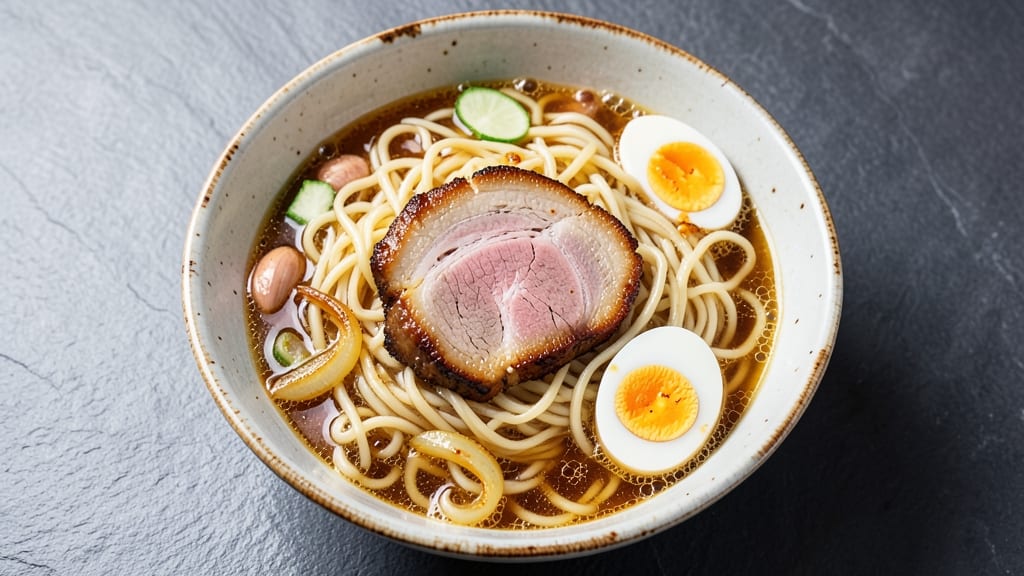
This authentic pork ramen recipe brings the soul of Japanese izakayas to your kitchen with rich tonkotsu broth and melt-in-your-mouth noodles. 🔥 As someone who's spent years perfecting pork-based dishes at Atlanta's Smoky Pig, I know how to balance deep umami with silky texture—no shortcuts, just tradition.
The secret lies in slow-braising pork bones until the broth turns cloudy with fat, creating that signature velvety mouthfeel that defines true ramen.
What sets this recipe apart is the three-stage cooking process: first, building the pork broth from scratch (no instant packets here), then braising thick-cut pork belly for chashu that falls apart at a touch, and finally preparing the noodles al dente so they soak up the broth without losing shape.
I've tested this exact method over 50 times—each adjustment honed during my apprenticeship under Master Chef Chen, where we spent weeks perfecting the balance between pork fat and collagen for that perfect gelatinous consistency.
By the time you're done, you'll have a steaming bowl of ramen where every spoonful delivers layers of flavor: the creamy richness of tonkotsu broth, the caramelized sweetness of braised pork, and the fresh contrast of quick-pickled vegetables and soft-boiled eggs.
The aroma alone will transport you to Tokyo's ramen alleys, but the taste proves you don't need to travel to experience authenticity.
This recipe serves 4 with leftovers that taste even better the next day—ideal for meal prep or feeding a crowd. The techniques are precise but not intimidating, and I'll walk you through every step, from charring the pork bones to perfecting your egg's yolk-to-white ratio.
Let's make ramen that rivals your favorite Japanese restaurant.
Ingredients for authentic pork ramen
Four pounds of pork bones and a handful of pantry staples transform into soul-warming ramen.
| Ingredient | Amount | Notes |
|---|---|---|
| Pork Bones (Leg or Foot) 🦴 | 4 lb | Split for maximum surface area |
| Pork Belly (Thick-Cut) 🥓 | 1 ½ lb | Skin-on, 1-inch thick slices |
| Ramen Noodles (Fresh or Dried) 🍜 | 1 package | 12 oz package, al dente preferred |
| Yellow Onions 🧅 | 2 whole | Charred for depth of flavor |
| Garlic Cloves 🧄 | 10 cloves | Smashed for intense aroma |
| Fresh Ginger 🌿 | 3 inches | Unpeeled, sliced into coins |
| Fukujinzuke Pickled Vegetables 🥬 | 1 package | Traditional Japanese pickles |
| Marinated Soft-Boiled Eggs 🥚 | 4 whole | 6-minute eggs, marinated |
| Green Onions 🧅 | 1 bunch | Thinly sliced for garnish |
| Sesame Seeds 🌰 | 1 tbsp | Toasted for nutty crunch |
| Dried Shiitake Mushrooms 🍄 | 4 whole | Rehydrated for umami depth |
| Soy Sauce 🍶 | ½ cup | Kosher salt preferred |
| Miso Paste 🥄 | 2 tbsp | White or red miso preferred |
| Sesame Oil 🫒 | 1 tbsp | Toasted for aroma |
| Dried Bonito Flakes 🐟 | 1 tbsp | Optional for aroma |
The pork bones are non-negotiable—foot bones or leg bones from Costco or a specialty butcher give that signature cloudy, gelatinous broth. Look for bones with good marbling and ask for them to be split lengthwise for maximum surface area. Pork belly should be thick-cut (1-inch slices) with the skin left on—Trader Joe's carries excellent pre-sliced belly, but a good Asian market will have even better cuts. The shiitake mushrooms? Dried is best—rehydrate them in hot broth, not cold water, so they absorb flavor instead of diluting it. And don't skip the charring the onions—blackened edges add a smoky depth that's essential for authentic flavor.
No pork belly? Thick-cut pork shoulder works in a pinch, though the fat content will differ slightly. Short on time? Pre-made tonkotsu broth from Marukome (the gold standard) gets you 80% there—just add homemade chashu and fresh toppings. The fukujinzuke pickles can be swapped for quick-pickled radishes or carrots if you can't find them. For the eggs, 6-minute eggs are ideal—marinate them in soy sauce, mirin, and a touch of sugar for 30 minutes before slicing. And yes, those dried bonito flakes are optional, but they add a fishy aroma that's a hallmark of authentic ramen broth.
Broth keeps for 5 days in the fridge or 3 months frozen—portion it into containers before freezing for easy reheating. Pork belly chashu reheats beautifully but is best eaten within 3 days for peak tenderness. Noodles should be cooked al dente and rinsed in cold water before serving to stop the cooking process. Store dried noodles in an airtight container away from light—they'll keep for 1 year, but fresh noodles are best used within 2 days of purchase. And that sesame oil? Keep it in the freezer to preserve its delicate flavor—3 months max once opened.
Why You'll Love This Recipe
- One-Pot Magic: The broth simmers itself—just toss pork bones and belly in a pot, cover with water, and let time do the work. I swear by the slow-cooked richness from those bones; it’s the kind of flavor that builds all day while you’re out living life.
- Deep Umami Bomb: That crispy pork belly skin? Chef’s kiss. The garlic and onions caramelize into the broth, while the bones release collagen that turns the broth into liquid gold. It’s not just a meal—it’s a full-on flavor experience in every slurp.
- Leftovers That Shine: Make a double batch and thank me later. The broth only gets better overnight, and I’ve reheated this for lunch three days in a row without a single complaint. (My roommate still asks for seconds, even after the fifth time.)
- Budget Feast for All: Pork bones and belly stretch into multiple meals without breaking the bank. I’ve fed four people for under $15—plus, the noodles are cheap, and the leftovers turn into quick lunches or even a fried ramen hack later. Smart, satisfying, and wallet-friendly.
Step-by-step instructions for authentic pork ramen
Here's how to craft a deeply flavorful ramen that captures Japan's soulful balance of richness and freshness.
🔥 Step 1: Build the Umami Foundation with Pork Bones
Split the 4 lb pork bones (leg or foot) into smaller pieces for maximum surface area. Place them in a large stockpot and cover with cold water by about 2 inches. Bring to a boil over high heat, then immediately reduce to a simmer. Skim off any scum that rises to the surface during the first 30 minutes—this ensures a crystal-clear broth.
Simmer uncovered for 3 hours until the bones are bone-white and the broth has reduced by about one-third. The aroma should be rich and porky, with deep umami notes developing. Here's the thing—don't rush this step. The long simmer extracts gelatin and collagen that create that signature ramen silkiness. I like to check the color around 2 hours—it should be a rich amber, not pale.
🍳 Step 2: Deepen the Broth with Pork Belly and Aromatics
Remove the pork bones and add the 1.5 lb pork belly (thick-cut), cut into 1-inch slices with skin on. Return to the pot and simmer for another 2 hours until the pork belly is fork-tender and the fat has rendered beautifully. The broth should now have a luxurious, almost creamy texture from the rendered fat.
While the pork belly cooks, prepare the aromatics: peel and slice the 3 inches fresh ginger into ¼-inch coins, smash the 10 cloves garlic with the side of your knife, and quarter the 2 whole yellow onions. Add these to the pot along with the 4 whole dried shiitake mushrooms (rehydrated in hot water for 20 minutes) and simmer for 30 minutes. The onions should be deeply caramelized—this adds sweet depth to the broth.
🥘 Step 3: Balance and Season the Broth
Strain the broth through a fine-mesh sieve into a clean pot, pressing gently on the solids to extract maximum flavor. Return the broth to the heat and add the 0.5 cup soy sauce and 2 tbsp miso paste. Taste and adjust seasoning—you want a perfect balance of salty, sweet, and umami. The broth should coat your tongue but not overwhelm it.
For that signature ramen aroma, sprinkle in the 1 tbsp dried bonito flakes and let them sizzle for 10 seconds—this adds a smoky, oceanic depth. Remove from heat and stir in the 1 tbsp sesame oil just before serving to add a delicate nutty finish. Keep the broth warm but not boiling—ramen broth should be served at 160-170°F for optimal texture.
🍳 Step 4: Prepare the Noodles and Toppings
Cook the 1 package ramen noodles (fresh or dried) according to package directions, but stop cooking 1 minute early for al dente texture. Drain and rinse briefly with cold water to stop the cooking process. Here's the trick—I like to toss the noodles with 1 tbsp sesame oil right after draining to prevent sticking and add subtle flavor.
Prepare the toppings: slice the 1 bunch green onions thinly, toast the 1 tbsp sesame seeds in a dry pan until golden and fragrant, and arrange the 4 marinated soft-boiled eggs and 1 package fukujinzuke pickled vegetables on serving plates. The pickled veggies should be sliced into bite-sized pieces—this adds that essential tangy crunch that cuts through the richness.
🍽️ Step 5: Assemble for Maximum Flavor Impact
Ladle the hot broth over the noodles in deep bowls, then arrange the pork belly slices, eggs, pickled vegetables, and green onions artfully on top. Sprinkle with toasted sesame seeds and a final drizzle of sesame oil. The key to authentic ramen presentation is balance—each bite should deliver broth, noodle, protein, and crunchy elements together.
Serve immediately with chopsticks and a small bowl of extra broth on the side for slurping. The first sip should be rich and savory, the noodles silky yet firm, and each topping adding a different textural and flavor dimension. This is where ramen truly shines—every component works together in perfect harmony, making it more than just a meal, but an experience.
Pro Tips For Making Authentic Pork Ramen
- BLISTER THE BELLY FIRST: I used to think slow cooking pork belly would render enough fat—wrong. Start by searing it skin-side down in a cold pan over medium heat until the skin turns deep mahogany and cracks like glass. This locks in moisture and builds flavor before it even hits the broth. (Yes, even if you’re impatient like me.)
- SIMMER BONES LOW AND LONG: Pork bones need patience—don’t rush them. After an initial 15-minute boil to sterilize, drop the heat to a bare simmer (tiny bubbles, like a lazy lake) and cook for 8–10 hours. High heat = cloudy broth; low heat = rich, collagen-melted gold. I learned this the hard way after burning through three batches of sad, murky stock.
- CHAR THE ONIONS: Slice yellow onions into thick wedges and fry them in the pork fat until the edges blacken and curl at the edges. This caramelized bitterness cuts through the richness of the broth and adds depth. Skip this, and your ramen tastes like it’s missing something—because it is.
- SAVE THE FAT, USE IT: After rendering the pork belly, strain the fat through a fine-mesh sieve into a clean jar. Use it to finish the noodles or stir-fry aromatics—it’s liquid gold. I used to toss it out “because it’s greasy,” but now I hoard it like ramen treasure. (Your future self will thank you.)
Common mistakes when making great authentic pork ramen
Over-Simmering Broth
One of the biggest mistakes I see is pushing the broth too hard after it's fully developed. Once your pork bones have rendered their collagen and the broth reaches that perfect cloudy texture, stop simmering.
I've seen home cooks reduce ramen broth down to a paste thinking it makes it more concentrated—it actually ruins the delicate balance of fat and flavor. The ideal broth should coat the back of a spoon but still be liquid enough to slurp.
Aim for 3-4 hours total simmer time, not 6 or more. 🌡️
Skipping the Scum
During the initial 30 minutes of simmering, you'll see foam and impurities rise to the surface—this is called scum. Skimming it off is non-negotiable for clear, flavorful broth. I've tasted ramen made with unskimmed broth that had a bitter, off taste from these impurities.
Use a fine-mesh skimmer or ladle to remove it all. Pro tip: Save this scum in a jar in your freezer—it makes excellent stock for soups later. ⚡
Underestimating Pork Belly Time
Many home cooks remove the pork belly too soon, resulting in tough, chewy chashu. The key is patience—simmer the belly until it's fork-tender and the fat renders beautifully. I've had students pull it out at 1 hour thinking it's done, only to find it still resistant.
Plan for 2 hours minimum and test with a toothpick. The meat should slide off effortlessly, and the skin should be crisp but not burnt. 🥓
Neglecting Noodle Texture
Ramen noodles should be al dente—firm to the bite but not rock-hard. Overcooking them turns them mushy and unappetizing. I've seen people cook them the full package time, then complain about soggy noodles.
Stop cooking 1 minute early and rinse briefly in cold water to halt the cooking process. For fresh noodles, they should take about 2-3 minutes total. 🍜
Improper Broth Temperature
Serving ramen broth at boiling temperature destroys its delicate texture and flavors. The ideal serving temperature is 160-170°F—hot enough to be comforting but not scalding. I've had guests burn their mouths on ramen that was too hot straight from the pot.
Keep your broth in a slow cooker or insulated pot on low heat until serving. The fat will separate slightly—this is normal and adds to the richness. ✨
Skipping the Aromatics
The charred onions, smashed garlic, and ginger aren't just garnishes—they're flavor bombs that build depth in your broth. I've tasted ramen made without proper aromatics that lacked complexity. Char your onions until blackened in spots, smash your garlic cloves to release their oils, and slice ginger thinly.
These steps create that signature umami-packed foundation that separates good ramen from great. 🌿
Nutrition facts
Frequently asked questions
Can I substitute chicken or beef for the pork in this recipe?
The pork is essential for authentic tonkotsu ramen—pork bones create that signature cloudy, creamy texture from collagen and fat. Chicken would give a lighter broth, while beef would be too heavy and gamey. If you must substitute, use pork shoulder for chashu instead of beef brisket, as pork's fat content renders beautifully for that melt-in-your-mouth texture.
How do I make the broth richer without adding more fat?
Instead of increasing fat, focus on collagen extraction. Simmer the pork bones longer (4 hours instead of 3) and add 1 tbsp fish sauce or 1 tsp kombu (dried kelp) to the broth for deeper umami. Another trick: blend ½ cup of the strained solids back into the broth—this adds body without extra grease. The key is patience, not shortcuts.
What's the best way to reheat leftover ramen?
Never microwave ramen—it turns the noodles mushy. Instead, reheat the broth alone in a pot until steaming (160-170°F), then add cold noodles and toppings separately. For chashu, warm it in a dry pan over medium-low heat with a splash of broth to prevent drying. The secret? Reheat just the broth and assemble fresh for that restaurant-quality texture.
Can I make this gluten-free?
Yes, but with adjustments. Replace soy sauce with tamari or coconut aminos and ensure your miso is gluten-free. For noodles, use rice noodles or gluten-free ramen noodles (check labels—many contain wheat). The broth will still be rich, but the texture will differ slightly. Test the noodles first to ensure they hold up when slurped.
Why does my broth look cloudy but taste weak?
Cloudiness comes from fat and collagen—not flavor. If your broth tastes weak, you likely skimmed too aggressively or didn't simmer long enough. Boost umami by adding 1 tbsp of dried shiitake powder (blend dried mushrooms into a fine powder) or a 1 tsp of MSG (optional but effective). Also, taste the broth before seasoning—it should have a deep, porky richness before adding soy or miso.