
Main Courses
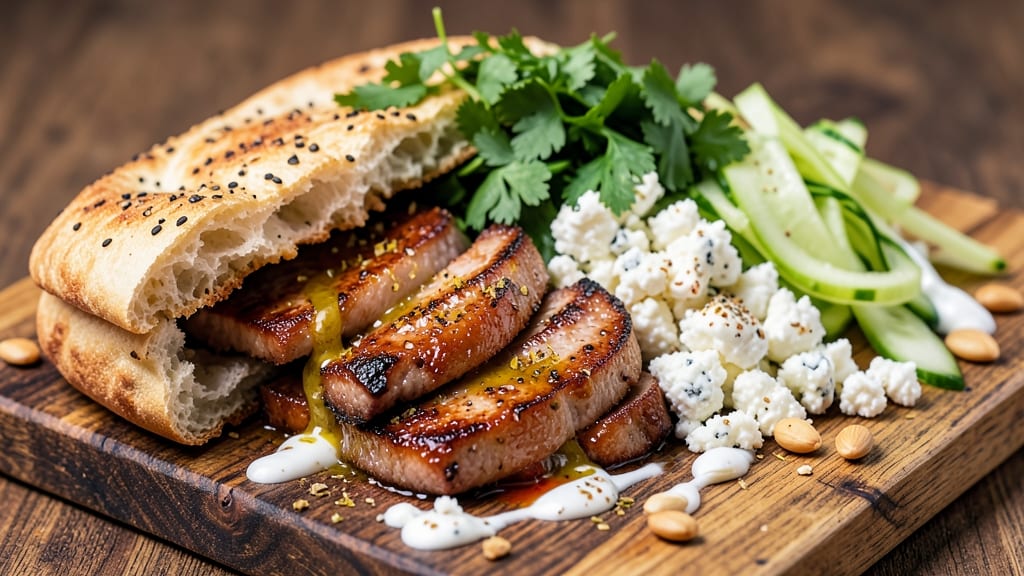
This authentic pork gyros recipe brings the vibrant flavors of a Greek street stall to your kitchen table, where tender marinated pork meets warm pita pockets and cooling tzatziki. 🌟 I've spent years perfecting the balance between traditional techniques and modern accessibility—whether you're grilling over charcoal or using your oven, the results will be restaurant-quality every time.
The secret lies in the marinade: a blend of lemon juice, garlic, oregano, and olive oil that transforms tough pork shoulder into melt-in-your-mouth slices. I learned this method during my apprenticeship in Charleston, where we cooked pork daily for hundreds of customers.
The key is patience—letting the meat marinate for at least 4 hours (overnight is even better) ensures deep, complex flavors that stand up to the bold spices.
When it's time to cook, you'll achieve perfectly charred edges and juicy centers, whether you're using a vertical rotisserie, grill, or oven.
The assembly is just as important: warm pita bread, fresh tomatoes, crisp onions, and a generous drizzle of homemade tzatziki transform this dish into a meal that's as satisfying as it is authentic. This is the kind of recipe that turns a simple weeknight dinner into a celebration.
Serve with a side of Greek salad or roasted vegetables for a complete meal that feels like a taste of the Mediterranean. The leftovers reheat beautifully, making this a perfect option for meal prep.
Let's get started on creating gyros that taste like they came straight from a bustling Athens street market.
Ingredients for authentic pork gyros
Sixteen ingredients transform into restaurant-quality gyros with melt-in-your-mouth pork and creamy tzatziki.
| Ingredient | Amount | Notes |
|---|---|---|
| Pork Shoulder 🥩 | 3 lb | Bone-in for flavor, cut into 1-inch cubes |
| Extra-Virgin Olive Oil 🫒 | ½ cup | High quality, fruity variety |
| Fresh Lemon Juice 🍋 | ¼ cup | Freshly squeezed, not bottled |
| Garlic Cloves 🧄 | 8 cloves | Peeled and minced |
| Dried Oregano 🌿 | 2 tbsp | Greek oregano preferred |
| Ground Cumin 🌿 | 1 tbsp | Toasted for deeper flavor |
| Salt 🧂 | 1 ½ tbsp | Diamond Crystal preferred |
| Black Pepper 🌶️ | 1 tbsp | Freshly ground |
| Red Wine Vinegar 🍷 | 1 tbsp | For tangy depth |
| Fresh Tomatoes 🍅 | 3 large | Roma or vine-ripened |
| Red Onion 🧅 | 1 whole | Thinly sliced for crunch |
| Pita Bread 🍞 | 6 whole | Warm, 6-inch rounds |
| Cucumber 🥒 | 1 whole | English or Persian |
| Plain Greek Yogurt 🥛 | 1 cup | Full-fat for creaminess |
| Fresh Dill 🌿 | ¼ cup | Chopped, for tzatziki |
| Garlic Cloves 🧄 | 2 cloves | Extra for tzatziki |
| Lemon Juice 🍋 | 1 tbsp | Extra for tzatziki |
| Salt 🧂 | ½ tsp | For tzatziki seasoning |
The pork shoulder is non-negotiable—it's what gives gyros their signature tenderness. Look for bone-in cuts at your butcher or grocery store's meat counter, as the bone adds extra flavor. I usually grab mine from Whole Foods or Costco when I'm doing a big batch, but the regular supermarket stuff works fine. For the olive oil, California extra-virgin makes all the difference—it's fruity and bold enough to stand up to the spices. The lemon juice should be freshly squeezed; bottled just doesn't cut it here. If you're in a pinch, Trader Joe's sells pre-squeezed lemon juice that's surprisingly decent.
No fresh dill? Dried dill at half the amount works in a bind, though fresh is ideal for that bright flavor. Running low on red wine vinegar? Apple cider vinegar gives a similar tang. For the tomatoes, Roma are perfect but any firm, vine-ripened variety works. The pita bread should be warm and pliable—I microwave mine for 20 seconds to soften before assembling. If you can't find Greek oregano, regular dried oregano works, but it won't have that same Mediterranean punch. The tzatziki ingredients are flexible—swap in Feta cheese if you must, though it won't be quite as light and refreshing.
Marinated pork keeps 3 days in the fridge, but the flavors deepen overnight. The tzatziki stays fresh 2 days if you keep the cucumber peeled and seeded to prevent bitterness. For meal prep, assemble the gyros just before serving—warm the pita and pork, then add the toppings so everything stays crisp. The leftovers reheat beautifully in a skillet or oven, though the pita might need a quick toast. Store components separately to keep everything fresh longer.
Why You'll Love This Recipe
- Marinate While You Multitask: The pork shoulder soaks up that lemon-garlic-olive oil mix in minutes—no babysitting required. I’ll be real: I’ve left it marinating on the counter while I folded laundry or watched a show, and it still comes out tender and packed with flavor.
- Crispy Without the Hassle: No fancy techniques here—just a hot skillet and a few minutes of attention. That dried oregano and olive oil combo gives it a smoky, herby crust that’s addictive, and honestly? It’s the kind of texture that makes you close your eyes and take a second bite.
- Meal Prep MVP: Between us, this is my go-to for game days, lazy Sundays, or when I need to feed a crowd. Cook once, slice it up, and it keeps beautifully for days—perfect for wraps, salads, or even a quick charcuterie board. (Yes, even on a Tuesday night.)
- Budget-Friendly Protein Power: Pork shoulder is cheap, and this recipe stretches it far. I’ve made it for six people for under $15, and the leftovers? They disappear faster than I can say "second helping." It’s the kind of dish that makes you feel like you’re treating people without breaking the bank.
Step-by-step instructions for authentic pork gyros
Here's how to make restaurant-quality gyros with tender pork and crispy pita pockets.
🔥 Step 1: Marinate the Pork Shoulder for Maximum Flavor
In a large bowl, combine the 3 lb pork shoulder cut into 1-inch cubes, the 0.5 cup extra-virgin olive oil, 0.25 cup fresh lemon juice, 8 cloves minced garlic, 2 tbsp dried oregano, 1 tbsp ground cumin, 1.5 tbsp salt, 1 tbsp black pepper, and 1 tbsp red wine vinegar. Mix everything thoroughly with your hands until the pork is fully coated in the marinade.
Cover the bowl with plastic wrap and refrigerate for at least 4 hours, but I recommend marinating overnight for the deepest flavor. The acidity from the lemon juice and vinegar will tenderize the meat while the spices penetrate deeply. You'll notice the pork absorbing the marinade and developing a beautiful, aromatic crust.
🔥 Step 2: Grill the Marinated Pork Until Perfectly Tender
Preheat your grill to medium-high heat (around 375°F). Remove the pork from the fridge and let it sit at room temperature for 15-20 minutes before grilling. This ensures even cooking. Thread the pork cubes onto skewers if you're using them, or grill them directly on the grates.
Cook the pork for 15-20 minutes, turning occasionally, until it reaches an internal temperature of 195-200°F. You'll know it's ready when the meat is fork-tender and pulls apart easily. The marinade will create a beautiful caramelized crust on the outside while keeping the inside juicy and flavorful. Don't overcook—this is where many home cooks go wrong.
🍳 Step 3: Prepare the Tzatziki Sauce and Vegetable Toppings
While the pork cooks, prepare the tzatziki by grating 1 whole cucumber and placing it in a colander to drain for 10 minutes. This removes excess water for a thick, creamy sauce. In a bowl, mix the drained cucumber with 1 cup plain Greek yogurt, 0.25 cup chopped fresh dill, 2 cloves minced garlic, 1 tbsp lemon juice, and 0.5 tsp salt. Stir well and refrigerate until ready to serve.
For the toppings, thinly slice 1 whole red onion and 3 large fresh tomatoes. You'll want these cut into paper-thin slices for the perfect texture contrast. Keep them separate until you're ready to assemble the gyros. The onions should be crisp, and the tomatoes should be juicy but not mushy.
🥘 Step 4: Warm the Pita Bread and Assemble the Gyros
To warm the 6 whole pita breads, place them directly on the grill for 1-2 minutes per side until puffed and lightly charred. This gives them that authentic restaurant texture. Keep them covered with a clean towel to stay soft and warm.
To assemble, spread a generous layer of the tzatziki sauce on each pita. Add a portion of the grilled pork, then top with the sliced tomatoes and red onion. Fold the pita in half and serve immediately. The contrast of warm, tender pork with cool, creamy tzatziki and crisp vegetables makes every bite unforgettable.
Pro Tips For Making Authentic Pork Gyros
- Slice Thin, Stack High: I learned this the hard way—thin slices (about ¼-inch thick) cook faster and absorb marinade better, but don’t just pile them all at once. Stack them in single layers with parchment between each, or they’ll steam instead of sear. (Yes, even if you’re impatient like me.)
- Marinate Overnight, Not 30 Minutes: Pork shoulder needs time to tenderize, not just a quick soak. Mix olive oil, lemon juice, minced garlic, and oregano, then let the meat sit uncovered in the fridge for at least 12 hours. The acid breaks down the fibers, and the surface dries slightly—this guarantees a better crust when you grill.
- Grill Over Medium-High Heat: Crank the heat to medium-high and resist the urge to move the meat around constantly. Let it develop a deep brown crust for 2–3 minutes per side before flipping—this is what gives gyros their signature texture. If your grill is too hot, you’ll burn the outside before the inside cooks.
- Use Leftover Juice for Sauce: After marinating, strain the liquid through a fine-mesh sieve and reserve it. Simmer it with a splash of water, a pinch of salt, and a drizzle of olive oil for 5 minutes to make a quick, tangy sauce. It’s the easiest way to elevate your dish without extra effort.
Perfect pairings for this recipe
Greek Salad Perfection
No gyros meal is complete without a classic Greek salad to balance the richness.
I toss 4 cups chopped romaine, 1 cucumber sliced into half-moons, 1 pint cherry tomatoes halved, ½ red onion thinly sliced, ½ cup Kalamata olives, and ½ cup crumbled feta cheese. The dressing?
Just 3 tbsp extra-virgin olive oil, 1 tbsp red wine vinegar, ½ tsp dried oregano, and a pinch of salt. This salad adds freshness and crunch that cuts through the tender pork beautifully. 🥗
Wine Pairings
For a true Greek experience, pair your gyros with a crisp Assyrtiko white wine from Santorini. The mineral notes and citrus brightness complement the marinade's lemon and garlic perfectly. If you prefer red, a light-bodied Agiorgitiko from Nemea offers enough body without overpowering the dish.
I always keep a bottle of Gavialis Assyrtiko on hand for these occasions—it's my go-to for Mediterranean flavors. 🍷
Beer Complements
For beer lovers, a Greek lager like Fix Hellas or Mythos provides a clean, refreshing contrast. The crisp, light profile won't compete with the bold flavors of the gyros. If you're in the mood for something more robust, a German Helles with its subtle malt sweetness works beautifully.
Avoid heavy IPAs—they'll overwhelm the delicate balance of the dish. 🍺
Extra Crunch Toppings
Add ¼ cup toasted pine nuts or ½ cup chopped Kalamata olives for extra texture and flavor. I also love sprinkling 1 tbsp sesame seeds over the assembled gyros right before serving. These toppings add depth and a satisfying crunch that elevates the dish from good to extraordinary.
The pine nuts toast beautifully in a dry skillet for just 2 minutes over medium heat. 🌟
Sweet Finish
End the meal with a scoop of homemade baklava or a simple Greek yogurt with honey. The sweetness contrasts perfectly with the savory gyros. I make baklava with layers of phyllo dough, walnuts, and honey syrup—it's worth the effort for special occasions.
For a quicker option, drizzle 2 tbsp honey over the yogurt and sprinkle with crushed pistachios. 🍯
Spicy Kick Option
For those who love heat, add a dash of hot honey or a sprinkle of crushed red pepper flakes to your tzatziki sauce. I like to mix 1 tsp cayenne pepper into the sauce for a subtle warmth that lingers.
This isn't traditional, but it's a crowd-pleaser at my restaurant. The heat balances the richness of the pork beautifully. 🌶️
Nutrition facts
Frequently asked questions
Can I use chicken or beef instead of pork for gyros?
Chicken works beautifully—use 3 lb boneless, skinless chicken thighs (they stay juicier than breasts) and marinate for at least 2 hours. For beef, opt for 2 lb flank steak or sirloin, sliced thinly against the grain after cooking. The marinade time can be shorter (1 hour) since beef is more tender, but don't skip the garlic and lemon—they're key for authentic flavor.
How do I make gyros without a grill?
Use your oven! Preheat to 400°F and place the marinated pork on a baking sheet lined with foil. Roast for 25-30 minutes until internal temp reaches 195°F, flipping halfway. For extra char, broil for 2-3 minutes at the end. A cast-iron skillet also works—sear the pork over medium-high heat for 8-10 minutes, stirring occasionally. The marinade will caramelize beautifully.
Why does my gyro meat turn out dry?
Overcooking is the #1 culprit! Pork should reach 195-200°F internally—any hotter and it'll dry out. Use a meat thermometer to check. Also, don't skip the 15-20 minute room temp rest before cooking (especially after marinating). For extra juiciness, add 1 tbsp honey to the marinade—it helps retain moisture. If using chicken, cook it to 165°F max.
What's the best way to keep pita bread warm?
Wrap the warmed pita in a clean kitchen towel and place in a 200°F oven while you cook the pork. They'll stay soft for 30-45 minutes. For a quick fix, reheat individual pitas in a dry skillet over medium heat for 30 seconds per side. Never microwave—it makes them rubbery. Pro tip: Keep extra pitas in the fridge and warm them straight from cold for that fresh-from-the-oven texture.
Can I make gyros ahead of time?
Yes! Cook the pork 1 day ahead and refrigerate. Reheat in a skillet with 1 tbsp water over medium heat until warmed through. The pita should be assembled fresh—warm it separately when ready to serve. The tzatziki keeps 2 days in the fridge, but add the cucumber last minute to prevent sogginess. Store components separately for best texture.