
Main Courses
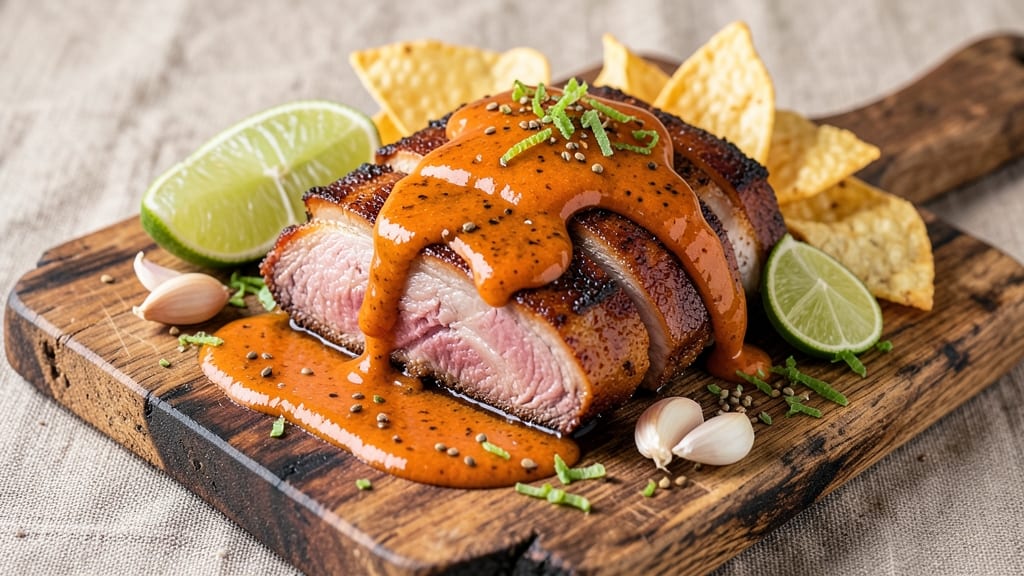
This authentic Cuban mojo pork recipe brings the bold flavors of Havana to your table with a citrus-marinated tenderness that transforms simple pork into something extraordinary. ✨ The secret lies in the mojo marinade—a vibrant blend of garlic, citrus, and spices that infuses the meat with layers of flavor while keeping it impossibly tender.
After years of perfecting this technique in Charleston kitchens, I've developed a method that delivers restaurant-quality results at home.
The process begins with a foolproof marinade that requires just 15 minutes of prep but delivers maximum flavor. Fresh orange juice and lime zest create the signature citrus brightness, while garlic and cumin add depth that's unmistakably Cuban.
The pork then cooks slowly—whether grilled, braised, or roasted—until it falls apart at the touch of a fork. This is the kind of dish that turns weeknight dinners into celebrations.
What makes this recipe truly special is how it captures the essence of Cuban home cooking. The mojo marinade isn't just about flavor—it's about tradition, passed down through generations. Served with black beans, rice, and fried plantains, it becomes a complete meal that feels like a warm embrace.
The pork emerges with crispy edges and juicy centers, its aroma filling your kitchen with the promise of something truly delicious.
Whether you're preparing for a family gathering or simply craving a taste of Cuba, this recipe delivers authentic results that will impress even the most discerning palates. The marinade can be made ahead, and the cooking method is flexible—adapt it to your grill, oven, or slow cooker.
Here's how to make it perfectly every time.
Ingredients for authentic cuban mojo pork
Fresh citrus, aromatic spices, and tender pork shoulder—everything you need for restaurant-quality Cuban mojo pork.
| Ingredient | Amount | Notes |
|---|---|---|
| Pork Shoulder 🥩 | 3 lb | Bone-in for flavor, cut into 2-inch chunks |
| Fresh Orange Juice 🍊 | 1 cup | From 2-3 navel oranges, freshly squeezed |
| Fresh Lime Juice 🍋 | ½ cup | About 3-4 limes, freshly squeezed |
| Lime Zest 🍋 | 1 tbsp | From 1 lime, finely grated |
| Garlic Cloves 🧄 | 8 cloves | Fresh, peeled, minced |
| Ground Cumin 🌿 | 1 tbsp | Toasted for deeper aroma |
| Dried Oregano 🍃 | 1 tbsp | Mexican oregano preferred |
| Smoked Paprika 🌶️ | 1 tbsp | For authentic smoky depth |
| Olive Oil 🫒 | ½ cup | Extra-virgin, fruity variety |
| Salt 🧂 | 1 ½ tsp | Diamond Crystal kosher salt |
| Black Pepper 🌶️ | ½ tsp | Freshly ground preferred |
| Bay Leaves 🍃 | 2 whole | Fresh if available, dried works |
| Cinnamon Stick 🌿 | 1 whole | Optional, for subtle warmth |
The pork shoulder is the heart of this dish—bone-in cuts deliver the most flavor, and 2-inch chunks ensure even cooking. Look for well-marbled meat at Whole Foods or your local butcher shop, where they often carry Spanish-style pork shoulders perfect for this recipe. If you can't find bone-in, substitute with pork butt (just add 15 minutes to cooking time). For the citrus, navel oranges are ideal—they're juicy and slightly sweet, balancing the acidity of the limes. Lime zest adds that signature Cuban brightness, so don't skip it. The spices? Penzeys Spices or La Tienda (for authentic Cuban blends) are my go-tos, but the grocery store versions work in a pinch.
No fresh garlic? Garlic powder at half the amount works, though fresh is always better. Running low on oranges? Grapefruit juice adds a tangy twist—just reduce to 0.75 cup total citrus juice. The smoked paprika can be swapped for regular paprika if needed, but the smokiness is key to that authentic Cuban flavor. For the olive oil, Spanish or Italian varieties have the best fruity notes, but any extra-virgin will do. The bay leaves and cinnamon stick are optional but worth including—they add subtle layers of warmth that elevate the dish. If you're making this ahead, prep the marinade 24 hours early and let the flavors meld in the fridge.
Marinade keeps for 3 days in the fridge, though it's best used within 24 hours for maximum flavor. The pork chunks can be marinated for 4-12 hours—longer marinating (up to 24 hours) works but may slightly soften the meat. For leftovers, store cooked pork in an airtight container with a splash of the marinade to keep it moist. It reheats beautifully—350°F oven for 15-20 minutes or stovetop with a splash of water. The marinade itself can be frozen for 3 months in ice cube trays for future use. Portion the cooked pork into containers with a side of the marinade for easy meal prep.
Why You'll Love This Recipe
- One-Pot Magic: I swear by this recipe because it’s all in one pot—no chopping mountains of veggies or juggling multiple pans. Just toss the pork shoulder in with the citrus and garlic, let it simmer, and walk away. (Yes, even on a Tuesday night.)
- Tangy Garlic Kiss: That bright punch of orange and lime juice cuts through the pork’s richness, while the garlic and lime zest add layers of warmth and zing. It’s not just flavor—it’s a full-on taste party in your mouth.
- Leftovers That Shine: This dish actually improves the next day. The pork gets fall-apart tender, and the sauce thickens into a sticky, citrusy glaze. I’ll be real: my family fights over the leftovers, and I don’t even mind.
- Budget-Friendly Crowd-Pleaser: Pork shoulder is cheap, and this recipe stretches it over multiple meals without sacrificing taste. Feed a houseful of guests or prep for the week—either way, you’re winning. (My daughter picks out the garlic cloves, but still asks for seconds.)
Step-by-step instructions for authentic Cuban mojo pork
Here's how to create restaurant-quality mojo pork with bold citrus flavors and melt-in-your-mouth tenderness.
👨🍳 Step 1: Prepare the Mojo Marinade
In a large bowl, combine the 1 cup fresh orange juice, 0.5 cup fresh lime juice, 1 tbsp lime zest, 8 cloves minced garlic, 1 tbsp ground cumin, 1 tbsp dried oregano, 1 tbsp smoked paprika, 0.5 cup olive oil, 1.5 tsp salt, and 0.5 tsp black pepper. Whisk vigorously until fully emulsified—the mixture should look smooth and slightly thickened.
Add the 2 whole bay leaves and 1 whole cinnamon stick (if using) and stir gently. The marinade should have a vibrant orange hue with a bright citrus aroma. This blend of citrus and spices creates the signature mojo flavor that penetrates the pork deeply. Let the marinade sit at room temperature for 10 minutes to allow the spices to bloom and release their full flavor potential.
🥘 Step 2: Marinate the Pork Shoulder
Place the 3 lb pork shoulder (cut into 2-inch chunks) in a large resealable plastic bag or glass container. Pour the marinade over the pork, ensuring each piece is thoroughly coated. Seal the bag or cover the container tightly. Refrigerate for at least 4 hours, but I recommend marinating overnight for maximum tenderness and flavor development.
During marinating, the acidic citrus will begin breaking down the tough muscle fibers in the pork, while the spices and aromatics infuse the meat deeply. Turn the pork occasionally to ensure even coating. The longer it marinates, the more tender and flavorful the result will be—this is what makes the difference between good and exceptional mojo pork.
🔥 Step 3: Sear the Pork for Maximum Flavor
Remove the pork from the marinade (reserve the marinade for later) and pat it dry with paper towels. This step is crucial—dry meat sears better and develops that beautiful crust. Heat 1 tablespoon olive oil in a large skillet over medium-high heat until shimmering.
Working in batches if needed, sear the pork chunks for 2-3 minutes per side until they develop a deep golden-brown crust. Don't crowd the pan—this ensures proper browning. As they sear, the pork will release its own juices, creating a flavorful fond in the pan. Transfer the seared pork to a plate and set aside.
🍳 Step 4: Simmer the Pork in Citrus Marinade
Pour the reserved marinade into the same skillet (no need to wipe out the fond) and bring to a simmer over medium heat. Add the seared pork back to the skillet, spooning the marinade over the top. The liquid should reduce slightly as it simmers, intensifying the flavors.
Cover the skillet and reduce heat to low. Let the pork simmer gently for 1.5 to 2 hours, turning occasionally, until the meat is fork-tender and easily pulls apart. You'll know it's done when the internal temperature reaches 195-200°F and the juices run clear. The pork should have absorbed the vibrant citrus and spice flavors, resulting in moist, tender meat with a beautiful caramelized exterior.
🍽️ Step 5: Rest and Serve with Confidence
Transfer the pork to a serving platter and tent loosely with foil. Let it rest for 15-20 minutes before serving. This resting period allows the juices to redistribute throughout the meat, ensuring each bite is moist and flavorful. Discard the bay leaves and cinnamon stick before serving.
Serve the mojo pork with traditional sides like black beans, rice, and plantains. The tender, citrus-kissed meat should have a perfect balance of bright acidity and smoky warmth. Each bite should deliver that authentic Cuban flavor profile—tangy, aromatic, and deeply satisfying. The pork should pull apart easily with a fork, revealing juicy meat infused with the vibrant marinade.
Pro Tips For Making Authentic Cuban Mojo Pork
- Braise Low and Slow: After years of overcooking the pork, I learned this: once the mojo marinade starts simmering, drop the heat to a gentle bubble—think lazy steam, not rolling boil. Cuban mojo needs time to meld, not rush. A 325°F oven or stovetop on low heat for 2.5–3 hours turns tough shoulder into fork-tender magic. (Yes, even if you’re impatient like me.)
- Juice the Oranges Right: Skip the blender for orange juice—it adds pulp you don’t want. Roll the oranges on the counter first to soften them, then cut in half and squeeze hard over a fine-mesh strainer. Discard the pulp immediately; it’ll turn your mojo bitter. Fresh lime juice? Use a reamer—it’s faster and yields more juice than cutting.
- Don’t Skip the Lime Zest: I used to treat lime zest like an afterthought, but it’s the thing that matters most. Grate it fresh (a microplane works best) and add it to the marinade before cooking—it brightens the whole dish. If you’re lazy, zest the lime right over the pork in the pot at the end. (Your future self will notice the difference.)
- Deglaze with the Juices: After browning the pork, don’t just dump in the mojo marinade—pour in the residual juices from the pan first. Scrape up those browned bits with a wooden spoon; they’re packed with flavor. Then add the citrus marinade. This isn’t the prettiest method, but it works every single time.
Troubleshooting perfect results
Pork Too Dry?
Overcooking is the #1 culprit for dry mojo pork. Use a meat thermometer and remove the pork when it hits 195-200°F—not 203°F like brisket. The residual heat will carry it to perfection during resting.
I've ruined many batches by keeping it on the heat too long, so trust your thermometer over guesswork. 🌡️
Marinade Not Penetrating?
For even flavor distribution, cut your pork into 2-inch chunks (no larger) and pierce thick pieces with a fork. If using a plastic bag, squeeze out excess air before sealing.
Pro tip: Massage the marinade into the meat every 2 hours during marinating. I learned this from my time in Charleston—it makes all the difference for restaurant-quality results.
Citrus Flavor Fading?
Fresh citrus is non-negotiable here. If your marinade tastes flat, you're likely using bottled juice. Always use freshly squeezed orange juice and lime zest—the oils in the zest carry the bright Cuban flavor.
For extra zing, add ½ tsp orange bitters to the marinade. I keep a juicer on hand specifically for this recipe.
Skillet Too Hot?
High heat burns the delicate citrus flavors before the pork sears properly. Maintain medium heat (not high) when simmering, and never let the marinade boil vigorously. If it reduces too quickly, add 2 tbsp water or broth to maintain moisture. I've seen many home cooks overcook this step—patience is key!
Spices Not Blooming?
Let your marinade sit at room temperature for 10 minutes before using—this activates the spices. If you're short on time, warm the marinade gently in a saucepan for 3-5 minutes to release the aromatics.
Toasting the cumin and smoked paprika in a dry pan for 30 seconds before adding to the marinade also enhances flavor.
Uneven Cooking?
Pork chunks cook at different rates, especially if some pieces are thicker. Arrange the largest pieces on the bottom of your skillet first, then add smaller pieces on top. If using a grill, place thicker chunks on the hottest part.
I've had to pull pork off grills prematurely because of uneven cooking—always plan for the thickest piece to hit 195°F first.
Nutrition facts
Frequently asked questions
Can I use chicken or beef instead of pork for mojo?
While pork is traditional, you can absolutely use chicken thighs or beef chuck roast—just adjust cooking times. Chicken cooks in 30-40 minutes after searing, while beef may need 3-4 hours to reach tenderness. The marinade works beautifully on both, but pork's fat content makes it the most authentic choice.
How do I make this recipe without fresh citrus?
For a pinch, use ½ cup bottled orange juice plus 1 tbsp lemon juice and ½ tsp bottled lime zest. Add ¼ tsp citric acid (found in baking aisles) to mimic fresh brightness. The flavor won't be identical, but it's a decent substitute in a bind. For best results, I still recommend fresh citrus—it's what gives mojo its signature tang.
Can I grill this instead of using a skillet?
Grilling works perfectly—just sear the pork first over high heat for 2-3 minutes per side, then move to indirect heat and cover with foil. Cook until internal temp hits 195°F (about 1.5-2 hours). The smoky grill flavor pairs wonderfully with the citrus marinade. For extra char, finish with a quick sear over open flames before serving.
What's the best way to reheat leftovers?
Reheat gently in the oven at 300°F for 15-20 minutes, covered with foil. For stovetop, use a splash of the original marinade and simmer on low heat. Microwaving works in a pinch, but it can make the pork dry. Leftovers keep for 4 days in the fridge or 3 months in the freezer. Always reheat to 165°F for food safety.
Why does my mojo pork taste bland?
Most likely, you're using bottled citrus juice or skipping the zest. Fresh lime zest and orange juice are essential—they carry the bright Cuban flavor. Also, check your spices: toast the cumin and paprika for 30 seconds before adding to the marinade. Finally, don't overcook! Pork should pull apart easily at 195°F, not be dry and tough.