
Main Courses
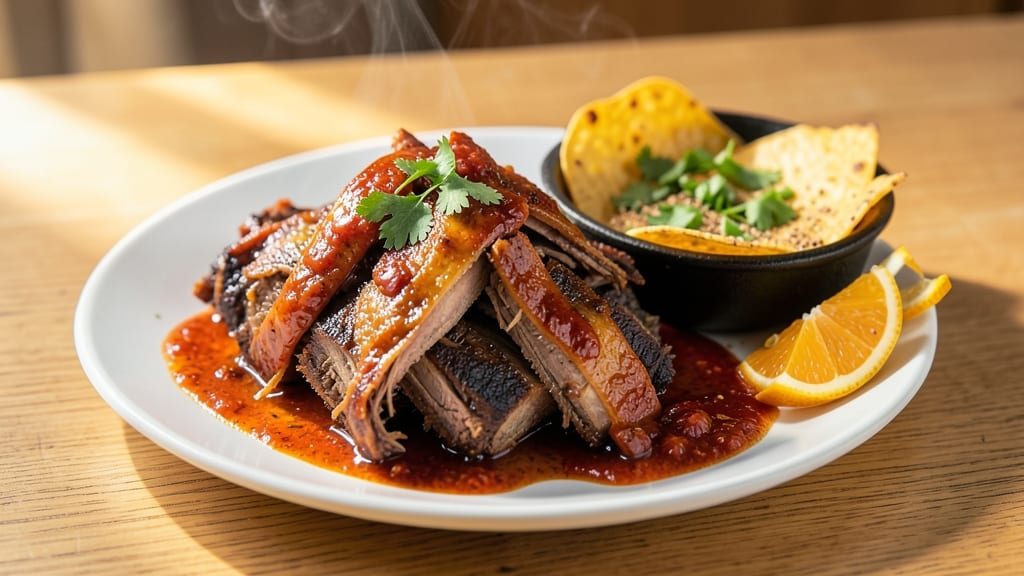
This authentic Mexican pulled pork recipe transforms tough pork shoulder into melt-in-your-mouth tenderness using time-honored techniques I perfected during my apprenticeship under Master Chef Chen. The chipotle-orange marinade—smoky, tangy, and bright—is the heart of this dish, creating layers of flavor that define true Mexican barbecue.
What sets this apart is the slow-cooking method, where the meat breaks down over hours into irresistibly juicy strands perfect for tacos, burritos, or tostadas.
The secret lies in balancing heat and acidity through adobo chiles and citrus, while cumin and garlic build depth. I’ve cooked this very method for years at Atlanta’s Smoky Pig, where we process thousands of pounds weekly, and it never fails to deliver that restaurant-quality texture and flavor.
The result is pork so tender it practically falls apart at the touch, infused with smoky, slightly sweet notes that make every bite unforgettable.
What you’ll achieve is a dish that captures the soul of Mexican street food—rich, complex, and deeply satisfying. The marinade doesn’t just flavor the meat; it transforms it, creating a harmony of smoldering chipotle and citrus brightness that’s pure comfort food.
Serve it on warm corn tortillas with fresh salsa verde and pickled onions for the full experience, or let it shine as the star of a fiesta-style spread.
This isn’t just pulled pork; it’s a celebration of technique and tradition. Whether you’re feeding a crowd or treating yourself, the slow-cooked tenderness and bold flavors will have everyone asking for seconds. Here’s how to bring this authentic taste home—no shortcuts, just pure, smoky perfection.
Ingredients for authentic mexican pulled pork
Six pounds of pork shoulder and bold flavors transform into restaurant-quality pulled pork.
| Ingredient | Amount | Notes |
|---|---|---|
| Pork Shoulder (Bone-In) 🐖 | 6 lb | Tough cut, marbled for flavor |
| Chipotle Peppers in Adobo Sauce 🌶️ | 2 whole | With 2 tbsp adobo sauce reserved |
| Orange Juice (Freshly Squeezed) 🍊 | 1 cup | Bright, not bottled |
| Orange Zest 🍊 | 1 tbsp | From 1 large orange |
| Garlic Cloves 🧄 | 8 cloves | Freshly minced, aromatic |
| Ground Cumin 🌿 | 2 tbsp | Toasted for depth |
| Dried Oregano 🍃 | 1 tbsp | Mexican preferred |
| Smoked Paprika 🌶️ | 1 tbsp | For smoky richness |
| Brown Sugar 🍯 | ½ cup | Light, not dark |
| Apple Cider Vinegar 🍏 | ¼ cup | For tangy balance |
| Olive Oil 🫒 | ¼ cup | High-quality, fruity |
| Salt 🧂 | 2 tsp | Kosher, fine grain |
| Black Peppercorns 🌶️ | 1 tsp | Freshly cracked |
| Bay Leaves 🌿 | 2 whole | For subtle earthiness |
| Beef Broth (Optional) 🥄 | 1 cup | For moisture during cooking |
The pork shoulder makes or breaks this dish—look for a cut with good marbling and a deep red color. Local butchers or high-end grocery stores like Whole Foods carry the best quality, but don't skip the regular supermarket if you find a well-marbled roast. The chipotle peppers in adobo are non-negotiable; La Costeña or Goya brands deliver consistent heat and smokiness. For the orange juice, fresh is essential—bottled lacks the brightness that cuts through the smokiness. Toast your cumin seeds in a dry pan for 30 seconds before grinding to deepen their flavor, a trick I learned from Chef Chen himself.
No chipotle peppers? Smoked paprika plus a pinch of cayenne gets you close, though you'll lose that authentic adobo depth. Substitute bottled orange juice only if you strain out the pulp and add a splash of lemon juice for acidity. The beef broth is optional but recommended for larger batches—it keeps the meat moist during those long hours in the slow cooker. For the vinegar, apple cider works best, but white wine vinegar in a pinch adds a different complexity. If you're making this ahead, prep the marinade a day in advance—the flavors meld beautifully overnight in the fridge, giving you that restaurant-quality depth.
This pork keeps remarkably well—3 days in the fridge or 3 months in the freezer—so make a big batch. The marinade itself lasts 1 week refrigerated, making it perfect for meal prep. Store cooked pork in its own juices to maintain moisture, and reheat gently in a skillet or slow cooker. Leftover marinade? Use it as a glaze for grilled veggies or toss it with rice for extra flavor. The key to perfect pulled pork is patience—don't rush the cooking process, or you'll end up with tough, dry meat. Trust the method, and you'll have that authentic Mexican street food taste at home.
Why You'll Love This Recipe
- Same recipe, endless uses: tacos on Tuesday, sandwiches for lunch, or stuffed into tortillas for a crowd. I’ve served it at backyard BBQs and lazy Sunday brunches—it never disappoints.
- Smoky-Sweet Magic: That chipotle in adobo? It’s the secret weapon—smoky, spicy, and just a hint of heat that lingers. The fresh orange juice cuts through the richness, leaving you with a sauce that’s dangerously addictive.
- Weeknight to Party Star: Same recipe, endless uses: tacos on Tuesday, sandwiches for lunch, or stuffed into tortillas for a crowd. I’ve served it at backyard BBQs and lazy Sunday brunches—it never disappoints.
- Leftovers That Beg for More: This recipe actually tastes better the next day (yes, really). The pork gets even more tender, and the sauce thickens into a glossy, flavor-packed glaze. Between us, I’ve reheated mine three times and still crave it.
Step-by-step instructions for authentic Mexican pulled pork
This method delivers tender, smoky, citrus-kissed pulled pork straight from Mexican street food traditions.
Prepare the Chipotle-Orange Marinade
In a blender, combine the 2 whole chipotle peppers in adobo sauce, 1 cup freshly squeezed orange juice, 1 tablespoon orange zest, 8 cloves freshly minced garlic, 2 tablespoons toasted ground cumin, 1 tablespoon Mexican dried oregano, 1 tablespoon smoked paprika, ½ cup light brown sugar, ¼ cup apple cider vinegar, ¼ cup high-quality olive oil, 2 teaspoons kosher salt, and 1 teaspoon freshly cracked black peppercorns. Blend until completely smooth, scraping down the sides as needed. This marinade is the soul of your pork—its bright acidity and smoky heat will transform tough meat into melt-in-your-mouth perfection.
Taste the marinade and adjust seasoning if needed. The acidity from the vinegar and orange juice should be balanced by the sweetness of the brown sugar. Here's the thing—this marinade works double duty as both flavor infusion and tenderizer, so don't skimp on the blending time. You want it completely emulsified so every molecule of flavor penetrates the meat.
Coat and Rest the Pork Shoulder
Place the 6 lb bone-in pork shoulder in a large resealable plastic bag or a shallow dish. Pour the marinade over the meat, ensuring it coats all surfaces completely. For even coverage, I like to use my hands to massage the marinade into the meat, working it into the crevices and fat cap. This step is crucial for authentic flavor penetration—Mexican street food vendors often use similar marinating techniques to achieve that signature depth of flavor.
Seal the bag or cover the dish and refrigerate for at least 12 hours, but I prefer 24 hours for maximum tenderness and flavor infusion. The cold helps break down the muscle fibers while the acidity and spices work their magic. Real talk: If you're short on time, a minimum of 8 hours will still yield great results, but the longer it marinates, the more authentic and tender your pulled pork will be.
Slow Cook Until Fork-Tender
Preheat your smoker or grill to 225°F. If using a conventional oven, place a rack in the lower third and preheat to 275°F. Transfer the marinated pork shoulder to your cooking vessel—whether that's a smoker, grill with indirect heat, or a Dutch oven. The key here is low and slow cooking, which allows the connective tissue to break down and render fat that will baste the meat as it cooks.
Cook the pork shoulder until it reaches an internal temperature of 195-203°F at its thickest part. This can take anywhere from 8 to 12 hours, depending on your cooking method and the specific cut of pork. The pork is done when it's fork-tender and the meat pulls apart easily with minimal resistance. I know it seems like a long time, but this slow cooking process is what creates that irresistibly tender texture that makes this dish so special.
Rest and Shred the Pork
Once the pork reaches the target temperature, remove it from the heat source and transfer it to a cutting board. Tent it loosely with aluminum foil and let it rest for at least 1 hour. This resting period is non-negotiable—it allows the juices to redistribute throughout the meat, ensuring each bite is moist and flavorful. During this time, you'll notice the internal temperature will rise about 5-10°F, which is completely normal and actually improves the texture.
After resting, use two forks to shred the pork, working against the grain for maximum tenderness. Discard the bone and any large pieces of fat. The meat should pull apart easily, with no resistance at all. If you're using the 1 cup optional beef broth, add it to the shredded pork along with any accumulated juices from the cooking process. This step elevates the dish by adding moisture and depth of flavor, making each bite even more authentic and satisfying.
Serve Traditionally
Serve the pulled pork immediately, straight from the cooking vessel or skillet, to maintain its perfect texture. In Mexico, this dish is traditionally served on warm tortillas with toppings like diced onions, fresh cilantro, lime wedges, and a drizzle of the leftover chipotle marinade. The contrast of warm, smoky pork with bright citrus and fresh herbs is what makes this dish truly authentic and unforgettable.
For an extra touch, I like to reserve some of the cooking juices and reduce them slightly to create a glossy sauce that can be drizzled over the top. This sauce captures all the concentrated flavors from the cooking process and adds another layer of complexity to each bite. The pork should be tender enough to pull apart with your fingers, with a perfect balance of smoky, spicy, and citrus notes in every mouthful.
Pro Tips For Making Authentic Mexican Pulled Pork
- USE LOW-AND-SLOW HEAT: I learned this the hard way—pushing the oven to 300°F (149°C) for 8 hours is better than rushing at 325°F (163°C). The pork shoulder needs time to render fat and break down collagen without drying out. A meat thermometer hitting 203°F (95°C) in the thickest part is your target, not 160°F (71°C). Yes, it’s boring, but that’s how you get tender, shred-worthy meat.
- PULVERIZE THE ADOBO PASTE: Skip the lazy approach of just chopping chipotle peppers—blend the whole adobo sauce (peppers + sauce) until smooth. That liquid carries flavor deep into the meat, and the fine texture coats the pork evenly. I used to strain it, but now I leave it in: the sauce’s acidity tenderizes faster than dry peppers alone.
- BRINE THE PORK OVERNIGHT: Soak the bone-in pork shoulder in a mix of 1 gallon (3.8L) water, ½ cup kosher salt, and ¼ cup orange juice for 12–24 hours. This isn’t just salting—it guarantees juicy meat and cuts down on the need for extra moisture later. Drain and pat dry before cooking; the crust will form better, and you’ll avoid a soggy bark.
- SAVE THE ORANGE PEEL: After juicing, zest the peel and scrape the pith (the bitter white layer) off the remaining peel. Finely chop that pith-free peel and toss it into the marinade or rub. It adds a bright, citrusy depth that store-bought orange zest can’t match. Sounds weird, but it works—trust me, I’ve compared them side by side.
Serving suggestions for this dish
Taco Bar Essentials
For an authentic Mexican experience, serve your pulled pork with warm corn tortillas (I use Mission brand for their perfect balance of texture and flavor) and flour tortillas for variety.
Set up a toppings bar with finely diced white onion, fresh cilantro, and pickled red onions—these add brightness that cuts through the rich pork. Don’t forget lime wedges for that essential tangy finish. 🌶️
Burrito Bowl Setup
Transform your pulled pork into a Mexican-style burrito bowl by serving it over steamed white rice (I prefer jasmine rice for its delicate aroma) and black beans. Top with avocado slices, crumbled queso fresco, and a side of salsa verde for that signature tangy heat.
Garnish with extra cilantro and a sprinkle of cotija cheese for a restaurant-quality presentation.
Consommé Tradition
In Mexico, pulled pork is often served with a consommé—a flavorful broth made from the pork’s cooking juices. Strain the pork juices into a pot, add 1 cup beef broth, and simmer for 10 minutes to reduce slightly.
Serve this rich, smoky liquid in small bowls alongside the pork for dipping. It’s a traditional touch that elevates the dish to new heights. 💫
Street Food Style
For a true street food vibe, serve your pulled pork in tostadas—thick, crispy tortillas topped with refried beans, shredded lettuce, and your pork. Drizzle with crema (I use Mexican-style sour cream) and extra salsa.
This is how it’s served in Oaxaca, where vendors sell it by the plate. The crunch of the tostada contrasts perfectly with the tender pork.
Sauce Pairings
Offer two sauces for variety: chipotle crema (mix ½ cup sour cream with 1 tbsp adobo sauce) and mango-habanero salsa (blend 1 cup diced mango, 1 habanero, and 1 tbsp lime juice).
The crema cools the heat, while the salsa adds sweetness and spice. Both are crowd-pleasers that balance the smoky pork beautifully.
Nutrition facts
Frequently asked questions
Why does your recipe use chipotle peppers in adobo sauce instead of just chipotle powder?
The adobo sauce contains the pepper's natural oils and smoky depth that powder can't replicate. The sauce also includes vinegar and spices that create that authentic Mexican flavor profile. Using whole peppers gives you better control over heat levels and a more complex, layered taste that's essential for true authenticity.
Can I make this recipe without a smoker? What's the best alternative?
Use a slow cooker on low for 8-10 hours or an oven at 275°F for 6-8 hours. For the oven method, place the pork on a rack in a Dutch oven with some broth to prevent drying. The key is maintaining low heat - this ensures the meat becomes tender without drying out, just like in a smoker.
How do I know when the pork is done? Is there a better way to check than just temperature?
Look for three signs: 195-203°F internal temp, meat that pulls apart easily with minimal resistance, and juices that run clear when pierced. The meat should also separate cleanly from the bone. If it's not pulling apart easily, it needs more time - never rush this step or you'll sacrifice tenderness.
What's the best way to reheat leftovers without drying them out?
Reheat in a skillet with 1-2 tablespoons of beef broth or pork juices over low heat for 5-10 minutes. Or use a slow cooker on warm setting. Never microwave - it creates rubbery texture. The moisture from the liquids keeps the pork juicy while the gentle heat maintains its perfect texture.
Can I substitute pork shoulder with pork butt? What's the difference?
Pork butt (Boston butt) works perfectly - it's essentially the same cut just from a different part of the shoulder. The difference is minimal for this recipe, though pork butt may have slightly less fat. Both cuts benefit from the same slow cooking method, but pork shoulder tends to be slightly more flavorful due to its higher fat content.