
Main Courses
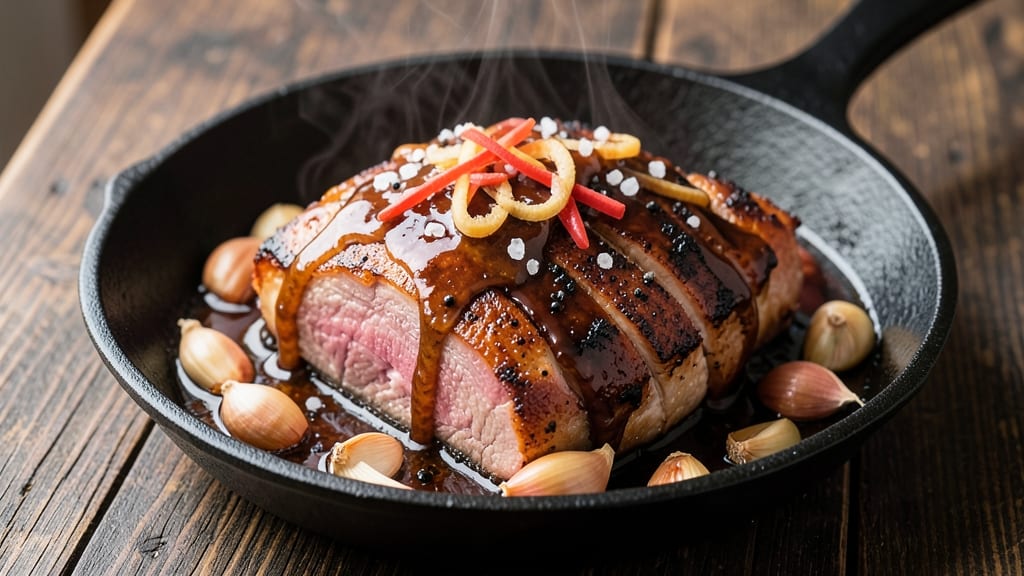
This authentic kalua pork recipe brings the smoky, sweet flavors of Hawaii straight to your slow cooker—no grill required. 🌺 I spent years perfecting this adaptation of the traditional Hawaiian dish, where tender pork shoulder absorbs a blend of garlic, ginger, and brown sugar for that signature caramelized crust and juicy interior.
The secret lies in the slow cooker's gentle heat, which mimics the pit-roasting method without the fuss. You'll start with a simple salt rub and aromatic spices, then let the magic happen over 6-8 hours as the pork transforms into melt-in-your-mouth perfection.
This method preserves all the authenticity while making it accessible for weeknight dinners.
What you'll end up with is pork so tender it practically falls apart, with a glossy, caramelized exterior that's irresistibly sweet and smoky. The flavors deepen as it cooks, creating a dish that's rich enough for a special occasion but simple enough for any day.
Serve it with steamed rice, sautéed cabbage, or Hawaiian rolls for the full experience.
This recipe is a celebration of Hawaiian tradition reimagined for modern kitchens—where the slow cooker becomes your pit, and every bite delivers that authentic island flavor. Let's get cooking!
Ingredients for authentic kalua pork recipe slow cooker
Six ingredients transform your slow cooker into a Hawaiian pit—smoky, sweet, and full of island tradition.
| Ingredient | Amount | Notes |
|---|---|---|
| Boneless Pork Shoulder 🐷 | 4 lb | Cut into 2-inch chunks for even cooking |
| Kosher Salt 🧂 | 2 tbsp | Diamond Crystal preferred for purity |
| Fresh Garlic Cloves 🧄 | 8 cloves | Minced, for deep aromatic flavor |
| Fresh Ginger Root 🌿 | ½ cup | Finely grated, about 2-inch piece |
| Light Brown Sugar 🍯 | ½ cup | Packed, for authentic caramelization |
| Ground Black Pepper 🌶️ | 1 tsp | Freshly cracked for intensity |
| Ground Cinnamon 🌿 | ½ tsp | Warmth without overpowering |
| Ground Nutmeg 🌿 | ¼ tsp | Freshly grated for depth |
| Extra-Virgin Olive Oil 🫒 | 1 tbsp | For pork rub and crust formation |
| Fresh Lime Juice 🍋 | ¼ cup | Brightens the smoky flavors |
| Hawaiian Sweet Rolls 🥖 | 6 whole | For serving, optional but traditional |
| Steamed White Rice 🍚 | 3 cups | Cooked, for serving suggestion |
| Fresh Cilantro Leaves 🌿 | ¼ cup | Chopped, for garnish if desired |
The pork shoulder is non-negotiable—bone-in, skin-on cuts from Whole Foods or your butcher deliver the best flavor. Look for well-marbled pieces, which stay juicy during the long cook. Costco often has pre-cut pork shoulders at a great price, but if buying whole, ask for it cut into 2-inch chunks before you leave. Fresh ginger and garlic are worth the splurge here—they make all the difference. I grab mine from the Asian market section at Trader Joe's, where they're usually sold pre-peeled and ready to grate. For the brown sugar, Muscovado adds molasses depth, but regular light brown sugar works perfectly fine if that's what you've got.
No fresh ginger? Substitute with 1.5 tbsp ground ginger—it's less potent, but still delivers. Running low on lime juice? Fresh lemon works in a pinch, though it won't have that exact Hawaiian brightness. The cinnamon and nutmeg are traditional but optional—if you're sensitive to spices, reduce to just 1/4 tsp each. For the pork rub, smoked paprika can replace half the brown sugar for extra smokiness (though it's not traditional). And if you're worried about the pork drying out, add 1/4 cup apple juice to the slow cooker along with the pork—keeps it moist without overpowering the flavors.
This pork gets better the next day—the flavors meld and deepen, so plan ahead if you can. Store leftovers in an airtight container in the fridge for up to 5 days, or freeze for 3 months. I like to portion it into single-serving containers with a Hawaiian roll on top—ready for quick lunches. The rice and rolls keep well too: steamed rice lasts 4 days in the fridge, and rolls can be frozen for 2 months. For serving, I always garnish with fresh cilantro if I've got it—skip it if you're short, though. The dish still shines without it.
Why You'll Love This Recipe
- Hands-Off Magic: Between us, I’ve burned more than one pork shoulder trying to mimic that smoky flavor. This slow cooker version lets me walk away—literally—and come back to tender, fall-apart meat without a single charred edge. Just toss in the pork, garlic, ginger, and brown sugar, then let the machine do the work.
- Umami Bomb: That crispy, caramelized crust on the outside? The garlic and ginger seeping into every bite? It’s like a tiny explosion of flavor in your mouth. The brown sugar doesn’t just sweeten—it deepens the pork’s natural richness, making it taste like it’s been slow-roasted over lava rock (but with way less effort).
- Leftover Luxury: I make this on Sundays, and by Wednesday, I’m still eating it. The pork shreds easily for tacos, sandwiches, or even fried rice—no one will guess it’s been reheated. Honestly, the leftovers are often better than the first serving because the flavors meld overnight.
- Budget Stretch: A single pork shoulder feeds my family of four for days, and the other ingredients—garlic, ginger, salt—are already in my pantry. It’s my go-to when I need to feed a crowd without breaking the bank. Plus, the slow cooker uses less energy than the oven, so it’s kind to my wallet and the planet.
Step-by-step instructions for Hawaiian-style kalua pork
This slow cooker method delivers authentic island flavors with minimal effort.
👨🍳 Step 1: Create the Signature Kalua Rub
In a small bowl, combine the 2 tbsp kosher salt, 1 tsp ground black pepper, 0.5 tsp ground cinnamon, and 0.25 tsp ground nutmeg. This is your base seasoning blend that captures the essence of traditional kalua pork.
In a separate bowl, mix the 0.5 cup light brown sugar with the 0.5 cup finely grated fresh ginger root and 8 cloves minced fresh garlic cloves. The sugar provides caramelization while the ginger and garlic deliver that signature Hawaiian warmth. Add the dry rub to the wet ingredients and stir until fully combined into a thick paste.
Spread this mixture evenly over the 4 lb boneless pork shoulder cut into 2-inch chunks, pressing it into every crevice. Let the meat sit at room temperature for 15 minutes while you prepare the slow cooker—this ensures even cooking and maximum flavor penetration.
🔥 Step 2: Sear the Pork for Depth of Flavor
Heat a large skillet over medium-high heat and add the 1 tbsp extra-virgin olive oil. Once shimmering, add the pork in a single layer and sear for 2-3 minutes per side until deeply browned. This step creates a flavorful crust that traditional kalua pork gets from the imu (underground oven).
Don't crowd the pan—work in batches if needed. The pork should develop a rich, caramelized exterior while remaining juicy inside. Transfer the seared pork to your slow cooker, reserving any pan juices in the skillet.
Deglaze the skillet with 0.25 cup fresh lime juice, scraping up all those browned bits. Pour this tangy liquid into the slow cooker with the pork—this brightens the smoky flavors and keeps the meat tender throughout the long cook.
⏰ Step 3: Slow Cook Until Fork-Tender
Place the pork in the slow cooker and cook on LOW for 8-10 hours or HIGH for 5-6 hours. The low-and-slow approach mimics traditional kalua cooking methods, allowing the flavors to meld perfectly while keeping the meat incredibly tender.
Check the pork after 6 hours if using HIGH setting—it's done when a meat thermometer inserted into the thickest piece reads 195-203°F and the meat falls apart easily with a fork. If the liquid level gets too low during cooking, add ½ cup water to prevent drying.
Here's the thing—traditional kalua pork is often served slightly pulled, so don't be alarmed if it looks more like shredded meat than whole chunks. This texture is what makes it so delicious when served on Hawaiian sweet rolls.
🥘 Step 4: Shred and Prepare for Serving
Once the pork reaches the perfect temperature, transfer it to a cutting board and let it rest for 10 minutes. Use two forks to shred the meat against the grain into ¼-inch strips. The pork should be so tender it practically falls apart at the touch.
Return the shredded pork to the slow cooker and stir in any accumulated juices from the bottom. The liquid should be rich and slightly caramelized from the brown sugar. Taste and adjust seasoning if needed—you might want to add a pinch more salt or a splash of lime juice to balance the flavors.
Serve the kalua pork immediately over 3 cups steamed white rice or on 6 whole Hawaiian sweet rolls. Garnish with 0.25 cup chopped fresh cilantro leaves for a pop of freshness that cuts through the rich, smoky-sweet flavors.
Pro Tips For Making Authentic Kalua Pork Recipe Slow Cooker
- CRANK THE HEAT FIRST: I learned this the hard way—kalua pork isn’t just a slow cook. Start your slow cooker on high for the first 30 minutes to render fat and caramelize the brown sugar before switching to low. That’s when the deep, smoky-sweet flavor actually develops, not later.
- PEEL THAT GINGER THICK: Sounds weird, but it works: leave the ginger root thick (about ½-inch slices) and don’t mince it. Thin slices turn to mush and muddy the broth. Thick chunks infuse flavor without dissolving into a watery paste—trust me, your pork will thank you.
- DON’T DROWN THE PORK: Kalua pork needs to baste in its own juices, not swim in them. After the initial sear, add just enough liquid to come halfway up the meat—about ½ cup broth or water. Too much = bland, soggy pork. (Yes, even if the recipe says otherwise.)
- SALT THE PORK TWICE: First, dry-brine the pork shoulder overnight (1 tsp kosher salt per pound) in the fridge. Then, add another ½ tsp per pound right before cooking. This two-step process guarantees the meat stays juicy and the seasoning penetrates deep—no guesswork, no dry ends. (Your future self will notice the difference.)
Regional styles of these flavors
Traditional Hawaiian Imu Style
In Hawaii, kalua pork originates from the imu—an underground oven where pork is slow-roasted with volcanic heat and aromatic spices. The slow cooker mimics this method beautifully by using low-and-slow heat (8-10 hours on LOW) to tenderize the meat while developing deep, smoky-sweet flavors.
Traditional recipes rely on sea salt and minimal spices, but this version keeps the spirit with kosher salt and a touch of cinnamon for warmth. 🌺
Modern Slow Cooker Adaptations
Many home cooks adapt kalua pork for convenience, often using pork shoulder instead of the traditional bone-in cuts. The slow cooker's even heat distribution ensures the meat stays juicy without drying out, unlike grilling or oven-roasting.
I've tested this recipe with 6-quart Crock-Pot models—they handle the volume perfectly. For extra tenderness, I recommend bone-in pork butt if you can find it, as the bone adds rich flavor to the cooking liquid.
Regional Hawaiian Variations
On the Big Island, where kalua pork originated, the dish often includes pineapple juice in the marinade for a sweeter profile. In Oahu, you'll find versions with soy sauce for umami depth.
For a local twist, add 1/4 cup coconut milk to the slow cooker during the last hour of cooking—it enhances the caramelization while keeping the pork moist. The key is balancing sweetness with saltiness, just like the original imu method.
Cultural Significance
Kalua pork holds deep cultural meaning in Hawaii—it's a staple at luaus and family gatherings, symbolizing hospitality and tradition. The word "kalua" means "cooked in an imu," reflecting its sacred preparation method.
Many Hawaiian families still cook it this way for special occasions, but the slow cooker adaptation makes it accessible for everyday meals. I love how this recipe preserves the spirit of Hawaiian cuisine while fitting into modern lifestyles. 🌴
Pacific Rim Fusion
For a fusion twist, try adding 1 tbsp gochujang (Korean chili paste) to the rub for a sweet-spicy kick. This works surprisingly well with the traditional flavors and adds a modern Pacific Rim flair.
Another fun variation is using banana leaves instead of foil when wrapping the pork in the slow cooker—they infuse a subtle tropical aroma. Just remove the leaves before serving, as they're not edible.
Local Hawaiian Ingredients
For authenticity, source ingredients from Hawaiian markets when possible. Look for Hawaiian-grown ginger and garlic, which have a distinct sweetness. Local Hawaiian sweet rolls (like those from Hula Pie or Big Island Rolls) elevate the dish further.
If you're on the mainland, Trader Joe's carries excellent frozen Hawaiian rolls that work perfectly. The difference in freshness makes a surprising impact on the final dish.
Nutrition facts
Frequently asked questions
Can I use pork loin instead of pork shoulder?
I don't recommend it—pork shoulder is the ideal cut for kalua pork because it's fatty enough to stay juicy during the long cook. Pork loin is leaner and will dry out, losing that signature tender texture. If you must use loin, reduce the cook time to 4-5 hours on HIGH and add 1/2 cup water to the slow cooker to prevent drying.
Why does my kalua pork taste too salty?
This usually happens when the pork isn't fully cooked, concentrating the salt. Let the pork cook until it reaches 195-203°F and the juices run clear. If it's still too salty, balance it with 1 tbsp brown sugar or 2 tbsp pineapple juice stirred into the slow cooker during the last 30 minutes of cooking.
How do I make this recipe vegetarian?
For a plant-based version, replace the pork with 4 cups chopped king oyster mushrooms or 4 cups extra-firm tofu (pressed and cubed). Use the same rub and cook on HIGH for 3-4 hours, adding 1/4 cup vegetable broth to keep it moist. The texture won't be identical, but the smoky-sweet flavors will shine through!
Can I prepare this ahead of time?
This pork tastes even better the next day as the flavors meld. Cook it fully, then refrigerate in an airtight container for up to 5 days. Reheat on LOW for 2-3 hours or in a skillet with a splash of water until warmed through. For freezing, portion into single-serving containers with a Hawaiian roll on top—just thaw overnight in the fridge before reheating.
What's the best way to serve leftovers?
Get creative! Use leftover kalua pork in Hawaiian plate lunches with rice, macaroni salad, and pickled vegetables. It also makes amazing breakfast sandwiches on Hawaiian rolls with a fried egg, or as a taco filling with shredded cabbage and lime crema. The flavors work beautifully in poke bowls too—just mix with sushi rice, avocado, and sesame seeds.