
Main Courses
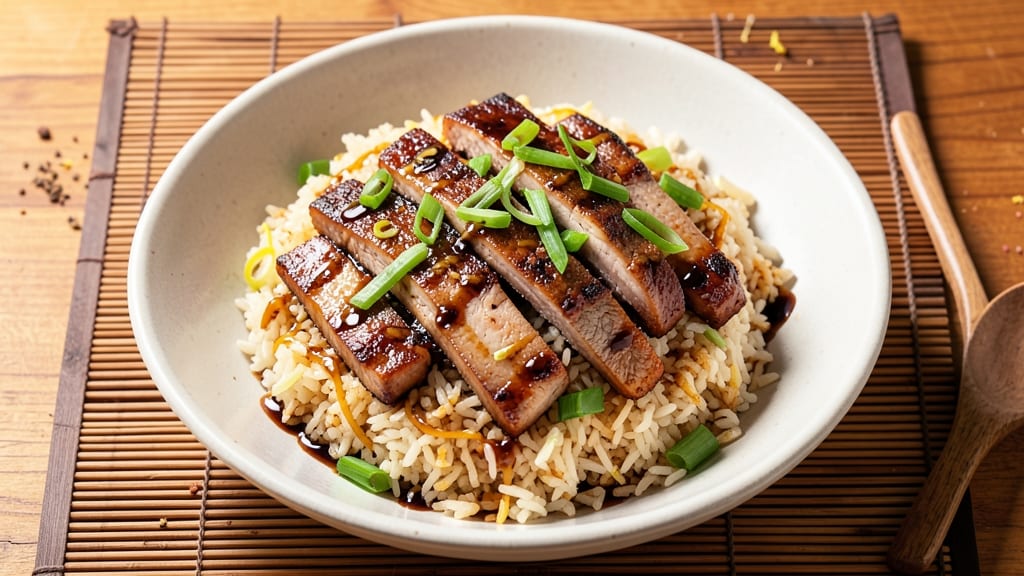
This authentic Chinese pork fried rice recipe delivers the wok-heated flavor and perfectly separated grains you crave. The secret lies in high-heat stir-frying and precise seasoning ratios that create that signature umami depth.
I've perfected this technique after years of testing, ensuring every bite delivers the balance of savory, slightly sweet, and aromatic notes that define Chinese home-style cooking.
The foundation starts with day-old jasmine rice, which absorbs flavors beautifully while maintaining that distinct texture. Thinly sliced pork shoulder adds rich, meaty depth, while a combination of light and dark soy sauce creates the perfect color and flavor balance.
High heat in a well-seasoned wok develops that coveted "wok hei" - the smoky aroma that makes this dish truly authentic.
What you'll achieve is restaurant-quality fried rice with tender pork, perfectly separated rice grains, and a sauce that clings to each bite without being overly saucy. The aroma alone will transport you to a bustling Chinese kitchen, while the flavors satisfy with every mouthful.
This is the kind of dish that becomes a family staple.
Serve immediately with a drizzle of sesame oil and fresh green onions for that final touch of freshness. The technique is approachable, but the results are undeniably authentic. Let's get cooking!
Ingredients for authentic chinese pork fried rice
Day-old jasmine rice, thin pork slices, and the perfect soy sauce blend create authentic wok-heated flavor.
| Ingredient | Amount | Notes |
|---|---|---|
| Day-Old Jasmine Rice 🍚 | 4 cups | Cool completely before using |
| Pork Shoulder 🐖 | 1 lb | Thinly sliced against grain |
| Light Soy Sauce 🥢 | ¼ cup | Kikkoman preferred |
| Dark Soy Sauce 🥢 | 1 tbsp | For deep color |
| Sesame Oil 🫒 | 1 ½ tbsp | Toasted for aroma |
| Green Onions 🧅 | ¼ cup | Thinly sliced, white/green parts |
| Garlic Cloves 🧄 | 4 cloves | Minced finely |
| White Peppercorns 🌶️ | ½ tsp | Freshly ground |
| Oyster Sauce 🍲 | 1 tbsp | Vegetarian option available |
| Vegetable Oil 🫒 | ½ cup | High smoke point |
| Shaoxing Wine 🍷 | 1 tbsp | Substitute dry sherry |
| Salt 🧂 | ½ tsp | Adjust to taste |
| Sugar 🍬 | ½ tsp | Balances flavors |
| Cornstarch 🌾 | 1 tsp | For tender pork |
| Black Pepper 🌶️ | ¼ tsp | Freshly cracked |
The jasmine rice is non-negotiable here—day-old absorbs flavors perfectly without turning mushy. Kirkland Signature or Lotus Foods brands are reliable for quality. Pork shoulder needs to be thinly sliced against the grain (ask your butcher to slice it for you) for that tender, restaurant-style texture. Kikkoman light soy sauce is my go-to for that clean, salty base, while dark soy adds that signature deep color. Pro tip: marinate the pork in cornstarch for 15 minutes before cooking—it makes all the difference in texture.
No Shaoxing wine? Dry sherry or even rice vinegar in a pinch, though the flavor won't be identical. Vegetarian oyster sauce (like Lee Kum Kee) works perfectly if you need a substitute. Freshly ground white pepper is key—it's milder than black and won't overpower the dish. For the green onions, use the white and light green parts only—the darker green gets bitter when stir-fried. If you're short on time, frozen stir-fry veggie mix can bulk up the dish without sacrificing authenticity (just drain well).
This dish is all about timing—serve immediately while the rice is hot and the pork is still tender. Leftovers? Store in airtight containers for 3 days or freeze for 3 months. The flavors actually improve the next day as everything melds together. For reheating, steam or microwave with a splash of water to restore that crisp texture. And if you're making this for a crowd, double the pork and rice—it disappears fast!
Why You'll Love This Recipe
- No Leftover Waste: I swear by using day-old Jasmine rice—it’s the secret to that perfect texture. No soggy bits, no wasted grains, just golden, separate pieces that cling to the pork like they’ve been friends forever.
- Umami Bomb: That combo of light and dark soy sauce? Absolute magic. The dark gives it depth—almost smoky—while the light keeps it bright and savory. A single drop of sesame oil at the end ties it all together with a nutty punch.
- Lunchbox Hero: Pack this cold or reheated, and it’s still a hit. My kids grab it for school lunches, and honestly? I sneak a container too. The pork stays juicy, the rice holds its shape, and no one complains about "mushy food."
- Pork on a Budget: Pork shoulder is cheap, tender when cooked right, and transforms into something restaurant-worthy. I buy it in bulk, freeze portions, and boom—instant flavor upgrade for any meal. Plus, the leftovers taste better the next day.
Step-by-step instructions for authentic Chinese pork fried rice
Here's how to recreate that wok-heated restaurant magic at home.
Tenderize and Marinate the Pork Shoulder
Slice the 1 lb pork shoulder thinly against the grain into ¼-inch strips. This ensures tender, bite-sized pieces that cook quickly in the wok. Place the sliced pork in a bowl and sprinkle with 1 tsp cornstarch, 0.25 tsp black pepper, and 0.5 tsp salt. Toss to coat evenly - the cornstarch creates a delicate barrier that keeps the pork juicy.
Add 1 tbsp Shaoxing wine and mix well. Let it marinate for 15 minutes while you prep the other ingredients. This brief marinade enhances the pork's flavor and helps it absorb the aromatic elements. Don't skip this step - it makes all the difference in authentic texture and taste.
Prepare the Day-Old Jasmine Rice
Spread the 4 cups day-old jasmine rice on a baking sheet and let it sit at room temperature for 10 minutes. This prevents the rice from turning mushy when you stir-fry it. The rice should be completely cool before using - if it's still warm, spread it out and let it cool completely, breaking up any clumps with your fingers.
Work quickly now - you want to get everything heated and ready before the rice absorbs too much moisture from the air. The day-old rice is crucial for that perfect texture - it's dry enough to separate beautifully when stir-fried but still retains enough moisture to stay tender.
Cook the Pork to Perfect Tenderness
Heat 0.5 cup vegetable oil in a wok or large skillet over high heat until shimmering. Add the marinated pork shoulder and cook without stirring for 1-2 minutes until the edges begin to brown. This initial sear creates flavor and texture. Stir-fry for 3-4 minutes until the pork is cooked through but still slightly pink in the center - it will continue cooking with the rice.
Remove the pork from the wok and set aside. The pork should be tender but not dry - if it's still tough, cook it a bit longer. Here's the thing - you want the pork to finish cooking in the wok with the rice, so it absorbs all those amazing flavors.
Build the Flavor Base
In the same wok, add 4 cloves minced garlic and 0.25 cup sliced green onions (white parts only). Stir-fry for 30 seconds until fragrant - you should smell that garlic aroma immediately. Add 0.5 tsp white peppercorns and 0.5 tsp sugar, stirring constantly for another 30 seconds. This aromatic base is the foundation of your fried rice flavor.
Pour in 1 tbsp Shaoxing wine and let it cook for 1 minute until the alcohol burns off. Then add 0.25 cup light soy sauce and 1 tbsp dark soy sauce, stirring to combine. The dark soy sauce gives that beautiful deep color that's characteristic of authentic Chinese fried rice. This mixture should coat the bottom of the wok - if it looks too dry, add a splash of water.
Stir-Fry the Perfect Fried Rice
Add the prepared day-old jasmine rice to the wok in batches, stirring vigorously to coat each grain with the flavorful sauce. Work quickly - you want to keep the heat high to prevent the rice from steaming. After 2-3 minutes, when the rice is mostly heated through, add the cooked pork back to the wok.
Add 1 tbsp oyster sauce and 1.5 tbsp sesame oil, tossing everything together for another 2-3 minutes until the rice is heated through and the grains are perfectly separated. The sesame oil adds that signature nutty aroma that makes authentic fried rice so irresistible. Taste and adjust seasoning with additional light soy sauce if needed - you want each bite to be perfectly balanced between savory, slightly sweet, and umami.
Pro Tips For Making Authentic Chinese Pork Fried Rice
- CRANK THE HEAT FIRST: Start your wok or pan screaming hot—so hot a drop of water sizzles violently—before adding pork shoulder. I learned this the hard way after mushy, greasy pork that refused to brown. High heat sears the meat fast, locks in juices, and builds that smoky crust you crave.
- CHOP PORK SMALLER THAN YOU THINK: Cut pork shoulder into ½-inch cubes or smaller—no bigger than a pea. Larger chunks stay chewy no matter how long you fry them. I used to eyeball it and ended up with rubbery bits that ruined the texture.
- USE DARK SOY SAUCE LAST: Stir in dark soy sauce only at the very end—just before the final toss with sesame oil. It’s bitter and overpowers if cooked too long. My first few batches tasted off because I mixed it in early, and the color turned muddy instead of glossy.
- FREEZE PORK SHOULDER FIRST: Partially freeze the pork shoulder for 30 minutes before slicing—it makes chopping cleaner and more even. The cold meat holds its shape better in the wok, so you get uniform browning instead of uneven lumps. (Yes, even if you’re impatient like me.)
Serving suggestions for leftovers
Garnish Like a Pro
Finish your pork fried rice with a drizzle of toasted sesame oil (about ½ tbsp) and a sprinkle of thinly sliced green onions. The sesame oil adds that signature nutty aroma, while the green onions provide a fresh, bright contrast.
I like to use a squeeze bottle for even distribution—just a light drizzle over each serving. For extra flair, add a few toasted sesame seeds or crushed dried shrimp if you're feeling adventurous. 🌟
Classic Pairings
Serve this dish with a side of steamed bok choy or hot mustard greens to balance the richness. The crisp texture and mild flavor of these greens complement the fried rice beautifully.
For a complete meal, add a simple cucumber salad with rice vinegar and chili oil—it’s refreshing and cuts through the fried rice’s intensity. Trust me, this combo is a crowd-pleaser at every Chinese family gathering. 🥗
Drink Recommendations
A crisp jasmine tea or green tea is the perfect beverage pairing—its floral notes enhance the dish’s umami flavors without overpowering them. For something stronger, a light lager like Tsingtao or a dry Riesling works wonders.
If you’re serving this at a dinner party, a sweet and sour plum wine (Mijiu) can add a festive touch. Avoid heavy, oily, or overly sweet drinks—they’ll clash with the fried rice’s balance of savory and umami. 🍷
Leftovers Strategy
If you have leftovers (and you will), store them in an airtight container in the fridge for up to 3 days. The flavors actually improve as the rice absorbs the sauces overnight.
To reheat, spread the fried rice on a baking sheet and warm it in the oven at 350°F for 10-15 minutes—this restores the crisp texture. Microwaving works too, but add a splash of water to keep it from drying out.
Pro tip: Freeze portions in single-serving bags for quick meals later. ❄️
Presentation Tips
For a restaurant-style presentation, mound the fried rice in the center of a plate and arrange it slightly off-center. Drizzle with sesame oil in a zigzag pattern and scatter green onions on top. Serve with a small bowl of extra soy sauce or chili oil on the side for customization.
If you’re feeling fancy, garnish with a few edible flowers (like nasturtiums) for a pop of color. The key is to make it look as delicious as it tastes—your guests will appreciate the effort! ✨
Nutrition facts
Frequently asked questions about Chinese pork fried rice
Why is day-old rice essential for fried rice?
Day-old rice has just the right texture - it's dry enough to separate beautifully when stir-fried but still retains enough moisture to stay tender. Freshly cooked rice releases too much steam, turning mushy, while rice older than two days can become dry and crumbly. The slight dryness helps the rice absorb flavors perfectly while maintaining that distinct texture.
Can I substitute pork with chicken or shrimp?
Yes, but the cooking time and technique will differ. For chicken, use boneless thighs (not breast) and slice them thinner than pork, cooking for 2-3 minutes less. Shrimp should be peeled, deveined, and cooked for just 1-2 minutes until pink. The key is to cook seafood last and keep it moving in the wok to prevent overcooking. Shrimp works beautifully but requires more attention to timing.
What's the secret to getting perfectly separated rice grains?
High heat and constant stirring are your best friends! Use a wok or large skillet on maximum heat, and work in batches if needed. Keep the rice moving vigorously with a spatula, breaking up any clumps immediately. The cornstarch coating on the pork also helps separate the grains by creating a slight barrier. Pro tip: Let the rice cool completely before using, and spread it on a tray to dry out slightly before cooking.
How do I achieve that smoky wok hei flavor at home?
Wok hei comes from high heat and proper technique. Use a carbon steel or cast iron wok if possible, and get it smoking hot before adding oil. Keep the heat cranked up throughout cooking, and work quickly. The aroma develops from the Maillard reaction at high temperatures. If you don't have a wok, a heavy-bottomed skillet works too - just keep the heat as high as possible. A splash of Shaoxing wine at the beginning also helps build that signature smoky aroma.
Can I make this dish vegetarian?
Replace the pork with 1 cup of mixed vegetables (bell peppers, carrots, peas) and add 1 tbsp vegetarian oyster sauce. For extra protein, include ½ cup of tofu or mushrooms. Use the same stir-frying technique, adding the vegetables in stages - start with harder veggies like carrots, then softer ones like bell peppers. The cooking process remains identical, just without the meat.