
Main Courses
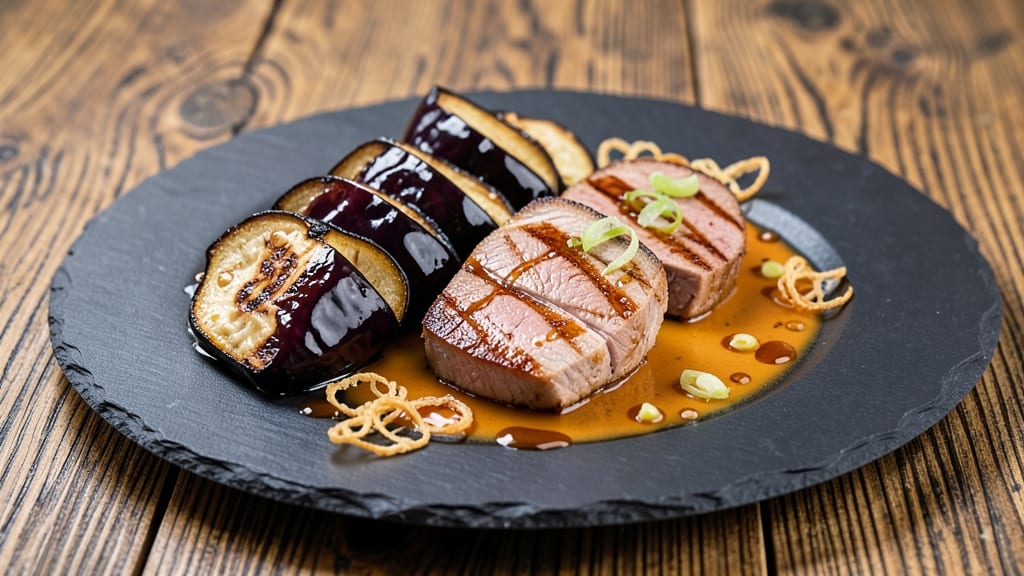
This aubergine and pork recipe delivers a perfect balance of smoky, crispy pork and tender, caramelized eggplant—each bite packed with umami depth. 🔥 After years of perfecting stir-fry techniques, I’ve developed a method that transforms simple ingredients into a restaurant-worthy dish with minimal effort.
The secret lies in high-heat searing for that coveted crispy texture while keeping the pork juicy and the eggplant perfectly tender.
What sets this dish apart is the marinade—a blend of soy sauce, garlic, and ginger—that infuses the pork with layers of flavor before it hits the pan. Meanwhile, the eggplant absorbs the same aromatic marinade, ensuring every bite is cohesive and rich.
The result? A dish that’s bold yet balanced, with crispy edges on both proteins and a sauce that’s sticky, savory, and just sweet enough to tie everything together.
Ready in under 30 minutes, this stir-fry is ideal for weeknight dinners but impressive enough for guests. The pork stays succulent thanks to a quick sear, while the eggplant achieves that perfect caramelized crust without turning mushy.
Serve it over steamed jasmine rice or with a side of quick-pickled vegetables to cut through the richness—this dish is a game-changer for anyone who loves bold, textured flavors.
The beauty of this recipe is its versatility. Swap in shrimp for pork, or add a handful of fresh herbs at the end for brightness. It’s the kind of dish that gets better with leftovers, as the flavors meld even more overnight.
Trust me, once you try this, you’ll never settle for anything less than crispy, umami-packed perfection.
Ingredients for aubergine pork
Crispy pork and tender eggplant meet umami-rich marinade for a dish that delivers restaurant-quality texture and flavor.
| Ingredient | Amount | Notes |
|---|---|---|
| Japanese Eggplant 🍆 | 2 whole | Medium-sized, sliced lengthwise |
| Boneless Pork Loin 🥩 | 1 ½ lb | Cut into 1-inch strips |
| Soy Sauce 🍶 | ½ cup | High-quality, low-sodium preferred |
| Garlic Cloves 🧄 | 6 cloves | Minced, fresh preferred |
| Fresh Ginger 🌿 | 2 tbsp | Grated, peeled |
| Honey 🍯 | 1 tbsp | Light or clover variety |
| Sesame Oil 🫒 | 1 tbsp | Toasted, for aroma |
| Neutral Oil 🫒 | 3 tbsp | Vegetable or canola |
| Brown Sugar 🍚 | 1 tbsp | Packed, light variety |
| Cornstarch 🌾 | 1 tbsp | For crispy coating |
| Green Onions 🧅 | 4 whole | Sliced, for garnish |
| Sesame Seeds 🌱 | 1 tbsp | Toasted, for garnish |
| Salt 🧂 | 1 tsp | Kosher or sea salt |
| Black Pepper 🌶️ | ½ tsp | Freshly ground |
The Japanese eggplant is key—its tender flesh caramelizes beautifully. Look for glossy, firm eggplants at Whole Foods or your local Asian market. If you can't find Japanese eggplant, regular eggplant works but slice it thinner for even cooking. The pork loin should have visible fat marbling—Trader Joe's carries excellent pre-cut strips, but if buying whole, slice against the grain for tender pieces. For the marinade, Kikkoman soy sauce is my go-to, but any high-quality brand will do. Fresh ginger and garlic are non-negotiable here—they make all the difference in flavor depth.
No sesame oil? Toasted peanut oil works in a pinch, though the flavor will differ slightly. Short on brown sugar? White sugar works 1:1, but the caramelization won't be as rich. The cornstarch is crucial for that crispy texture—don't skip it. For extra umami, add 1 tsp fish sauce to the marinade. If you're sensitive to heat, reduce the black pepper to a pinch. The green onions can be swapped for cilantro or Thai basil if you prefer. For a vegetarian version, replace pork with extra-firm tofu pressed and sliced—marinate it the same way.
Marinated pork keeps 2 days in the fridge, while sliced eggplant should be prepped and cooked immediately for best texture. The stir-fry reheats beautifully—just add a splash of water and cover to steam. For meal prep, portion into containers with rice and store for 3 days. The sesame seeds and green onions can be toasted fresh when serving to keep them vibrant. This dish tastes even better the next day as flavors meld—plan ahead and make extra.
Why You'll Love This Recipe
- One-Pan Magic: I swear by this recipe on lazy nights—just slice the eggplant, sear the pork, toss everything with soy and ginger, and let the pan do the work. No chopping boards stacked high, no pots clogging the sink. That crispy eggplant edge? Happens while you’re stirring the pork.
- Umami Bomb: The combo of Japanese eggplant’s meaty texture and pork’s richness, all wrapped in that deep soy-ginger punch, is ridiculously satisfying. Honestly, the first time I made it, I ate straight from the pan. The garlic cloves? Don’t skip them—they’re the secret to that addictive aroma.
- Lunchbox Hero: Between us, this is my go-to for meal prep. Shred the pork and eggplant, mix with a splash of extra soy, and pack it in containers for days. My kids (yes, even the picky ones) devour it cold or reheated—proof it’s not just adult food. Bonus: the ginger keeps it tasting fresh, not stale.
- Budget Win: Pork loin stretches farther than you’d think when sliced thin, and eggplant’s cheap at Asian markets. I’ve fed four people for under $15 with leftovers that taste just as good the next day. Not the prettiest dish, but the taste makes up for it every time. (Yes, even on a Tuesday night.)
Step-by-step instructions for umami-rich eggplant and pork stir-fry
Here's how to create a perfectly balanced stir-fry with tender pork and crispy eggplant edges.
🔥 Step 1: Prep the Eggplant for Maximum Crispiness
Slice the 2 whole Japanese eggplant lengthwise into ½-inch thick planks. Sprinkle both sides generously with the 1 tablespoon cornstarch and the 1 teaspoon salt. Toss gently to coat evenly - this creates a crispy barrier that prevents sogginess during cooking. Let them sit for 10 minutes while you prep the remaining ingredients.
This starchy coating is non-negotiable for achieving those crispy edges you're after. The salt also helps draw out moisture, ensuring the eggplant doesn't steam in the pan. I like to arrange them on a wire rack over a plate during this resting time for even drying.
🍳 Step 2: Cook the Pork to Perfect Tenderness
Heat 1 tablespoon of the neutral oil in a large wok or skillet over medium-high heat until shimmering. Add the 1.5 lb boneless pork loin strips in a single layer and sear undisturbed for 2-3 minutes until golden brown on one side. Flip and cook another 2-3 minutes until cooked through but still slightly pink in the center.
Don't crowd the pan - cooking in batches if needed prevents steaming. The pork should release easily from the pan when ready. Remove and set aside on a plate, leaving the rendered pork fat in the pan. This fat becomes the flavor foundation for your stir-fry.
🍳 Step 3: Stir-Fry Aromatics and Sauce Base
In the same pan, add the remaining 2 tablespoons neutral oil and swirl to coat. Add the 6 cloves minced garlic and 2 tablespoons grated ginger, cooking for 30 seconds until fragrant. Pour in the 0.5 cup soy sauce, 1 tablespoon brown sugar, and 1 tablespoon honey. Stir constantly for 2 minutes until the sauce begins to thicken slightly.
Here's where the umami magic happens. The soy sauce reduces quickly, so keep your stir-fry moving. If the sauce gets too thick before the eggplant is ready, add 1-2 tablespoons water to maintain the right consistency. The brown sugar and honey balance the saltiness while adding subtle caramel notes.
🥘 Step 4: Cook the Eggplant Until Crispy
Working in batches if needed, add the prepared eggplant planks to the pan in a single layer. Cook undisturbed for 3-4 minutes per side until golden brown and crispy at the edges. The cornstarch coating should create a satisfying crunch when you press gently with tongs. Remove and set aside with the pork.
This is the moment that matters: the eggplant must develop that perfect crisp-tender texture. If you see steam instead of browning, reduce the heat slightly and give it more time. The eggplant will continue cooking slightly when everything comes back together.
🥘 Step 5: Combine and Finish with Sesame Flourish
Return all the pork and eggplant to the pan with any accumulated juices. Add the 1 tablespoon sesame oil and toss everything together for 1-2 minutes until heated through. The residual heat will finish cooking the pork while infusing everything with sesame aroma.
Garnish immediately with the sliced 4 green onions and 1 tablespoon toasted sesame seeds. Serve hot over steamed rice, letting everyone add the 0.5 teaspoon black pepper to taste. The contrast of crispy eggplant edges against tender pork and silky sauce makes every bite satisfying.
Pro Tips For Making Aubergine Pork
- SALT THE EGPLANT FIRST: Japanese eggplant is spongy—skip salting, and it’ll turn to mush in the pan. Sprinkle it with coarse salt, let sit 10 minutes, then pat dry with paper towels. (Yes, even if you’re impatient like me.) The salt pulls out bitterness, and the dry surface guarantees a crispy crust instead of a soggy mess.
- SEAR PORK IN BATCHES: Crowd the pork loin in the pan, and you’ll steam it instead of sear it. Cut it into 1-inch chunks and work in single layers—no overlapping—over medium-high heat. The Maillard reaction needs space, and rushing this step means flavorless pork that just boils in its own juices.
- MINCE GINGER FINE: I used to chop ginger roughly, thinking it’d blend in. Wrong. For this dish, you need it tiny—almost paste-like. A microplane or the flat side of your knife works best. Fine ginger melts into the sauce, adding depth without chewy bits that ruin the texture.
- USE LESS SOY SAUCE: The recipe might call for 2 tablespoons, but that’s overkill. Start with 1, taste as you go, and add more if needed. Too much soy sauce makes the dish taste flat and salty, not savory. (Your future self will thank you for this one.)
Serving suggestions for this aubergine pork
Rice Pairings
Jasmine rice is my go-to base for this dish—its delicate floral aroma complements the umami without overpowering. Cook 1 cup jasmine rice with 1.5 cups water and a pinch of salt, then steam for 15 minutes until tender.
The slight stickiness helps hold the stir-fry together, while each grain remains distinct. For extra flair, stir in 1 teaspoon toasted sesame oil and ½ teaspoon furikake before serving. 🌾
Short-grain sushi rice works beautifully too, especially if you're serving with chopsticks. Rinse 1 cup rice thoroughly, then cook with 1.25 cups water and 1.5 tablespoons rice vinegar for a subtle tang.
The rice's chewiness contrasts perfectly with the crispy pork and eggplant edges. I like to mix in 1 tablespoon mirin during cooking for added sweetness that echoes the dish's honey notes.
Quick Pickled Veggies
Bright, acidic pickles cut through the richness of the stir-fry and add freshness. Toss 1 cup shredded carrots and 1 cup thinly sliced cucumber with ¼ cup rice vinegar, 1 teaspoon sugar, and ½ teaspoon salt. Let sit for at least 20 minutes before serving.
The crisp texture and tangy flavor make every bite feel balanced and refreshing. I often double the batch and store in the fridge for up to 1 week—they're perfect for quick sides.
For a spicy kick, add 1 teaspoon gochujang or ½ teaspoon red pepper flakes to the pickle brine. The heat contrasts beautifully with the dish's umami depth, while the acidity keeps your palate clean.
These pickles also work as a garnish—sprinkle them over the stir-fry just before serving for a pop of color and texture. 🌶️
Garnish Upgrades
Fresh herbs elevate this dish instantly. I always finish with 2 tablespoons chopped Thai basil or cilantro, which adds a bright, slightly peppery note that cuts through the richness. Toast the sesame seeds in a dry pan over medium heat for 1-2 minutes until fragrant—this enhances their nutty aroma dramatically.
For a smoky touch, sprinkle with ½ teaspoon smoked paprika right before serving.
If you have leftover stir-fry, store the garnishes separately and add them fresh when reheating. The herbs and seeds lose their vibrancy when stored with the dish, so keeping them separate ensures maximum flavor and presentation.
I also like to drizzle with 1 teaspoon chili oil just before serving for an extra layer of heat and depth. The contrast of cool, fresh herbs against the warm, crispy pork and eggplant makes every bite exciting. ✨
Beverage Pairings
A crisp, dry white wine like Sauvignon Blanc from New Zealand or a light-bodied red such as Pinot Noir from Oregon complements this dish beautifully. The acidity in the wine cuts through the richness, while the fruit notes in the red wine echo the dish's caramelized flavors.
I recommend chilling the white wine slightly and serving it at 50-55°F for the best balance.
For beer lovers, a Japanese lager like Asahi or Sapporo offers a clean, crisp finish that doesn't compete with the dish's bold flavors.
If you prefer something with a bit more body, try a light wheat beer like Blue Moon—its citrus notes pair wonderfully with the ginger and garlic in the stir-fry. Avoid heavy, malty beers that could overpower the delicate balance of the dish. 🍺
Nutrition facts
Frequently asked questions
Can I substitute regular eggplant for Japanese eggplant in this recipe?
Yes, but you'll need to adjust the prep. Regular eggplant has more moisture, so slice it ¼-inch thick instead of ½-inch and pat the slices dry thoroughly with paper towels. The cornstarch coating is even more critical with regular eggplant to prevent sogginess. For best results, salt the slices and let them sit for 20 minutes to draw out excess moisture before cooking.
How do I prevent the pork from drying out when stir-frying?
Keep the heat at medium-high and avoid overcrowding the pan. Cook the pork in single layers and remove it when it's just slightly pink in the center (145°F internal temp). The residual heat will finish cooking it when everything comes back together. Also, use a meat thermometer to check doneness—overcooking is the #1 cause of dry pork in stir-fries.
Can I make this recipe ahead of time?
The flavors actually improve overnight. Cook the pork and eggplant separately, then store them in the fridge for up to 2 days. When ready to serve, reheat in a pan with 1 teaspoon neutral oil over medium heat for 3-4 minutes, adding a splash of water to steam. Garnish fresh with sesame seeds and green onions right before serving to keep them crisp.
What's the secret to getting crispy eggplant edges?
The cornstarch and salt coating is non-negotiable! Toss the eggplant slices thoroughly and let them sit for 10 minutes before cooking. Use a large, well-heated pan and cook undisturbed for 3-4 minutes per side until golden brown. If your pan isn't hot enough, the eggplant will steam instead of crisp. A cast iron skillet works best for even heat distribution.
Can I make this dish spicier?
Add ½ teaspoon red pepper flakes to the sauce base or stir in 1 teaspoon chili crisp at the end. For heat lovers, include 1 teaspoon gochujang in the marinade. Remember that the sesame oil and toasted sesame seeds already add subtle warmth, so adjust gradually. Serve with extra chili oil on the side for customizable heat.