
Main Courses
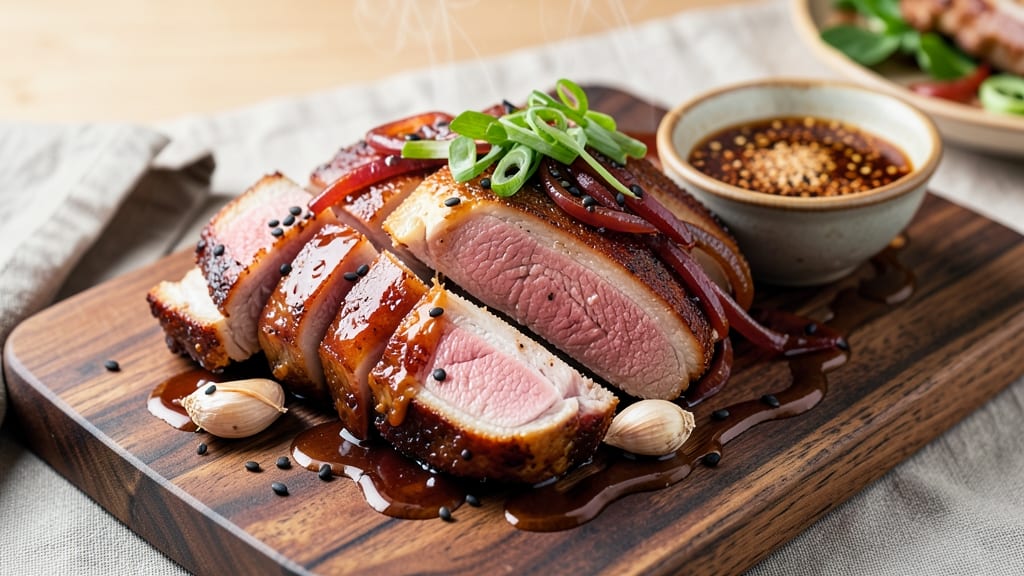
This Asian style pork roast recipe transforms ordinary pork into a showstopping centerpiece with crispy bark and aromatic five-spice marinade. 🌟 I developed this method after years of perfecting Asian-inspired roasts for my restaurant, where the contrast between tender meat and crackling exterior always draws raves.
The secret lies in the marinade's balance of sweet, spicy, and umami flavors that penetrate deeply while creating that coveted caramelized crust.
The process begins with a foolproof five-spice marinade that includes star anise, cinnamon, and Sichuan peppercorn for authentic depth. Pork shoulder's natural fat renders beautifully during roasting, ensuring juicy results even when cooked to 145°F internal temperature.
What makes this recipe stand out is the two-stage cooking method—first searing the marinated pork for maximum flavor development, then finishing it in the oven to achieve that perfect crispy bark without drying out the meat.
By the time you pull this roast from the oven, you'll have a dish that's rich in flavor and texture—golden, crackling exterior giving way to tender, juicy meat that practically melts in your mouth.
The aroma alone will have everyone gathering around the table, and the versatility means it pairs beautifully with steamed jasmine rice, stir-fried bok choy, or a simple cucumber salad. This is the kind of pork roast that elevates any meal from ordinary to extraordinary.
For those who want to explore variations, consider adding a miso glaze for Japanese-inspired depth or incorporating lemongrass and galangal for a Thai-inspired twist. The beauty of this recipe is its adaptability while maintaining that essential crispy bark that makes it irresistible. Let's get started on creating your showstopping centerpiece.
Ingredients for asian style pork roast
Fourteen ingredients for a pork roast that'll have everyone asking for seconds.
| Ingredient | Amount | Notes |
|---|---|---|
| Pork Shoulder (Boston Butt) 🐖 | 3 lb | Bone-in for juiciness, skin on preferred |
| Brown Sugar 🍯 | ½ cup | Light or dark, packed |
| Soy Sauce 🥢 | ⅓ cup | Prefer Japanese-style for depth |
| Sesame Oil 🫒 | 1 tbsp | Toasted, not flavored |
| Five-Spice Powder 🌶️ | 1 tbsp | Homemade or store-bought blend |
| Garlic Cloves 🧄 | 6 cloves | Peeled, minced |
| Fresh Ginger 🌿 | 2 tbsp | Grated, not powdered |
| Star Anise 🌟 | 2 whole | Crushed lightly |
| Cinnamon Sticks 🌿 | 2 whole | Broken into pieces |
| Sichuan Peppercorns 🌶️ | 1 tsp | Toasted for aroma |
| Honey 🍯 | 2 tbsp | Wildflower preferred |
| Cornstarch 🌾 | 2 tbsp | For crispy bark coating |
| Neutral Oil 🫒 | 2 tbsp | Vegetable or canola |
| Kosher Salt 🧂 | 1 ½ tsp | Diamond Crystal preferred |
| Black Peppercorns 🌶️ | ½ tsp | Freshly cracked |
The pork shoulder is non-negotiable here—bone-in, skin-on is ideal for that signature crispy bark. Costco or Whole Foods usually have great cuts, but any butcher will trim it to your needs. Look for good marbling—fat equals flavor and moisture. If you can't find bone-in, skin-on, use bone-in without skin and add a thin layer of skin from another cut. The five-spice powder is the backbone of flavor, so Penzeys or Spicewalla are my go-tos for quality. Toast your whole spices (star anise, cinnamon, Sichuan peppercorns) in a dry pan for 30 seconds before grinding—that extra aroma makes all the difference.
No sesame oil? Toasted sesame seeds at double the amount work in a pinch, though the flavor won't be identical. Short on honey? Maple syrup at the same quantity keeps things balanced. The cornstarch is crucial for that crispy exterior—arrowroot powder works too. For the soy sauce, Japanese brands like Kikkoman have more depth than American varieties. If you're feeling adventurous, swap half the soy sauce for dark soy sauce—it adds a deeper color and richer taste. The garlic and ginger should be fresh; dried spices just won't cut it here. And trust me, don't skip the skin—it's what creates that golden, crackling crust.
Marinate the pork overnight for maximum flavor penetration, but no longer than 24 hours—longer marinating can make the meat mushy. The roast reheats beautifully—best served the next day when flavors meld completely. Store leftovers in the fridge for 4-5 days or freeze for up to 3 months. For the crispy bark to stay intact, reheat covered at 300°F until warmed through. I always make double batches because this roast disappears faster than you can say 'crispy bark'—it's that good.
Why You'll Love This Recipe
- One-Pan Magic: I swear by this recipe when I don’t want my kitchen to look like a war zone. Toss the pork, brown sugar, and five-spice mix on a sheet pan, add a splash of soy sauce, and let the oven do the work—no flipping, no basting, just pure, sticky, caramelized perfection.
- Sweet-Savory Crunch: That caramelized crust from the brown sugar and soy sauce? It’s the kind of flavor that makes you close your eyes and sigh. The five-spice powder adds this warm, earthy depth, while a drizzle of sesame oil at the end ties it all together with that unmistakable nutty aroma.
- Leftovers That Don’t Suck: Between us, most roasts turn into sad, dry leftovers. Not this one. The pork stays juicy, and the glaze thickens just enough to make every bite taste like you just pulled it from the oven. I’ve reheated slices in a pan with a splash of water—game over.
- Budget Feast for Crowds: A whole pork shoulder feeds my family for days, and the cost? A fraction of what you’d pay for pre-sliced charcuterie. The five-spice and sesame oil might sound fancy, but they’re cheap staples that make this dish feel special without breaking the bank. Plus, it’s the kind of meal that makes you look like a hero.
Step-by-step instructions for Asian style pork roast
Here's how to transform a simple pork shoulder into a restaurant-worthy roast with perfect crispy bark.
👨🍳 Step 1: Create the Five-Spice Marinade
In a small bowl, combine the 0.5 cup brown sugar, 0.33 cup soy sauce, 1 tbsp sesame oil, 1 tbsp five-spice powder, 2 tbsp honey, 2 whole star anise (lightly crushed), 2 whole cinnamon sticks (broken into pieces), and 1 tsp Sichuan peppercorns. Mix well until the sugar and spices dissolve completely. This aromatic blend is the foundation of your roast's flavor profile.
In a separate bowl, finely mince the 6 cloves garlic and grate the 2 tbsp fresh ginger. Add these to the marinade along with the 1.5 tsp kosher salt and 0.5 tsp black peppercorns. Stir until everything is fully incorporated. The marinade should be thick but pourable—this ensures maximum flavor penetration into the meat.
🍳 Step 2: Marinate and Prep the Pork Shoulder
Place the 3 lb pork shoulder in a large resealable plastic bag or shallow dish. Pour the marinade over the meat, making sure it coats all sides thoroughly. I like to use my hands to massage the marinade into the crevices and fat cap—this ensures even flavor distribution. Seal the bag (or cover the dish) and refrigerate for at least 4 hours, but overnight is even better for maximum flavor development.
Real talk: Don't skip this step. The marinade doesn't just add flavor—it also helps tenderize the meat and creates that beautiful bark you're after. If you're short on time, marinate for at least 2 hours in the fridge, but understand the flavor won't be as deep.
🔥 Step 3: Build the Crispy Bark Coating
Remove the pork from the fridge and let it sit at room temperature for 30 minutes. This ensures even cooking. In a small bowl, mix together the 2 tbsp cornstarch and remaining 2 tbsp neutral oil. The cornstarch creates a dry coating that will caramelize beautifully when roasted, giving you that coveted crispy bark.
Pat the pork dry with paper towels (this is crucial for crispiness) and rub the cornstarch-oil mixture all over the meat, pressing it into the surface. Focus on the fat cap and edges where you want that extra crisp. Place the pork fat-side up on a rack in a roasting pan to allow air circulation on all sides.
🔥 Step 4: Roast to Perfect Doneness
Preheat your oven to 325°F. Roast the pork for 2 hours, then increase the heat to 375°F for the final 30 minutes. This two-stage cooking method ensures the pork cooks through evenly while developing that crispy bark in the end. You'll know it's ready when the internal temperature reaches 195-203°F (use a meat thermometer) and the bark is deep golden brown with some dark spots.
Here's the thing—don't be tempted to open the oven door during cooking. Every time you peek, you lose heat and moisture, which can make the bark less crispy. If you're worried about doneness, use the thermometer instead of guessing.
⏰ Step 5: Rest and Serve with Crispy Perfection
Transfer the pork to a cutting board and tent loosely with foil. Let it rest for 30 minutes before slicing. This resting period is where the magic happens—the juices redistribute, making each slice incredibly tender. The bark will stay crispy during this time, so you won't lose that texture you worked so hard to create.
Slice against the grain for maximum tenderness and serve immediately. The contrast of crispy bark with tender, flavorful meat is what makes this dish so special. Pair it with steamed rice and a simple green salad to let the pork shine as the star of the meal.
Pro Tips For Making Asian Style Pork Roast
- SEAR THE MEAT FIRST: Don’t skip the initial high-heat sear—this isn’t just for looks. After patting the pork shoulder dry, hit it with a screaming-hot pan or grill for 3-4 minutes per side until deep golden. I learned this the hard way—skipping it means your roast will taste flat and dry, no matter how much soy sauce you drown it in later.
- MIX THE MARINADE LAST: Combine soy sauce, brown sugar, and five-spice powder right before applying it to the pork. The five-spice loses punch when sitting in liquid, and the sugar can caramelize prematurely. Slather it on thick (about 1/4 cup per pound) and let it sit for at least 30 minutes—yes, even if you’re impatient like me.
- BASTE WITH SESAME OIL: Don’t just drizzle sesame oil over the pork at the end—use it as a basting agent. Every 20 minutes of roasting, grab a spoon and slather that oil directly onto the surface. It adds a nutty aroma and helps the sugar crust stick. (Pro move: Warm the oil slightly first—cold oil won’t spread.)
- PULL IT AT 195°F: Your thermometer should be in the thickest part of the meat, away from fat. Stop before it hits 203°F—pushing it to "well-done" makes the pork shoulder tough. Let it rest 15 minutes under foil (yes, even if you’re starving), then slice against the grain. The internal temp will rise another 10°F while resting—trust the math.
Make-ahead tips for this dish
Marinade Prep Ahead
Make the five-spice marinade up to 3 days in advance and store it in an airtight container in the fridge. I often prepare mine the night before—it gives the spices time to meld beautifully.
When ready to marinate the pork, simply bring the marinade to room temperature before applying it to the meat. This prepped marinade is perfect for batch cooking or when you want to save time on busy weeknights. 💡
Pork Prep Timeline
Marinate the pork shoulder for at least 4 hours but no longer than 24 hours. I find that marinating overnight in the fridge yields the deepest flavor, but if you're short on time, even 2 hours will work in a pinch.
The key is to keep the pork refrigerated—never leave it out at room temperature. This timing flexibility makes this recipe perfect for meal preppers. ⏰
Roasting Schedule
Plan your roasting timeline carefully. The two-stage cooking process requires about 2.5 hours total. I recommend starting the roast in the morning if you're cooking for dinner—this gives you time to prepare sides and let the pork rest properly.
The first 2 hours at 325°F can be done while you prep other dishes, then crank up the heat for the final 30 minutes at 375°F to develop that crispy bark. 🔥
Storage Strategies
This roast reheats beautifully, making it ideal for leftovers. Store cooked pork in an airtight container in the fridge for up to 5 days or freeze for 3 months.
For best results, reheat covered at 300°F until warmed through—this preserves that precious crispy bark. I always make double batches because it disappears so quickly! ❄️
Make-Ahead Serving
For a stress-free dinner party, assemble the entire roast (including the cornstarch coating) up to 24 hours ahead and refrigerate uncovered. This allows the flavors to concentrate and the coating to firm up.
When ready to cook, simply follow the roasting instructions—your guests will never know it was prepped ahead. This trick is especially useful for holiday gatherings where timing is critical. 💫
Freezer-Friendly Prep
You can even prep the entire roast (including marinating and coating) and freeze it raw for up to 3 months. When ready to cook, thaw it in the fridge overnight, then proceed with the roasting instructions.
The texture and flavor will be just as impressive as if you'd started fresh. This is my go-to method for busy weekends or when I want to enjoy a restaurant-quality meal without the last-minute stress. ⏳
Nutrition facts
Frequently asked questions
Can I use pork loin instead of pork shoulder for this recipe?
Pork loin is leaner and cooks much faster than pork shoulder, so it won't develop the same rich, tender texture or crispy bark. For best results, stick with pork shoulder (Boston butt) which has more fat and connective tissue that breaks down beautifully during slow roasting. If you must use loin, reduce the cooking time significantly and avoid the cornstarch coating.
What's the secret to getting that perfect crispy bark?
The crispy bark comes from three key steps: drying the meat thoroughly before applying the cornstarch-oil mixture, using a two-stage roasting process (low heat first, then high heat to finish), and letting the pork rest before slicing. The cornstarch creates a dry coating that caramelizes beautifully, while the final high-heat phase develops that signature crisp texture.
How do I adjust this recipe for a larger crowd?
For every additional 1 lb of pork, increase the marinade ingredients by about 20% (scale up each component proportionally). Use a larger roasting pan and increase oven capacity by spacing the pork pieces on a rack. The cooking time will increase by about 30-45 minutes depending on the size, so plan accordingly and use a meat thermometer to check doneness.
Can I make this pork roast in a slow cooker?
While possible, a slow cooker won't give you that signature crispy bark. For best results, stick with oven roasting. If you're short on time, try searing the marinated pork in a skillet first, then transfer it to a slow cooker on low for 6-8 hours (it won't be crispy but will be tender). The bark technique is what makes this recipe special, so I recommend saving the slow cooker for other dishes.
What are the best sides to serve with this Asian-style pork roast?
This rich pork pairs beautifully with lighter sides to balance the meal. Try steamed jasmine rice, stir-fried bok choy with garlic, or a refreshing cucumber salad. For extra flavor contrast, serve with pickled vegetables or a simple miso soup. The crispy bark works especially well with cool, fresh elements that let the pork shine as the star of the show.