
Main Courses
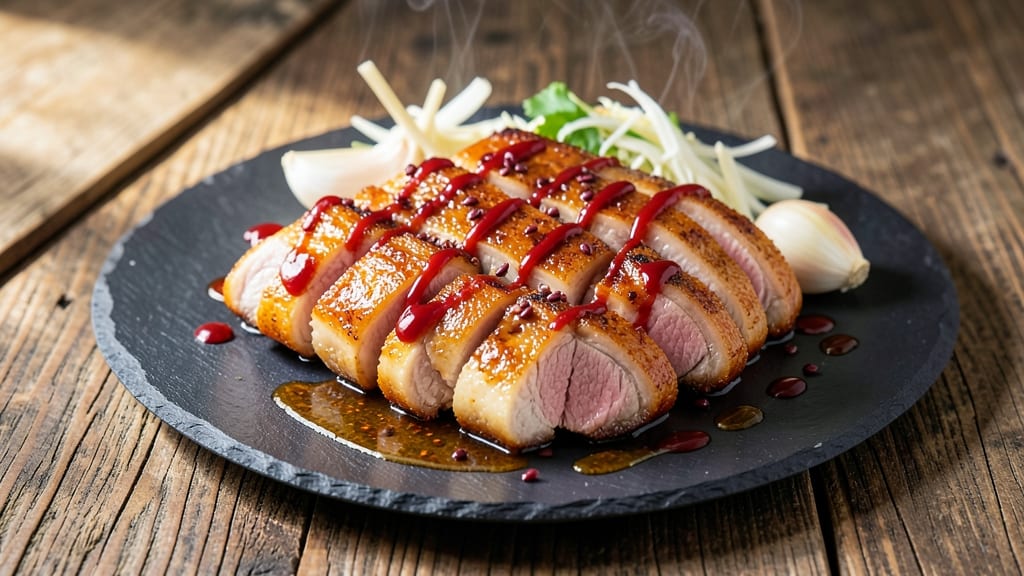
This Korean marinated pork belly recipe delivers the perfect balance of crispy bark and tender, sweet-spicy meat that’ll have you reaching for seconds. 🔥 The secret lies in a marinade that transforms tough pork belly into melt-in-your-mouth perfection with just the right amount of caramelized crust.
I’ve perfected this technique over years of cooking for crowds, and it’s become a staple at my restaurant—now I’m sharing it with you.
The process starts with a marinade of soy sauce, brown sugar, garlic, and sesame oil, which infuses the pork belly with deep, savory-sweet flavors. After marinating overnight, the pork belly is slow-cooked until the fat renders into crispy, golden bark while the meat stays succulent inside.
This method ensures every bite delivers that satisfying contrast of textures and flavors that Korean cuisine is famous for.
What makes this recipe special is the combination of traditional techniques and modern convenience. You’ll end up with pork belly that’s crispy on the outside, tender on the inside, and infused with layers of sweet, spicy, and umami flavors.
The result is a dish that’s impressive enough for dinner parties but simple enough to make on a weeknight.
Serve it with steamed jasmine rice, a side of kimchi, and quick-pickled vegetables to round out the meal. The crispy pork belly pairs beautifully with the tangy, fermented flavors of kimchi, while the rice soaks up every last bit of the delicious juices.
This is comfort food at its finest, and it’s sure to become a new favorite in your home.
Ingredients for korean marinated pork belly
Sweet, spicy, and crispy—just 12 ingredients transform pork belly into restaurant-quality perfection.
| Ingredient | Amount | Notes |
|---|---|---|
| Pork Belly 🥓 | 3 lb | Skin-on, thick-cut preferred |
| Korean Soy Sauce (Ganjang) 🍶 | ½ cup | Or sub regular soy sauce |
| Brown Sugar 🍚 | ½ cup | Packed, light brown preferred |
| Sesame Oil 🫒 | 2 tbsp | Toasted sesame oil for flavor |
| Garlic Cloves 🧄 | 8 cloves | Minced for marinade |
| Ginger 🌿 | 1 tbsp | Freshly grated, peeled |
| Gochujang 🌶️ | 1 tbsp | Korean red pepper paste |
| Rice Vinegar 🍶 | 1 tbsp | White rice vinegar preferred |
| Neutral Oil 🫒 | 2 tbsp | Vegetable or canola oil |
| Salt 🧂 | 1 tsp | Kosher or sea salt |
| Black Pepper 🌶️ | ½ tsp | Freshly ground preferred |
| Green Onion 🧅 | 2 whole | Sliced for garnish |
The pork belly is non-negotiable here—thick-cut with skin-on gives you that legendary crispy bark. Asian markets usually carry the best cuts, but most grocery stores stock it too. Look for good marbling and avoid anything with a strong ammonia smell. I always buy 3 lbs for 4 servings—enough for leftovers. The Korean soy sauce (ganjang) is key—it’s sweeter and less salty than regular soy, but regular soy sauce works in a pinch. If you can’t find it, just use a mix of soy sauce and a touch of sugar.
No gochujang? Substitute 1 tbsp sriracha plus 1 tsp sugar for heat. Fresh ginger is ideal but dried ginger at half the amount works too. The sesame oil should be toasted—Trader Joe's or Costco sell it pre-toasted, which saves time. For the oil, use something with a high smoke point like vegetable or canola—olive oil burns too easily. Brown sugar is packed in the cup, so don’t scoop it. The green onions add freshness at the end—freeze extras in the fridge for up to 2 weeks.
Marinate the pork belly overnight in the fridge—at least 8 hours. The skin crisps best when dry, so pat it thoroughly before cooking. Leftovers? Store in an airtight container for 3-4 days. Reheat in the oven at 350°F (175°C) until crispy again. For parties, double the recipe—pork belly reheats beautifully and tastes even better the next day. Garnish with extra green onions right before serving.
Why You'll Love This Recipe
- One-Pan Magic: I swear by this for lazy Sundays—just marinate the pork belly overnight (or even 2 hours if you’re in a rush), slap it on a sheet pan, and roast. No chopping, no flipping, no stress. The sesame oil caramelizes right there, giving you that sticky, golden crust with zero extra work.
- Sweet-Savory Crunch: Between us, this isn’t your average pork belly. The ganjang and brown sugar create this perfect balance—salty, sweet, with a hint of umami that just won’t quit. And when you get that crispy edge on the outside? It’s the kind of bite that makes people ask, “What’s in this?”
- Budget Stretch: Pork belly can feel fancy, but this recipe turns it into a crowd-pleaser without breaking the bank. A single slab feeds four, and the marinade costs pennies. Plus, the leftovers stretch across lunches, so you’re basically getting two meals for the price of one. My wallet thanks me every time.
Step-by-step instructions for Korean marinated pork belly
Here's how to transform fatty pork belly into irresistible crispy bites with perfect sweet-spicy balance.
👨🍳 Step 1: Create the Sweet-Spicy Marinade
In a medium bowl, combine the 0.5 cup Korean soy sauce (ganjang), 0.5 cup brown sugar, 2 tbsp sesame oil, 8 cloves minced garlic cloves, 1 tbsp freshly grated ginger, 1 tbsp gochujang, and 1 tbsp rice vinegar. Whisk until the brown sugar dissolves completely—this ensures even flavor distribution throughout the marinade.
I like to press the garlic and ginger through a fine-mesh strainer to avoid any lingering texture in the final dish. Taste the marinade and adjust seasoning—add a pinch more salt if needed. The marinade should be bold but balanced, with sweetness from the sugar and brown soy sauce, heat from the gochujang, and umami from the sesame oil.
🥘 Step 2: Marinate the Pork Belly Overnight
Place the 3 lb pork belly (skin-side up) in a large resealable plastic bag. Pour the marinade over the pork belly, making sure it coats all surfaces—especially the fat cap. Gently massage the marinade into the meat, working it between the fat layers. Seal the bag and refrigerate for at least 12 hours (I prefer 24 hours for maximum flavor penetration).
Here's the thing—don't skip the overnight marinating. The acidity in the rice vinegar and soy sauce breaks down the connective tissue, while the sugar helps caramelize the exterior during cooking. I've found that pork belly absorbs marinade differently than lean cuts, so give it plenty of time to soak up all those delicious flavors.
🔥 Step 3: Preheat and Render the Fat
Remove the pork belly from the marinade (reserve the marinade for basting) and pat it dry with paper towels. Preheat your oven to 250°F—this low temperature is crucial for rendering the fat slowly without cooking the meat. Place a wire rack over a baking sheet and position the pork belly skin-side down on the rack.
Transfer to the oven and cook for 1 hour. This initial phase renders about 80% of the fat while keeping the meat tender. You'll know it's working when you see clear fat pooling in the pan below. Don't peek or open the oven door—every time you do, you lose heat and moisture, which can lead to dry meat.
🔥 Step 4: Crisp the Skin at High Heat
Remove the pork belly from the oven and increase the temperature to 450°F. Flip the pork belly skin-side up and return it to the oven. Baste with the reserved marinade every 15 minutes for 45-60 minutes until the skin is deep golden brown and crispy enough to crack when pressed gently with tongs.
This high-heat phase is where the magic happens—the skin develops that coveted crackly bark while the meat remains juicy. I like to use a meat thermometer to check the internal temperature—it should reach 195-203°F in the thickest part. The meat will continue cooking slightly as it rests, so don't worry if it's not quite there yet.
🍳 Step 5: Rest and Slice for Maximum Juiciness
Once the skin is perfectly crispy, remove the pork belly from the oven and transfer it to a cutting board. Tent loosely with aluminum foil and let it rest for at least 30 minutes (I prefer 1 hour). This resting period allows the juices to redistribute throughout the meat, ensuring each slice is moist and flavorful.
While it rests, slice the pork belly into ½-inch thick pieces, cutting against the grain for maximum tenderness. Garnish each piece with sliced 2 whole green onion and a drizzle of any remaining marinade. Serve immediately with steamed rice and kimchi to soak up all that delicious juices and sauce.
Pro Tips For Making Korean Marinated Pork Belly
- Score the Fat: Use a sharp knife to cut shallow lines (about ¼-inch deep) into the fat cap—just enough to let the marinade seep in without turning it into confetti. I learned this the hard way after my first batch rendered into a greasy mess instead of crispy perfection.
- Marinate Overnight (No Excuses): Skip the rushed 30-minute soak and let the pork belly sit in the ganjang, brown sugar, and sesame oil mix for at least 8 hours—preferably overnight. The sugar needs time to break down the fat and tenderize, and the garlic cloves should soften into flavor bombs. (Yes, even if you’re impatient like me.)
- High Heat, Then Low: Sear the pork belly over screaming-hot heat until the edges darken, then finish at 325°F (165°C) until the internal temp hits 160°F (71°C). The initial blast locks in juices, while the slow cook guarantees melt-in-your-mouth texture—no more dry, chewy bites.
- Toast the Garlic First: Mince the garlic cloves and fry them in sesame oil until fragrant and golden (about 2 minutes). Toss them into the marinade while warm—they’ll infuse the pork with depth instead of just sitting there like raw, bitter bits. (Your nose will thank you.)
Serving suggestions for leftovers
Rice Pairings
Steamed jasmine rice is my go-to base for this dish—its delicate floral notes complement the pork belly’s rich, caramelized flavors. Cook about 2 cups uncooked rice with 3 cups water for 4 servings, then fluff gently with a fork.
For extra depth, stir in 1 tbsp toasted sesame oil and a pinch of salt while still warm. 🌱
Kimchi Essentials
No Korean meal is complete without kimchi! I recommend napa cabbage kimchi for its crisp texture and tangy-sweet balance. Serve ½ cup per person alongside the pork belly to cut through the richness.
For a quick option, buy pre-made kimchi from H Mart or Asian grocery stores—just warm it slightly before serving. The fermentation process adds probiotics that pair perfectly with the fatty pork.
Pickled Vegetables
Quick-pickled radishes or cucumbers add refreshing acidity to the plate. Thinly slice 1 cup daikon radish and 1 cucumber, then toss with ½ cup rice vinegar, 1 tbsp sugar, and ½ tsp salt.
Let sit for 30 minutes before serving. This bright contrast makes every bite feel balanced and vibrant. 🥕
Garnish Game-Changers
Finish each plate with sliced green onions, a drizzle of extra sesame oil, and a sprinkle of toasted sesame seeds for texture. For heat lovers, add Korean chili flakes (gochugaru)—just ½ tsp per plate to keep it subtle.
I also love a side of steamed bok choy with a splash of soy sauce for extra umami. These small touches elevate the dish from good to unforgettable.
Beverage Pairings
For drinks, I suggest soju (Korean clear liquor) served chilled—its clean, crisp profile cleanses the palate between bites. If you prefer beer, Hite IPA from Korea offers a malty sweetness that complements the pork’s caramelized flavors. For non-alcoholic options, yuja (citron) tea adds a zesty, refreshing contrast. 🍶
Make-Ahead Serving
Prep ahead by marinating the pork belly 2 days in advance and storing it in the fridge. Cook it completely, then refrigerate the slices in an airtight container for up to 4 days.
Reheat in a 350°F (175°C) oven for 10-15 minutes until crispy again. Serve with pre-cooked rice and kimchi—just warm everything through before plating. This makes hosting effortless while keeping the dish restaurant-quality. ✨
Nutrition facts
Frequently asked questions
Can I use regular soy sauce instead of Korean soy sauce (ganjang)?
Yes, you can substitute! Use ½ cup regular soy sauce plus 1 tbsp sugar to mimic ganjang's sweetness. The flavor will be slightly saltier, but it'll still deliver that savory-sweet balance. For extra depth, add ½ tsp honey to the marinade.
How do I get the skin extra crispy without burning the meat?
The secret is two-stage cooking! First render the fat at 250°F (120°C) for 1 hour to melt it gently. Then crank to 450°F (230°C) and flip skin-side up. Baste with marinade every 15 minutes—this creates a protective glaze while building crispiness. A meat thermometer helps: aim for 195-203°F (90-95°C) internally.
What if I don't have gochujang? Can I make it milder?
Mix 1 tbsp sriracha with ½ tbsp honey for a sweeter heat. For no heat at all, skip it and add 1 extra tbsp brown sugar to the marinade. The dish will still be delicious—just less spicy. Adjust to taste after marinating.
Can I cook this in a slow cooker instead of the oven?
Not ideal for crispy skin, but you can try! Place the marinated pork belly in the slow cooker on low for 6-8 hours, then transfer to a baking sheet and broil for 5-10 minutes to crisp the skin. The meat will be tender, but the bark won't be as crackly as oven-roasted. For best results, stick with the oven method.
How do I store leftovers to keep the pork belly crispy?
Store slices in an airtight container with a piece of parchment paper between layers. Reheat at 350°F (175°C) for 10-15 minutes until the skin crisps again. For extra crunch, broil for 2-3 minutes at the end. Leftovers stay delicious for 4 days—just avoid microwaving!