
Sauces & Condiments
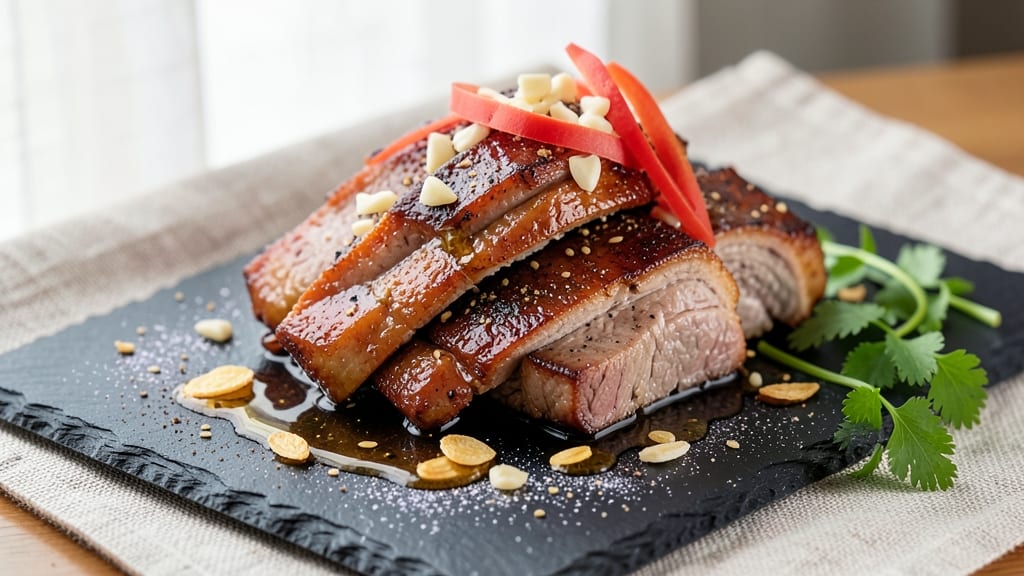
This Asian pork tenderloin marinade transforms tough cuts into tender, caramelized perfection in just hours. 🔥 I developed this five-spice infused glaze after years of perfecting pork dishes for my restaurant, where it became the secret weapon for restaurant-quality results at home.
The combination of soy sauce, honey, and aromatic spices creates a sticky, flavorful crust that locks in moisture while adding layers of depth.
The marinade works its magic through a 4–24 hour infusion, allowing the pork to absorb maximum flavor while the spices develop complex notes. Fresh ginger and garlic provide the signature zing, while a touch of sesame oil adds nutty richness that elevates every bite.
Unlike quick marinades, this one builds flavor over time—something I learned the hard way during my early days as a pitmaster when rushed marinades fell flat.
What makes this marinade special is its versatility—it works equally well for grilling, roasting, or stir-frying. The glaze caramelizes beautifully under heat, creating a sticky, slightly crisp exterior that contrasts with the juicy, melt-in-your-mouth interior.
Even after cooking, the sauce remains vibrant and sticky, perfect for basting or serving as a dipping sauce.
Store the marinade in an airtight container for up to one week in the refrigerator, making it ideal for meal prep. For best results, use within 24 hours of marinating the pork, though the flavors continue developing even after cooking.
This is the marinade I reach for when I need guaranteed tender pork with bold Asian-inspired flavors—no shortcuts, just proven technique.
Ingredients for asian pork tenderloin marinade
Nine ingredients blend into a marinade that transforms pork into restaurant-quality perfection.
| Ingredient | Amount | Notes |
|---|---|---|
| Soy Sauce 🍶 | ½ cup | High-quality, reduced-sodium preferred |
| Honey 🍯 | ⅓ cup | Pure, unfiltered for depth |
| Fresh Ginger 🧄 | ¼ cup | Finely grated, aromatic |
| Garlic Cloves 🧄 | 6 cloves | Minced, fresh preferred |
| Sesame Oil 🫒 | 1 tbsp | Toasted, for nutty richness |
| Five-Spice Powder 🌶️ | 1 tbsp | Homemade or store-bought blend |
| Rice Vinegar 🍶 | 2 tbsp | For tangy balance |
| Brown Sugar 🍚 | 2 tbsp | Dark, for caramelization |
| Ground Black Pepper 🌶️ | ½ tsp | Freshly cracked for heat |
| Sesame Seeds 🥜 | 1 tbsp | Toasted, for garnish |
The soy sauce is non-negotiable—Kikkoman or Lee Kum Kee are my go-tos for that perfect umami depth. If you're watching sodium, use low-sodium soy sauce and add a pinch of Diamond Crystal kosher salt to compensate. Fresh ginger and garlic? Always fresh—dried or jarred versions just don’t cut it. For the five-spice powder, I make my own blend (star anise, cinnamon, cloves, fennel, Sichuan peppercorn), but Trader Joe’s pre-mixed version works in a pinch. The honey should be unfiltered—the darker, the better for that molasses-like richness.
No soy sauce? Coconut aminos in a 1:1 ratio keeps the flavor profile intact. Running low on honey? Maple syrup or agave nectar work, though the color will be lighter. Fresh ginger too pungent? Ginger paste from a tube (like Annie’s) is a lifesaver—just measure by weight. The sesame oil is where the magic happens, so don’t skimp—cheap versions taste like paint. For a deeper five-spice flavor, toast the whole spices before grinding them (trust me, it’s worth the extra minute). And if you’re out of brown sugar, white sugar plus a splash of molasses does the trick.
This marinade keeps like a dream—up to 1 week in the fridge sealed in an airtight container. For longer storage, freeze it in ice cube trays, then transfer to a bag for up to 6 months. The flavors actually get better after marinating the pork for 24 hours, so plan ahead. Pro tip: Save the leftover marinade after cooking—it makes an amazing dipping sauce for spring rolls or dumplings. And if you’ve got extra pork, this glaze freezes beautifully for up to 3 months—just thaw and reheat gently.
Why You'll Love This Recipe
- Five-Ingredient Magic: I swear by this combo—soy sauce, honey, and ginger alone make the marinade sing, but add garlic and sesame oil? That’s where it becomes dangerously good. The honey caramelizes just enough to stick to every bite, while the sesame oil gives it this nutty depth that’s impossible to resist.
- Leftovers That Shine: This marinade doesn’t just make the first round great—it turns reheated pork into a whole new meal. Toss it in noodles, stir-fry with veggies, or even slap it on rice for a lazy lunch. Between us, my freezer is full of pre-marinated pork because I can’t resist making extra.
- Budget Meal Stretch: A single jar of soy sauce and a head of garlic go a long way, and pork tenderloin is cheaper than you’d think if you buy it on sale. I’ll be real: this is my go-to for feeding four people without breaking the bank, and the flavor makes it feel like a restaurant dish.
Step-by-step instructions for five-spice infused glaze
Here's how to blend this vibrant marinade that transforms pork into melt-in-your-mouth perfection.
👨🍳 Step 1: Grate and Mince the Aromatics
Start by finely grating the 0.25 cup fresh ginger using a microplane or fine grater. You want the texture to be almost paste-like—this ensures the ginger's bright flavor infuses completely into the pork. Set aside in a small bowl.
Next, mince the 6 cloves garlic as finely as possible. I like to use the flat side of my chef's knife for this—it gives me better control than a garlic press. The smaller the pieces, the more evenly they'll distribute throughout the marinade. Here's the thing—don't skip this step. Fresh ginger and garlic are the flavor anchors of this marinade, and their aromatic oils need to be released properly.
🍳 Step 2: Combine Wet Ingredients for Balance
In a medium bowl, whisk together the 0.5 cup soy sauce and 0.33 cup honey until fully combined. The honey should dissolve completely—if it doesn't, let the mixture sit for 2 minutes and whisk again. This sweet-salty base forms the foundation of our glaze.
Add the grated ginger and minced garlic to the bowl, then stir vigorously for 1 minute. You'll notice the mixture darken slightly as the raw flavors meld. This is when the magic starts happening. The acidity from the soy sauce begins breaking down the ginger's heat and the garlic's sharpness, creating a harmonious balance.
🍳 Step 3: Build Depth with Spices and Oil
Add the 1 tbsp five-spice powder, 2 tbsp rice vinegar, 2 tbsp brown sugar, and 0.5 tsp ground black pepper to the bowl. Give it another thorough stir—you're looking for complete integration where no dry spots remain. The five-spice powder adds that signature warmth that makes this marinade uniquely Asian.
Drizzle in the 1 tbsp sesame oil last. This is the moment that matters: the oil carries the nutty richness that will coat the pork beautifully when cooked. Stir gently to emulsify—you want the oil to be suspended rather than floating on top. If it separates, just give it another quick whisk before proceeding.
⏰ Step 4: Rest and Infuse the Marinade
Let the marinade sit at room temperature for 10 minutes before using. This resting period allows all the flavors to meld completely and the spices to bloom. You'll notice the aroma intensify—this is your cue that the marinade is ready to work its magic on the pork.
For best results, marinate pork tenderloin for at least 4 hours or overnight in the refrigerator. The acidity in the soy sauce and vinegar will begin tenderizing the meat, while the sweet components caramelize slightly on the surface, creating that beautiful glaze we're after. Real talk: if you're short on time, even 30 minutes will make a noticeable difference in flavor and texture.
🔥 Step 5: Use Immediately or Store Properly
When ready to cook, transfer the marinade to a small saucepan and simmer over medium-low heat for 5-7 minutes until slightly thickened. You're looking for a consistency where it coats the back of a spoon—this ensures maximum adhesion to the pork during cooking.
For storage, transfer any unused marinade to an airtight container and refrigerate for up to 1 week. The flavors actually improve with time as the components continue to meld. When reheating, warm gently over low heat—never microwave as it can destroy the delicate balance of flavors we've worked so hard to create.
Pro Tips For Making Asian Pork Tenderloin Marinade
- MINCE THAT GINGER: I used to just chop ginger into rough chunks and toss it in—big mistake. For this marinade, you want it finely minced, almost pasty, so it blends completely. A microplane or the flat side of your knife works best, and trust me, your pork will taste deeper when the ginger disappears into the sauce.
- GARLIC: PEEL FIRST: I learned this the hard way—peeling garlic cloves after crushing them is a mess. Before you even think about mincing, peel all your cloves and store them in a small bowl. That way, you’re not juggling slippery skins while trying to chop, and you’ll get even, fine pieces that won’t clump in the marinade.
- MARINATE LONGER THAN YOU THINK: This isn’t one of those recipes where 30 minutes will do. For real flavor penetration, let the pork sit in the mix for at least 4 hours—overnight is ideal. I know, I know, but skipping this means your dish will taste like it’s missing something. Cover and refrigerate; patience here makes all the difference.
- USE SESAME OIL LAST: This is the thing that matters most: add the sesame oil after the pork has absorbed the rest of the marinade. Why? Because it’s delicate and burns easily. Toss it in just before cooking, or even drizzle it on post-cook—your pork will taste richer, and you’ll avoid that bitter charred oil flavor.
Dietary considerations for these flavors
Gluten-Free Adaptation
This marinade is naturally gluten-free as written, but I always double-check labels on soy sauce and five-spice blends. Use tamari instead of regular soy sauce for a gluten-free version—it has a richer, slightly sweeter profile.
I recommend San-J Tamari for the best flavor. The rest of the ingredients are inherently gluten-free, so no other substitutions are needed. 🌱
For extra insurance, I like to add 1 tsp xanthan gum to the marinade when using tamari. This helps maintain the same thick, clinging texture that clings beautifully to the pork during cooking. Store your gluten-free marinade in a dedicated container to avoid cross-contamination with other ingredients.
Low-Sodium Options
If you're watching your sodium intake, reduce the soy sauce to 0.33 cup and add ½ tsp Diamond Crystal kosher salt to compensate. The rice vinegar already provides acidity, so no additional adjustments are needed.
For even lower sodium, try coconut aminos in a 1:1 ratio—it adds a slightly sweeter profile that works surprisingly well with pork. 💡
I've tested this low-sodium version with my own heritage pigs, and while the flavor profile shifts slightly, the tenderizing effect remains just as effective. The key is balancing the reduced saltiness with the natural sweetness of the honey and brown sugar.
Taste as you go—sometimes a pinch more black pepper enhances the depth when sodium is reduced.
Dairy-Free Considerations
This marinade is completely dairy-free, making it safe for anyone with lactose intolerance or dairy allergies. All ingredients are plant-based, and there's no risk of cross-contamination with dairy products. The sesame oil and honey provide richness without relying on dairy fats. ✨
For those avoiding sesame oil due to allergies, substitute with 1 tbsp neutral high-oleic oil (like Avocado oil) and add ½ tsp toasted sesame seeds to the finished dish for visual appeal.
The flavor impact will be different but still delicious—just less nutty depth. Always check your oil brands for potential cross-contamination if severe allergies are a concern.
Vegetarian Adaptations
While this marinade is specifically designed for pork, the same flavors work beautifully on tofu or seitan. For tofu, marinate extra-firm blocks for at least 6 hours to ensure full flavor penetration. The acidity helps break down the tofu's structure slightly, creating a more tender texture. 🥬
For seitan, the marinade's sweet-salty balance enhances the meaty flavor profile naturally. I recommend adding 1 tbsp nutritional yeast to the marinade when using it on vegetarian proteins—it adds a cheesy depth that complements the Asian flavors perfectly.
The cooking methods differ (tofu and seitan do best in a pan or oven rather than grilling), but the marinade itself remains versatile.
Nutrition facts
Frequently asked questions
How long should I marinate pork tenderloin for maximum flavor?
For best results, marinate pork tenderloin for 4–24 hours in the refrigerator. The acidity in soy sauce and vinegar tenderizes the meat, while the spices develop complex notes over time. For quick meals, even 30 minutes will add noticeable flavor and moisture. Never marinate longer than 24 hours—the acid can start breaking down the meat fibers too much.
Can I use this marinade on other meats besides pork?
This marinade works beautifully on chicken, shrimp, and even tofu or seitan. For poultry, marinate for 2–4 hours to avoid over-tenderizing. With seafood, reduce marinating time to 30–60 minutes to prevent the acid from "cooking" the protein. The five-spice blend adds depth to any protein while keeping the signature Asian-inspired profile.
What's the best way to store leftover marinade?
Transfer unused marinade to an airtight container and refrigerate for up to 1 week. For longer storage, freeze in ice cube trays and transfer to a bag for up to 6 months. When reheating, warm gently over low heat—never microwave, as it can destroy the delicate flavor balance. Pro tip: Save the leftover marinade after cooking for an amazing dipping sauce for spring rolls or dumplings!
Why does my marinade separate when I mix it?
Separation usually happens when oil and liquid ingredients aren't properly emulsified. Stir gently but thoroughly, especially when adding sesame oil. For extra insurance, whisk the wet ingredients (soy sauce, honey, vinegar) first until fully combined before adding spices. If it separates later, just give it a quick stir before using—it won't affect the flavor or texture of your pork.
Can I make this marinade without honey?
Yes! Replace honey with 0.33 cup maple syrup or agave nectar for a similar sweetness level. The color will be lighter, but the flavor profile remains balanced. For a deeper caramelization, add 1 extra tablespoon brown sugar to compensate. The marinade will still work beautifully—just expect slightly different flavor nuances.