
Main Courses
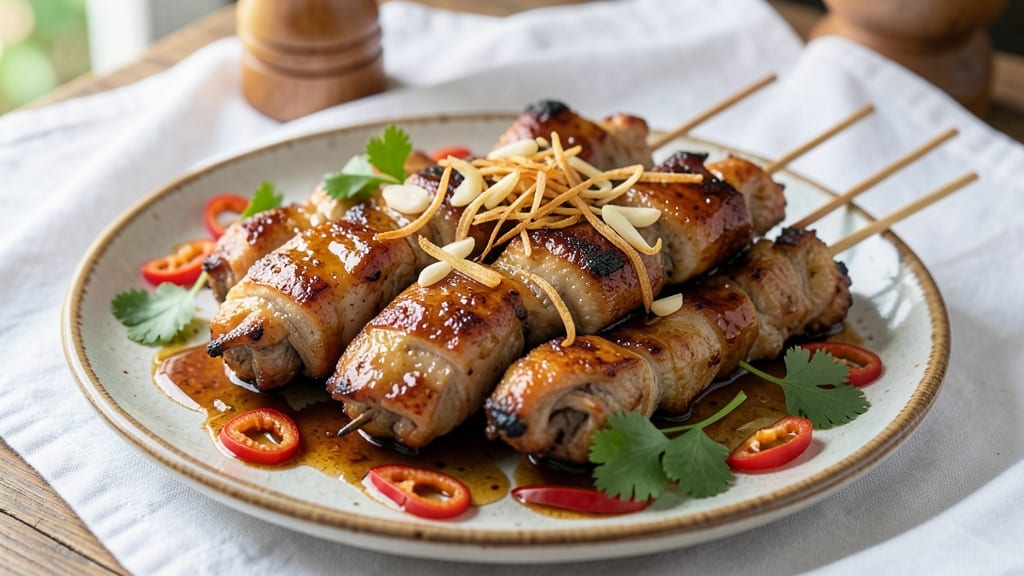
This Filipino-style pork shawarma recipe transforms ordinary pork into tender, tangy bites that taste like a taste of the Philippines. ✨ The secret lies in a marinade of calamansi—a local citrus fruit that adds a bright, zesty kick—and siling labuyo (Filipino chili) for just the right amount of heat.
Unlike traditional shawarma, this version skips the heavy spices and leans into familiar flavors like garlic, soy sauce, and a touch of brown sugar for balance.
The marinade works its magic overnight, breaking down the meat while infusing it with layers of flavor. You’ll cook it on a grill or stovetop until the edges are perfectly caramelized, ensuring every bite is juicy and packed with that signature tangy-sweet taste.
My grandmother used to make something similar for family gatherings, and this version keeps that same heartwarming, comforting feel—just with a few modern shortcuts.
What makes this dish special is how versatile it is. Serve it in garlic rice with a side of atchara (Filipino pickled papaya) for a classic combo, or wrap it in Filipino-style flatbread with a sprinkle of crushed peanuts for a handheld meal.
The pork stays tender and flavorful, even after reheating, so it’s perfect for meal prep or feeding a crowd. No fancy equipment needed—just patience and a little love.
If you’ve never worked with calamansi, don’t worry—lemon or lime juice will work in a pinch, though the flavor won’t be quite the same. The key is letting the marinade do its job, so plan ahead and give it time. Trust me, the results are worth it. Let’s get cooking!
Ingredients for pork shawarma recipe filipino style
Six ingredients for the marinade, plus pork—nothing fancy, just flavor-packed bites.
| Ingredient | Amount | Notes |
|---|---|---|
| Boneless Pork Shoulder 🥩 | 2 lb | Cut into 1-inch cubes |
| Calamansi Juice 🍋 | ½ cup | Or substitute lemon/lime juice |
| Soy Sauce 🍶 | ¼ cup | Light or regular preferred |
| Brown Sugar 🍚 | ¼ cup | Packed lightly |
| Garlic Cloves 🧄 | 6 cloves | Minced finely |
| Siling Labuyo 🌶️ | 2 whole | Or substitute 1 tbsp chili flakes |
| Fresh Ginger 🧅 | 2 tbsp | Grated finely |
| Vegetable Oil 🫒 | 2 tbsp | For marinade |
| Black Peppercorns 🌶️ | 1 tsp | Freshly ground |
| White Vinegar 💧 | 1 tbsp | For tanginess |
| Filipino Onion 🧅 | 1 whole | Or yellow onion, sliced thin |
| Olive Oil 🫒 | 1 tbsp | For cooking |
| Salt 🧂 | 1 ½ tsp | Kosher or sea salt |
The pork shoulder is your best friend here—it stays tender through the marinating and cooking. Look for well-marbled cuts at the meat counter (ask for the butcher to cut it into 1-inch cubes if they don't pre-package it). Costco or local Asian markets usually have the best prices, but the regular grocery store works too. Calamansi is the star, but if you can't find it, lemon or lime juice will get you close—just double the amount. I always grab extra because it disappears fast in other recipes too. The siling labuyo (Filipino chili) is key for that signature heat—if you can't find it, chili flakes or bird's eye chili work in a pinch.
No calamansi? Lime juice plus a pinch of sugar mimics the tangy-sweet balance, though it won't be identical. The soy sauce is non-negotiable—it's what gives that umami depth. Light soy sauce has less salt, but regular works if that's what you've got. Brown sugar is better than white here—it caramelizes more beautifully. For the ginger, freshly grated is ideal, but powdered works in a bind (use half the amount). The marinade needs time—at least 8 hours, overnight is best. Let the pork sit in the fridge while you prep the rest of your meal.
Marinated pork keeps 3 days in the fridge, but the flavor peaks after 24 hours. If you're prepping ahead, freeze portions for up to 3 months—just thaw in the fridge overnight. The cooked shawarma reheats beautifully—350°F for 10 minutes in the oven keeps it juicy. I always make extra because it's perfect for leftovers: sandwiches, fried rice, or even breakfast tacos the next day. Store cooked portions in airtight containers with a paper towel to absorb any moisture.
Why You'll Love This Recipe
- Minimal Chopping Required: That boneless pork shoulder? It’s already forgiving—no need for fancy cuts or hours of slicing. I just cube it, toss it in the marinade (calamansi + soy sauce + brown sugar), and let the garlic work its magic while I do anything else.
- Tangy-Sweet Magic: Honestly, the calamansi juice cuts through the richness of the pork like a citrusy reset button. That caramelized brown sugar crust? It’s the kind of balance that makes you reach for seconds without even thinking.
- Lunchbox Hero: Between us, this is my go-to for packed lunches—it reheats like a dream and tastes just as good cold. Wrap it in banana leaves or tortillas, and suddenly you’ve got a meal that feels fancy but costs next to nothing.
- Budget Stretch: A single pork shoulder feeds my whole family for days. The marinade’s simple, the ingredients are cheap, and the leftovers? They disappear faster than I can say “second helping.” (Yes, even on a Tuesday night.)
Step-by-step instructions for Filipino-style pork shawarma
Here's how to transform tough pork into fork-tender, tangy-sweet bites perfect for wraps or rice bowls.
👨🍳 Step 1: Cube and Marinate the Pork
Cut the 2 lb boneless pork shoulder into 1-inch cubes—keep them uniform so they cook evenly. Transfer them to a large bowl and set aside. In a separate bowl, whisk together the 0.5 cup calamansi juice, 0.25 cup soy sauce, 0.25 cup packed brown sugar, 1 tbsp white vinegar, and 1.5 tsp salt until the sugar dissolves completely.
Add the pork cubes to the marinade, making sure each piece is fully coated. Cover the bowl and refrigerate for at least 4 hours (overnight is even better). This long marinade tenderizes the meat and infuses it with that signature Filipino tang-sweet balance. You'll notice the marinade turning cloudy as it works its magic—this is normal and means the flavors are penetrating.
👨🍳 Step 2: Prep the Aromatics and Chili Paste
While the pork marinates, mince the 6 cloves garlic and grate the 2 tbsp fresh ginger using a microplane or fine grater. Thinly slice the 1 whole Filipino onion (about ¼-inch thick). If using siling labuyo, finely chop them—you want the heat distributed evenly.
In a small bowl, combine the minced garlic, grated ginger, chopped siling labuyo, and 1 tsp freshly ground black peppercorns. Set aside. This aromatic blend will add layers of flavor that complement the tangy marinade perfectly. The siling labuyo brings that signature Filipino heat without overpowering the dish.
🔥 Step 3: Cook the Pork Until Tender
Heat 1 tbsp olive oil in a large skillet over medium-high heat. Add the marinated pork cubes in a single layer—don't overcrowd the pan or they'll steam instead of sear. Cook for 8-10 minutes, stirring occasionally, until the pork develops a golden-brown crust on all sides.
Once browned, reduce heat to medium-low and add the 2 tbsp vegetable oil and the garlic-ginger-chili mixture. Stir everything together and cook for another 10-12 minutes, stirring frequently, until the pork is fork-tender. You'll know it's ready when the meat easily pulls apart with minimal resistance and the juices run clear. The aromatics should be fragrant and slightly caramelized.
🍳 Step 4: Finish with Caramelized Onions
Add the sliced Filipino onion to the skillet and cook for 3-4 minutes until softened and beginning to caramelize. This step adds natural sweetness that balances the tangy marinade. Stir occasionally to prevent burning—you want the onions to turn golden, not dark brown.
Taste the pork mixture and adjust seasoning if needed. It should be perfectly balanced between sweet, tangy, and slightly spicy. If the sauce is too thin, let it reduce by cooking uncovered for another 2-3 minutes while stirring. The final texture should be moist but not soupy, with the pork cubes glistening from the caramelized marinade.
Pro Tips For Making Pork Shawarma Recipe Filipino Style
- CRANK THE HEAT THEN LOWER: Filipino-style shawarma needs that caramelized crust, so start with your pan or grill screaming hot—think 160°C/320°F if you’re using a stovetop. After the first 2 minutes of searing, dial it back to medium-high. I used to rush this and ended up with steamed pork instead of properly browned slices. Patience here makes all the difference for that sticky, glossy finish.
- SMASH THE GARLIC: Don’t just mince those cloves—smash them first with the flat side of your knife. This releases more flavor and blends better into the marinade. I learned this the hard way after my shawarma tasted like it was missing something. A quick whack with a garlic press after smashing works too, but don’t skip the smashing—it’s the thing that matters most.
- DON’T SKIP THE REST: After cooking, let those pork slices rest for at least 5 minutes under foil before slicing. I know, I know—you’re hungry now—but cutting into it too soon turns your perfect shawarma into a sad, dry mess. The juices need time to redistribute, and this is how you keep every bite tender.
- USE CALAMANSI LIKE A BOSS: Fresh calamansi juice is non-negotiable here—bottled versions won’t cut it. If you can’t find it, lime juice in a pinch, but add a splash of vinegar to mimic the tang. And measure carefully: too much and your dish turns sour; too little and it loses that bright, Filipino punch. I was skeptical until I tried it—now I double the amount in the marinade.
Wine and beer pairings for pork shawarma recipe filipino style
Filipino-Inspired Beer Pairings
For this tangy-sweet shawarma, I reach for San Miguel Pale Pilsen—the Philippines' classic light lager. Its crisp, clean finish cuts through the marinade's richness while complementing the calamansi's citrus notes. Serve it chilled in San Miguel bottles (available at most Asian markets) for that authentic touch.
If you prefer local options, try a Filipino-style light beer like Red Horse—its subtle malt sweetness mirrors the pork's caramelized edges. 🍺
Citrusy White Wine Options
A Sauvignon Blanc from New Zealand or Chile shines here, especially one with citrus and herbal notes. I love Oyster Bay Sauvignon Blanc—its zesty acidity mirrors the calamansi perfectly.
For something more local, try a Vermentino from Italy, which balances the dish's sweet-spicy profile. Avoid heavy whites or oaky Chardonnays—they'll clash with the bright marinade. 🍷
Spicy Rum Cocktail Twist
For a refreshing sipper, mix Filipino rum like Lambanog (a coconut-flavored spirit) with calamansi juice and a splash of soda. The coconut sweetness enhances the pork's caramelization, while the rum's warmth balances the chili heat.
Serve over ice with a siling labuyo slice on the rim for an extra kick. I discovered this combo at a local fiesta and it became an instant favorite. 🌶️
Non-Alcoholic Refreshers
For non-drinkers, a calamansi soda made with sparkling water, 2 tbsp calamansi juice, and a pinch of salt is divine. Add crushed ice and serve with a peppercorn garnish to echo the dish's spicy-sweet profile.
Alternatively, hibiscus iced tea (available at Asian markets) provides tartness that cleanses the palate between bites. Both options keep the Filipino flavor journey going. 💫
Regional Filipino Beer Pairings
If you're serving this at a gathering, consider Pilsen-style beers like Tanduay Light or Tiger Light. Their subtle hop bitterness contrasts beautifully with the pork's richness.
For a stronger option, try Tanduay Rum on the rocks with a lime wedge—the rum's caramel notes harmonize with the brown sugar in the marinade. These pairings feel like a true Filipino feast. 🍻
Nutrition facts
Frequently asked questions
Can I use chicken instead of pork for this recipe?
Yes, but with adjustments! Chicken breast should marinate for at least 6 hours (not overnight) to avoid drying out. Use 0.75 lb chicken breast per person and cut into ½-inch pieces—they cook faster than pork. Reduce cooking time to 6-8 minutes total on medium heat. The marinade works beautifully, but chicken won't develop the same caramelized crust.
What's the best way to store leftover Filipino-style pork shawarma?
Store cooked pork in airtight containers with a paper towel to absorb moisture. It keeps 3 days in the fridge or 3 months in the freezer. Reheat at 350°F for 10-12 minutes until warmed through—this preserves juiciness. For extra flavor, add 1 tbsp water or calamansi juice when reheating. Perfect for next-day rice bowls or wraps!
How do I make this recipe spicier?
Double the siling labuyo (or chili flakes) in the marinade, and add ½ tsp ground black pepper to the cooking aromatics. For heat lovers, stir in 1 tbsp chopped siling labuyo at the end. Serve with extra chili flakes or a side of atchara (Filipino pickled papaya) for tangy heat. Start with less—you can always add more!
Can I grill this instead of pan-searing?
Preheat grill to medium-high (400°F) and thread pork onto skewers. Grill for 10-12 minutes, turning occasionally, until charred and tender. Brush with 1 tbsp olive oil while cooking to prevent sticking. The smoky flavor pairs perfectly with the tangy marinade. Just watch closely—pork burns faster than chicken!
What if I can't find calamansi?
Use lemon or lime juice (double the amount) plus ½ tsp sugar to mimic the tangy-sweet balance. For extra zing, add ½ tsp grated calamansi zest (if available) or 1 tsp orange zest. The flavor won't be identical, but it'll still taste amazing. Pro tip: Check Asian markets—they often sell calamansi juice in small bottles!