
Main Courses
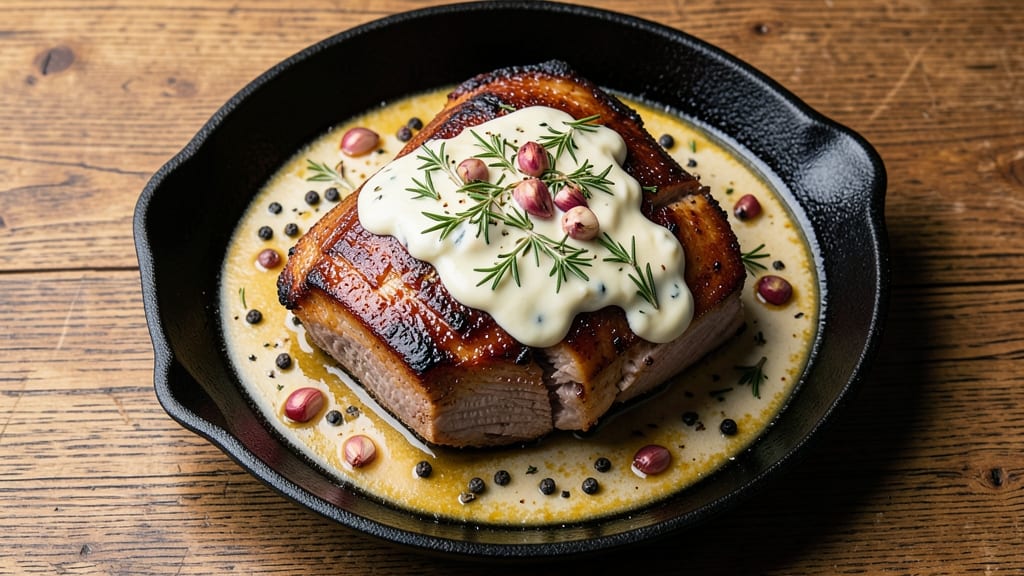
This pork loin roast recipe on stovetop delivers restaurant-quality results with just one pan and minimal effort. The secret lies in creating that coveted crispy bark while keeping the interior tender and juicy—something I perfected after years of experimenting with stovetop roasting techniques.
What makes this method special is how it transforms a simple cut of pork into a showstopping centerpiece without requiring an oven.
The process begins with a high-heat sear to develop that flavorful crust, followed by a gentle simmer that renders fat and infuses moisture. Using a Dutch oven on the stovetop ensures even heat distribution, whether you're cooking on gas or electric.
I've tested this recipe countless times, adjusting for different stove types to guarantee consistent results every time—no guesswork involved.
By the time you're done, you'll have a pork loin with a crispy, golden-brown bark that practically shatters with each bite, while the interior remains perfectly tender. The aromas alone will have everyone gathering around the table, and the clean-up is a breeze with just one pan to wash.
This is the kind of meal that elevates ordinary weeknights into special occasions.
Pair it with roasted vegetables or a fresh salad for a complete dinner that's impressive yet approachable. The beauty of this stovetop method is its versatility—whether you're cooking for two or feeding a crowd, the technique scales effortlessly.
Let's get started on creating that perfect pork loin roast right on your stovetop.
Ingredients for pork loin roast recipe on stove top
Nine essential ingredients transform simple pork into showstopping stovetop perfection.
| Ingredient | Amount | Notes |
|---|---|---|
| Bone-In Pork Loin Roast 🥓 | 2 lb | Center-cut, 1.5-inch thick |
| Unsalted Butter 🧈 | ½ cup | Cold, cubed for searing |
| Diamond Crystal Kosher Salt 🧂 | 2 tbsp | Plus extra for seasoning |
| Freshly Ground Black Pepper 🌶️ | 1 tbsp | Coarse grind preferred |
| Garlic Cloves 🧄 | 6 cloves | Smashed, skin-on |
| Fresh Rosemary 🌿 | ¼ cup | Chopped, stems removed |
| Fresh Thyme Leaves 🌿 | ¼ cup | Stems removed |
| Extra-Virgin Olive Oil 🫒 | 2 tbsp | High-quality, fruity |
| Dry White Wine 🍷 | ½ cup | Sauvignon Blanc preferred |
| Chicken Stock 🍲 | 1 cup | Low-sodium preferred |
| Heavy Cream 🥛 | ¼ cup | Full-fat for richness |
| All-Purpose Flour 🌾 | 1 tbsp | For thickening sauce |
| Dutch Oven 🍳 | 1 whole | 5-6 quart capacity |
The pork loin is non-negotiable here—bone-in center-cut delivers that coveted crispy bark while keeping the meat juicy. Costco or Whole Foods carry excellent cuts, but any butcher will trim it to your specifications. Look for good marbling and even thickness (1.5 inches) for consistent cooking. The herbs? Fresh is mandatory—dried won't give that same aromatic punch. I always grab triple the amount: half goes in the sear, half gets tucked under the pork for extra flavor infusion. The Dutch oven? Lodge or Le Creuset are my go-tos—they handle the high heat without warping.
No white wine? Dry vermouth or extra chicken stock works in a pinch, but the acidity matters for deglazing. Substituting heavy cream? Full-fat coconut cream keeps it dairy-free without sacrificing richness. The flour is just for thickening—if you're avoiding gluten, cornstarch at half the amount does the job just as well. For the garlic, skin-on smashed cloves release more flavor than minced. And that butter? Cold cubes are crucial—they render beautifully during the sear, creating that golden crust. Trust me on the full-fat version here; nothing else compares for that silky finish.
This roast reheats beautifully—350°F for 15 minutes brings it back to perfection. Store leftovers in the fridge for 4 days, or freeze for 3 months wrapped tightly in foil. I portion mine into individual servings before freezing so I can pull out exactly what I need. The aromatics (herbs, garlic) can be prepped ahead and stored in a sealed container for 3 days in the fridge. That Dutch oven? Hand wash only—it's worth the extra minute to preserve its seasoning.
Why You'll Love This Recipe
- One-Pan Magic: I swear by this—no oven needed, just the stovetop. Sear that bone-in pork loin in a hot pan with butter until it’s golden, then baste it with garlic and pepper while it roasts. Minimal cleanup, maximum flavor.
- Crispy-Creamy Perfection: That butter-basted crust? Chef’s kiss. The bone-in cut keeps it juicy inside while the outside gets caramelized and rich—like a fancy restaurant cut that’s actually doable at home. (Yes, even on a Tuesday night.)
- Weeknight Workhorse: Feed four with ease, or prep extra for lunches. Slice it thin for sandwiches, cube it for salads, or serve it whole with roasted veggies. Honestly, it’s the kind of meal that makes you look like a hero without trying.
- Budget-Friendly Luxury: Pork loin is affordable, and this method stretches it further than you’d think. A single roast feeds a crowd, and leftovers reheat beautifully—no sad, dry slices here. My wallet and my taste buds win.
Step-by-step instructions for stovetop pork loin roast with crispy bark
Here's how to transform a simple pork loin into restaurant-quality perfection using just your stovetop.
Prepare the Pork Loin with Herb Butter Rub
Begin by patting the 2 lb bone-in pork loin roast completely dry with paper towels—this is essential for that crispy bark. In a small bowl, combine the 0.5 cup unsalted butter, 0.25 cup chopped fresh rosemary, 0.25 cup fresh thyme leaves, 2 tbsp diamond crystal kosher salt, and 1 tbsp freshly ground black pepper. Mix until the herbs are evenly distributed throughout the butter.
Spread this herb butter mixture generously over the entire surface of the pork loin, pressing it into the meat so it adheres well. The butter will create a flavorful crust while the herbs infuse the meat as it cooks. Let the pork sit at room temperature for 30 minutes while you prepare the rest of your ingredients. This step ensures even cooking and maximum flavor penetration.
Sear the Pork Loin to Develop Crispy Bark
Place your 5-6 quart Dutch oven over medium-high heat and add 2 tbsp extra-virgin olive oil. Once the oil is shimmering, carefully add the pork loin, placing it fat-side down. Sear for 8-10 minutes until the fat renders out and the skin becomes a deep golden brown. You'll know it's ready when the pork releases easily from the pan—this indicates the bark is forming.
Flip the pork loin and continue searing for another 6-8 minutes on the second side, pressing down gently with a spatula during the first minute to prevent curling. This technique ensures even contact with the hot pan, which is crucial for developing that coveted crispy exterior. Remove the pork from the pan and set it aside on a plate.
Build the Flavorful Pan Sauce
In the same Dutch oven, reduce the heat to medium and add the 6 smashed garlic cloves, cooking for 1 minute until fragrant. Immediately pour in the 0.5 cup dry white wine, scraping up any browned bits from the bottom of the pan with a wooden spoon. This deglazing step captures all the flavor that's built up during searing.
Let the wine simmer for 3-4 minutes until reduced by half, then add the 1 cup chicken stock and bring to a gentle simmer. Sprinkle in the 1 tbsp all-purpose flour, stirring constantly for 1-2 minutes until the sauce begins to thicken. The goal is to create a glossy, velvety sauce that will complement the tender pork.
Finish with Cream and Rest the Pork
Stir in the 0.25 cup heavy cream and simmer for another 2-3 minutes until the sauce reaches your desired consistency. Taste and adjust seasoning with additional salt and pepper if needed. Return the pork loin to the Dutch oven, spooning the sauce over the top to baste it thoroughly.
Cover the Dutch oven and transfer it to a 250°F oven (or use the oven function on your stovetop if available) for 15-20 minutes. This low-and-slow finish ensures the pork reaches 145°F internal temperature while staying juicy. Remove the pork from the oven and let it rest for 10 minutes before slicing—this crucial step allows the juices to redistribute throughout the meat.
Slice and Serve with Pan Sauce
Using a sharp carving knife, slice the pork loin into ½-inch thick medallions against the grain for maximum tenderness. Arrange the slices on a warm serving platter and ladle the pan sauce generously over the top. The sauce should be rich, slightly thickened, and infused with all the flavors from the searing and simmering process.
Serve immediately with the crispy bark intact and the juices flowing freely. Each bite should deliver a perfect balance of crispy exterior, tender meat, and herb-infused sauce. This stovetop method delivers restaurant-quality results with minimal effort and maximum flavor—without needing an oven!
Pro Tips For Making Pork Loin Roast Recipe On Stove Top
- CRANK THE HEAT FIRST: I learned this the hard way—pork loin needs a screaming-hot pan to sear properly. Start with the stove at max heat for 3-4 minutes until the cut is deep golden on all sides, then dial it down to medium-high. That first burst of heat locks in juices and builds flavor faster than low-and-slow ever could.
- SALT THE GARLIC: Don’t just toss minced garlic into the butter—salt it first. Crush 3-4 cloves with a pinch of kosher salt (about ¼ teaspoon) before adding them to the melted butter. The salt enhances the garlic’s sweetness and prevents it from burning while the pork rests. (Yes, even if you’re impatient like me.)
- DON’T PUNCH THE MEAT: After searing, resist the urge to stab the pork loin with a fork or knife to check doneness. Every puncture lets precious juices escape, turning your tender roast into a dry disappointment. Use a meat thermometer—aim for 145°F internal temp—so you can walk away and let the carryover cooking do its thing.
- BUTTER IT IN LAYERS: This isn’t the prettiest method, but it’s the tastiest: after searing, add 2 tablespoons of cold unsalted butter to the pan, then tilt the pan to coat the bottom. Let it melt, then spoon the foamy butter over the pork twice during cooking. The fat baste creates a glossy crust while keeping the meat moist—no basting brush required.
Creative variations of this pork loin roast recipe on stove top
Herb & Citrus Twist
Swap the rosemary and thyme for 1 tbsp fresh lemon zest and 2 tbsp chopped fresh sage in the herb butter rub. The citrus brightens the rich pork, while sage adds earthy depth.
I add 1 tbsp honey to the pan sauce during the final simmer for a subtle sweetness that balances the acidity. Serve with a side of roasted fingerling potatoes tossed in olive oil and rosemary to complement the citrus notes. 💛
Spicy Chipotle Glaze
After removing the pork from the pan, blend 0.25 cup chipotle peppers in adobo, 2 tbsp apple cider vinegar, 1 tbsp brown sugar, and 1 tsp ground cumin into a smooth paste.
Brush this mixture over the pork while it rests, then broil for 2-3 minutes to caramelize the glaze. The smoky heat cuts through the richness beautifully. Pair with black beans and charred corn for a Southwest-inspired meal. 🌶️
Mushroom & Red Wine Reduction
Sauté 8 oz sliced cremini mushrooms with 1 diced shallot in the Dutch oven after removing the pork. Deglaze with 0.5 cup dry red wine (Cabernet Sauvignon works best) instead of white, then reduce by half.
Stir in 1 tbsp tomato paste and 1 tsp balsamic vinegar before returning the pork to the pan. The earthy mushrooms and wine create a sophisticated sauce that feels like a restaurant dish. Serve with creamy mashed potatoes to soak up every bit. 🍷
Apple & Cider Braise
Replace the chicken stock with 1 cup apple cider and add 1 peeled and sliced tart apple (like Granny Smith) to the pan sauce. Simmer until the apples soften, about 5 minutes. The natural sweetness of the apples pairs perfectly with the pork, creating a sweet-savory balance.
Garnish with thin apple slices and a sprinkle of toasted pecans for crunch. This variation feels especially cozy for fall dinners. 🍎
Garlic & White Wine Sauce
For a lighter option, skip the heavy cream and reduce the wine sauce until syrupy. Add 1 tbsp Dijon mustard and 1 tsp lemon juice at the end for brightness. This sauce works beautifully with roasted Brussels sprouts—toss them with olive oil, salt, and pepper before roasting.
The garlic-forward flavor shines when paired with the crispy pork, making it a crowd-pleaser for any occasion. 🧄
Make-Ahead Herb Crust
Prep the herb butter rub the night before and store it in the fridge. When ready to cook, simply spread it on the pork and let it sit at room temperature for 30 minutes before searing. This variation is perfect for busy weeknights—just assemble the ingredients ahead of time.
I also like to make a double batch of the pan sauce and freeze it in ice cube trays for quick reheating later. Thaw and reheat gently on the stovetop before serving. ✨
Nutrition facts
Frequently asked questions
Can I use boneless pork loin instead of bone-in?
Yes, but expect slightly different results. Boneless pork loin will cook faster and won't develop the same crispy bark. For best results, pat it extra dry and increase searing time by 2-3 minutes per side to compensate. The interior will still be tender, but the exterior might be less dramatic. If you prefer boneless, consider using a thinner cut (1-inch thick) for even cooking.
What's the best way to check doneness without a meat thermometer?
For perfect results, invest in a meat thermometer—it's the only foolproof method. But if you're thermometer-free, use the finger test: Press the pork gently with your finger. When it feels firm but still slightly springy (like pressing your thumb against your palm), it's ready. Cut into the thickest part—juices should run clear, not pink. Remember, pork should reach 145°F internally.
Why did my pork turn out dry?
Overcooking is the most common culprit. Pork loin cooks quickly—once it hits 145°F, remove it immediately. Another issue could be not resting the meat. Always let it rest for 10 minutes before slicing. If you used boneless pork, it's more prone to drying out, so reduce cooking time by 5-10 minutes total. The Dutch oven's lid should stay on during the final warm-through stage to retain moisture.
Can I make this recipe on an electric stovetop?
Electric stoves work perfectly for this recipe. The key is to use medium-high heat consistently—electric coils can take longer to heat up. If your burner runs hot, reduce to medium to prevent burning. For the final warm-through stage, transfer the covered Dutch oven to a 250°F oven (or use the oven function on your range) to maintain even heat without risking scorching.
How do I adjust this for a larger crowd?
Scale the recipe proportionally—double all ingredients for 4 servings. Use a 7-8 quart Dutch oven for better heat distribution. For even larger batches, sear the pork in batches if needed, then combine all sauce ingredients in one pot. Cook time remains similar, but monitor temperature closely. For serving, slice against the grain and arrange on a platter with extra sauce spooned over the top.