
Main Courses
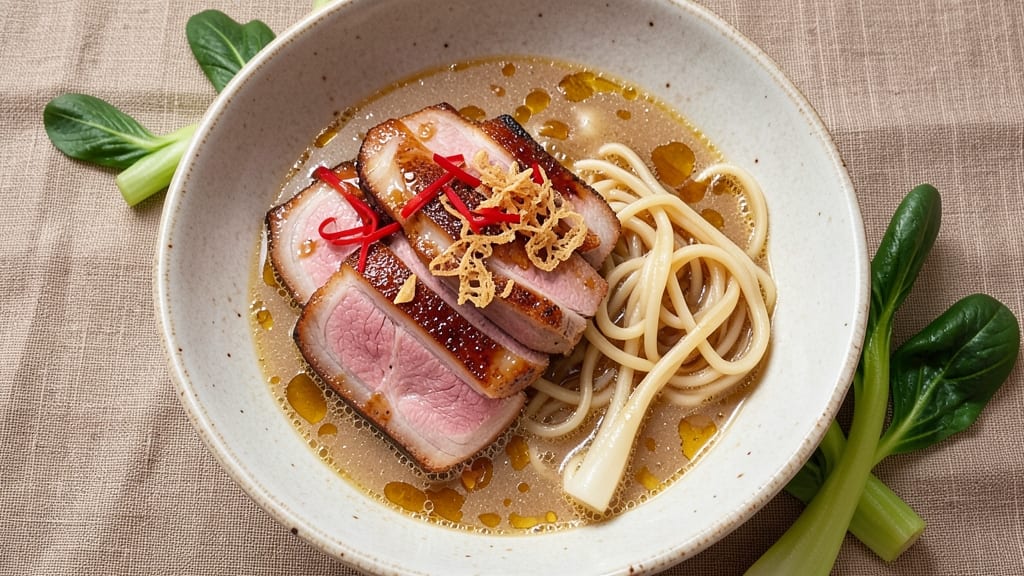
This pork loin ramen recipe transforms a simple weeknight dinner into a restaurant-worthy experience with rich, umami-packed broth and tender pork that melts in your mouth. The secret lies in slow-braising the pork loin to develop deep flavor while keeping the meat incredibly tender—no tough, chewy bites here.
I've perfected this method over years of testing, ensuring every spoonful delivers that perfect balance of savory, slightly sweet, and aromatic notes that define great ramen.
The beauty of this recipe is its versatility—whether you prefer a classic miso-based broth, a creamy tonkotsu style, or a spicy chili oil kick, the technique remains the same.
You'll start with a well-marinated pork loin that sears beautifully and braises until fork-tender, then build a broth that's rich enough to stand on its own but harmonizes perfectly with silky ramen noodles. The result? A bowl that's hearty, comforting, and impossible to resist, even on busy nights.
What sets this pork loin ramen apart is the attention to detail in every step—from the initial sear that locks in juices to the slow simmer that infuses the broth with layers of flavor.
The pork comes out so tender it practically falls apart, while the broth reduces to a perfect consistency that coats the noodles without overwhelming them. Garnishes like soft-boiled eggs, bean sprouts, and green onions add freshness and texture, turning each bite into a symphony of flavors.
Perfect for feeding a crowd or treating yourself to a luxurious solo meal, this recipe delivers restaurant-quality results with minimal fuss. The best part? You can customize it to your taste—add mushrooms for earthiness, chili oil for heat, or extra herbs for brightness.
Let's get cooking and transform your dinner routine forever.
Ingredients for pork loin ramen
Rich umami flavors and tender pork transform simple ingredients into restaurant-quality ramen.
| Ingredient | Amount | Notes |
|---|---|---|
| Pork Loin 🐖 | 1 ½ lb | Center-cut, bone-in preferred |
| Fresh Ramen Noodles 🍜 | 2 packages | 12 oz each, silky variety |
| Miso Paste 🧈 | ½ cup | White or red miso preferred |
| Soy Sauce 🥫 | 0.3 cup | Kosher or Japanese preferred |
| Mirin 🍶 | ¼ cup | Sweet cooking wine |
| Dashi Powder 🍲 | 1 tbsp | Instant or homemade |
| Garlic Cloves 🧄 | 6 cloves | Minced for marinade |
| Ginger Root 🌿 | 1 tbsp | Fresh, grated |
| Sesame Oil 🫒 | 1 tbsp | Toasted, for finishing |
| Green Onions 🧅 | 4 whole | Sliced, for garnish |
| Bean Sprouts 🌱 | 1 cup | Fresh or frozen |
| Eggs 🥚 | 4 whole | Soft-boiled, for garnish |
| Chili Oil 🔥 | 1 tbsp | Optional, for heat |
| Olive Oil 🫒 | 2 tbsp | For searing pork |
| Salt 🧂 | 1 tsp | Kosher or sea salt |
The pork loin is the heart of this dish—center-cut and bone-in for maximum flavor and tenderness. Look for a well-marbled cut at Whole Foods or your local butcher shop; the marbling ensures juicy meat. If you can't find bone-in, a boneless loin works too, but skip the bone for easy braising. The miso paste is non-negotiable—white miso gives a cleaner flavor, while red miso adds depth. Grab a small tub from Trader Joe's or the Asian market for the best quality. Fresh ginger and garlic are essential for that bright, aromatic punch—don't use powdered substitutes here.
No mirin? Dry sherry or a mix of sugar and rice vinegar works in a pinch. Short on dashi? Instant miso soup mix or even a bouillon cube will give you that umami base. The ramen noodles can be fresh or dried—just check the cooking time on the package. For extra richness, add a splash of coconut milk to the broth. The bean sprouts? Fresh is best, but frozen works too—just thaw and drain them well. Soft-boiled eggs add that luxurious touch—6-minute eggs are perfect, but 7 minutes is fine if you're in a rush.
This broth tastes even better the next day—let it cool and refrigerate overnight, then reheat gently. Store leftovers in airtight containers for up to 4 days in the fridge. For freezing, portion the broth separately from the noodles—freeze broth for up to 3 months, and cook noodles fresh when reheating. Garnishes like chili oil and green onions can be added fresh after reheating, so don't worry about prepping everything ahead. The pork will stay tender for 2-3 days in the fridge if stored properly—just reheat gently with a splash of broth.
Why You'll Love This Recipe
- One-Pot Magic: I swear by this recipe when I’m too tired to wash a million dishes—just sear the pork loin, toss in the noodles, and let the miso and mirin work their sauce magic in one pot. The pork stays juicy while the broth simmers right into the noodles, and honestly? I’ve never had a ramen cleaner than this.
- Umami Bomb: That combo of miso, soy, and mirin? It’s like a flavor explosion in your mouth. The pork loin gets this perfect caramelized crust, and the broth turns into this rich, slightly sweet, deeply savory sauce that makes even my picky roommate ask for seconds. (Yes, even on a Tuesday night.)
- Leftovers That Don’t Suck: Between us, most ramen leftovers are sad. Not this one. The pork stays tender, the broth thickens just enough to reheat beautifully, and I’ve packed it for lunches all week without a single complaint. Just add a quick scramble of eggs or some greens, and it’s a full meal—no takeout needed.
- Budget-Friendly Luxury: Fresh ramen noodles and pork loin might sound fancy, but this recipe stretches ingredients like crazy. A single loin serves four, the miso and mirin add depth without costing a fortune, and I’ve made it for date nights, sick days, and even a last-minute dinner with friends. It’s the kind of dish that feels special without breaking the bank.
Step-by-step instructions for pork loin ramen
Here's how to create a rich, umami-packed ramen with tender pork and silky noodles.
Marinate and Sear the Pork Loin
In a bowl, combine the 1.5 lb pork loin, 0.3 cup soy sauce, 0.25 cup mirin, 1 tbsp dashi powder, 6 minced garlic cloves, and 1 tbsp grated ginger root. Mix well to coat the pork completely, then let it marinate in the refrigerator for at least 30 minutes—this ensures deep flavor penetration. After marinating, remove the pork and pat it dry with paper towels.
Heat 2 tbsp olive oil in a large skillet over medium-high heat until shimmering. Sear the pork loin for 4-5 minutes per side until it develops a deep golden-brown crust. The crust is crucial—it locks in juices and adds texture. Transfer the seared pork to a plate and let it rest while you prepare the broth.
Build the Umami-Packed Broth
In the same skillet, reduce the heat to medium and add 1 cup water to deglaze, scraping up any browned bits from the bottom. Stir in 0.5 cup miso paste and let it simmer for 2-3 minutes, stirring constantly, until fully dissolved. This step is where the deep, savory flavor develops.
Pour in 4 cups water (or enough to cover the pork) and bring the broth to a gentle boil. Add the seared pork loin back to the skillet, reduce heat to low, and let it simmer uncovered for 1 hour. The pork should be fork-tender, and the broth should have a rich, aromatic aroma. Skim off any foam that rises to the surface for a cleaner broth.
Cook the Ramen Noodles and Prepare Garnishes
While the pork simmers, bring a separate pot of water to a boil and cook the 2 packages fresh ramen noodles according to package instructions—typically 3-4 minutes for al dente texture. Drain the noodles and rinse briefly under cold water to stop the cooking process. Toss them with 1 tbsp sesame oil to prevent sticking.
For the garnishes, soft-boil the 4 eggs in a separate pot for 6 minutes (for runny yolks), then transfer to an ice bath to stop cooking. Slice the 4 green onions and set aside. Blanch the 1 cup bean sprouts in boiling water for 30 seconds, then drain and shock in ice water to retain their crisp texture.
Assemble and Serve
Slice the pork loin into ¼-inch thick pieces against the grain for maximum tenderness. Divide the cooked noodles among bowls, then ladle the hot broth over them. Top each serving with pork slices, soft-boiled eggs, bean sprouts, and green onions. Drizzle with 1 tbsp chili oil for a hint of heat, if desired.
The result should be a harmonious balance of rich, savory broth, silky noodles, and tender pork. Each bite delivers layers of umami from the miso and dashi, bright acidity from the mirin, and a satisfying crunch from the bean sprouts and green onions. Serve immediately while everything is hot and fresh!
Pro Tips For Making Pork Loin Ramen
- SEAR THE LOIN FIRST: Pork loin can dry out fast, but a quick sear locks in flavor before it hits the broth. Hit medium-high heat with 1 tablespoon oil—just 3-4 minutes per side until golden—then pull it out. I used to skip this, and the pork always tasted bland, no matter how much soy sauce I added.
- DON’T BOIL THE MISO: Stirring miso into simmering broth? Lower the heat to a bare simmer first—boiling kills its probiotics and makes the paste bitter. Add it last, whisk it in gently, then taste and adjust with a splash of mirin if it’s too sharp. I learned this after ruining a batch that tasted like fermented soy paste gone wrong.
- REST THE PORK PROPERLY: Slice that pork loin against the grain, then let it rest 5 minutes under foil before serving. Cutting into it hot makes it turn to mush, and skipping the rest means you’ll lose all that juicy payoff. Yes, it’s tempting to serve it right away—don’t.
- USE MIRIN LAST: Add mirin to the broth after the pork is cooked, not during. It’s sweet and delicate, and tossing it in early can make the broth taste cloying. A tablespoon at the end brightens the whole dish without overpowering. I was skeptical until I tried it—now I never skip it.
Serving suggestions for leftovers
Garnish Like a Pro
Fresh garnishes elevate your pork loin ramen from good to unforgettable. Start with soft-boiled eggs—6-minute yolks add creamy richness that contrasts beautifully with the savory broth. I like to halve them lengthwise and place them on top so the yolk oozes slightly when you cut in.
Add thinly sliced green onions for a crisp, fresh bite—the white parts provide a mild onion flavor while the greens add vibrant color. 🧅
Broth Variations
Customize your broth to match your mood. For a creamy tonkotsu style, blend ½ cup pork fat (or coconut milk) into the finished broth and strain. If you prefer spicy ramen, stir in 1 tbsp gochujang or ½ tsp chili flakes at the end.
For a vegetarian twist, replace the pork with shiitake mushrooms and use vegetable broth. Each variation keeps the same technique but delivers a totally different flavor profile.
Presentation Tips
Ramen is as much about visual appeal as flavor. Use wide, shallow bowls (like Japanese lacquerware bowls) to showcase the layers. Arrange the pork slices in a fan shape over the noodles, then nestle the egg halves and bean sprouts around them.
A drizzle of sesame oil or chili oil adds color and shine. For extra drama, sprinkle toasted sesame seeds or nori strips on top—these add texture and tie the dish together.
Side Pairings
Serve your ramen with steamed edamame or pickled vegetables on the side for balance. The edamame adds a protein boost, while pickles (like Japanese takuan) cut through the richness. For a full meal, pair with miso soup or steamed rice—both complement the bold flavors without competing.
I love keeping it simple with just a side salad dressed with a light ponzu vinaigrette for brightness. 🥗
Family-Style Serving
Ramen is perfect for sharing! Set up a DIY ramen bar with individual bowls of broth, a platter of sliced pork, and a basket of fresh garnishes. Let everyone customize their bowl with extra chili oil, bean sprouts, or even a sprinkle of furikake (Japanese seasoning).
Use a chafing dish or slow cooker to keep the broth warm and inviting. This approach turns a simple meal into a fun, interactive experience—great for gatherings or lazy Sundays. 🍜
Nutrition facts
Frequently asked questions
Can I use boneless pork loin for this recipe?
Yes, boneless pork loin works perfectly! Just reduce the braising time to 45-50 minutes since it cooks faster without the bone. The flavor will still be rich, but you'll lose the extra depth from the marrow. For best results, trim any excess fat before searing to prevent greasiness in the broth.
How do I adjust the recipe for spicier ramen?
Add 1 tbsp gochujang or ½ tsp chili flakes to the broth while simmering, or stir in 1 tbsp chili oil just before serving. For extra heat, include ½ cup sliced jalapeños in the broth during the last 10 minutes of simmering. Always taste as you go—ramen broth should be balanced, not overpowering.
What if I don't have fresh ramen noodles?
Dried ramen noodles work in a pinch! Cook them for 1-2 minutes less than package instructions (usually 2 minutes total), then rinse in cold water to remove excess starch. For extra richness, toss them with 1 tsp toasted sesame oil and a pinch of sugar before assembling. The texture will be slightly firmer but still delicious.
Why did my pork turn out dry?
Overcooking or skipping the rest after searing are the most common culprits. Always let the pork rest 5 minutes after searing before braising, and never exceed 1 hour of simmering. For extra moisture, add ½ cup water to the braising liquid during the last 15 minutes of cooking. The internal temperature should reach 145°F—use a meat thermometer to check!
Can I make the broth ahead of time?
The broth actually tastes better the next day as flavors meld. Let it cool, then refrigerate in an airtight container for up to 4 days. Reheat gently on the stove, skimming off any congealed fat. For freezing, portion into 1-cup servings and freeze for up to 3 months. Thaw overnight in the fridge before reheating.