
Main Courses
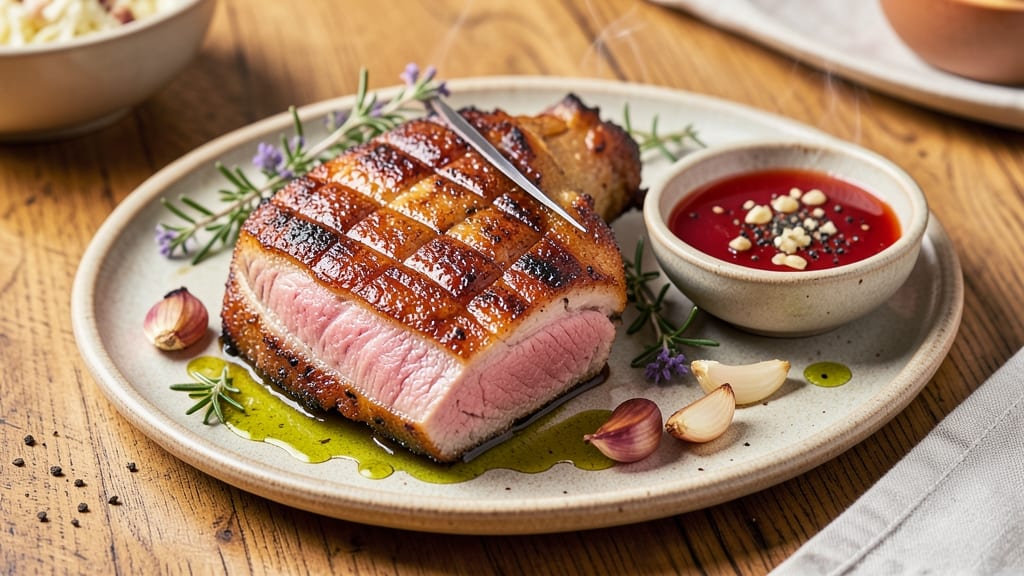
Jamie Oliver’s pork belly recipe delivers crispy bark that shatters at every bite while keeping the meat silky and tender inside—all in one pan. The secret lies in scoring the fat cap, searing it until golden, then slow-roasting until the edges crackle like autumn leaves.
This isn’t just a dish; it’s a technique that transforms tough pork into something restaurant-worthy with minimal effort.
The magic starts with a hot pan and a sharp knife—score the belly in a diamond pattern to render fat evenly, then sear it skin-side down until deep brown.
A splash of apple cider vinegar in the pan during roasting adds brightness, cutting through the richness while keeping the meat moist. Jamie’s approach balances simplicity with precision, ensuring every bite delivers that perfect contrast of textures.
What you’ll end up with is a golden, crackling crust that gives way to melt-in-your-mouth pork, ideal for serving with roasted root vegetables or a simple green salad.
The technique is foolproof once you master the scoring and searing, and the results are worth every minute. This is comfort food elevated—no shortcuts, just restaurant-quality at home.
Pair it with a tangy mustard sauce or a drizzle of honey for extra depth, and you’ve got a dish that’s as impressive as it is delicious. The key is patience—let the oven do the work while you focus on the crispy edges. Ready to try it?
Ingredients for pork belly recipe jamie oliver
Pork belly, vinegar, and herbs—everything you need for Jamie Oliver’s restaurant-worthy crispy bark and tender meat.
| Ingredient | Amount | Notes |
|---|---|---|
| Pork Belly 🥓 | 2 lb | Skin-on, bone-in preferred |
| Apple Cider Vinegar 🍏 | 2 tbsp | For brightness and moisture |
| Kosher Salt 🧂 | 2 tbsp | Diamond Crystal preferred |
| Freshly Ground Black Pepper 🌶️ | 1 tsp | For seasoning |
| Extra-Virgin Olive Oil 🫒 | 1 tbsp | For searing |
| Garlic Cloves 🧄 | 4 cloves | Minced for seasoning |
| Fresh Rosemary 🌿 | ½ tsp | Chopped, for aroma |
| Fresh Thyme 🌿 | ½ tsp | Leaves only, for depth |
| Honey 🍯 | 1 tbsp | For glaze (optional) |
| Yellow Mustard 🟡 | 1 tbsp | For serving (optional) |
| Roasted Root Vegetables 🥕 | 4 cups | Carrots, parsnips, or potatoes |
| Green Salad Mix 🥗 | 4 cups | For serving (optional) |
The pork belly is the star here, so look for thick-cut pieces with a good layer of fat. Whole Foods or your local butcher usually have the best quality—ask for skin-on, bone-in cuts for that authentic crackle. If you can’t find it pre-scored, grab a sharp knife and make those diamond cuts yourself. The fat should feel firm but not rock-hard. Costco often sells large pieces perfect for this recipe, but check the price per pound to avoid overpaying. Fresh herbs make all the difference—Trader Joe’s sells pre-chopped rosemary and thyme that saves time, but whole sprigs work too if you’ve got them.
No apple cider vinegar? White vinegar or lemon juice will work in a pinch, though the flavor won’t be quite the same. The honey glaze is optional but adds a beautiful finish—local honey has more depth, but store-bought works fine. For the root vegetables, carrots and parsnips roast best, but potatoes or sweet potatoes are great too. If you’re short on time, pre-cut frozen vegetables thawed and roasted work surprisingly well. The key is to keep the pork belly dry before searing—pat it thoroughly with paper towels for that perfect crispy bark.
This dish reheats beautifully—just 5 minutes at 350°F to restore the crackle. Store leftovers in the fridge for 3-4 days, wrapped tightly in foil to keep the bark crispy. For longer storage, freeze portions for up to 3 months. The roasted vegetables and salad can be prepped ahead and reheated separately. Serve the pork belly at room temperature for the best texture—20 minutes out of the fridge is perfect. Leftovers make amazing sandwiches the next day with a smear of mustard.
Why You'll Love This Recipe
- One-Pan Magic: I swear by this recipe because it’s that simple—just the pork belly, a splash of apple cider vinegar, and a quick sear. No chopping, no fuss, and the vinegar does all the work while you sip your coffee.
- Crispy-Creamy Obsession: That crackling skin with tender, melt-in-your-mouth pork? It’s the kind of contrast that makes you close your eyes and groan. The vinegar’s tang cuts through the richness, and the olive oil keeps it juicy.
- Leftovers That Last: Make a big batch and store it—this pork stays ridiculously good for days. I’ll often slice it thin for sandwiches or toss it into salads when I’m too lazy to cook.
- Budget Luxury: Pork belly feels fancy, but this recipe stretches it into multiple meals without breaking the bank. A little salt, pepper, and vinegar transform it into something restaurant-worthy for pennies.
Step-by-step instructions for Jamie Oliver's crispy pork belly
Here's how to transform that fatty slab into irresistible crispy pork belly with tender, jammy layers.
Prepare the Pork Belly for Maximum Crisp
Start by scoring the pork belly in a diamond pattern—about ½-inch apart—using a sharp knife. This creates channels for the fat to render out while keeping the meat moist. Pat the belly completely dry with paper towels; any moisture will prevent that coveted crispy bark.
In a small bowl, whisk together the 2 tablespoons apple cider vinegar, 2 tablespoons kosher salt, 1 teaspoon freshly ground black pepper, 4 minced garlic cloves, ½ teaspoon chopped fresh rosemary, and ½ teaspoon fresh thyme leaves. Rub this mixture all over the pork belly, pressing it into the scored lines. Let it sit uncovered in the fridge for at least 1 hour—this drying and curing step is what gives Jamie's version that legendary texture.
Render the Fat and Build the Crisp
Preheat your oven to 425°F. Place the pork belly fat-side down in a cold roasting pan—this gradual heat transfer helps render the fat evenly. Put the pan on the middle rack and bake for 1 hour.
After 1 hour, flip the pork belly and reduce the oven temperature to 325°F. This two-stage cooking method ensures the fat renders slowly at first, then the meat cooks through gently. You'll know it's ready when the internal temperature reaches 195-203°F (use a meat thermometer) and the skin is deep golden brown with crispy edges. If it's not crispy enough, return it to 425°F for 10-15 minutes to finish.
Glaze and Rest for Perfect Texture
Once the pork belly is cooked, remove it from the oven and brush the top with the 1 tablespoon honey mixed with 1 tablespoon yellow mustard. Return to the oven for 5-7 minutes to caramelize the glaze—this adds sweetness and helps create that sticky, glossy finish.
Transfer the pork belly to a cutting board and let it rest for 15 minutes before slicing. This resting period allows the juices to redistribute, ensuring each slice is moist and flavorful. The skin should be crisp enough to crackle when you cut through it, while the meat inside remains silky and tender.
Assemble the Perfect Plate
Slice the pork belly into ¼-inch thick slices against the grain for maximum tenderness. Serve immediately over the 4 cups roasted root vegetables and alongside the 4 cups green salad mix for a balanced meal. The crispy skin contrasts beautifully with the soft vegetables, while the herby glaze ties everything together.
For extra flair, drizzle any remaining rendered fat from the roasting pan over the top—it's packed with flavor! This dish delivers that perfect balance of textures and flavors Jamie Oliver is known for, with crispy bark meeting silky shreds in every bite.
Pro Tips For Making Pork Belly Recipe Jamie Oliver
- CRACK THE SKIN FIRST: Jamie’s recipe relies on that crispy, crackling skin—so score it in a crosshatch before salting. Use a sharp knife to cut shallow lines (about 1/4-inch apart), then let it sit unsalted for 30 minutes. This isn’t just about looks; it guarantees the skin renders evenly and doesn’t tear when you flip. I learned this the hard way after a batch of soggy, uneven cracks.
- SALT LIKE A MASTER: Don’t just sprinkle—press the kosher salt into the scored pork belly, especially the fat cap. Use about 1.5 teaspoons per pound, and focus on the cuts and edges where moisture hides. After salting, let it rest covered in the fridge for at least 4 hours (overnight is better). This step locks in flavor and keeps the meat juicy, not dry.
- LOW AND SLOW AFTER CRISPING: Once the skin is golden and crackling, lower the heat to 275°F (not 300°F or higher) to finish cooking. The pork belly’s fat needs time to render slowly, or you’ll end up with grease splatter and undercooked meat. I used to rush this, and the result was always greasy or tough—now I set a timer and walk away.
- DEGLAZE WITH VINEGAR RIGHT AWAY: As soon as you remove the pork, pour that leftover apple cider vinegar (plus a splash of water) into the hot pan. Scrape up every browned bit—this is where all the flavor hides. Let it simmer for 2 minutes to thicken slightly, then drizzle it over the sliced pork. Skipping this step means losing half the depth of flavor.
Dietary considerations for this recipe
Gluten-Free Adaptations
This recipe is naturally gluten-free, but always double-check your ingredients. The apple cider vinegar, honey, and mustard used in Jamie Oliver’s method are typically gluten-free, but brands vary—opt for certified gluten-free mustard like Annie’s or French’s.
The pork belly itself contains no gluten, and the rosemary, thyme, and garlic are also safe. Just ensure your kosher salt and olive oil are pure and uncontaminated.
For extra flavor without gluten, swap the honey glaze for a gluten-free maple syrup drizzle or a tahini finish. The roasted root vegetables can be tossed in olive oil and herbs instead of any gluten-containing seasoning blends.
Even the mustard sauce can be thickened with cornstarch (ensure it’s certified gluten-free) instead of flour.
Dairy-Free Considerations
While this recipe doesn’t contain dairy, the optional yellow mustard sometimes includes milk derivatives—check labels for Daiya or Hellmann’s dairy-free versions. The honey glaze is naturally dairy-free, but if you’re avoiding all animal products, substitute it with agave syrup or date syrup for a vegan-friendly finish.
The rendered pork fat is rich and flavorful on its own, so no dairy is truly needed for depth.
For a fully plant-based alternative, consider a mushroom or jackfruit "pork belly" substitute, though the texture won’t be identical. The roasted root vegetables and green salad remain dairy-free as-is, making this dish adaptable for lactose-intolerant guests.
Low-Carb/Keto Options
This pork belly recipe is already low-carb and keto-friendly—the focus is on the fatty, flavorful meat with minimal carbs. Skip the roasted root vegetables (unless using cauliflower or zucchini) and serve with a simple arugula salad dressed in olive oil and lemon instead.
The honey glaze can be replaced with sugar-free maple syrup or omitted entirely for strict keto compliance.
For extra fat to keep you in ketosis, drizzle the sliced pork belly with avocado oil or ghee before serving. The apple cider vinegar adds acidity without carbs, balancing the richness perfectly. Just avoid any bread-based sides—this dish shines on its own with a crispy, crackling exterior.
Allergen Safety
If you’re serving guests with egg allergies, this recipe is already safe—no eggs are used. For soy allergies, ensure your mustard (if used) is soy-free, as some brands contain soy lecithin.
The pork belly itself is a common allergen, so always label dishes accordingly. Cross-contamination is the biggest risk—use separate utensils and surfaces if preparing alongside other proteins.
For nut allergies, avoid any honey substitutes that contain almond or peanut oils. Stick to maple syrup or date syrup for a safe alternative. The herbs and vinegar are typically allergen-free, but always verify with your guests’ dietary needs.
Nutrition facts
Frequently asked questions
Why does Jamie Oliver score the pork belly before cooking?
Scoring creates channels for fat to render out evenly, preventing a greasy mess while keeping the meat moist. The diamond pattern also helps the skin crisp up more dramatically—those fat pockets turn golden and crackly, just like Jamie’s signature style. Without scoring, you’d end up with uneven crispiness and potentially soggy meat.
Can I cook pork belly without an oven?
For a stovetop version, sear the scored belly in a cold skillet over low heat for 20 minutes per side, then flip and cook another 20 minutes until crispy. Finish under a broiler for 3-5 minutes to get that crackling bark. The two-stage oven method is ideal, but stovetop works in a pinch—just monitor closely to avoid burning.
What’s the best way to store leftover pork belly?
Wrap the cooked belly tightly in foil and refrigerate for 3-4 days—the foil preserves that crispy skin. For longer storage, freeze portions for up to 3 months. To reheat, warm at 350°F for 10 minutes wrapped in foil, then broil for 2-3 minutes to restore crispiness. Leftovers make amazing sandwiches or ramen toppings!
Can I use bone-in pork belly instead of boneless?
Yes! Bone-in pork belly actually works better—it stays moister during cooking and adds flavor. Just adjust your roasting time slightly (bone-in may need 10-15 extra minutes) and use a meat thermometer to check doneness. The bone also helps stabilize the cut, making it easier to flip without tearing the skin.
What if my pork belly skin isn’t crispy enough?
Return it to 425°F for 10-15 minutes uncovered to finish crisping. For extra crunch, brush with a little more honey or egg wash (1 egg + 1 tbsp water) before the final broil. If it’s still soft, your oven may not be hot enough—try using the top rack for better browning next time.