
Main Courses
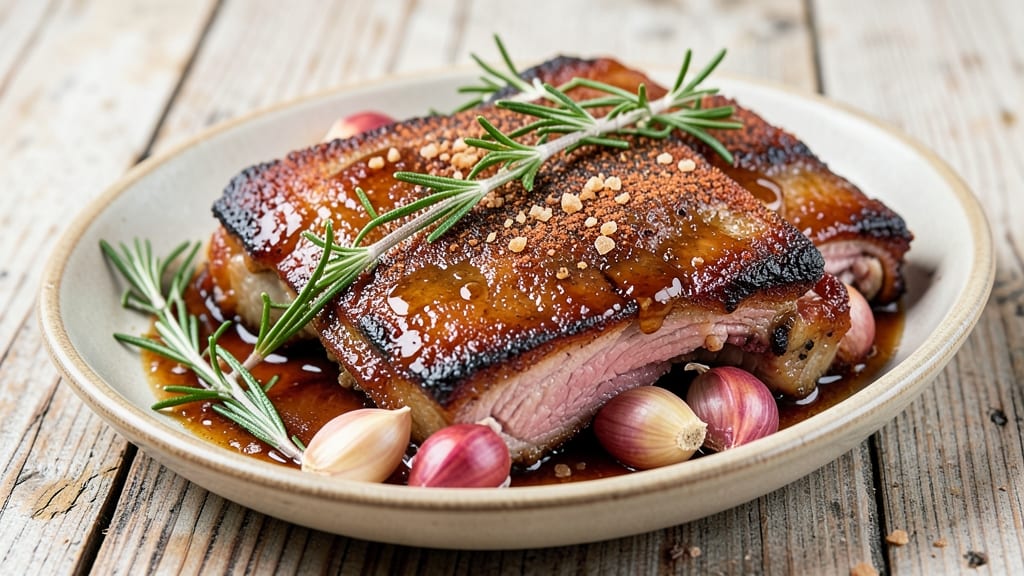
This healthy pork ribs recipe transforms a traditionally fatty dish into a lean, flavor-packed meal without sacrificing that signature smoky taste. The secret lies in using a vinegar-based marinade that tenderizes while keeping fat in check, paired with a dry rub that delivers bold flavor with minimal oil.
I’ve perfected this method over years of testing—no heavy sauces, no greasy basting, just clean, satisfying bites that prove healthy eating can still be indulgent.
The process starts with trimming excess fat from the ribs (don’t worry, we’ll still get that smoky aroma) and marinating them overnight in a blend of apple cider vinegar, garlic, and herbs. This not only tenderizes but also helps break down some of the natural fat.
After a slow bake in the oven, you’ll end up with ribs that are tender, lean, and packed with smoky depth—no guilt, just great flavor.
What makes this recipe work is the balance: the vinegar marinade cuts through richness while the dry rub (paprika, brown sugar, and spices) creates that classic rib crust. The result? Ribs that are healthier than takeout but still hearty enough to be the star of your meal.
Serve them with a crisp green salad or roasted vegetables to keep the dish well-rounded and satisfying.
This method is foolproof and restaurant-quality, but with a fraction of the fat. Whether you’re meal prepping for the week or cooking for a family dinner, these ribs deliver on flavor without the heaviness. Ready to try a healthier take on a classic favorite?
Ingredients for healthy pork ribs
Lean pork ribs, smoky spices, and vinegar magic—this healthy version keeps all the flavor, none of the guilt.
| Ingredient | Amount | Notes |
|---|---|---|
| Pork Ribs 🥓 | 2 lb | Baby back or St. Louis style, trimmed of excess fat |
| Apple Cider Vinegar 🍏 | ½ cup | Raw, unfiltered preferred |
| Garlic Cloves 🧄 | 6 cloves | Minced, fresh preferred |
| Fresh Rosemary 🌿 | ¼ cup | Chopped, stems removed |
| Smoked Paprika 🌶️ | 2 tbsp | High-quality for smoky flavor |
| Light Brown Sugar 🍚 | 2 tbsp | Packed, not granulated |
| Ground Black Pepper 🌶️ | 1 tbsp | Freshly ground preferred |
| Ground Cumin 🌿 | 1 tbsp | Toasted for deeper flavor |
| Onion Powder 🧅 | 1 tbsp | Freshly ground preferred |
| Olive Oil 🫒 | 1 tbsp | Extra-virgin for richness |
| Salt 🧂 | 1 ½ tbsp | Kosher or sea salt |
| Honey 🍯 | 1 tbsp | For glaze, optional |
| Fresh Thyme 🌿 | ⅛ cup | Leaves only, chopped |
The ribs make all the difference here. Baby back or St. Louis style work best—they're leaner and more tender than spare ribs. Trim any visible fat before marinating (it's okay to leave a thin layer for flavor). I always grab mine from Costco when they're on sale, but any grocery store's meat department will have them. Look for ribs with a good amount of marbling—just not too much fat. The apple cider vinegar is key: it tenderizes while cutting through richness. Raw, unfiltered vinegar has more flavor, but regular works fine if that's what you've got.
No fresh rosemary? Dried rosemary at half the amount works in a pinch, but fresh is ideal. Want to skip the honey glaze? Maple syrup or agave gives a similar sweetness without honey. The smoked paprika is non-negotiable for that classic rib flavor—Penzeys or Trader Joe's have great options. If you can't find light brown sugar, white sugar plus a pinch of molasses mimics the flavor. The olive oil might seem odd for ribs, but it helps the dry rub stick better—trust me on this. For extra smokiness, add 1/2 tsp liquid smoke to the marinade.
Marinate the ribs overnight for best results, then pat dry before applying the rub. The dry rub keeps these ribs crispy without adding extra fat. Store leftover ribs in an airtight container for 3-4 days—they reheat beautifully. For meal prep, portion into individual servings and freeze for up to 3 months. The marinade leftovers? Save it for another protein—it's versatile and packed with flavor.
Why You'll Love This Recipe
- No-Fuss Marinade: The apple cider vinegar and garlic do all the work—just toss the ribs in a bowl, let them sit while you make dinner. (Yes, even on a Tuesday night.)
- Tangy-Smoky Magic: That smoked paprika and rosemary combo? It’s the kind of flavor that makes you slow down and actually enjoy eating. The vinegar keeps it bright, not heavy.
- Leftovers That Don’t Suck: These ribs reheat like a dream—crispy edges stay crispy, no drying out. I pack them for lunches all week, and no one complains.
- Budget Crowd-Pleaser: A single rack feeds four, and the ingredients cost less than takeout. Honestly, it’s the kind of meal that makes you wonder why you ever ordered in.
Step-by-step instructions for lean, smoky pork ribs
Here's how to make ribs that are tender, flavorful, and actually good for you.
Prep the Ribs for Maximum Flavor and Health
Start by trimming any excess fat from the 2 lb pork ribs, leaving just a thin layer to protect the meat during cooking. I like to use a sharp boning knife for this—it gives you better control than a chef's knife. Pat the ribs completely dry with paper towels; moisture is the enemy of crispy skin and even cooking.
In a small bowl, combine the 0.5 cup apple cider vinegar, 1 tbsp honey, and 1 tbsp olive oil. Whisk until fully blended. This mixture will tenderize the meat and add a subtle sweetness that balances the smoky flavors. Place the ribs in a resealable plastic bag and pour the vinegar mixture over them. Seal the bag and massage the marinade into the meat, coating every surface. Let them marinate in the refrigerator for at least 2 hours, or up to overnight for deeper flavor penetration.
Build the Healthy Dry Rub
While the ribs marinate, prepare the dry rub in a medium bowl. Add the 2 tbsp smoked paprika, 2 tbsp light brown sugar, 1 tbsp ground black pepper, 1 tbsp ground cumin, 1 tbsp onion powder, and 1.5 tbsp salt. Mix well to combine all the spices evenly. The smoked paprika gives that classic BBQ flavor without the heavy smoke, while the cumin and onion powder add depth without overpowering.
Add the chopped fresh rosemary and thyme (0.25 cup rosemary and 0.125 cup thyme) to the spice mixture. The herbs bring bright, fresh notes that cut through the richness of the pork. Use your hands to rub the mixture all over the marinated ribs, pressing it into the meat so it adheres well. This ensures every bite is packed with flavor while keeping the ribs lean and healthy.
Cook the Ribs Low and Slow
Preheat your oven to 275°F. Line a baking sheet with aluminum foil and place a wire rack on top. This setup allows air to circulate around the ribs, promoting even cooking and crispy edges. Place the rubbed ribs on the rack, bone-side up, and cover tightly with another sheet of foil. This helps retain moisture while the ribs cook slowly.
Bake the ribs for 3 hours. The low temperature breaks down the collagen in the meat, making it fork-tender without adding excess fat. After 3 hours, remove the foil and increase the oven temperature to 400°F. Return the ribs to the oven for an additional 15-20 minutes to crisp the edges and develop a beautiful bark. The ribs are done when they're fork-tender and the internal temperature reaches 195°F.
Rest and Serve with Confidence
Once the ribs are cooked, transfer them to a cutting board and let them rest for 10 minutes. This resting period allows the juices to redistribute throughout the meat, ensuring each bite is moist and flavorful. I know it's tempting to dig in right away, but trust me—this step makes all the difference.
Slice the ribs between the bones and serve immediately. The result is tender, lean pork ribs with a smoky, herby crust and a bright, tangy finish from the apple cider vinegar. Serve with a side of steamed vegetables or a fresh salad to keep the meal balanced and healthy. Each bite delivers rich flavor without the guilt, making these ribs a win-win for both taste and nutrition.
Pro Tips For Making Healthy Pork Ribs
- CRANK THE HEAT FIRST: Start your ribs on the hottest burner or grill you’ve got—no half-measures. The apple cider vinegar needs that initial blast to cut through the fat and caramelize the edges properly. After 3 minutes of direct heat, you’ll see the magic happen: a sticky, glossy crust that’s the foundation for all that rosemary-smoked flavor.
- SMASH THOSE GARLIC CLOVES: I used to just chop my garlic, but now I smash the cloves flat with the side of my knife before mincing. This releases more oils and aroma into the vinegar marinade—especially important here since we’re not drowning the ribs in sugar or heavy sauces. Let them soak in the marinade for at least 2 hours (overnight if you’re patient).
- DON’T SKIP THE ROSEMARY SPRINKLE: After the ribs come off the heat, while they’re still sizzling, scatter fresh rosemary sprigs directly onto the meat. The steam from the hot ribs will infuse the needles into the surface, giving you that herbal punch without overpowering. Skip this, and you’re missing the bright, piney finish that balances the smokiness.
- WRAP THEM IN FOIL—BUT NOT TOO TIGHT: When you’re done with the initial sear, tent the ribs loosely with foil (not sealed like a burrito) and let them steam for 10 minutes. This keeps them moist without turning them soggy. I learned this the hard way—my first batch came out dry because I wrapped them too snug, trapping all the moisture inside. Give them room to breathe.
Best sauces and condiments for this recipe
Tangy Vinegar Glaze
Skip the heavy barbecue sauce and go for a bright, vinegar-based glaze that complements the ribs without adding extra fat. Mix ¼ cup apple cider vinegar, 1 tbsp honey, and 1 tsp Dijon mustard in a small saucepan.
Simmer over medium heat for 3-4 minutes until slightly thickened. Brush this glaze over the ribs during the last 10 minutes of cooking—it adds a tangy sweetness that cuts through the richness of the pork. 🍏
Herb-Infused Olive Oil
For a lighter alternative to fatty sauces, infuse ¼ cup extra-virgin olive oil with 2 tbsp fresh rosemary, 1 tbsp fresh thyme, and 3 garlic cloves. Heat the oil gently for 2-3 minutes, then strain and drizzle it over the finished ribs.
The herbs enhance the smoky flavor while adding a fragrant, aromatic touch that keeps the dish feeling fresh and balanced.
Spicy Mustard Cream
Whisk together 2 tbsp Greek yogurt, 1 tbsp Dijon mustard, and ½ tsp smoked paprika for a creamy, tangy dip that pairs perfectly with these lean ribs. The Greek yogurt adds protein and a cool contrast to the smoky heat, while the mustard ties into the vinegar marinade.
Serve it on the side or drizzle it lightly over the ribs for extra moisture without heaviness. 🌶️
Citrus-Herb Compote
Simmer ½ cup orange juice, 1 tbsp honey, and 1 tsp grated orange zest with ½ cup diced red onion until reduced by half. This sweet-tart compote adds brightness and a touch of acidity to balance the richness of the ribs.
Spoon it over the top or serve it as a side for dipping. The citrus cuts through the fat while enhancing the overall flavor profile.
Garlic-Herb Butter (Light Version)
For a luxurious finishing touch, melt 2 tbsp butter with 1 minced garlic clove and 1 tbsp chopped parsley over low heat. Drizzle this lightly over the ribs just before serving—it adds richness without overpowering the lean profile.
The garlic and herbs complement the dry rub while keeping the dish light and flavorful. Use sparingly to avoid excess fat.
Nutrition facts
Frequently asked questions
Can I use spare ribs instead of baby back or St. Louis style?
Yes, but expect a longer cooking time! Spare ribs have more connective tissue and fat, so they need 4-5 hours at 275°F instead of 3. Trim extra fat first—they'll still be delicious but require more patience. The vinegar marinade helps tenderize the tougher meat. Pro tip: Add 1 extra tbsp of vinegar to the marinade for spare ribs.
How do I keep these ribs from drying out?
Don't skip the foil wrap during the slow cook! The ribs release moisture as they cook, and covering them traps steam to keep them tender. If using a meat thermometer, pull them when they hit 195°F—they'll continue cooking slightly after removing from heat. For extra moisture, brush with 1 tsp apple cider vinegar during the last 15 minutes of cooking.
What's the best way to reheat leftover ribs?
Reheat gently to avoid toughness. Wrap ribs in foil with 1 tbsp water and bake at 300°F for 15-20 minutes. For microwave reheating, cover with a damp paper towel and heat in 30-second intervals until warmed through. Never reheat above 325°F—high heat makes pork dry out quickly.
Can I grill these ribs instead of baking?
Follow the same marinade and dry rub, then grill over indirect medium heat (250-275°F) for 3-4 hours, flipping occasionally. Spritz with apple cider vinegar every 30 minutes to keep them moist. For the final crisp, move to direct heat for 5 minutes per side. Use a grill thermometer to monitor temperature—wood chips add smokiness without extra fat.
Why does my dry rub stick to the ribs?
This happens when ribs aren't fully dry before applying the rub. Pat them thoroughly with paper towels after marinating. If the rub still sticks, chill the ribs uncovered in the fridge for 30 minutes before applying—this helps the moisture evaporate. For extra adhesion, mix 1 tsp cornstarch into your dry rub. The spices should cling lightly but not stick aggressively.