
Main Courses
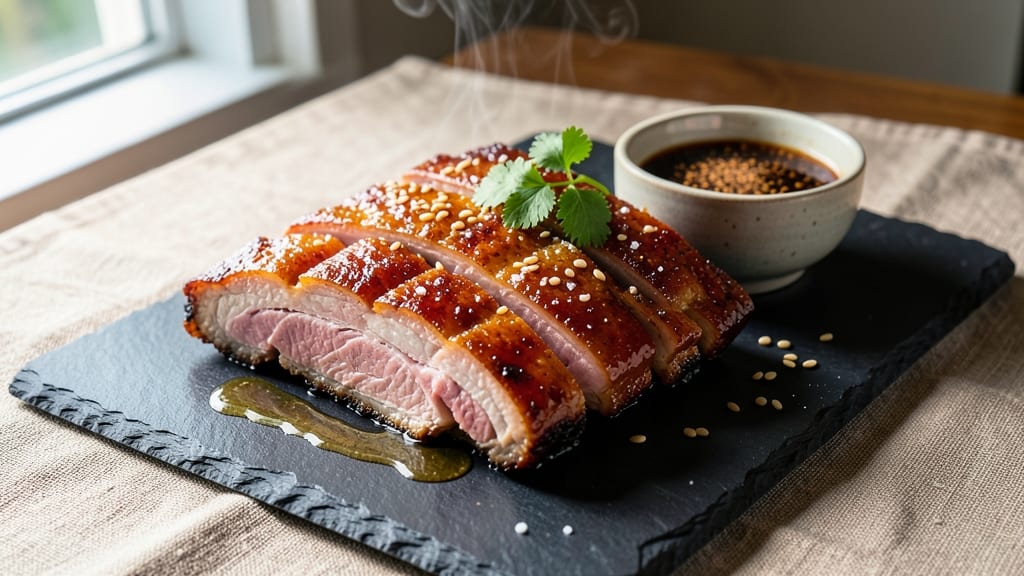
This Chinese pork spare ribs recipe delivers restaurant-quality results with a crispy bark and juicy hearts—all achieved in your home oven. I first discovered this technique while traveling through China, where street vendors perfected the art of slow-roasting ribs over charcoal.
The secret lies in a dual-cooking method that transforms tough cuts into melt-in-your-mouth perfection without a smoker.
What sets this recipe apart is the balance between tender meat and caramelized edges. We start with a dry rub of five-spice powder and brown sugar to create that signature crispy bark, then braise the ribs in a flavorful soy-ginger broth before finishing in the oven.
The result? Ribs that are so tender they fall off the bone while maintaining that addictive crunch on the outside.
By the time you're done, you'll have ribs that rival your favorite Chinese restaurant—rich, aromatic, and packed with flavor. The sauce is simple but essential: a glossy glaze of honey, soy, and chili that adds depth without overpowering the natural taste of the pork.
Serve with steamed jasmine rice and quick-pickled vegetables for a complete meal that feels like a celebration.
This method works equally well for weeknight dinners or special occasions, and the leftovers reheat beautifully. The key is patience—letting the ribs develop their signature textures through careful cooking. Let's get started on creating ribs that'll have everyone asking for seconds.
Ingredients for chinese pork spare ribs recipe oven
Four pounds of pork ribs, aromatic spices, and a touch of sweetness transform into restaurant-quality ribs at home.
| Ingredient | Amount | Notes |
|---|---|---|
| Pork Spare Ribs 🥓 | 4 lb | Bone-in, trimmed of excess fat |
| Five-Spice Powder 🌶️ | 2 tbsp | Toasted for deeper aroma |
| Light Brown Sugar 🍚 | ½ cup | Packed, for caramelization |
| Kosher Salt 🧂 | 1 ½ tbsp | Diamond Crystal preferred |
| Ground Black Pepper 🌶️ | 1 tsp | Freshly cracked for heat |
| Soy Sauce 🍶 | ½ cup | Light, not dark |
| Fresh Ginger 🧄 | 3 tbsp | Grated, or 1 tbsp ground |
| Garlic Cloves 🧄 | 6 cloves | Minced, for aromatic depth |
| Honey 🍯 | ¼ cup | Wildflower preferred |
| Rice Vinegar 🍶 | 2 tbsp | White or seasoned |
| Red Chili Flakes 🌶️ | 1 tsp | Adjust for heat preference |
| Sesame Oil 🫒 | 1 tbsp | Toasted, for finishing |
| Jasmine Rice 🌾 | 1 ½ cups | Uncooked, for serving |
The ribs are everything here—bone-in spare ribs with good meat-to-bone ratio. Look for cuts with a thick layer of meat on the bones for maximum juiciness. Costco or local butchers often carry them pre-cut, but if buying whole, trim excess fat to help the bark crisp better. Five-spice powder is non-negotiable; Penzeys or local Asian markets carry the best quality. Toast it in a dry pan for 30 seconds before mixing to wake up those flavors. The brown sugar? Light, not dark—it caramelizes better without the molasses bit.
No five-spice powder? Mix 1 tsp each cinnamon, cloves, fennel, and star anise for a DIY version. Substitute honey with maple syrup or agave if needed (though honey adds that perfect balance). The ginger can be fresh or ground, but fresh has way more punch. For the sauce, if you can't find rice vinegar, apple cider vinegar works in a pinch. And if you're sensitive to heat, skip the chili flakes entirely—just add an extra splash of soy sauce for depth. The sesame oil is purely for aroma; if you're avoiding it, toasted peanut oil works too.
Ribs reheat beautifully—wrap in foil and bake at 300°F for 20 minutes. Store leftovers in an airtight container with the sauce for up to 4 days. For the rice, 1.5 cups uncooked jasmine rice makes about 3 cups cooked—perfect for serving alongside. The sauce thickens as it cools, so thin with a splash of water if needed. And save that leftover sauce—it's amazing on noodles or as a dipping sauce for spring rolls.
Why You'll Love This Recipe
- Here’s what sold me: I can throw this together while scrolling through my phone, and by dinner, everyone’s begging for seconds. The five-spice blend cuts through the richness of the pork, and the brown sugar adds just enough sweetness to make it feel special—without the fuss of a BBQ sauce. My kids pick out the ribs first.
- Five-Spice Magic: Honestly, that first whiff of five-spice powder hitting the ribs—warm cinnamon, star anise, and clove—is like a flavor hug. The brown sugar caramelizes into a sticky glaze that clings to every bone without you having to baste or flip constantly. (Yes, even on a Tuesday night.)
- One-Pan Wonder: I swear by this recipe because it’s that easy: ribs on a sheet pan, oven does the work. No messy stovetop pots or multiple pans—just salt, pepper, and a sprinkle of five-spice, then bake. The ribs fall off the bone, and my counters stay clean. Minimal chopping required.
- Leftovers? Please.: Between us, these ribs reheat like a dream—they’re crispy on the edges and tender inside, so you can toss them in rice bowls, noodles, or even a quick stir-fry. I’ve fed a crowd with one batch, and they’re still disappearing from my fridge days later. Budget-friendly? Absolutely.
Step-by-step instructions for Chinese pork spare ribs
The secret to perfect Chinese-style ribs lies in the balance of sweet, savory, and aromatic flavors. Here's how to achieve that signature crispy bark and tender meat every time.
Prepare the Ribs and Dry Rub
Pat the 4 lb pork spare ribs completely dry with paper towels—this is crucial for developing that coveted crispy bark. I like to work in batches if they're particularly wet, as moisture prevents the rub from adhering properly. Once dry, place the ribs on a wire rack set over a baking sheet to maximize airflow on all sides.
In a small bowl, whisk together the 2 tbsp five-spice powder, 0.5 cup light brown sugar, 1.5 tbsp kosher salt, and 1 tsp ground black pepper. The sugar will begin to dissolve slightly from the moisture in the spices, creating a sticky paste. Generously coat each rib with this mixture, pressing it into the meat so it adheres well. Let the seasoned ribs sit at room temperature for 30 minutes while you prepare the marinade—this allows the rub to penetrate and the meat to cook more evenly.
Create the Glazing Marinade
In a medium bowl, combine the 0.5 cup soy sauce, 3 tbsp freshly grated ginger, 6 minced garlic cloves, 0.25 cup honey, 2 tbsp rice vinegar, and 1 tsp red chili flakes. The ginger and garlic should be finely minced—this ensures they distribute evenly throughout the marinade and infuse maximum flavor into the ribs. Stir well to fully dissolve the honey and create a smooth, glossy mixture.
Here's the thing—don't rush this step. The marinade needs time to meld, so let it sit for 10 minutes while you preheat your oven. This resting period allows the flavors to develop and the vinegar to mellow slightly, preventing an overly sharp taste in the final dish.
Marinate and Roast the Ribs
Preheat your oven to 300°F—this lower temperature is key for slow, even cooking that renders fat and develops deep flavor without drying out the meat. Place the seasoned ribs in a large baking dish and pour the marinade evenly over them, coating all surfaces. Cover the dish tightly with aluminum foil and roast for 2 hours, turning the ribs halfway through to ensure even exposure to the heat.
After 2 hours, remove the foil and increase the oven temperature to 425°F. This final high-heat phase is what creates that beautiful crispy bark. Return the ribs to the oven, uncovered, for 30-45 minutes until the edges are deep mahogany brown and the meat is fork-tender. You'll know they're ready when the bark develops a glossy sheen and the ribs pull away from the bone with minimal resistance.
Finish with Sesame Oil and Serve
While the ribs are still hot, drizzle 1 tbsp toasted sesame oil evenly over them. This final touch adds an aromatic depth that elevates the dish from good to exceptional. Let the ribs rest for 10 minutes before serving—this allows the juices to redistribute, ensuring each bite is moist and flavorful.
Serve the ribs hot over 1.5 cups cooked jasmine rice, spooning any accumulated juices from the baking dish over the top. The contrast of the crispy, caramelized exterior with the tender, juicy meat creates the perfect balance of textures. For extra drama, garnish with additional red chili flakes or fresh cilantro if you like.
Pro Tips For Making Chinese Pork Spare Ribs Recipe Oven
- Trim the Fat First: Chinese-style ribs need that five-spice powder to cling, so trim the thickest fat layers before seasoning—it’s the difference between flavor clinging to the meat and sliding off. Use kitchen shears for speed, but leave a thin layer of fat on the bones for moisture (yes, even if it looks messy).
- Start High, End Low: Roast the ribs at 425°F (220°C) for the first 20 minutes to caramelize the sugar and brown the edges, then drop to 300°F (150°C) for the rest. I used to skip this, and the ribs ended up either burnt or bland—temperature control is the thing that matters most.
- Wet the Sugar: Light brown sugar hardens like cement when dry, so dissolve it in 1 tablespoon of water before mixing with five-spice and pepper. Brush it on the ribs in thin layers—thick glaze = sticky mess, not crispy crust.
- Skip the Crowding: Pile ribs on top of each other in the oven, and they’ll steam instead of crisp. Space them ½-inch apart on the rack, even if it means two batches. I learned this the hard way—my first attempt looked like a soggy pile of disappointment.
Creative variations of this recipe
Sweet and Spicy Glaze
For a modern twist, replace the honey in the marinade with ¼ cup hoisin sauce and 2 tbsp chili garlic sauce (like La Choy). Add 1 tbsp rice wine for depth, then broil the ribs for 5 minutes at the end to caramelize the glaze.
This creates a sticky, glossy finish that’s perfect for dipping steamed bao buns. I first tried this at a Portland dim sum spot—it’s become my go-to for game day gatherings. 🔥
Smoky Charcoal Finish
Want that authentic street-food smokiness without a grill? After the 425°F bake, transfer ribs to a cast-iron skillet over medium-high heat for 2-3 minutes per side. Add ½ tsp smoked paprika to the sesame oil for extra depth.
This mimics the charcoal-broiled flavor I remember from Beijing street vendors. Pair with quick-pickled cucumbers to cut through the richness. 🌶️
Coconut Milk Braise
Swap the soy sauce for ½ cup coconut milk and add 1 tbsp lemongrass paste (or 2 tbsp minced lemongrass) to the marinade. Simmer the ribs in a Dutch oven at 325°F for 2.5 hours instead of baking.
The result? Creamy, fragrant ribs with a tropical twist—perfect for summer. Serve with jasmine rice and mango salsa for a fusion feast. 🥥
Spicy Sichuan Style
For heat lovers, add 1 tbsp Sichuan peppercorns (toasted and ground) and 1 tbsp doubanjiang (fermented chili bean paste) to the dry rub. Finish with a drizzle of chili oil before serving.
The numbing heat from Sichuan peppercorns makes this version unforgettable. I balance it with cooling cucumber salad and steamed bok choy. 🌶️
Slow-Cooker Adaptation
No oven? Use a 6-quart slow cooker on LOW for 8 hours with the same marinade. After cooking, transfer ribs to a baking sheet and broil for 5 minutes to crisp the bark. This hands-off method is perfect for weeknights—just add the ribs and forget about them until dinnertime. 💫
Vegetarian Option
For a plant-based version, use mushroom ribs (like King Oyster mushrooms) marinated in the same glaze. Roast at 400°F for 25 minutes until tender. The texture mimics pork surprisingly well—great for meat-free Mondays! Serve with sesame-ginger tofu for a complete meal. 🌱
Nutrition facts
Frequently asked questions
Can I use baby back ribs instead of pork spare ribs?
Yes, but with adjustments! Baby back ribs have less meat and more fat than spare ribs. For best results, trim excess fat and reduce the oven time by 15-20 minutes during the low-and-slow phase. The crispy bark will still form, but the meat will be slightly more delicate. Spare ribs are ideal for their meat-to-bone ratio, but baby backs work beautifully in this recipe too.
Why does my bark keep falling off?
This usually happens when the ribs aren't dry enough before seasoning or the oven temperature fluctuates. Pat the ribs thoroughly dry with paper towels, and use a wire rack over a baking sheet to maximize airflow. Also, avoid opening the oven door during the 425°F crisping phase—temperature drops cause the bark to soften. If it happens, just add more five-spice powder and brown sugar and return to the oven.
How do I make these ribs ahead of time?
These ribs reheat beautifully! Cook them fully, then store in an airtight container with the sauce for up to 4 days in the fridge. To reheat, wrap in foil and bake at 300°F for 20 minutes. For the crispy bark, broil for 2-3 minutes uncovered at the end. The flavors actually deepen overnight, making them even more delicious for leftovers.
Can I use a meat thermometer? What temperature should they be?
Insert the thermometer into the thickest part of the meat (avoiding bone). The ribs are done when they reach 195°F internally—the collagen has broken down, making them fork-tender. For spare ribs, this usually happens during the 2-hour low-and-slow phase. The final crisping at 425°F is just for texture, not doneness.
What sides pair best with these ribs?
Classic pairings include steamed jasmine rice, stir-fried bok choy, or quick-pickled vegetables to cut through the richness. For a heartier meal, add garlic green beans or egg drop soup. I love serving them with mandarin orange salad for a refreshing contrast—the sweetness balances the savory, spicy flavors perfectly.