
Sauces & Condiments
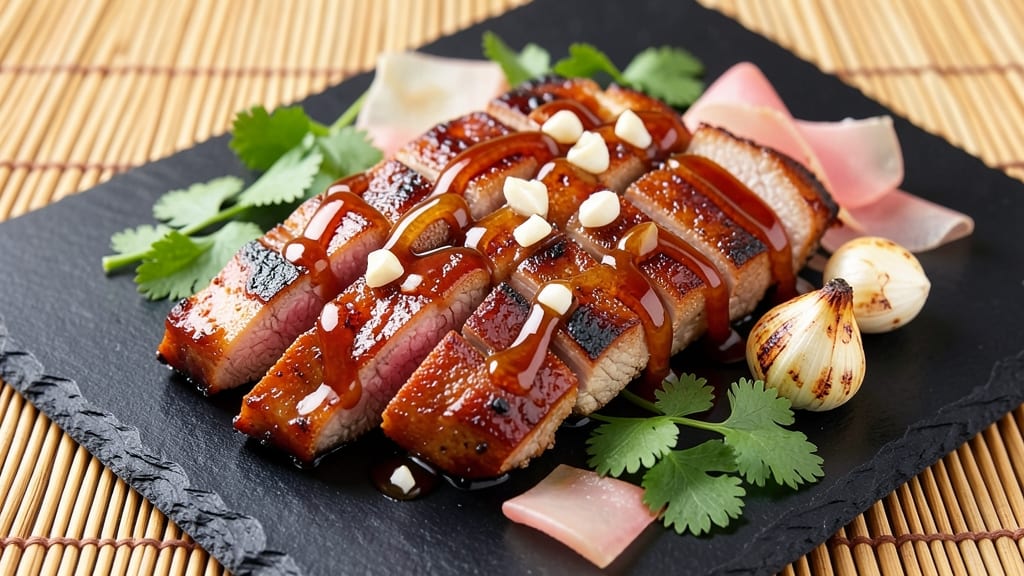
This Chinese BBQ pork marinade recipe unlocks the aromatic depth that makes Asian-style pork unforgettable. 🌟 The five-spice blend creates a fragrant crust while tenderizing the meat—perfect for grilling, roasting, or braising.
I developed this after years of perfecting my pitmaster techniques, where the right marinade transforms even simple pork into something extraordinary.
The secret lies in balancing sweet, salty, and umami flavors through soy sauce, hoisin, honey, and garlic. Five-spice powder adds that signature warmth, while a splash of rice vinegar brightens the profile.
This marinade works equally well for tenderloin, shoulder cuts, or even chicken—just adjust the time based on your protein.
What you'll achieve is pork with a caramelized exterior and juicy interior, infused with layers of smoky-sweet flavor. The marinade develops deeper complexity the longer it sits, so plan ahead for maximum impact.
Whether you're grilling for a summer feast or slow-roasting for a winter gathering, this marinade delivers restaurant-quality results every time.
For best results, marinate for at least 4 hours (overnight for maximum flavor), then grill over medium-high heat or roast at 375°F. The residual marinade creates a sticky, caramelized crust that's impossible to resist.
This is the marinade I reach for when I want that authentic Chinese BBQ pork experience without the shortcuts.
Ingredients for chinese bbq pork marinade
Nine ingredients that transform simple pork into restaurant-worthy BBQ magic.
| Ingredient | Amount | Notes |
|---|---|---|
| Soy Sauce 🥢 | ½ cup | High-quality, preferably Japanese |
| Hoisin Sauce 🍶 | ¼ cup | For authentic umami depth |
| Honey 🍯 | ⅓ cup | Wildflower preferred for complexity |
| Garlic Cloves 🧄 | 6 cloves | Freshly minced for potency |
| Fresh Ginger 🌿 | ¼ cup | Finely grated, peel included |
| Rice Vinegar 🍶 | ¼ cup | White vinegar works in a pinch |
| Five-Spice Powder 🌶️ | 1 ½ tbsp | Homemade blend preferred |
| Sesame Oil 🫒 | 1 tbsp | Toasted for nutty aroma |
| Brown Sugar 🍚 | ¼ cup | Dark brown preferred |
| Black Peppercorns 🌶️ | ½ tsp | Freshly cracked for heat |
The five-spice powder is non-negotiable—Penzeys or Spicewalla for the best blend. Look for whole peppercorns to grind fresh (that's where the real flavor lives). Soy sauce should be Japanese-style with 17% sodium content—the Chinese-style stuff is too salty. Hoisin sauce? Lee Kum Kee is my go-to, but any good brand works. Ginger and garlic need to be fresh—no powdered substitutes here. The honey should be wildflower or clover for that floral depth that pairs perfectly with the smoky spices. If you can't find toasted sesame oil, regular will work, but toast a few seeds in a dry pan first for that nutty aroma.
No five-spice powder? Mix 1 tsp each of cinnamon, star anise, cloves, fennel seeds, and Szechuan peppercorns—toast them first for extra depth. Out of hoisin? Substitute 1 tbsp soy sauce plus 1 tbsp molasses. No rice vinegar? Apple cider vinegar works, but it'll taste slightly different. The brown sugar can be swapped for white sugar plus 1 tsp molasses if you're in a bind. Fresh ginger too fibrous? Use 1 tsp ground ginger, but you'll lose some of that bright zing. And if you're making this for chicken instead of pork, cut the marinating time to 2 hours max—chicken cooks faster and absorbs flavors differently.
This marinade keeps for 1 week in the fridge, but it gets better with age—like a good wine. Store it in a glass jar with a tight seal to preserve those aromatic oils. For maximum flavor, marinate pork for at least 4 hours, but overnight is ideal. If you're prepping ahead, freeze portions in ice cube trays—thaw overnight in the fridge before using. The residual marinade creates that signature caramelized crust, so don't skip the last few minutes of grilling or roasting. Trust me, that's where the magic happens.
Why You'll Love This Recipe
- Pantry Magic: The marinade lives in my fridge already—just soy, hoisin, honey, and a jar of garlic. No special shopping trips, no forgotten spices. Honestly, I’ve made this three times this week because it’s always there when I need it.
- Sweet-Savory Balance: That honey cuts through the saltiness like a dream, while the ginger and garlic add warmth. It’s not just sweet—it’s complex, with a sticky-sweet finish that makes every bite irresistible. (Yes, even on a Tuesday night.)
- Double-Duty Marinade: Use it for pork, chicken, or even tofu—it’s my go-to for stir-fries, rice bowls, or quick weeknight dinners. I’ll be real: my kids ask for it on their sandwiches now, and I don’t correct them.
- Leftover Goldmine: Marinate a big batch of pork, then roast it—what doesn’t cook turns into crispy, saucy leftovers. Freezes like a champ, too. Between us, this is how I feed a crowd without stressing.
Step-by-step instructions for Chinese BBQ pork marinade
This marinade delivers an irresistible five-spice glow that transforms pork into restaurant-quality perfection.
👨🍳 Step 1: Mince Aromatics with Precision
Start by mincing the 6 cloves garlic cloves into a fine paste using a mortar and pestle or the flat side of your knife. For the 0.25 cup fresh ginger, use a microplane or fine grater to create a smooth, pulp-like texture—no need to peel the ginger unless you prefer. The reason for this fine texture is to ensure even distribution throughout the marinade, where every bite of your pork will carry that signature aromatic punch.
Here's the thing—if you're using a knife for the ginger, you'll get a more fibrous result. That's why I recommend the microplane for that silky texture that blends seamlessly. Transfer both the garlic and ginger to a medium mixing bowl once minced. This prep work might seem tedious, but trust me, it makes all the difference in flavor development.
🍳 Step 2: Combine Wet Ingredients
In the same bowl with the minced aromatics, add the 0.5 cup soy sauce, 0.25 cup hoisin sauce, 0.33 cup honey, 0.25 cup rice vinegar, and 1 tbsp sesame oil. Stir vigorously with a silicone spatula until everything is fully incorporated and the mixture looks homogenous. You'll notice the honey and soy sauce create a glossy sheen—this is a good sign that the flavors are starting to meld together.
I like to let this mixture sit for 5 minutes at room temperature before adding the remaining ingredients. This brief rest allows the vinegar to mellow slightly and the aromatics to begin releasing their oils, which enhances the overall complexity of the marinade. Don't skip this step—it's where the magic begins.
🥘 Step 3: Sweeten and Season
Add the 0.25 cup brown sugar and 1.5 tbsp five-spice powder to the bowl, stirring continuously until the sugar dissolves completely. The mixture should become slightly thicker and develop a rich, caramel-like aroma. For the 0.5 tsp black peppercorns, I recommend using a mortar and pestle to crack them coarsely—this preserves their heat while preventing them from becoming a powder that might settle at the bottom.
Here's where it gets fun—taste the marinade now. You should detect layers of sweetness from the honey and brown sugar, a deep umami from the soy and hoisin, and that distinctive five-spice warmth. If it needs more balance, add a tiny splash of rice vinegar for acidity or a pinch more brown sugar for sweetness. The marinade should taste complex but harmonious, not one-note.
⏰ Step 4: Rest and Develop Flavors
Cover the bowl with plastic wrap and let the marinade rest at room temperature for at least 30 minutes. This resting period allows the flavors to fully meld and the five-spice powder to bloom, creating a more cohesive and aromatic marinade. I often make this marinade a day ahead—it actually improves in flavor as it sits, developing deeper complexity over time.
Before using, give the marinade a final stir. You'll notice it's slightly thicker now, with a beautiful glossy finish. This is your signal that it's ready to work its magic on your protein. The marinade should coat the back of a spoon with a velvety texture, indicating perfect balance between sweet, salty, and aromatic components.
Pro Tips For Making Chinese Bbq Pork Marinade
- MINCE THAT GINGER: Use a microplane or fine grater for fresh ginger—no chopping required. I learned this the hard way after struggling to blend stubborn ginger chunks into the marinade; now it dissolves smoothly into the soy and hoisin.
- TOAST THE GARLIC: Lightly crush the garlic cloves and dry-toast them in a hot pan for 30 seconds before adding to the marinade. The nutty aroma cuts through the sweetness, and it prevents that raw garlic bite that ruins the balance.
- DILUTE THE HONEY: Mix the honey with a splash of warm water first (about 1 tablespoon) to thin it out. This ensures even coating on the pork and prevents clumping—no one wants sticky, uneven glaze.
- MARINATE COLD: Refrigerate the pork in the marinade for at least 2 hours, ideally overnight. Cold temps help the flavors penetrate deeper, and pulling it straight from the fridge prevents overcooking when you grill or roast. (Yes, even if you’re impatient like me.)
Pro cooking tips for perfect results
Five-Spice Magic
The five-spice powder is the heart of this marinade, but not all blends are created equal. I swear by Penzeys or Spicewalla for their carefully balanced ratios of cinnamon, star anise, cloves, fennel, and Szechuan peppercorns.
If you're making your own blend, toast the whole spices in a dry skillet for 2 minutes before grinding—this deepens their aromatic oils. The Szechuan peppercorns add that signature tingling heat, while the cinnamon brings warmth. 🌶️
For extra depth, I like to add ½ teaspoon of ground white pepper to the blend. It adds a subtle, clean heat that complements the smoky notes without overpowering. Store your five-spice powder in an airtight container away from light—proper storage preserves its potency for up to 6 months.
If your blend loses its punch, simply toast it again before using.
Marination Mastery
Pork shoulder benefits from 12-24 hours of marinating, while tenderloin only needs 4-6 hours due to its delicate texture. I always marinate pork in the fridge to prevent bacterial growth—never at room temperature. For maximum flavor, use a ziplock bag or glass container to ensure even coating.
The acid in the rice vinegar helps tenderize the meat, so don't skip this ingredient even if you're using chicken or beef.
Pro tip: After marinating, let the pork sit at room temperature for 30 minutes before cooking. This equalizes the internal temperature, ensuring even cooking. I use a meat thermometer to monitor—pork is safe at 145°F internal temperature. The residual marinade creates that signature caramelized crust during grilling or roasting.
Grilling Techniques
For best results, grill over medium-high heat (400-450°F) with indirect heat. I use a charcoal grill for that authentic smoky flavor, but a gas grill works too. The key is to maintain a consistent 375°F internal temperature while grilling.
For extra crispiness, finish with 2 minutes per side over direct flame to develop the Maillard reaction. 🔥
If you're using a smoker, maintain 250°F and cook until the internal temperature reaches 195°F for pulled pork. The low-and-slow method allows the marinade to penetrate deeply while creating tender, melt-in-your-mouth texture.
For roasting, use a 375°F oven and baste with leftover marinade every 20 minutes to keep the exterior sticky and glossy.
Flavor Boost Hacks
Add 1 tablespoon of Shaoxing wine to the marinade for an authentic Chinese restaurant taste. The alcohol burns off during cooking, leaving behind a rich, nutty depth. For extra umami, stir in 1 teaspoon of fish sauce—it's a secret weapon in many Asian kitchens.
Always taste your marinade before applying—this ensures perfect balance between sweet, salty, and aromatic notes.
For a smoky twist, brush the pork with ½ cup of BBQ sauce during the last 5 minutes of grilling. I recommend Sweet Baby Ray's for its balanced sweetness and smokiness.
This fusion technique creates a delicious contrast between the traditional marinade and modern BBQ flavors. The result? A dish that's both authentic and innovative. ✨
Nutrition facts
Frequently asked questions
Can I use this marinade for chicken or beef instead of pork?
Yes, but adjust the marinating time! Chicken needs only 2-4 hours (it cooks faster and absorbs flavors differently), while beef benefits from 4-8 hours for tougher cuts. The five-spice blend works beautifully on both, but use a meat thermometer to ensure proper doneness (165°F for chicken, 145°F for beef). The honey and vinegar balance helps tenderize all proteins.
How do I make this marinade less sweet for a more traditional Chinese BBQ taste?
Reduce the honey to 0.25 cup and brown sugar to 0.125 cup, then add 1 extra tablespoon of soy sauce for saltiness. For extra depth, stir in 1 teaspoon of Shaoxing wine (it burns off during cooking but adds complexity). The key is balancing sweetness with umami—taste as you go! This version mimics the more savory Cantonese-style char siu.
What's the best way to store leftover marinade?
Transfer to an airtight glass container and refrigerate for up to 1 week. The flavors actually improve over time! For longer storage, freeze in ice cube trays—thaw overnight in the fridge before using. Never refreeze thawed marinade. Pro tip: Save ¼ cup before marinating to use as a dipping sauce or glaze for extra richness.
Can I grill this pork without a marinade crust?
Technically yes, but you'll miss the signature caramelized exterior! The marinade's residual sugars create that sticky, aromatic crust through the Maillard reaction. For a quick fix, brush the pork with leftover marinade during the last 5-10 minutes of grilling. If you're short on time, use a mix of 1 tbsp hoisin + 1 tbsp honey as a substitute glaze.
Why does my homemade five-spice blend taste weaker than store-bought?
Freshly ground spices lose potency quickly! Toast your whole spices in a dry pan for 2-3 minutes before grinding to intensify their oils. Store-bought blends are often pre-toasted. For extra strength, add ½ teaspoon of ground white pepper to your blend—it complements the five-spice warmth beautifully. Always store spices in airtight containers away from light and heat.