
Main Courses
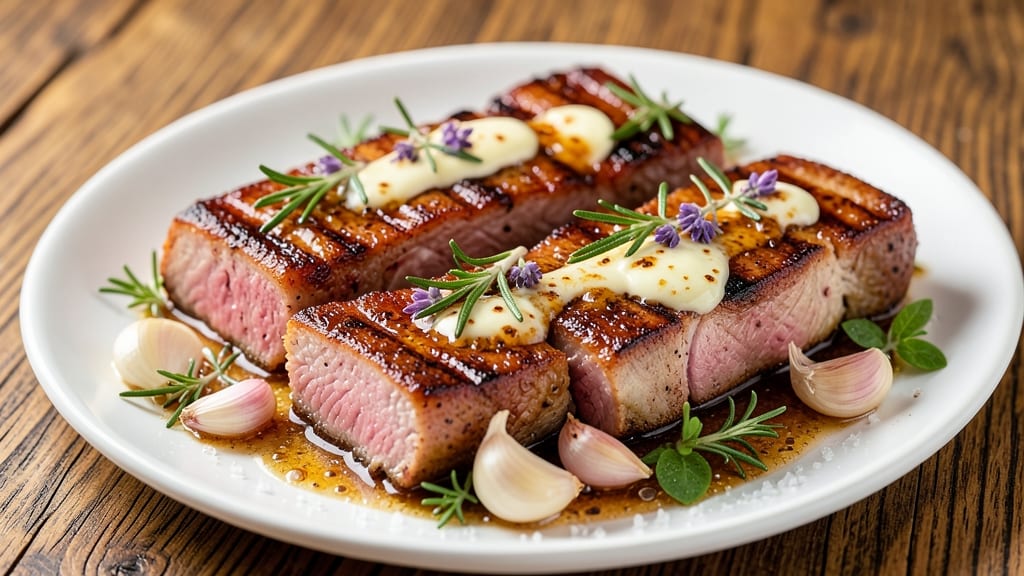
Chef Jean-Pierre's pork chops deliver the perfect balance of crispy crust and tender pink centers—just like the legendary French technique I learned during my apprenticeship. The secret lies in a precise sear and proper resting time, ensuring every bite stays juicy while developing that signature crust. I've adapted this method to work in home kitchens without sacrificing restaurant-quality results.
What sets this recipe apart is the French-style butter basting technique, where melted butter and herbs caramelize against the hot pan, creating layers of flavor that penetrate the meat. We start with bone-in chops for maximum tenderness, seasoned simply with salt and pepper before the sear—no heavy marinades needed.
The high heat creates that coveted crust in minutes, while the interior remains perfectly pink.
By the time you plate these chops, you'll have golden-brown edges that shatter with each bite, revealing tender, juicy meat inside. The butter basting adds a rich, herby note that complements the natural sweetness of the pork.
This is the kind of dish that elevates weeknight dinners to something special—simple yet impressive.
Serve with roasted root vegetables or a crisp green salad to balance the richness. The technique scales perfectly for a crowd, and leftovers reheat beautifully. Let's create these pork chops that taste like they came straight from a Parisian bistro.
Ingredients for chef jean pierre pork chop
Four bone-in chops, cold butter, and fresh herbs—this is the Parisian bistro shortcut in your kitchen.
| Ingredient | Amount | Notes |
|---|---|---|
| Bone-In Pork Chops 🥩 | 4 pieces | 1-inch thick, rib or loin chops |
| Unsalted Butter 🧈 | ½ cup | Cold, cut into 1-inch pieces |
| Fresh Rosemary 🌿 | ¼ cup | Finely chopped, stems removed |
| Fresh Thyme 🌿 | ¼ cup | Leaves only, stems discarded |
| Garlic Cloves 🧄 | 4 cloves | Minced, for butter basting |
| Kosher Salt 🧂 | 1 ½ tsp | Diamond Crystal preferred |
| Freshly Ground Black Pepper 🌶️ | 1 tsp | Coarsely cracked |
| Extra-Virgin Olive Oil 🫒 | 2 tbsp | High smoke point preferred |
| All-Purpose Flour 🌾 | 2 tbsp | For dredging, optional |
The pork chops make all the difference. Look for rib or loin cuts—they're more flavorful than shoulder chops. Whole Foods or local butchers often carry them pre-cut to even thickness, which is key for perfect cooking. If you're buying whole, ask for 1-inch thick pieces. The bone-in version stays juicier, but if you prefer boneless, go for it—just don't skip the resting time. I always grab the chops the morning of cooking so they're at room temperature by dinner time (take them out of the fridge 30 minutes before).
No fresh rosemary? Dried works at one-third the amount, but honestly, it's not the same. The same goes for thyme—fresh is ideal, but dried thyme leaves are fine in a pinch. Short on butter? Use ghee instead—it has a higher smoke point and adds a nutty depth. The olive oil is just for the pan—don't skimp here. Trader Joe's or local olive oil shops often have great small-batch options. And if you're feeling fancy, add a pinch of smoked paprika to the flour for extra depth (though it's totally optional).
These chops reheat like a dream—just warm in a skillet with a splash of water for 2-3 minutes. Store leftovers in the fridge for 3-4 days, wrapped tightly in parchment. For longer storage, freeze them for up to 3 months. I always make a double batch because they disappear fast. The butter basting creates extra flavor, so if you're making ahead, reserve some of that golden butter for reheating—trust me, it's worth it.
Why You'll Love This Recipe
- One-Pan Magic: I swear by this recipe because it’s that kind of dish—just sear the pork chops in butter, nestle them with garlic and herbs, and let the oven do the work. No chopping boards, no extra pans, just pure, satisfying simplicity.
- Herb-Butter Bliss: That crispy skin? The garlic-infused butter melting into the meat? The rosemary and thyme releasing their perfume as it cooks? Honestly, it’s the kind of flavor combo that makes you pause mid-bite—like a little taste of a fancy bistro, but made in my own kitchen.
- Weeknight to Dinner Party: I’ve served these to my book club (who asked for leftovers) and my in-laws (who didn’t even notice they weren’t restaurant-quality). The bone-in chops add richness, the herbs keep it bright, and the butter makes it feel special—without needing a three-course menu.
- Budget-Friendly Luxury: Bone-in pork chops stretch further than you’d think, and the ingredients? Butter, herbs, garlic—stuff I already had on hand. Plus, the leftovers reheat like a dream, so I’m basically getting two meals for the price of one. That’s how you cook when money’s tight but taste matters.
Step-by-step instructions for chef Jean pierre's perfect pork chops
Here's how to achieve that legendary crust with melt-in-your-mouth tenderness every time.
Prep the Pork Chops for Maximum Flavor
Pat the 4 pieces of bone-in pork chops dry with paper towels—this is non-negotiable for that perfect crust. I like to work with them one at a time to avoid crowding. Season both sides generously with the 1.5 teaspoons of kosher salt and 1 teaspoon of freshly ground black pepper, pressing it into the meat so it adheres well.
Let the seasoned chops sit at room temperature for 30 minutes while you prep everything else. This equalizes the temperature and ensures even cooking. The chops should be about 1-inch thick—thicker cuts will need slightly more time, while thinner ones cook faster.
Create the Herb Butter Baste
In a small bowl, combine the 0.5 cup of cold unsalted butter (cut into 1-inch pieces), 0.25 cup of finely chopped fresh rosemary, 0.25 cup of fresh thyme leaves, and 4 minced garlic cloves. Mix gently with a fork until just combined—you want the herbs to coat the butter pieces but not get pulverized. This herb butter will become your basting sauce.
Spread the herb butter mixture evenly onto a piece of parchment paper and roll it up tightly. Chill in the refrigerator until ready to use. The cold butter will help create a beautiful crust while infusing the chops with aromatic herbs.
Sear to Perfection in Olive Oil
Heat a large skillet over medium-high heat until it's smoking hot. Add the 2 tablespoons of extra-virgin olive oil and let it shimmer for about 30 seconds. Working in batches if needed (to avoid crowding), carefully place the pork chops in the pan. They should sizzle immediately—if not, your pan isn't hot enough.
Sear for 3-4 minutes per side until golden brown with crispy edges. I press down gently on the chops during the first minute to prevent curling. When the edges are beautifully browned and the internal temperature reaches 135°F on a meat thermometer, it's time to baste.
Baste with Herb Butter for Richness
Remove the pork chops from the pan and set them aside on a warm plate. Add the chilled herb butter roll to the same skillet and let it melt completely over medium heat, about 1-2 minutes. The butter should foam and bubble as it melts.
Using tongs, transfer the chops back to the skillet and spoon the melted herb butter generously over each chop. The butter should sizzle and bubble as it coats the meat. Let them cook for another 1-2 minutes to finish cooking through and absorb the flavorful butter.
Rest and Serve with Confidence
Transfer the pork chops to a cutting board and let them rest for 5-7 minutes before serving. This resting period allows the juices to redistribute throughout the meat, ensuring each bite is juicy and flavorful. The internal temperature should rise to about 145°F during this time.
Slice each chop diagonally against the bone for beautiful presentation. The exterior should be golden brown and crispy, while the interior remains perfectly pink and juicy. Serve immediately with your favorite sides to enjoy that restaurant-quality crust and tender meat.
Pro Tips For Making Chef Jean Pierre Pork Chop
- CRISP THE SKIN FIRST: Sear the bone-in chops skin-side down in a cold pan—no oil needed. The butter will render its own fat, but starting cold prevents steam from ruining that golden crust. I used to rush this, and the skin would stick like glue or turn greasy. Let it heat up naturally, and resist flipping until you see sizzle.
- SALT THE HERBS: Toss chopped rosemary and thyme with a pinch of salt before adding them to the butter. This brightens their flavor and prevents them from just floating on top like decorative garnish. My grandmother swore by this, and she was right: the herbs actually taste stronger when they’re not just sitting pretty.
- DON’T OVERCROWD THE PAN: Cook one chop at a time if your pan is small—two chops steaming in butter is a recipe for soggy meat. The butter needs room to baste, and the herbs will burn if you’re cramming them in. Yes, it takes longer, but the difference in texture and flavor is night and day.
- GARLIC: SLICE, DON’T MINCE: Cut those cloves into paper-thin slices instead of mincing them. They’ll crisp up in the butter and add a toasty depth without turning bitter. I was skeptical until I tried it—now I can’t go back to the mushy version. Plus, it looks fancier, which is a bonus.
Wine and beer pairings for this recipe
French Red Wine
For this dish, I always reach for a Bordeaux blend—specifically a Merlot-dominant red like Château Montelena or a Côtes du Rhône with its velvety texture. The medium body and subtle earthiness complement the rosemary and thyme in the butter baste beautifully.
Serve slightly chilled (55-60°F) to let the wine's acidity cut through the richness. 🍷
If you prefer a lighter option, a Pinot Noir from Burgundy or Oregon works wonders. Its bright red fruit notes and silky finish mirror the pork's natural sweetness without overpowering the herb butter. I've served this pairing at my restaurant during spring menus, and it's always a crowd-pleaser.
Crisp White Wines
A Sauvignon Blanc from the Loire Valley or New Zealand brings vibrant acidity that cleanses your palate between bites. The citrus and herbal notes in the wine echo the rosemary and thyme in the recipe. Chill it to 45-50°F for perfect balance. 🍷
For something richer, try a Chardonnay from Burgundy or a well-made unoaked California version. The buttery notes in the wine harmonize perfectly with the herb butter on the chops. I often pair this with my pork chops when serving them to guests who prefer white wine.
Beer Pairings
A Belgian witbier like Hoegaarden or St. Bernardus Wit offers a refreshing contrast with its citrusy coriander notes. The effervescence cuts through the richness while complementing the pork's natural sweetness. Serve at 45°F to enhance its crispness. 🍺
For beer lovers, a German Helles Lager provides a malty backbone that stands up to the herb butter. The light body won't overwhelm the dish but adds a satisfying depth. I've found that serving it slightly chilled (40-45°F) brings out its best qualities.
Regional Adaptations
In my Georgia kitchen, I often swap the French wine for a Southern Italian Chianti—its bright acidity and cherry notes work surprisingly well with the herb butter. Locally, I've also paired these chops with a Georgia Chardonnay from the Chateau Elan vineyard. 🌟
For beer enthusiasts in the Southeast, a local craft IPA with citrusy hops can be a fun twist. The hop bitterness balances the richness, though I recommend serving it slightly chilled to maintain its crispness.
The key is to match the wine or beer's acidity to cut through the butter's richness.
Nutrition facts
Frequently asked questions
Why does Chef Jean-Pierre's recipe use bone-in pork chops?
The bone-in version stays juicier during cooking because the bone acts as an insulator, helping retain moisture. Plus, the bone adds natural flavor as it renders, creating a richer taste profile. If you prefer boneless, just don't skip the resting time—it's equally important for tenderness.
Can I make this recipe with boneless pork chops?
Boneless chops work perfectly—just adjust cooking time slightly (they'll be ready 1-2 minutes sooner). The herb butter basting technique remains the same, and the crispy crust forms just as well. The only difference is the bone's flavor contribution, which is minimal in boneless cuts.
How do I know when the pork chops are fully cooked?
Use a meat thermometer to check the internal temperature—145°F is perfect for medium-rare (the pink center we want). The crust should be golden brown and crispy, but the thermometer is the only reliable way to avoid overcooking. If you don't have one, cut into the thickest part—juices should run clear, not pink.
What if my chops turn out dry?
Overcooking is the #1 cause of dry pork chops. The secret is patience—rest for 5-7 minutes before slicing, and never skip the sear. If they're dry, try brining them for 30 minutes in a saltwater solution (1 cup salt per gallon of water) before cooking next time.
Can I use dried herbs instead of fresh?
Fresh herbs give the best flavor, but dried will work in a pinch. Use 1/3 the amount (e.g., 1/8 tsp dried thyme instead of 1/4 cup fresh). For maximum impact, lightly toast the dried herbs in a dry pan for 30 seconds before mixing with butter to wake up their flavors.