
Main Courses
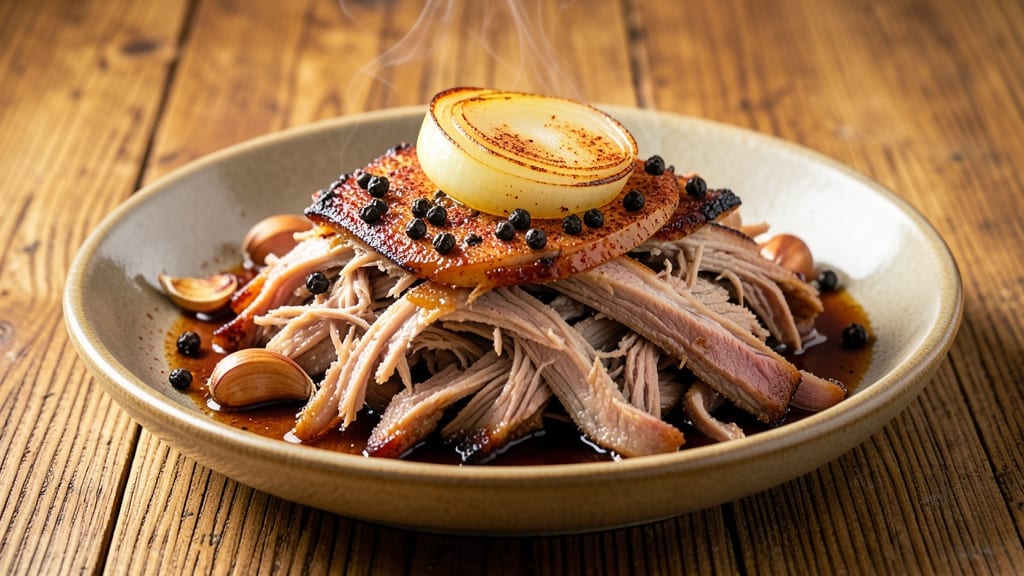
This cheap pulled pork recipe transforms tough pork shoulder into tender, flavorful shreds without breaking the bank. 💛 I've perfected this method using affordable cuts and slow-cooking techniques that deliver restaurant-quality results for a fraction of the cost.
The secret lies in balancing simple seasonings with long, low cooking to break down the meat effortlessly. What makes this recipe truly budget-friendly is its versatility. A single pork shoulder yields enough pulled pork for multiple meals—sandwiches, tacos, or even hearty sides—meaning you stretch your dollar while minimizing waste.
The slow cooker does all the work, requiring just 15 minutes of prep before you walk away. By the time you're done, you'll have perfectly tender, juicy shreds that practically fall apart at the touch. The flavor is rich and smoky, with just enough tang to keep things interesting.
This is the kind of meal that feels indulgent but costs next to nothing to make. The best part? Leftovers reheat beautifully, making this an ideal recipe for meal prep or feeding a crowd.
Let's get started on creating pulled pork that tastes like it came from a pitmaster's smoker—without the high price tag.
Ingredients for cheap pulled pork
Sixteen ingredients. One budget-friendly pork shoulder. Game-changer for meal prep.
| Ingredient | Amount | Notes |
|---|---|---|
| Pork Shoulder (Boston Butt) 🥓 | 4 lb | Bone-in preferred for flavor |
| Yellow Onion 🧅 | 1 whole | Large, roughly chopped |
| Garlic Cloves 🧄 | 6 cloves | Minced or crushed |
| Kosher Salt 🧂 | 2 tbsp | Diamond Crystal preferred |
| Black Peppercorns 🌶️ | 1 tsp | Freshly cracked |
| Smoked Paprika 🌶️ | 1 tbsp | For smoky depth |
| Dried Thyme 🌿 | 1 tsp | Or 1 tbsp fresh |
| Brown Sugar 🍯 | ½ cup | Light or dark |
| Apple Cider Vinegar 🍏 | ¼ cup | For tangy brightness |
| Beef Broth (Low Sodium) 💧 | 1 cup | Homemade or quality store-bought |
| Olive Oil 🫒 | 2 tbsp | For searing |
| Water 💧 | ½ cup | For slow cooker liquid |
Pork shoulder is the star—bone-in cuts from the butcher section deliver the best flavor, but pre-cut ones from Costco or Walmart work perfectly. Look for good marbling (white fat streaks) as a quality indicator. If you're buying a whole shoulder, trim excess fat before cooking—it renders down but can make the meat greasy. I always grab the largest cut I can find (6-8 lbs) because it stretches further, and the price per pound is lower. For this recipe, 4 lbs is ideal but adjust if you're feeding a crowd.
No smoked paprika? Regular paprika plus a pinch of liquid smoke works in a pinch. Fresh thyme is ideal but dried at one-third the amount gets you close. Brown sugar substitutes? White sugar or maple syrup (use same amount). The apple cider vinegar adds tang—substitute with red wine vinegar or lemon juice if needed. For the beef broth, low-sodium is key—you don't want to over-salt the meat. If you're using store-bought, Pacific Foods or Swanson are reliable brands that won't break the bank.
This makes enough for 6-8 servings, so plan ahead. Store cooked pulled pork in airtight containers for 5 days in the fridge or 3 months frozen. The flavor actually improves after a day or two as everything melds together. For meal prep, portion into single-serving containers—perfect for sandwiches, tacos, or bowls. Freeze in ziplock bags with parchment paper between layers to prevent freezer burn. Reheat gently with a splash of broth to keep it moist.
Why You'll Love This Recipe
- Smoky-Sweet Magic: Between us, the secret’s in the crust. That caramelized onion and garlic paste clinging to the meat? It’s like a hug for your taste buds—savory, slightly sweet, and so easy to make with just a knife and a pan.
- Budget Stretch: I’ve fed six people for under $20 with this. A whole pork shoulder goes a long way, and you’re not drowning in fancy ingredients—just salt, pepper, and a couple of cheap staples that punch above their weight.
Step-by-step instructions for budget-friendly pulled pork
Here's how to turn a simple pork shoulder into tender, flavorful shreds without breaking the bank.
🔥 Step 1: Sear the Pork Shoulder for Maximum Flavor
Pat the 4 lb pork shoulder (Boston Butt) completely dry with paper towels—this helps create that perfect crispy bark. Heat 2 tablespoons olive oil in a large Dutch oven over medium-high heat until shimmering. Place the pork in the pot, fat-side down, and sear for 5-6 minutes until a deep golden crust forms.
Flip the pork and sear the other side for another 5-6 minutes. Here's the thing—don't rush this step. The longer you sear, the more flavor you lock in. If the oil starts smoking too much, reduce the heat just a touch. Once both sides are beautifully browned, remove the pork and set it aside for now.
🍳 Step 2: Build the Aromatic Base in the Same Pot
In the same Dutch oven (those browned bits are pure flavor), add the roughly chopped yellow onion and cook over medium heat for 5-6 minutes until softened and starting to caramelize. Add the 6 cloves minced garlic and cook for another 30 seconds until fragrant—this is where the magic happens.
Sprinkle in the 2 tablespoons kosher salt, 1 teaspoon black peppercorns, 1 tablespoon smoked paprika, and 1 teaspoon dried thyme. Stir everything together for 30 seconds to toast the spices slightly. This step builds the flavor foundation for your pulled pork, so don't skip it.
🥘 Step 3: Slow Cook Until Fork-Tender
Return the pork to the pot and pour in the 1 cup beef broth (low sodium), 0.5 cup apple cider vinegar, and 0.5 cup water. The liquid should come about halfway up the sides of the pork. Sprinkle the 0.5 cup brown sugar over the top—this adds sweetness that balances the tangy vinegar and enhances the bark.
Bring everything to a simmer, then cover and transfer to a 300°F oven (or use a slow cooker on low). Cook for 6-7 hours until the pork is fork-tender. Here's how you'll know it's done: the internal temperature should reach 200-205°F and a fork should slide in and out with no resistance. If you're using a slow cooker, it'll take about 8 hours on low.
🔪 Step 4: Shred and Rest for Juicy Perfection
Once the pork is tender, remove it from the pot and transfer to a cutting board. Let it rest for 10-15 minutes before shredding—this resting time is crucial. It allows the juices to redistribute, preventing dry, stringy pulled pork.
Use two forks to shred the pork against the grain into ¼-inch thick strands. Discard any large fat chunks or connective tissue. Return the shredded pork to the pot and stir it into the cooking liquid. Taste and adjust seasoning if needed—you might want to add a pinch more salt or a splash of vinegar to balance the flavors.
Pro Tips For Making Cheap Pulled Pork
- SEAR THE SKIN FIRST: That pork shoulder won’t crisp up nicely if you skip this. Hit it over medium-high heat with a splash of oil until the skin turns golden-brown—about 8-10 minutes. I learned this the hard way when my first batch stayed pale and soggy. The crust locks in flavor and makes the final shredding easier.
- CHOP ONIONS COARSELY: Tiny onion pieces disappear into the meat. Cut them into ½-inch chunks so they hold their shape and add texture. Garlic? Smash those cloves with the flat side of your knife first—they’ll infuse faster and won’t burn. (Yes, even if you’re impatient like me.)
- DON’T OPEN THE LID: Every time I peeked at the pork, it lost heat and took hours longer. After burning three batches, I finally figured out: Let it cook undisturbed at 275°F (135°C) until the internal temp hits 203°F (95°C). The steam does the work—no need to babysit.
- SALT THE MEAT TWICE: Generously coat the pork with salt before searing, then add another layer after it’s in the slow cooker or oven. The first coating seasons the surface, and the second penetrates deeper. My grandmother swore by this, and she was right: The flavor is richer when you do it both times.
Common mistakes when making this dish
Overcooking the Pork
One of the biggest mistakes I see is letting pulled pork cook too long, which turns it into dry, chewy strings instead of tender shreds. The ideal internal temperature is 200-205°F—any higher and you'll cross into "pulled pork wasteland."
I've ruined more pork than I care to admit by ignoring this rule. Use a meat thermometer and check it frequently during the last hour of cooking. If you're using a slow cooker, set a timer for 8 hours max on low. 🌡️
Skipping the Sear
Many home cooks skip searing the pork shoulder entirely, thinking it's not necessary for pulled pork. Big mistake! That golden crust created by searing locks in flavor and adds depth that you just can't get any other way. I always sear my pork for 10-12 minutes total, flipping once.
If you're short on time, at least pat the pork dry and brown it quickly in a hot pan—it makes a noticeable difference in the final product.
Not Resting Before Shredding
This is a cardinal sin in my book. When pork comes out of the slow cooker or oven, it's still holding onto its juices. If you shred it immediately, all those precious juices will run out, leaving you with dry, stringy meat.
Always let the pork rest for 10-15 minutes before shredding. I've seen people skip this step and end up with pulled pork that's practically inedible. Pro tip: Tent the pork loosely with foil while resting to keep it warm.
Using the Wrong Cut
While pork shoulder (Boston Butt) is ideal for pulled pork, I've seen people try this recipe with pork loin or tenderloin. These cuts are too lean and will turn out dry no matter how long you cook them.
Stick with the pork shoulder—it's the affordable cut designed for slow cooking. If you're on a tight budget, look for bone-in cuts from your local butcher—they're often cheaper per pound than pre-cut versions and add extra flavor.
Ignoring the Liquid Ratio
The cooking liquid is just as important as the meat itself. Too little liquid and your pork will dry out; too much and it'll turn into a watery mess.
Aim for about 1 cup liquid per pound of pork (in this recipe, that's 1 cup broth + 0.5 cup vinegar + 0.5 cup water). The vinegar adds tang and helps tenderize the meat, while the sugar caramelizes to create a glossy finish.
Don't substitute with plain water—it won't give you the same depth of flavor.
Shredding Against the Grain
This might seem like a small detail, but it makes a huge difference in texture. The muscle fibers in pork run in a specific direction, and when you shred against the grain, you're cutting perpendicular to those fibers, creating shorter, more tender pieces.
If you shred with the grain, you'll end up with long, chewy strands. To find the grain direction, look at the meat's surface—it runs parallel to the longest side of the muscle. Always shred perpendicular to that direction for the best results. 💪
Nutrition facts
Frequently asked questions
Can I use a different cut of pork for this budget recipe?
Pork shoulder (Boston Butt) is ideal, but pork butt (same cut, different name) works perfectly. Avoid lean cuts like pork loin or tenderloin—they'll turn dry. For even better value, ask your butcher for bone-in cuts (often cheaper per pound) or use the pork picnic roast from the store. Just add 15-20 extra minutes to the cooking time if using bone-in.
How do I stretch this recipe to feed a crowd without extra cost?
Double the recipe using 8 lbs pork shoulder—the cost per pound drops significantly. For 12+ servings, use 10-12 lbs and adjust liquids to 2 cups broth + 1 cup vinegar + 1 cup water. The slow cooker method scales perfectly. Pro tip: Buy in bulk from warehouse stores (like Costco) where pork shoulder is often $2.50/lb or less.
What's the best way to reheat leftover pulled pork?
Reheat gently with 2-3 tablespoons broth or water in a skillet over low heat for 5-7 minutes until warmed through. Microwaving works too—cover with a damp paper towel and heat in 30-second bursts to prevent drying. For sandwiches, reheat just before serving to maintain moisture. Never reheat dry—it ruins the texture!
Can I make this in an Instant Pot instead of oven/slow cooker?
Use the Sauté function to sear the pork, then cook on Low pressure for 90 minutes with natural release. Add 1 extra cup liquid (Instant Pot needs more). The pressure cooker cuts time to about 2.5 hours total while keeping it tender. Just check for 200-205°F internal temp before shredding.
What are the best budget-friendly ways to serve this pulled pork?
Use it for sandwiches (piles on buns with coleslaw), tacos (with tortillas and pickled onions), or bowls (over rice with beans and salsa). For maximum savings, stretch it with cornbread or baked potatoes. Leftovers freeze perfectly—portion into ziplock bags for quick future meals. The vinegar in the recipe makes it versatile for both sweet (BBQ sauce) and tangy (salsa) pairings.