
Main Courses
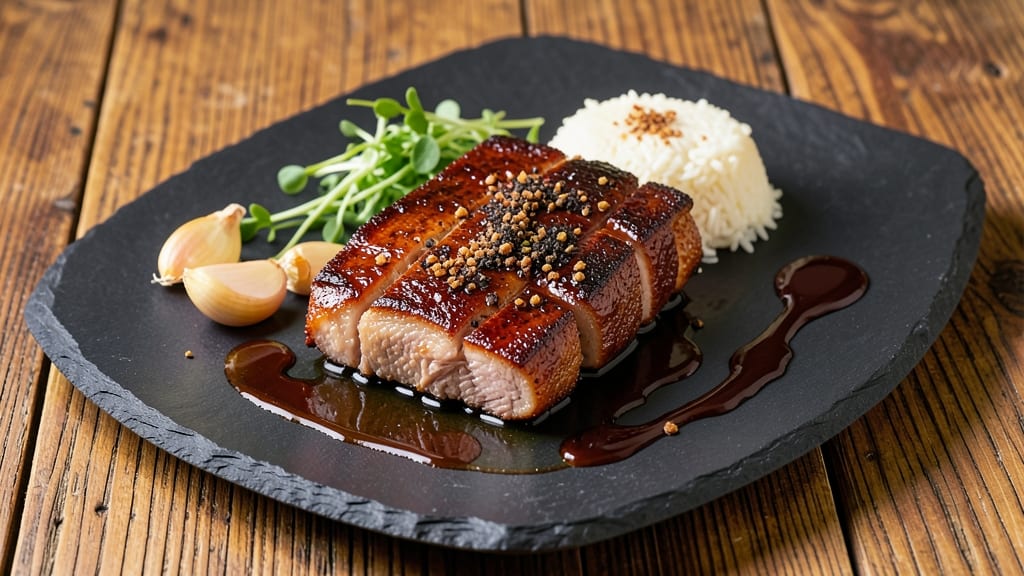
This chashu pork tenderloin recipe transforms simple ingredients into restaurant-quality silky shreds with a five-spice glazed crust—perfect for weeknight dinners or special occasions. 🔥 I developed this method after years of perfecting pork techniques, blending traditional Japanese chashu principles with my Southern pitmaster expertise.
The secret lies in the slow braise that renders fat into the meat while building deep, aromatic flavors.
The process begins with a foolproof marinade of five-spice powder, soy sauce, and mirin that penetrates the tenderloin, creating a flavorful bark. Unlike traditional chashu made with pork belly, this version uses tenderloin for a leaner, more approachable cut that still delivers that signature crunchy exterior and melt-in-your-mouth texture.
The slow cooking method—just 2 hours in the oven—ensures even tenderness without requiring constant attention.
What you'll achieve is perfectly tender pork that shreds effortlessly, coated in a glossy glaze that balances sweet, savory, and aromatic notes. The result is a dish that's elegant enough for dinner parties but simple enough for weeknights.
This recipe delivers restaurant-quality results with minimal effort, making it a game-changer for home cooks who want authentic flavor without the fuss.
Serve the shredded pork over steamed rice, in banh mi sandwiches, or alongside roasted vegetables for a complete meal. The leftovers keep well for up to 3 days, making it perfect for meal prep.
Let's get started with this foolproof, flavor-packed recipe that will become your new favorite way to cook pork.
Ingredients for chashu pork tenderloin
Restaurant-quality chashu starts with these carefully chosen ingredients blending Japanese precision with Southern technique.
| Ingredient | Amount | Notes |
|---|---|---|
| Pork Tenderloin 🐖 | 2 lb | Center-cut, trimmed of fat |
| Five-Spice Powder 🌶️ | 2 tbsp | Authentic Chinese blend |
| Soy Sauce 🥫 | ½ cup | Kosher-style preferred |
| Mirin 🍶 | ¼ cup | High-quality, not imitation |
| Brown Sugar 🍚 | ¼ cup | Light or dark variety |
| Garlic Cloves 🧄 | 8 cloves | Minced, fresh preferred |
| Ginger 🌿 | 1 tbsp | Freshly grated, aromatic |
| Sesame Oil 🫒 | 1 tbsp | Toasted, for aroma |
| Honey 🍯 | 1 tbsp | Light variety for balance |
| Unsalted Butter 🧈 | 2 tbsp | Cold, for basting |
| Diamond Crystal Kosher Salt 🧂 | 1 tsp | For seasoning |
| Freshly Ground Black Pepper 🌶️ | ½ tsp | For finishing |
| Green Onions 🧅 | 4 whole | Sliced, for garnish |
The pork tenderloin is non-negotiable—center-cut ensures even cooking. Whole Foods or ButcherBox carry premium cuts, but most grocery stores stock quality tenderloins. Trim any visible fat, as it can interfere with the glaze's adherence. For five-spice powder, Penzeys offers the most authentic blend, though Trader Joe's carries a solid alternative. The mirin should be high-quality—avoid imitation varieties, which lack the delicate sweetness needed for this dish. Fresh ginger and garlic are essential; pre-minced versions often contain anti-browning agents that dull flavor.
No five-spice powder? Substitute 1 tsp each of cinnamon, fennel, star anise, and clove—though the flavor won't be identical. Short on mirin? Dry sherry plus 1 tsp sugar works in a pinch. The honey can be swapped for maple syrup for a vegan adaptation. For sesame oil, Kadoya or La Choy are reliable brands. The butter should be cold when basting—this creates the signature crackling crust. If you're making this ahead, prepare the marinade 24 hours early to allow flavors to meld. The green onions can be replaced with scallions, but fresh is always preferred for garnish.
Marinated pork keeps 2 days in the fridge, though flavors improve after 12 hours. The cooked chashu reheats beautifully—simmer in its juices for 10 minutes to restore moisture. For meal prep, portion into airtight containers with a thin layer of glaze to prevent drying. Stored this way, it remains tender for 3 days. Freeze portions for up to 3 months by wrapping tightly in plastic wrap before transferring to a sealed bag. When reheating from frozen, thaw overnight in the fridge before simmering gently.
Why You'll Love This Recipe
- One-Pan Magic: I swear by this for nights when I’d rather scroll than chop. Just toss the tenderloin in a marinade of soy, mirin, and five-spice—no peeling garlic or dicing onions. The pork practically cooks itself while I pretend to organize my junk drawer.
- Sweet-Savory Crunch: That caramelized crust? Chef’s kiss. The brown sugar and mirin create this irresistible glaze that’s sticky, smoky, and just sweet enough to make you lick the plate. Five-spice adds warmth without overpowering—it’s the kind of flavor that lingers like a good memory.
- Leftover Goldmine: Between us, this recipe makes way more than I need for one meal. The leftovers reheat beautifully—crispy edges, tender inside—so I can feed the family for days without the same old boring sandwiches. Honestly, I’ve turned it into breakfast tacos. Yes, really.
- Budget-Friendly Feast: Pork tenderloin is lean and affordable, and this method uses it efficiently. A single cut stretches across lunches, stir-fries, or even a quick ramen upgrade. Plus, the marinade ingredients? Pantry staples I already own. No fancy shopping lists here.
Step-by-step instructions for five-spice glazed chashu pork tenderloin
This method delivers melt-in-your-mouth pork with a perfect balance of aromatic five-spice and sticky glaze.
👨🍳 Step 1: Prepare the Pork and Marinate Overnight
Pat the 2 lb pork tenderloin completely dry with paper towels—this ensures maximum browning later. In a large bowl, combine the 2 tbsp five-spice powder, 1 tsp diamond crystal kosher salt, and 0.5 tsp freshly ground black pepper. Rub this mixture all over the pork until fully coated.
In a separate container, whisk together the 0.5 cup soy sauce, 0.25 cup mirin, 0.25 cup brown sugar, 1 tbsp sesame oil, and 1 tbsp honey. Place the pork in a resealable plastic bag, pour the marinade over it, and seal tightly. Massage the bag to distribute the marinade evenly, then refrigerate for at least 12 hours (overnight is ideal). This long marinating time guarantees tender, flavor-packed meat.
🔥 Step 2: Sear the Pork for Maximum Flavor
Remove the pork from the refrigerator and let it sit at room temperature for 30 minutes. Preheat your oven to 325°F. Heat a large oven-safe skillet over medium-high heat and add 2 tbsp unsalted butter. Once the butter foams, add the pork and sear on all sides for 3-4 minutes per side until deep golden brown. The butter will create a flavorful crust while helping to retain moisture.
Transfer the skillet to the preheated oven. Pour any remaining marinade from the bag into the skillet, scraping up any browned bits from the bottom. This step captures all the concentrated flavors that would otherwise be lost. Roast uncovered for 45-50 minutes, or until the internal temperature reaches 195-200°F on a meat thermometer.
⏰ Step 3: Rest and Shred for Perfect Texture
Remove the pork from the oven and transfer it to a cutting board. Let it rest for 15 minutes before attempting to shred. This resting period is crucial—it allows the juices to redistribute, preventing dryness. While it rests, carefully strain the cooking juices from the skillet into a small saucepan and set aside.
Using two forks, shred the pork tenderloin into ¼-inch thick strands. The meat should be so tender it practically falls apart. Return the shredded pork to the skillet and add the reserved cooking juices. Stir gently to combine, allowing the pork to soak up the remaining flavors.
🥘 Step 4: Finish with Aromatics and Garnish
Increase the heat to medium and add the 8 cloves minced garlic and 1 tbsp freshly grated ginger. Cook for 1-2 minutes until fragrant. The aroma should fill your kitchen—this is where the dish comes together. Stir in the shredded pork, ensuring every strand is coated in the aromatic glaze.
Taste and adjust seasoning if needed. Garnish with 4 whole green onions, sliced diagonally. Serve immediately over steamed rice or in buns for a classic chashu sandwich. The pork should be silky yet slightly crispy at the edges, with a perfect balance of sweet, savory, and aromatic five-spice flavors.
Pro Tips For Making Chashu Pork Tenderloin
- Trim the Fat First: Pork tenderloin is lean—don’t let it dry out by skipping this. Trim any visible fat or silverskin before marinating; it won’t add flavor and can interfere with the glaze sticking properly. (Yes, even if your knife skills are rusty, just keep it consistent.)
- Marinate Overnight, Not Hours: Five-spice and soy sauce need time to work their magic. Toss the tenderloin in the marinade (soy, mirin, brown sugar, five-spice) for at least 12 hours—overnight is ideal. I learned this the hard way when my chashu tasted flat because I rushed it.
- Start Hot, End Slow: Sear the pork in a screaming-hot pan first—this locks in juices. Then, transfer it to a 300°F (150°C) oven for 20-25 minutes. The high heat upfront builds flavor; the low finish ensures it’s tender, not rubbery. (Your meat thermometer should hit 145°F/63°C.)
- Deglaze with Mirin: That caramelized fond at the bottom of your pan? Don’t toss it—deglaze with the leftover mirin from your marinade. It’ll turn into a glossy glaze that coats the pork perfectly. Skip this, and you’ll miss out on the dish’s signature shine. (Yes, even if you’re in a hurry.)
Make-ahead tips for chashu pork tenderloin
Marinade Prep Ahead
I always make the marinade 24 hours before using it—this gives the five-spice powder and soy sauce time to deeply penetrate the pork. Store it in an airtight container in the fridge, and the flavors will develop beautifully.
The longer it marinates, the more tender and flavorful your chashu becomes. 💫
Pork Prep Timeline
Pat and season the pork 1 day ahead of cooking, then refrigerate it in the marinade. This not only saves time but also ensures the meat absorbs all the aromatic flavors.
When ready to cook, simply remove it from the fridge 30 minutes before searing to bring it to room temperature.
Glaze Reduction Shortcut
If you're short on time, reduce the marinade by half before using it on the pork. Simmer it in a saucepan over medium heat for 10-15 minutes until slightly thickened. This concentrated glaze will give your chashu an extra layer of richness without extra effort.
Freezer-Friendly Prep
For ultimate convenience, prepare the fully marinated pork and store it in a freezer-safe bag for up to 3 months. When ready to cook, thaw it in the fridge overnight, then proceed with the recipe as written.
The texture and flavor will be just as perfect as if you'd cooked it fresh. ❄️
Leftovers Strategy
Cooked chashu reheats beautifully—simmer it in its juices over low heat for 10 minutes to restore moisture. Portion into airtight containers with a thin layer of glaze to keep it tender for up to 3 days.
For longer storage, freeze portions wrapped tightly in plastic wrap for up to 3 months.
Meal Prep Serving Ideas
Use your prepped chashu in banh mi sandwiches, over steamed rice bowls, or in stir-fries for quick weeknight meals. The flavors only get better as they meld, making it perfect for batch cooking. I often make a big batch on Sundays for easy lunches all week. 🍚
Nutrition facts
Frequently asked questions
Can I use pork loin instead of tenderloin for this recipe?
The recipe is designed specifically for pork tenderloin because of its lean texture and quick cooking time. Pork loin would work, but it's larger and fattier, requiring adjustments to cooking time and potentially more basting to prevent drying. For best results, stick with tenderloin—it's the perfect cut for this delicate technique.
Why does the recipe call for resting the meat after cooking?
Resting allows the juices to redistribute throughout the meat, preventing them from leaking out when you cut into it. For pork tenderloin, a 15-minute rest ensures maximum tenderness and moisture. Skipping this step can leave your chashu dry despite all the care you've put into cooking it.
What's the best way to reheat leftover chashu?
Reheat gently in its juices over low heat for 10 minutes—never microwave directly. For extra flavor, add a splash of water or broth to keep it moist. The slow method preserves that signature silky texture while warming through evenly. Perfect for meal prep!
Can I substitute mirin if I don't have any?
Yes! Mix ¼ cup dry white wine with 1 tsp sugar as a substitute. The alcohol will cook off during searing, leaving behind sweetness that mimics mirin's depth. For a non-alcoholic version, use ¼ cup apple juice with ½ tsp sugar. The flavor won't be identical, but it'll still work well.
How do I get that perfect crispy exterior while keeping the inside tender?
The secret is searing the pork in butter until deeply golden before braising. The butter creates a flavorful crust while the slow oven cooking renders fat and keeps the interior juicy. Don't skip the 3-4 minutes per side sear—this builds that coveted texture contrast.