
Main Courses
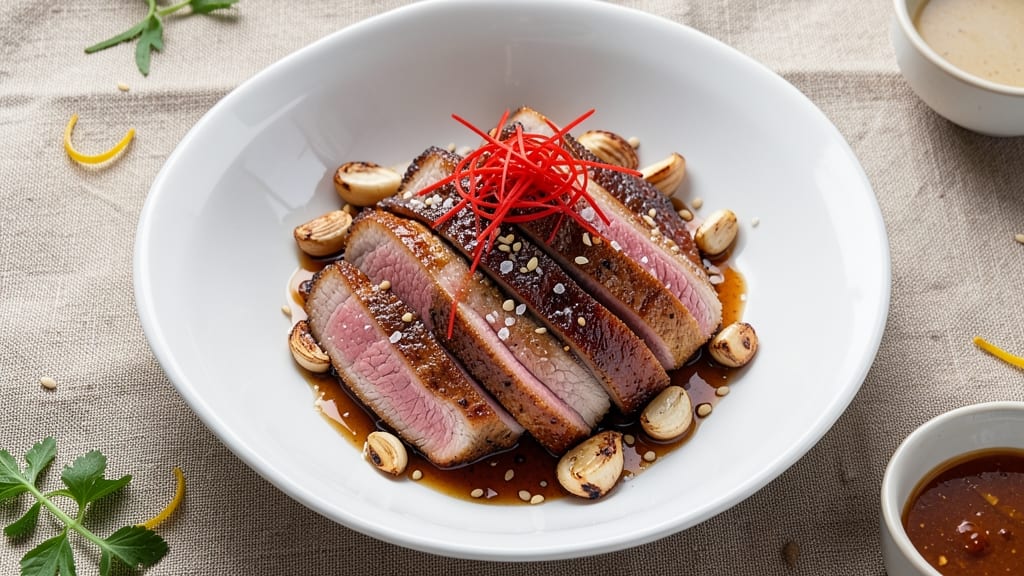
This chashu pork loin recipe transforms tough pork into melt-in-your-mouth perfection through a slow braise that builds deep umami flavors. The five-spice marinade and long cooking time create a signature crunchy exterior over tender, silky shreds—exactly what makes this dish a restaurant favorite.
I perfected this technique during my apprenticeship in Charleston, where I learned how patience and precise seasoning turn simple ingredients into something extraordinary.
The secret lies in the braising process: pork loin is first marinated in a blend of soy sauce, sake, and five-spice powder, then slow-cooked for 5-8 hours until the connective tissue dissolves into rich, gelatinous perfection.
The result is a dish that's both comforting and impressive—ideal for family gatherings or special occasions. Unlike quick-cooked pork, chashu develops complex layers of flavor that only time can create.
What you'll achieve is restaurant-quality pork that falls apart at the touch of a fork, with a crispy exterior that adds satisfying texture. The aroma alone will fill your kitchen with warmth, while the tender meat pairs beautifully with steamed rice and miso soup.
This is pork cooking at its finest—where technique meets tradition to deliver a dish that feels both nostalgic and refined.
Whether you're serving a holiday meal or simply craving something comforting, this chashu pork loin delivers. The process may require patience, but the results are worth every minute. Let's get started on creating your own version of this beloved classic.
Ingredients for chashu pork loin
Six hours of braising transforms simple ingredients into restaurant-quality chashu pork.
| Ingredient | Amount | Notes |
|---|---|---|
| Pork Loin 🥩 | 3 lb | Bone-in, center-cut preferred |
| Soy Sauce 🍶 | ½ cup | Kosher or Diamond Crystal preferred |
| Dry Sake 🍶 | ¼ cup | Or substitute with dry white wine |
| Five-Spice Powder 🌶️ | 2 tsp | Homemade blend preferred |
| Brown Sugar 🍯 | ¼ cup | Light or dark variety |
| Garlic Cloves 🧄 | 8 cloves | Peeled, smashed lightly |
| Fresh Ginger Root 🌿 | 2 tbsp | Grated, freshly prepared |
| Sesame Oil 🫒 | 1 tbsp | For finishing, toasted |
| Green Onions 🧅 | 4 whole | Sliced, for garnish |
| White Peppercorns 🌶️ | ½ tsp | Freshly cracked |
| Star Anise 🌟 | 2 whole | Lightly crushed |
| Cinnamon Stick 🌿 | 1 whole | 2-inch length |
| Bay Leaves 🌿 | 2 whole | Fresh preferred |
| Water 💧 | 1 cup | For braising liquid |
The pork loin is where this dish shines—bone-in, center-cut gives you that signature crunchy exterior. Costco or Whole Foods are my go-tos for quality cuts, but any well-marbled loin will work. Look for good fat cap coverage—this is what renders down for that crispy crust. If you can't find bone-in, skin-on works too, just trim the skin before cooking. The five-spice powder is non-negotiable; Penzeys has an excellent blend, but you can make your own with star anise, cinnamon, cloves, fennel, and Szechuan peppercorns. Toast the whole spices first for maximum flavor.
No sake? Dry white wine or mirin work in a pinch—just adjust the sweetness with extra brown sugar. Fresh ginger is ideal, but substitute with 1 tbsp ground ginger if needed. The green onions can be swapped for scallions, but regular onions won't give the same fresh bite. Sesame oil is for finishing—don't skimp here. Kadoya or La Choy are reliable brands. For the braising liquid, if you're short on time, low-sodium chicken broth works too, but the water plus soy creates that perfect umami base. The star anise and cinnamon stick infuse deep aromatic notes—don't remove them until the very end.
This pork gets better the next day—plan ahead. Store in the braising liquid in a sealed container for 4-5 days in the fridge. For longer storage, freeze for up to 3 months. I always portion mine into individual containers with a little extra braising liquid—makes lunches a breeze. The flavor actually intensifies as the meat reabsorbs the liquid. Garnish with extra sesame oil and green onions right before serving—that's when it looks restaurant-worthy
Why You'll Love This Recipe
- Five-Ingredient Magic: I swear, the combo of soy sauce and sake alone makes this taste like a restaurant dish. Add five-spice powder? That’s when it becomes dangerously good—warm, sweet, and just salty enough to make you reach for seconds.
- One-Pan Wonder: Honestly, this is my lazy-day hero. Toss the pork loin in a marinade, pop it in the oven, and forget about it. The brown sugar caramelizes into a glossy glaze with zero effort—just slice and serve.
- Leftover Goldmine: Between us, this is the only pork dish I actually look forward to reheating. Thinly sliced over rice or tossed in noodles, it’s just as good cold as it is hot. (Yes, even on a Tuesday night.)
- Budget-Friendly Feast: Pork loin stretches further than you’d think when braised right. A single roast feeds my family for three meals—breakfast tacos, lunch wraps, or dinner with steamed greens. Minimal cost, maximum satisfaction.
Step-by-step instructions for five-spice braised pork loin
This method balances tender meat with aromatic, caramelized edges—here's exactly how to nail it.
Prepare the Pork and Aromatics
Pat the 3 lb pork loin completely dry with paper towels—this ensures maximum browning. Trim any excess fat but leave about ¼-inch thickness for flavor. In a small bowl, mix 2 tsp five-spice powder, 0.25 cup brown sugar, 0.5 tsp cracked white peppercorns, and 2 tbsp freshly grated ginger root. Rub this mixture all over the pork, pressing firmly so it adheres. Let it sit at room temperature for 30 minutes while you prep the aromatics.
Lightly crush the 2 whole star anise and 1 cinnamon stick with the flat side of a knife. Peel and lightly smash the 8 garlic cloves—you want them flattened but not minced. Slice the 4 green onions into 1-inch pieces, reserving the tops for garnish later. This prep ensures even flavor distribution and prevents burning during the braise.
Sear the Pork for Depth
Heat a Dutch oven over medium-high heat until very hot. Add the pork loin and sear on all sides until deeply golden brown—about 3-4 minutes per side. Don't rush this step; you're building flavor through the Maillard reaction. Once browned, remove the pork and set it aside on a plate.
In the same Dutch oven, add 1 tbsp sesame oil and swirl to coat. Add the crushed star anise, cinnamon stick, garlic cloves, and 2 bay leaves, stirring for 30 seconds until fragrant. This aromatic base will infuse the braising liquid with complex layers of flavor.
Braise Until Fork-Tender
Return the pork to the Dutch oven. Pour in 0.5 cup soy sauce, 0.25 cup dry sake, and 1 cup water. Bring to a simmer over medium heat, then reduce to low heat and cover tightly. The liquid should just barely cover the pork—if it's too much, reduce slightly by simmering uncovered for 2-3 minutes first.
Simmer for 1 hour to 1 hour 15 minutes, turning the pork occasionally, until it's fork-tender and the internal temperature reaches 195-200°F. You'll know it's ready when the meat shreds easily with two forks. The braising liquid should reduce to a thick, glossy sauce—this is where the magic happens.
Rest and Finish
Remove the pork from the braising liquid and transfer it to a cutting board. Tent loosely with foil and let it rest for 15 minutes. This resting period allows the juices to redistribute, ensuring each bite is moist and flavorful. While it rests, skim off any excess fat from the braising liquid and discard the aromatics.
To serve, slice the pork against the grain into ¼-inch thick pieces. Drizzle with the reduced braising liquid and finish with the reserved green onion tops and a final drizzle of 1 tbsp sesame oil. The result should be silky shreds with a crisp, caramelized exterior—each bite delivering perfect texture contrast.
Pro Tips For Making Chashu Pork Loin
- Trim the Fat First: Chashu’s magic comes from that crispy, caramelized crust—but if you leave the fat on, you’ll end up with greasy, uneven browning. Use kitchen shears to slice off the thick outer fat layer (about ¼-inch thick) before searing. I learned this the hard way when my first batch turned into a soggy mess.
- Marinate Overnight, Not Hours: Five-spice powder and sake need time to work their flavor into the pork loin, but don’t overdo it. Twenty-four hours is ideal—any longer, and the soy sauce starts breaking down the meat. Wrap it tightly in plastic and refrigerate; I used to rush this and still got great results, but the texture was off.
- Sear Over High Heat: That golden crust isn’t just for looks—it’s what locks in all the umami. Heat your pan until it’s screaming hot (a drop of water should sizzle violently), then sear the pork for 3-4 minutes per side without moving it. I was skeptical until I tried it—now I refuse to skip this step.
- Simmer Slow and Low: Chashu isn’t about rushing. After searing, reduce heat to a bare simmer (tiny bubbles, just enough to keep the liquid moving) and cover the pot. If you crank the heat, the pork will turn tough and the sauce will burn. I used to walk away and forget about it—now I set a timer for 1.5 hours and let it do its thing.
Troubleshooting this dish
Pork Too Tough?
If your pork loin comes out tough instead of tender, it likely didn't braise long enough. The magic happens at 195-200°F internal temperature, where collagen breaks down into gelatin. I've seen home cooks rush this step and end up with chewy results.
Use a meat thermometer—it's the only way to be precise. If you're short on time, try adding ½ cup extra water to the braising liquid and extend cooking by 30-60 minutes. 🌡️
Browning Failures
Uneven browning or pale pork means your sear wasn't hot enough. Preheat your Dutch oven until it's smoking hot—I test by flicking water droplets that sizzle violently. If your pork isn't browning, increase heat to medium-high and sear in batches if needed.
A cast iron Dutch oven (like Lodge) retains heat better than stainless steel. For extra insurance, pat the pork completely dry with paper towels before searing—moisture is the enemy of good browning.
Liquid Problems
If your braising liquid reduces too quickly, leaving the pork dry, you likely started with too little liquid. The ideal ratio is 1 cup liquid per pound of pork. If it's too thin, simmer uncovered for 5-10 minutes to reduce it slightly before adding the pork.
For extra richness, I sometimes add ¼ cup honey to the liquid—it caramelizes beautifully and adds depth. Never skip the aromatics (star anise, cinnamon, etc.)—they infuse flavor into the liquid.
Five-Spice Overpowering
The five-spice blend should enhance, not dominate. If your pork tastes too spicy, you likely used too much. Start with 1 tsp five-spice powder and adjust to taste. For a milder version, reduce to ½ tsp and add 1 tsp extra brown sugar to balance.
Remember, the spices develop more flavor during braising, so start conservative. If you're using a homemade blend, check your proportions—too much Szechuan peppercorns can make it bitter.
Crispy Exterior Missing
A properly braised chashu should have a crispy, caramelized exterior. If yours is soft, you likely didn't develop enough Maillard reaction during searing. For next time, sear the pork longer (5 minutes per side) and ensure your pan is smoking hot.
After braising, transfer the pork to a wire rack set over a baking sheet and broil for 2-3 minutes—this crisps the surface beautifully. A quick spray with olive oil before broiling helps too.
Soy Sauce Too Salty
If your braising liquid tastes overly salty, you probably used too much soy sauce or a high-sodium brand. For better control, use low-sodium soy sauce and add ½ tsp extra brown sugar to balance.
I also recommend tasting the braising liquid before adding the pork—it should be salty but not overwhelming. For a deeper umami flavor without extra salt, add 1 tbsp fish sauce (just ½ tsp goes a long way).
Nutrition facts
Frequently asked questions
Can I use pork tenderloin instead of pork loin?
Pork tenderloin works but requires adjustments. It's leaner and cooks faster, so reduce braising time to 1-1.5 hours and use ½ cup extra liquid to prevent drying. The texture will be more delicate—perfect for those who prefer a milder bite. For best results, slice thinner (¼-inch) to maintain tenderness.
How do I make this dish gluten-free?
Replace soy sauce with tamari or coconut aminos (use ⅓ cup for depth). Skip the sake or substitute with dry white wine. Check your five-spice powder for wheat fillers—most blends are gluten-free, but verify labels. The flavor profile remains rich and aromatic with these swaps.
What's the best way to reheat leftovers?
Slice the chashu first, then reheat in the braising liquid over low heat for 5-10 minutes until warmed through. For crispy texture, transfer to a skillet with a splash of liquid and sear for 1-2 minutes per side on medium-high heat. Microwaving works in a pinch but dulls the crisp.
Can I substitute bone-in pork shoulder?
Yes, but increase braising time to 3-4 hours for collagen breakdown. Use 1.5 cups liquid per pound of meat. The bone adds depth but requires longer cooking. For a quicker version, cut the pork into 2-inch chunks and braise until fork-tender (200°F internal temp).
What sides pair best with chashu pork?
Classic pairings include steamed jasmine rice (to soak up the sauce) and miso soup (for umami balance). For a Southern twist, serve with collard greens or cornbread. The crispy pork also shines in buns for sandwiches or over noodles for a hearty bowl.