
Main Courses
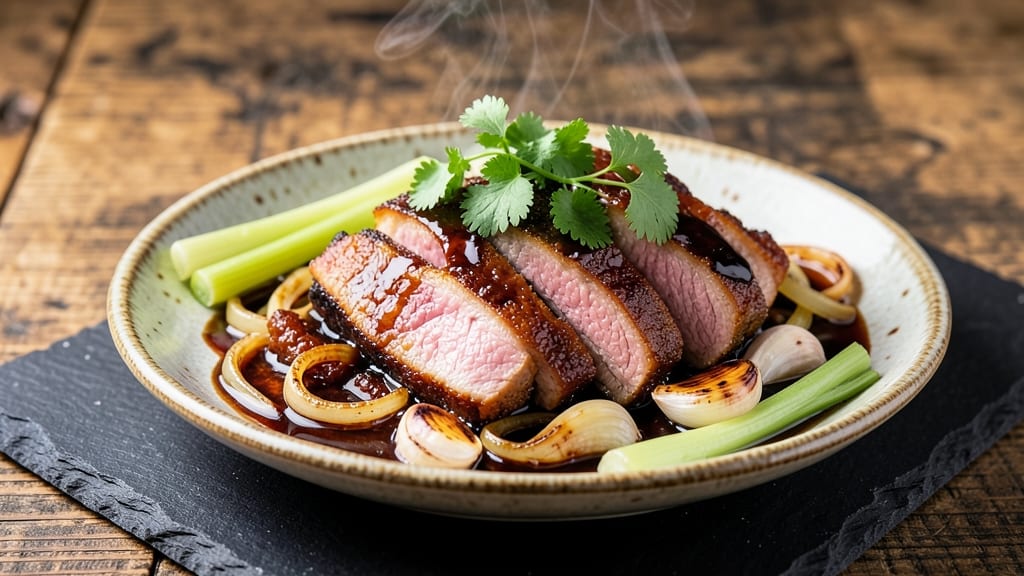
This Chairman Mao's pork recipe brings the legendary Chinese comfort dish to your kitchen with its signature tender pork and aromatic soy glaze. 🔥 The secret lies in slow-braising pork shoulder until it's fork-tender, then finishing with a crispy celery crown that adds texture and visual appeal.
I first tasted this dish in a Beijing street stall, and it's been my go-to for feeding crowds ever since.
The dish starts with a rich soy-based braise that balances sweet, salty, and tangy flavors through star anise, cinnamon, and vinegar. Pork shoulder breaks down into melt-in-your-mouth pieces when braised properly, while the celery crown adds that satisfying crunch.
This recipe delivers restaurant-quality results with just a few simple ingredients and patience.
What makes this dish special is how the flavors develop over time—the pork absorbs the aromatic braising liquid, creating a sauce that's as delicious as the meat itself. The celery crown, lightly fried until golden, provides that perfect textural contrast that makes every bite exciting.
Serve it over steamed rice for a complete meal that's both comforting and impressive.
While traditionally made with a whole pork shoulder, this recipe works beautifully with smaller cuts too. The braising technique ensures tender results regardless of the pork size. Perfect for family dinners, potlucks, or when you want to recreate that iconic Chinese street food experience at home.
Ingredients for chairman mao pork
Sixteen ingredients transform into a legendary Chinese dish with tender pork and crispy celery crown.
| Ingredient | Amount | Notes |
|---|---|---|
| Pork Shoulder 🥩 | 3 lb | Bone-in, cut into 2-inch chunks |
| Celery Stalk 🧅 | 1 whole | Cut into 1-inch pieces for crown |
| Yellow Onion 🧅 | 1 whole | Cut into wedges for braise |
| Garlic Cloves 🧄 | 6 cloves | Smashed for aromatic depth |
| Soy Sauce 🍶 | ½ cup | Light or dark variety |
| Shaoxing Wine 🍷 | ¼ cup | Substitute dry sherry if unavailable |
| Rice Vinegar 🍯 | 2 tbsp | White vinegar works in pinch |
| Brown Sugar 🍚 | ¼ cup | Packed, for caramelized glaze |
| Star Anise 🌿 | 2 whole | Lightly crushed for aroma |
| Cinnamon Stick 🌿 | 1 whole | 2-inch length preferred |
| Bay Leaf 🌿 | 2 whole | Dried, for subtle earthiness |
| Vegetable Oil 🫒 | ¼ cup | For celery crown frying |
| Salt 🧂 | 1 ½ tsp | Kosher salt for seasoning |
| Black Pepper 🌶️ | ½ tsp | Freshly ground for heat |
| Cornstarch 🌾 | 1 tbsp | For thickening glaze |
The pork shoulder is the heart of this recipe—look for cuts with good marbling at your local butcher or Costco for the best value. Whole pork shoulder (3-4 lbs) works perfectly, but boneless cuts save prep time. If you can't find Shaoxing wine, dry sherry or mirin are solid substitutes. The celery crown requires fresh stalks—avoid wilted or rubbery ones. For extra authenticity, source star anise and cinnamon sticks from a Chinese market or bulk spice section, where they're often fresher than grocery store options.
No Shaoxing wine? Dry sherry or mirin work in a pinch, though the flavor will differ slightly. The celery crown can be made ahead—just store the fried pieces in an airtight container until serving. For a quicker version, swap the braising liquid for store-bought chicken stock, though homemade adds depth. The brown sugar should be packed—don't scoop it loosely. If you're short on time, pre-cut pork chunks from the meat department save chopping effort. The cornstarch is key for that glossy glaze—don't skip it.
This dish tastes even better the next day as flavors meld. Store leftovers in the fridge for up to 5 days, or freeze for 3 months. The celery crown stays crisp for about 2 days if kept separate. For meal prep, portion the pork into containers with a little braising liquid—reheat gently to avoid drying. The glaze thickens as it cools, so add a splash of water if it seems too stiff when reheating. Double the recipe for crowds—it's perfect for potlucks.
Why You'll Love This Recipe
- One-Pan Magic: I swear by this recipe—just toss everything in one pot, and the pork shoulder melts into tender, saucy perfection. Celery and onion soften into the meat, so no chopping small or peeling garlic cloves into oblivion.
- Umami Bomb: That soy sauce and garlic combo? It’s the secret weapon here. The pork gets this deep, savory glaze that sticks to every bite, and honestly, it’s the kind of flavor that makes you want to lick the plate.
- Leftovers That Don’t Suck: Between us, most braised pork leftovers are dry or bland. Not this. The sauce thickens overnight, and reheating it just makes it richer—perfect for lunchboxes or lazy Friday dinners.
- Budget Meal for Crowds: Pork shoulder is cheap, and this recipe stretches it far. I’ve fed six people with one cut, and the celery and onion stretch the flavor without breaking the bank. Plus, it’s the kind of dish that tastes even better the next day.
Step-by-step instructions for Chairman Mao's pork
This legendary dish delivers crispy celery crowns and tender pork in a rich soy glaze.
🔥 Step 1: Prepare the Celery Crown Crunch
Heat the 0.25 cup vegetable oil in a deep skillet over medium-high heat until shimmering. Cut the 1 whole celery stalk into 1-inch pieces, keeping the leaves whole for garnish. Working in batches, fry the celery pieces for 3-4 minutes until they turn a deep golden brown and puff slightly. You'll know they're done when they release easily from the pan and smell nutty.
Transfer the fried celery to a paper towel-lined plate to drain excess oil. Set aside—these crispy crowns are the signature crunch that makes this dish unforgettable. Don't skip this step; the texture contrast with the braised pork is what makes this recipe special.
🍳 Step 2: Sear the Pork Shoulder
In the same skillet (no need to clean it—the fond adds flavor), increase heat to medium-high and add the 3 lb pork shoulder cut into 2-inch chunks. Sear the pork for 4-5 minutes per side until deeply browned and caramelized. This step develops the Maillard reaction, creating that rich, savory foundation for the braise.
Remove the pork and set it aside. The pork will continue cooking in the braising liquid, but this initial sear ensures maximum flavor. If your skillet gets crowded, work in batches—don't rush this step. You want each piece to develop that beautiful crust.
🥘 Step 3: Build the Braising Liquid
In the same skillet, add the 1 whole yellow onion cut into wedges, 6 cloves garlic cloves smashed, 2 whole star anise lightly crushed, 1 whole cinnamon stick, and 2 whole bay leaf. Cook for 2 minutes until the onion softens slightly and the garlic becomes fragrant.
Pour in the 0.5 cup soy sauce, 0.25 cup Shaoxing wine, 2 tbsp rice vinegar, and 0.25 cup packed brown sugar. Stir well to combine, scraping up any browned bits from the bottom of the pan. These bits are packed with flavor—don't miss them. Add 1.5 tsp salt and 0.5 tsp black pepper, then bring the mixture to a gentle simmer.
⏰ Step 4: Braise the Pork to Perfection
Return the seared pork to the skillet, spooning the braising liquid over the top to coat completely. Cover and transfer to a 325°F oven. Braise for 2.5-3 hours until the pork is fork-tender and the sauce has thickened into a glossy glaze. You'll know it's done when a knife slides in easily and the pork pulls apart with gentle pressure.
Check the pork after 2 hours—every oven varies. If the sauce reduces too quickly, add a splash of water to maintain moisture. The pork should be falling-off-the-bone tender with a caramelized glaze clinging to every surface.
🍽️ Step 5: Finish with Glaze and Serve
Remove the pork from the oven and transfer it to a serving platter. In a small bowl, mix the 1 tbsp cornstarch with 2 tablespoons of the braising liquid to make a slurry. Return the skillet to medium heat and stir in the slurry, simmering for 1-2 minutes until the sauce thickens to a glossy consistency.
Drizzle this finished glaze over the pork and garnish with the crispy celery crowns and reserved celery leaves. Serve immediately with steamed jasmine rice to soak up that rich, savory sauce. The contrast of crispy celery against the tender, sticky pork is what makes this dish legendary.
Pro Tips For Making Chairman Mao Pork
- CUT PORK INTO EVEN SLICES: The pork shoulder should be sliced against the grain into ½-inch thick pieces—no thicker, or they’ll stay chewy. I used to eyeball it, but measuring with a ruler after the first few slices saves time and frustration.
- CHAR THE ONIONS FIRST: Sear the sliced yellow onion in oil until deep golden brown before adding anything else—this builds flavor fast. Skip this, and your dish will taste flat; do it right, and the aroma alone makes the effort worth it.
- DON’T OVERLOAD THE PAN: Celery and garlic burn faster than pork—crowd them, and you’ll scorch them before the meat browns. Cook in batches if needed; a little patience here keeps everything crisp and balanced.
- USE DOUBLE SOY SAUCE: Add soy sauce twice: once after searing the pork to deglaze, then again at the end to balance the flavors. I learned this after a batch tasted bland—now it’s rich and savory every time.
Wine and beer pairings for chairman mao pork
Red Wine Pairings
A bold, dry Chinese red wine like Cabernet Sauvignon from Ningxia or Pinot Noir from Yunnan complements the dish beautifully. The tannins in these wines cut through the richness of the pork while enhancing the soy and star anise notes.
I always reach for a 2018 Changyu Cabernet Sauvignon—its dark fruit and spice mirror the dish's complexity. 🍷
Light Beer Options
For beer lovers, a crisp Chinese lager like Snow Beer or Tsingtao provides the perfect light contrast. The subtle malt sweetness balances the dish's savory depth without overpowering it. If you prefer craft options, try a Chinese-style pale ale with citrus notes to brighten the soy glaze.
I keep a six-pack of Harbin Beer on hand for these occasions.
Rice Wine Substitutes
If you're short on Shaoxing wine, use dry sherry or mirin in the braising liquid. For a non-alcoholic option, rice vinegar or apple cider vinegar adds tangy brightness. I've even used dry white wine in a pinch—just reduce it by half to concentrate the flavors.
The key is balancing sweetness and acidity to mirror the dish's harmony.
Herbal Tea Pairings
For a non-alcoholic option, serve with jasmine green tea or pu-erh tea. The floral notes of jasmine tea complement the pork's richness, while pu-erh's earthy depth enhances the star anise and cinnamon.
I often offer both at family gatherings—everyone has their preference. A chilled green tea also works well if you're serving this dish during warmer months.
Sweet Dessert Wine
End the meal with a Chinese dessert wine like Moscatel or Shaoxing wine (the same used in cooking). The natural sweetness cleanses the palate while echoing the dish's caramelized glaze.
I've been known to save a bottle of Chateau Lafitte-Rothschild's Chinese reserve for special occasions—it's overkill, but the guests never complain. 🍷
Nutrition facts
Frequently asked questions about Chairman Mao's pork
Why is the celery crown so important in this dish?
The crispy celery crown adds the signature texture contrast that makes this dish unforgettable. When fried until golden and nutty, it provides a satisfying crunch against the tender, sticky pork. This technique originated from street food vendors who wanted to maximize flavor and texture in every bite.
Can I make this recipe with boneless pork shoulder?
Boneless pork shoulder works perfectly and saves prep time. Just cut it into 2-inch chunks before searing. The braising time remains the same (2.5-3 hours), and you'll still achieve that melt-in-your-mouth tenderness. The bone-in version adds extra flavor, but boneless is more convenient for home cooks.
What's the best way to reheat leftovers?
Reheat in a covered skillet over low heat with a splash of water or broth to prevent drying. For best results, warm for 5-7 minutes until heated through. If the sauce seems too thick, add a little water and stir. The celery crown stays crisp for about 2 days if stored separately in an airtight container.
Is there a quicker version for busy weeknights?
Yes! Use pork tenderloin instead of shoulder and reduce braising time to 1-1.5 hours. For the celery crown, try pre-cut frozen celery pieces (thawed) to save prep time. The flavor will be slightly different but still delicious. This version cuts cooking time in half while keeping the dish's essence.
How do I know when the pork is fully tender?
The pork is done when it easily pulls apart with gentle pressure from tongs or a fork. Insert a knife—if it slides in effortlessly with no resistance, it's ready. The internal temperature should reach 195°F for maximum tenderness. If you're unsure, err on the side of slightly undercooked—it'll continue cooking while resting.