
Main Courses
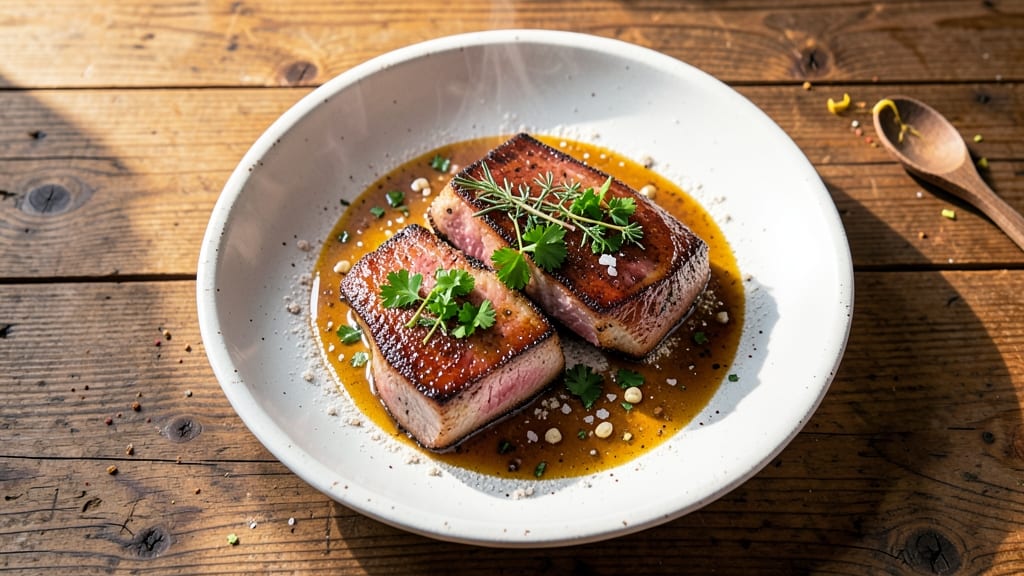
Carrabba's pork medallions deliver that perfect balance of crispy herb crust and juicy pink centers—the kind of restaurant-quality dish you'll crave long after the last bite. I've spent years perfecting this technique, starting with tender pork loin cut into thick medallions that sear beautifully while staying impossibly tender inside.
The secret lies in the herb crust: a blend of parsley, thyme, and garlic that clings to the meat without overpowering its natural richness.
What makes this recipe authentic to Carrabba's style is the 10-minute marinade—just enough time for the herbs to infuse without turning the meat mushy. We'll use a cast-iron skillet for that signature sear, cooking the medallions to 140°F internal temperature for that ideal pink center.
The key is high heat and patience, letting the crust form while the interior stays perfectly cooked through. This isn't just another pork recipe; it's a restaurant-worthy centerpiece that comes together in under 30 minutes.
The result is golden-brown medallions with crisp edges that shatter slightly when cut, revealing tender pink meat underneath. Each bite delivers a perfect harmony of savory pork, aromatic herbs, and that satisfying crust.
Serve with roasted garlic potatoes or a simple arugula salad to let the pork shine as the star of the meal. The flavors are rich enough to stand alone but pair beautifully with a bold Chianti or a crisp Italian white wine.
This recipe captures the essence of what makes Carrabba's pork medallions so beloved—restaurant-quality at home without the fuss. The technique is straightforward, but the results are anything but ordinary.
Whether you're hosting dinner guests or treating yourself to a special meal, these herb-crusted pork medallions will become your new go-to recipe. Let's get cooking!
Ingredients for carrabba's pork medallions
Eleven ingredients deliver Carrabba's signature herb-crusted pork medallions with perfect juicy centers and crispy edges.
| Ingredient | Amount | Notes |
|---|---|---|
| Pork Loin 🥩 | 1 ½ lb | Center-cut, boneless, trimmed of fat |
| Fresh Parsley 🌿 | ½ cup | Finely chopped, flat-leaf preferred |
| Fresh Thyme 🌿 | ¼ cup | Leaves only, stems removed |
| Garlic Cloves 🧄 | 4 cloves | Minced, for marinade and crust |
| All-Purpose Flour 🌾 | ¼ cup | For breading, fine texture preferred |
| Diamond Crystal Kosher Salt 🧂 | 1 ½ tsp | For seasoning and crust |
| Freshly Ground Black Pepper 🌶️ | ½ tsp | Coarsely ground for texture |
| Extra-Virgin Olive Oil 🫒 | 2 tbsp | High-quality, fruity variety |
| Unsalted Butter 🧈 | 2 tbsp | Cold, for crust binding |
| Fresh Lemon Juice 🍋 | 1 tbsp | Brightens the marinade |
| Vegetable Oil 🫒 | ½ cup | High smoke point for searing |
The pork loin must be center-cut for tenderness—look for even grain and minimal fat at your butcher or grocery store's meat counter. Whole Foods or D'Artagnan carry premium cuts, but most supermarkets stock quality pork loin. Trim any visible fat before cutting into medallions; it interferes with the crisp crust. Thyme is non-negotiable here—fresh, not dried, for that authentic Carrabba's aroma. The parsley should be vibrant green, not wilted, and flat-leaf (Italian) parsley has more flavor than curly. For garlic, peel and mince just before using—pre-minced garlic loses potency quickly. The olive oil should be extra-virgin with noticeable peppery notes when tasted straight.
No fresh thyme? Dried works at one-third the amount, but texture suffers. Substitute rosemary if needed, though it has a stronger pine flavor. Running short on parsley? Cilantro or basil can stretch it, but reduce to half the quantity to avoid overpowering. The Diamond Crystal kosher salt is crucial—it dissolves more easily than table salt, creating a better crust. For the butter, use European-style if available—it has higher fat content for better binding. Lemon juice can be swapped for white wine vinegar at the same ratio, though it adds a slightly different tang. The vegetable oil should have a neutral flavor—Avocado Brand or Crisp are reliable choices for high-heat searing.
Pork medallions keep best in the fridge for 2 days before cooking, wrapped tightly in plastic. The herb mixture can be prepped 1 day ahead and stored in an airtight container. For make-ahead convenience, cook the medallions completely and refrigerate—reheat in a 350°F oven for 10 minutes with a splash of water to restore moisture. The crust loses crispness when reheated, so best served fresh. For restaurant-quality results, use a cast-iron skillet that's been preheated for 5 minutes on high heat. The medallions should rest 5 minutes after cooking before serving—this ensures perfect juiciness with every bite.
Why You'll Love This Recipe
- No-Fuss Prep: I’ll be real—this recipe takes less time than deciding what to eat. Just slice the pork, coat it in flour, and sear it in a hot pan. The garlic and herbs get tossed in while it cooks, so you’re basically done before your favorite show’s first commercial break.
- Restaurant-Quality Crisp: That golden crust? Pure satisfaction. The flour coating locks in juices while creating a texture that’s crispy outside, tender inside—exactly how I remember Carrabba’s version. Honestly, my husband asked if I’d hired a chef after the first bite.
- Weeknight or Date Night: Throw these medallions on the table with roasted potatoes and a simple salad, and you’ve got a meal that feels special without the fuss. Or serve them over pasta for a lazy Sunday—either way, they’re the star without stealing the spotlight.
- Budget-Friendly Leftovers: Pork loin stretches far, and these medallions reheat like a dream. I’ll often make a double batch: one night as the main event, the next sliced into a hearty sandwich with garlic aioli. (Yes, even on a Tuesday night.)
Step-by-step instructions for herb-crusted pork medallions
Master this Carrabba's-inspired technique for perfectly seared pork with a fragrant herb crust.
Prepare the Herb Marinade and Pound the Pork
In a small bowl, combine the 0.5 cup fresh parsley, 0.25 cup fresh thyme leaves, 4 minced garlic cloves, 1.5 tsp Diamond Crystal kosher salt, 0.5 tsp freshly ground black pepper, and 1 tbsp fresh lemon juice. Mix thoroughly to create a vibrant marinade with bright, aromatic flavors.
Place the 1.5 lb pork loin between two sheets of plastic wrap. Using a meat mallet, pound the pork to an even ½-inch thickness—this ensures even cooking and prevents the medallions from curling during searing. The pork should now resemble four equal rectangles about 4 ounces each (for 4 servings). Brush both sides generously with the herb marinade, pressing it into the meat to maximize flavor penetration. Let the pork rest at room temperature for 15 minutes before cooking.
Create the Herb-Crust Mixture
In a shallow dish, combine the 0.25 cup all-purpose flour with 1.5 tsp Diamond Crystal kosher salt and 0.5 tsp freshly ground black pepper. This forms the base of your crust, which will create a golden, textured exterior while keeping the interior juicy. In another small bowl, melt the 2 tbsp unsalted butter with the 2 tbsp extra-virgin olive oil—this butter-oil mixture will bind the crust and add richness.
Finely chop any remaining herb stems from the parsley and thyme (discard the toughest stems). Add these finely chopped herbs to the melted butter mixture and stir to create a fragrant, aromatic paste. This step ensures every bite of your crust carries the full herb flavor. Keep both the flour mixture and herb butter mixture at room temperature until ready to use.
Sear the Pork Medallions to Perfect Doneness
Heat a large skillet over medium-high heat until very hot (a drop of water should sizzle and evaporate instantly). Add the 0.5 cup vegetable oil and swirl to coat the pan evenly. Working in batches if needed, carefully place the marinated pork medallions in the skillet—don't overcrowd, or the temperature will drop and the pork won't sear properly.
Sear the pork for 3-4 minutes per side until the crust develops a deep golden brown color and the internal temperature reaches 140°F (use a meat thermometer for accuracy). The medallions should have a crisp exterior while maintaining a juicy pink center—this is the hallmark of perfect doneness. Transfer the seared medallions to a plate and tent loosely with foil to keep warm while you finish the remaining batches.
Add the Herb Butter Crust and Finish
Return the skillet to medium heat (the oil should still be shimmering). Working quickly, dip each medallion into the herb butter mixture, allowing the excess to drip off. Then press the medallion into the flour mixture, coating both sides evenly. This double-coating ensures a robust, flavorful crust that clings perfectly to the tender pork.
Return the coated medallions to the skillet and sear for an additional 1-2 minutes per side until the crust turns a rich golden brown and the butter melts into a glossy sheen. The medallions are now ready to serve immediately. Plate them with the herb butter crust facing up, allowing the aromatic flavors to waft toward your diners. Serve with lemon wedges on the side for a bright contrast to the rich, herb-infused pork.
Pro Tips For Making Carrabba'S Pork Medallions
- Slice Against the Grain: This isn’t just a suggestion—it’s the thing that matters most. Thinly slice the pork loin perpendicular to the muscle fibers, about ¼-inch thick. I used to cut with the grain like a rookie, and the medallions turned out chewy instead of tender. Trust me, the extra 30 seconds of careful slicing pays off.
- Salt the Pork Twice: Season the pork medallions generously with salt before dredging in flour, then again right after searing. The first layer draws out moisture, the second locks it back in when the heat hits. I learned this the hard way—dry, tough pork is no one’s idea of a good time.
- Use a Meat Thermometer: Pull the pork medallions off the heat at 140°F, not when you think they’re done. The carryover cooking will push them to 145°F, the safe minimum for pork loin. Overcooking by eyeballing is how you end up with rubbery meat—no one wants that, especially when you’re this close to perfection.
- Toast the Herbs: Sauté the garlic, thyme, and parsley in butter for 30 seconds after the pork comes off the pan. It deepens their flavor and adds a fragrant finish that takes the dish from "good" to "restaurant-quality." Sounds weird, but it works—your future self will notice the difference.
Creative variations of carrabba's pork medallions
Italian-Inspired Risotto
Swap the herb crust for a creamy saffron risotto base—cook Arborio rice in chicken stock with white wine, then top with the seared pork medallions. Stir in ½ cup grated Parmigiano-Reggiano and 1 tbsp butter at the end.
The risotto's creaminess complements the pork's crisp edges beautifully. I love adding ¼ cup diced shallots and a pinch of saffron for that authentic Italian touch. 🍚
Asian Fusion Style
Transform the medallions into a sesame-ginger glaze by tossing them in a sauce made with 2 tbsp soy sauce, 1 tbsp honey, 1 tbsp rice vinegar, 1 tsp grated ginger, and 1 tsp sesame oil.
Broil for 2-3 minutes to caramelize the glaze. Serve over steamed jasmine rice with quick-pickled cucumbers for a refreshing contrast. This fusion keeps the herb essence while adding bold Asian flavors.
Breakfast Twist
Turn these medallions into a showstopping breakfast by serving them with crispy hash browns and a sunny-side-up egg. The herb crust adds a savory depth that pairs perfectly with breakfast flavors.
I like to add a drizzle of hollandaise sauce and a sprinkle of chives for extra freshness. This version is especially popular with brunch crowds—it’s unexpected but absolutely delicious. 🍳
Slow-Cooked Version
For a tender, fall-apart texture, slow-cook the medallions in a 300°F oven for 20-25 minutes after searing, basting with the herb butter every 5 minutes. This method works wonders for larger cuts or if you prefer a more forgiving cooking approach.
The crust will be less crisp but still flavorful, and the meat will be incredibly juicy. Perfect for meal prep—cook ahead and reheat gently in the oven. 🍖
Spicy Cajun Style
Add a Cajun kick by mixing 1 tsp smoked paprika, ½ tsp cayenne pepper, and ½ tsp garlic powder into the herb crust. Cook the medallions as directed, then finish with a squeeze of lemon and a sprinkle of crushed red pepper flakes.
Serve with cornbread and a cooling avocado mousse to balance the heat. This version is a crowd-pleaser at BBQ joints and brings a whole new dimension to the classic recipe. 🌶️
Nutrition facts
Frequently asked questions
Can I substitute pork loin with another cut?
For best results, stick with center-cut pork loin—it's the most tender and holds its shape well during searing. If you must substitute, try pork tenderloin (trimmed of silver skin), which has similar tenderness. Avoid fatty cuts like pork chops or ribs—they won't develop the same crisp crust or juicy pink center.
Why is my pork medallion overcooked?
Overcooking happens when the internal temperature exceeds 140°F—use a meat thermometer for accuracy! Start checking after 3 minutes of searing. If your medallions are too firm, they've likely been cooked past the ideal pink center. For extra insurance, remove them from heat when they reach 135°F—they'll carry over to 140°F while resting.
How do I make the herb crust stick better?
Pat the pork medallions completely dry before coating—the moisture prevents the crust from adhering. Chill the coated medallions in the fridge for 10 minutes before searing to help the flour mixture set. Also, use a mix of 1/3 flour and 2/3 panko for extra cling and crunch. The secret is patience: don't rush the coating process!
What's the best way to reheat leftovers?
Reheat in a 350°F oven for 8-10 minutes with a splash of water or broth to restore moisture. Avoid microwaving—it makes the crust soggy. For extra crispiness, broil for 1-2 minutes at the end. Leftovers keep for 3 days in the fridge or 3 months frozen (wrap tightly in plastic).
Can I prepare this ahead of time?
Yes! Prep the herb marinade and crust mixture 1 day ahead and store in airtight containers. For full prep, pound and marinate the pork, then refrigerate uncovered on a plate for 24 hours to dry-brine. Cook just before serving—this ensures the crispest crust. The medallions themselves should be cooked fresh for best texture.