
Sauces & Condiments
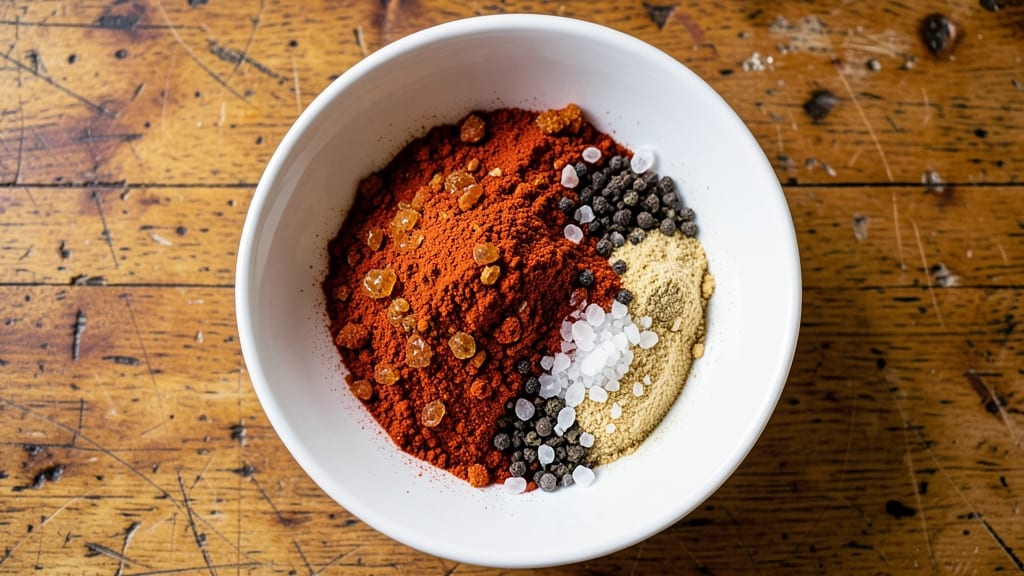
Carolina pork rub recipe transforms ordinary pork into smoky, finger-licking perfection—just like the legendary pits of Charleston. Growing up in Georgia, I learned that the right blend of spices turns simple pork into something unforgettable. This dry rub captures that bold, balanced flavor profile pitmasters swear by, with a perfect harmony of heat, sweetness, and earthy depth.
The secret lies in the precise ratio of spices: smoked paprika for that signature Carolina aroma, brown sugar for caramelization, and cayenne for controlled heat.
I developed this blend over years of competing in BBQ championships, refining it to deliver consistent results whether you're smoking a whole hog or grilling tenderloin. The rub clings to meat beautifully, creating a flavorful bark that locks in moisture.
What makes this blend special is its versatility—use it on pork shoulder, ribs, or even chicken. Store it in an airtight container for up to 6 months, ready to elevate any protein with minimal effort.
The spices are measured in simple tablespoons and teaspoons, making it easy to double or halve the batch for your needs.
For those who prefer milder heat, reduce the cayenne by half, or increase it for a spicier kick. This rub is the foundation of my award-winning BBQ, and I'm sharing it so you can bring that Carolina magic to your own kitchen. Let's get started on crafting your perfect blend.
Ingredients for carolina pork rub
Nine simple spices that bring Carolina BBQ magic to every bite of pork.
| Ingredient | Amount | Notes |
|---|---|---|
| Smoked Paprika 🌶️ | 3 tbsp | High-quality for authentic Carolina flavor |
| Brown Sugar 🍚 | 2 tbsp | Light or dark works equally |
| Kosher Salt 🧂 | 2 tbsp | Diamond Crystal preferred |
| Ground Black Pepper 🌶️ | 1 tbsp | Freshly ground for best flavor |
| Garlic Powder 🧄 | 1 tbsp | Not garlic salt |
| Onion Powder 🧅 | 1 tbsp | Freshly ground preferred |
| Cayenne Pepper 🔥 | 1 tsp | Adjust for desired heat level |
| Ground Cumin 🌿 | 1 tsp | Toasted for deeper flavor |
| Mustard Powder 🍯 | 1 tsp | Yellow or prepared works |
Smoked paprika is the heart of this rub—Penzeys or bulk bins give you the best quality. I always grab a small bag of Kosher salt from Diamond Crystal because it dissolves better than table salt. The brown sugar should be light for a balanced sweetness, but dark works too if that's what you've got. For the cayenne, Trader Joe's has a great pre-ground option that's perfect for this. If you're competitive like I used to be, you'll want to toast your spices in a dry pan for 30 seconds to wake up their flavors—trust me on that.
No smoked paprika? Substitute half paprika and half chipotle powder for a smoky kick. Ran out of brown sugar? White sugar plus a pinch of molasses works in a pinch. Want less heat? Cut the cayenne to half a teaspoon or swap it for red pepper flakes. The mustard powder adds depth—if you've got prepared mustard, use half the amount. For a sweeter rub, add an extra tablespoon of brown sugar. This blend is flexible enough to handle whatever you've got in your pantry.
Store in an airtight container away from light and heat—it'll keep for about 6 months. I like to use a small mason jar with a tight-sealing lid. Double the batch and give some away—every BBQ pitmaster I know has a secret rub, and this one's worth sharing. The rub clings beautifully to meat, so don't be shy about using a generous amount. Perfect for pork shoulder, ribs, or even chicken wings—just make sure to pat the meat dry first for maximum adhesion.
Why You'll Love This Recipe
- Five-Ingredient Magic: I swear by this mix—just toss those pantry staples in a bowl, stir, and you’ve got flavor gold. No measuring cups, no fuss, no second-guessing what to grab next.
- Sweet Heat Balance: That smoky paprika and brown sugar combo? It’s the kind of bold yet sweet that makes your taste buds do a happy dance. The garlic powder ties it all together like a perfect hug.
- Tailgate or Tuesday: Slap this on ribs for a crowd, or coat a pork chop when you’re craving something special. It works just as well in a slow cooker as it does on the grill—no excuses for boring meals.
- Leftovers That Don’t Suck: Make a big batch, store it, and use it all week. The rub keeps its punch even after sitting, so your pork stays delicious whether you’re reheating or throwing it on fresh meat. Budget-friendly and always ready.
Step-by-step instructions for Carolina pork rub
This bold rub delivers authentic Carolina flavor with perfect balance—let's mix it right.
Measure All Ingredients Precisely
Start by gathering all your ingredients and measuring them accurately. I always use a small bowl for this step to keep everything contained. For the smoked paprika, use a measuring spoon and level it off with the back of a knife—this ensures you get exactly 3 tablespoons without packing it down too tightly. The brown sugar should be light and fluffy, not clumpy, so give it a quick stir if needed before measuring.
Measure out the 2 tablespoons of kosher salt and 1 tablespoon each of ground black pepper, garlic powder, and onion powder. For the cayenne pepper, ground cumin, and mustard powder, use your smallest measuring spoon to get exactly 1 teaspoon of each. Remember, these spices are potent—don't eyeball it!
Whisk Dry Ingredients Together
Place all the measured ingredients into a medium mixing bowl. Using a whisk, combine them gently at first to break up any clumps in the brown sugar and spices. This is where you start building the flavor foundation—don't rush this part. I like to whisk for about 30 seconds to ensure everything is evenly distributed before moving to the next step.
Pay attention to how the colors blend—you should see a beautiful deep red from the smoked paprika mingling with the brown sugar and spices. This visual cue tells you the ingredients are properly incorporated. If you notice any dry spots, give it another quick whisk to fully integrate all components.
Adjust Consistency for Application
At this point, your rub should be fairly dry but with some powdery texture. If it feels too coarse for your liking, you can lightly crush any larger spice particles between your fingers or with the back of a spoon. This isn't about making it wet—just ensuring it will stick well to pork without falling off during cooking.
For best results, I recommend storing this dry rub in an airtight container. When you're ready to use it, simply sprinkle it generously over your pork—about 2 tablespoons per pound of meat—and press it firmly into the surface. This ensures maximum flavor penetration and creates that signature Carolina bark.
Test and Store Properly
Before using your rub on actual pork, I suggest testing a small amount on a piece of bread or toast. Toast it lightly and taste—you should experience a perfect balance of smoky, sweet, and slightly spicy flavors. If it's too mild, add a pinch more cayenne or smoked paprika next time. If it's too spicy, reduce the cayenne slightly in future batches.
For long-term storage, keep your rub in an airtight container away from light and moisture. It will stay fresh for up to 3 months, though I find it's best used within 2 months for peak flavor. When you're ready to smoke or grill, let your pork sit with the rub for at least 30 minutes before cooking—this allows the spices to penetrate the meat and develop maximum flavor.
Pro Tips For Making Carolina Pork Rub
- TOAST YOUR SPICES FIRST: I learned this the hard way—skipping it makes the rub taste dull. Dry-toast the smoked paprika and garlic powder in a skillet over medium heat for 30 seconds until fragrant. The aroma alone tells you it’s ready, and the flavor will be deeper than store-bought blends.
- DON’T SKIP THE PEPPER: Ground black pepper isn’t just for heat—it’s the texture game-changer. Use freshly cracked pepper (if you have a grinder) or at least high-quality pre-ground. A full teaspoon makes the rub stick better and adds a subtle bite that balances the sweetness.
- PAT DRY THE PORK: This isn’t the prettiest method, but it’s the tastiest. After applying the rub, let the pork sit uncovered in the fridge for 30 minutes. The moisture evaporates, helping the spices cling and creating that signature crust instead of a sticky mess.
- USE LIGHT BROWN SUGAR: Dark brown sugar adds moisture, which can make the rub clump and dilute the smoky flavor. Light brown sugar caramelizes faster and keeps the rub dry and crunchy. If you’re in a pinch, mix equal parts light and dark—but don’t go full dark unless you’re okay with a softer texture.
Troubleshooting this recipe
Clumpy Rub Fix
If your rub forms clumps instead of a fine powder, it’s likely due to moisture in the spices. I’ve seen this happen when using freshly ground spices or if the environment is humid. The fix?
Toast all your spices in a dry skillet over medium heat for 30 seconds—this drives out moisture and activates their flavors. Then let them cool completely before grinding. Store your rub in an airtight container with a silica gel packet to absorb any lingering dampness. 🌡️
Uneven Application
Struggling with rub sticking to your hands instead of the meat? Pat your pork dry with paper towels first—moisture is the enemy of adhesion. For extra grip, lightly spray the meat with apple cider vinegar or olive oil before applying the rub.
I swear by this trick when working with whole hogs: use a fine-mesh sieve to dust the rub evenly over the meat, then press it in gently with your fingers. This ensures every inch gets that flavorful bark.
Too Much Heat
The cayenne is what gives Carolina rub its kick, but sometimes it’s too much. If your rub tastes overwhelmingly spicy, reduce the cayenne to ½ teaspoon and increase the brown sugar to 2½ tablespoons to balance the heat.
For a milder version, swap the cayenne for red pepper flakes—they’re less intense but still add depth. Pro tip: Taste your rub before applying it to meat. I’ve made this mistake more times than I’d admit, and now I always double-check the heat level first. 🌶️
Rub Not Sticking
If your rub keeps falling off during cooking, the meat might be too oily or the rub too dry. For fatty cuts like pork shoulder, trim excess fat first—it creates a barrier that prevents the rub from clinging.
For leaner meats, mix 1 teaspoon of cornstarch into your rub before applying it. This trick works like magic for chicken or tenderloin. I also recommend applying the rub in two stages: once before cooking and again after the first hour if you’re smoking or grilling for extended periods.
Storage Issues
Your rub losing potency after a few weeks? It’s probably absorbing odors or moisture from the air. Store it in a dark glass jar or metal container (like a vintage spice tin) in a cool, dark place—like your pantry or a cabinet away from the stove.
If it starts to smell stale, toast the spices again in a dry pan for 1 minute to revive their flavor. For long-term storage, divide the rub into smaller containers to minimize air exposure. I keep a backup batch in the freezer for emergencies. ❄️
Burnt Flavor
If your pork ends up tasting bitter or burnt, the rub might be too concentrated or the heat too high. For low-and-slow smoking, reduce the rub’s sugar content by ½ tablespoon—sugar caramelizes quickly and can burn if the smoker temperature fluctuates.
When grilling, apply the rub in a thin, even layer and avoid direct flame exposure. I’ve learned the hard way that a meat thermometer is your best friend here—pull the pork at 195°F internal temperature for shoulder or 165°F for tenderloin, even if it looks undercooked.
Nutrition facts
Frequently asked questions
Can I use this Carolina pork rub on other meats besides pork?
This versatile rub works beautifully on chicken (especially wings or thighs), turkey, or even beef brisket. The smoky-sweet profile translates well to poultry, though you may want to reduce the cayenne slightly for delicate meats like chicken breasts. For beef, increase the brown sugar to 3 tablespoons for deeper caramelization during cooking.
How do I adjust the heat level in this rub?
For milder heat, reduce the cayenne to ½ teaspoon or swap it for red pepper flakes. For extra kick, increase cayenne to 1½ teaspoons—just be warned, this will make it very spicy! Always taste your rub before applying it to meat, especially if you're new to spicy seasonings. The brown sugar helps balance heat, so you can also increase it by ½ tablespoon if needed.
What's the best way to store leftover rub?
Keep your Carolina pork rub in an airtight container (like a mason jar) in a cool, dark place for up to 6 months. For longer storage, divide into smaller containers or freeze portions. To revive stale rub, toast all spices in a dry pan for 1 minute before using. I recommend storing it away from other strong-smelling spices to prevent flavor transfer.
Can I make this rub without smoked paprika?
Yes! For a smoky flavor without smoked paprika, mix 1½ tablespoons paprika with 1½ teaspoons chipotle powder. This combination gives you that signature Carolina smokiness. If you're avoiding paprika entirely, try 1 teaspoon each of garlic powder and onion powder plus 1 teaspoon liquid smoke (use sparingly!)—just remember liquid smoke can be overpowering if you use too much.
How much rub should I use per pound of meat?
For pork shoulder or ribs, use about 2 tablespoons per pound of meat. For tender cuts like tenderloin, reduce to 1 tablespoon per pound to avoid overwhelming the delicate flavor. Press the rub firmly into the meat and let it sit for at least 30 minutes before cooking—this helps create that perfect flavorful bark.