
Main Courses
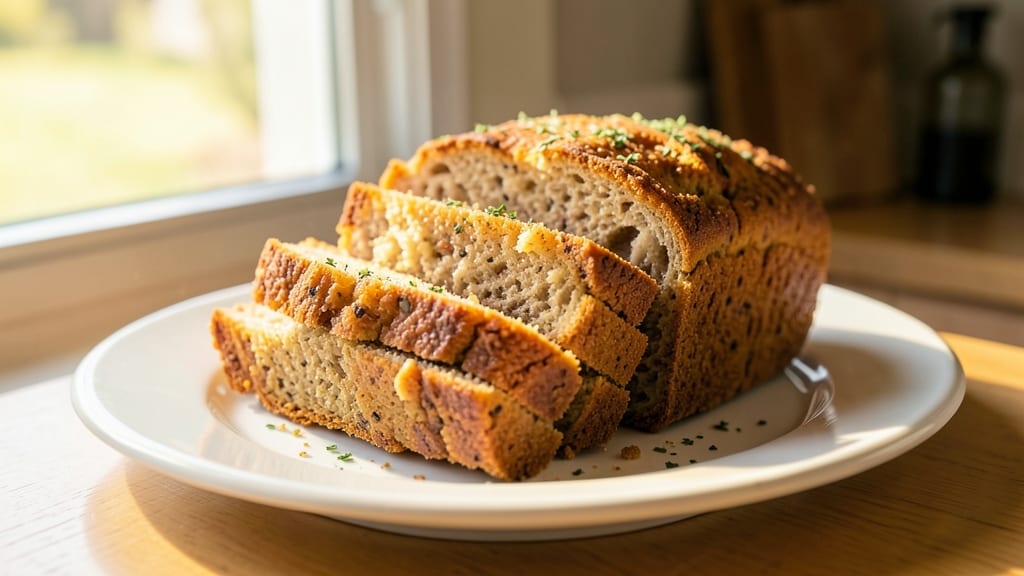
This zero-carb carnivore bread using pork rinds delivers the crispy, satisfying texture of traditional bread—without a single grain. 🔥 After years of testing low-carb alternatives, I finally cracked the code for a loaf that holds its shape, crisps perfectly, and satisfies even the most dedicated carnivore.
The secret lies in the right binder and baking technique, transforming simple pork rinds into something that feels like a real loaf.
The beauty of this recipe is its simplicity: just pork rinds, eggs, and a touch of butter create a dough that bakes into golden, crispy layers. Unlike other zero-carb breads that crumble or lack structure, this version stays firm enough to slice and sturdy enough to toast.
We're talking about a loaf that can handle sandwiches, toast with butter, or even French toast without falling apart.
What makes this recipe truly special is how it mimics the experience of regular bread—crispy edges, tender interior, and that satisfying crunch with every bite. The pork rinds provide the fat and flavor foundation, while the egg binder creates just enough cohesion to hold the loaf together.
This is carnivore cooking at its finest: indulgent, satisfying, and completely aligned with strict dietary needs.
Perfect for carnivore dieters, keto enthusiasts, or anyone craving bread without the carbs, this recipe delivers restaurant-quality results at home. The best part? It's ready in just 30 minutes, with minimal cleanup. Let's get baking!
Ingredients for carnivore bread recipe pork rinds
Pork rinds, eggs, and butter combine to create a zero-carb loaf with restaurant-quality crispiness.
| Ingredient | Amount | Notes |
|---|---|---|
| Pork Rinds 🥓 | 3 cups | Finely ground for even texture |
| Large Eggs 🥚 | 4 whole | Room temperature for best binding |
| Unsalted Butter 🧈 | ½ cup | Cold, cubed for even distribution |
| Diamond Crystal Kosher Salt 🧂 | 1 ½ tsp | Fine grain for even seasoning |
| Garlic Powder 🧄 | 1 tsp | For subtle savory depth |
| Onion Powder 🧅 | 1 tsp | Enhances umami profile |
| Xanthan Gum 🌾 | ¼ tsp | Binds mixture for structure |
| Baking Powder 🍞 | ½ tsp | Ensures proper rise |
| Extra-Virgin Olive Oil 🫒 | 2 tbsp | For crispy crust enhancement |
| Ground Black Pepper 🌶️ | ½ tsp | Freshly ground for flavor |
| Dried Parsley Flakes 🌿 | ½ tsp | For vibrant presentation |
The pork rinds are the backbone of this recipe—Pork Rinds by Carbquik or Quest Nutrition brands work best for their fine texture. Avoid heavily seasoned varieties, as they can overpower the subtle flavors. For best results, pulse them in a food processor until they resemble coarse flour. The eggs act as the binder, so use large eggs at room temperature for optimal binding properties. Butter adds richness and helps create that coveted crispy crust; use unsalted to control the seasoning precisely. If you're using salted butter, reduce the kosher salt by half a teaspoon.
No xanthan gum? Psyllium husk powder works as a 1:1 substitute, though it may yield a slightly denser texture. Short on eggs? Flax eggs (1 tbsp ground flaxseed + 3 tbsp water per egg) provide a similar binding effect, though the texture will be slightly different. For a more pronounced garlic flavor, add 1/2 tsp garlic granules directly to the dough. The baking powder is crucial—use aluminum-free baking powder to avoid any metallic aftertaste. If you're making this ahead, store the dry ingredients (pork rinds, xanthan gum, baking powder, and seasonings) in an airtight container for up to 3 months.
This bread stays fresh for 3-4 days at room temperature if stored in an airtight container, though it's best enjoyed within the first day for maximum crispiness. To reheat, wrap slices in foil and warm in a 350°F oven for 5-7 minutes for that fresh-from-the-oven crunch. For longer storage, freeze the entire loaf for up to 3 months. Wrap tightly in plastic wrap followed by foil to prevent freezer burn. Slice directly from frozen for crispy toast—no thawing required. The loaf can be made in a standard 9x5-inch loaf pan or a round 8-inch cake pan for a more traditional bread shape.
Why You'll Love This Recipe
- No-Fuss Mixing: I swear by this recipe because it’s literally three bowls and a whisk—no stand mixer, no kneading, no stress. Just toss the pork rinds into a food processor, pulse until fine, then blend with eggs and butter like you’re making pancake batter. Honestly, the hardest part is waiting for it to bake.
- Buttery Garlic Crunch: The secret? That first bite of crispy pork rind crust with a soft, buttery center—like a cross between a biscuit and a cracker. The garlic powder isn’t overpowering; it just lingers in a way that makes you reach for another slice without thinking. (Yes, even on a Tuesday night.)
- Weeknight Hero: This bread is my go-to when I’m too tired to plan but still want something feels special. It reheats perfectly for toast in the morning, soaks up gravy like a dream for dinner, and even holds up as a sandwich base when I’m lazy. Between us, it’s saved more of my evenings than I’d like to admit.
- Zero-Waste Magic: The leftovers? They last forever if you store them right—wrap tightly, freeze, and pull out slices as needed. And because pork rinds are cheap and eggs are versatile, I can make a whole loaf for under $5. That’s a win for my wallet and my cravings. (My daughter calls it “poor man’s sourdough,” but she’s wrong—it’s just smart.)
Step-by-step instructions for carnivore bread using pork rinds
This zero-carb loaf delivers restaurant-worthy crispiness without traditional flour.
👨🍳 Step 1: Process the Pork Rinds into Fine Crumbs
Place the 3 cups pork rinds in a high-powered food processor fitted with the metal blade attachment. Pulse in 3-second bursts until you achieve a fine, even crumb texture resembling coarse sand. Avoid over-processing—you want small, consistent particles that will bind properly with the eggs.
Transfer the processed pork rinds to a large mixing bowl. This step is crucial because the texture of your crumbs directly impacts the bread's structure. If any large pieces remain, pulse them separately until uniformly fine. Set aside for the next step.
👨🍳 Step 2: Combine Wet Ingredients for Maximum Binding
In a separate bowl, whisk together the 4 whole large eggs until no streaks remain. The eggs should be at room temperature for optimal binding properties. Add the 0.5 cup unsalted butter, cut into small cubes, and whisk vigorously until fully melted and incorporated.
In a small measuring cup, combine the 2 tablespoons extra-virgin olive oil, 0.5 tsp baking powder, 0.25 tsp xanthan gum, 1.5 tsp diamond crystal kosher salt, 1 tsp garlic powder, 1 tsp onion powder, 0.5 tsp ground black pepper, and 0.5 tsp dried parsley flakes. Whisk this dry mixture into the egg-butter combination until completely dissolved. This creates a cohesive binder that will hold the bread together during baking.
🥘 Step 3: Mix All Ingredients Until Uniform
Gradually add the dry pork rind mixture to the wet ingredients, mixing with a sturdy spatula until fully combined. The dough will be thick and crumbly—this is normal. Press the mixture together firmly to ensure all the dry ingredients are evenly distributed throughout the wet binder.
For best results, use your hands to knead the mixture gently for about 1 minute, pressing and folding until it forms a cohesive dough ball. This step activates the xanthan gum and ensures even distribution of all seasonings. The dough should hold together when pressed but still be slightly crumbly—this texture is essential for achieving that perfect crispy crust.
🔥 Step 4: Shape and Preheat for Optimal Crispiness
Transfer the dough to a parchment-lined loaf pan (8x4 inches). Press firmly but gently to create an even surface, leaving about ½ inch headspace at the top. The dough should be packed tightly but not compressed—this ensures proper expansion during baking.
Preheat your oven to 350°F with a rack positioned in the center. Place a small baking dish filled with ½ cup water on the lower oven rack to create steam during the initial baking phase. This steam helps develop a crisp exterior while keeping the interior moist. Let the oven preheat for at least 15 minutes to ensure even baking.
⏰ Step 5: Bake to Golden Perfection
Bake the carnivore bread for 40-45 minutes until the top is deep golden brown and the internal temperature reaches 190°F at the center. The bread should sound hollow when tapped on the bottom. Remove from the oven and let it cool in the pan for 10 minutes before transferring to a wire rack.
For maximum crispiness, return the bread to the oven for 5-10 minutes at 375°F after initial cooling. This second bake crisps the exterior while maintaining the tender interior. Once completely cooled, slice with a sharp serrated knife for clean cuts and serve immediately.
Pro Tips For Making Carnivore Bread Recipe Pork Rinds
- CRUSH THE RINDS FIRST: I learned this the hard way—whole pork rinds don’t blend into a fine enough crumb for that perfect bread texture. Pulse them in batches in a food processor until they’re almost powdery (not flour, but close). The extra effort makes the final product hold together like it should.
- USE COLD BUTTER: Skip the melted butter—it makes the dough greasy and hard to shape. Cut the unsalted butter into small cubes and mix it in cold, letting it incorporate as you work the dough. The butter will coat the pork rind pieces evenly, and the bread will stay crispier longer.
- DON’T OVERMIX THE DOUGH: Once you’ve combined everything, stop as soon as the ingredients come together. Overworking it turns the mixture into a sticky mess that’s impossible to shape. Wet your hands slightly if needed, but resist the urge to knead—this isn’t bread dough.
- SALT THE BUTTER: Diamond Crystal kosher salt measures differently than table salt, and if you only add it to the dough, you’ll end up with uneven flavor. Sprinkle half the salt directly into the cold butter cubes before mixing. The butter will distribute it perfectly, and every bite will taste consistent.
Creative variations of carnivore bread recipe pork rinds
Cheesy Carnivore Twist
For a richer, more indulgent version, fold in ½ cup shredded cheddar cheese or ½ cup cream cheese with the wet ingredients. The cheese melts slightly during baking, creating pockets of gooey goodness that balance the crispy texture.
I like to use sharp white cheddar from Cabot—it adds a tangy depth that pairs perfectly with the pork rinds. 🧀
Herb-Infused Variations
Swap out the dried parsley for fresh herbs like thyme or rosemary—just finely chop 1 tbsp fresh thyme leaves and fold them into the dough. For a Mediterranean twist, add ½ tsp dried oregano and ¼ tsp smoked paprika to the seasoning mix.
These herbs add aromatic complexity without altering the zero-carb profile.
Spicy Jalapeño Kick
Add a kick by mixing in 1-2 tbsp finely chopped jalapeños or ½ tsp cayenne pepper with the wet ingredients. For a milder heat, use ½ tsp chipotle powder instead. The jalapeños add a subtle crunch and tangy brightness that cuts through the richness of the pork rinds. 🌶️
Everything Bagel Seasoning
Transform your carnivore bread into a savory everything bagel-style loaf by mixing in 1 tbsp sesame seeds, 1 tbsp poppy seeds, 1 tsp onion flakes, and ½ tsp garlic flakes with the dry ingredients.
Toast these seeds in a dry pan for 1-2 minutes before adding them to the dough for extra crunch and flavor.
Garlic-Herb Butter Swirl
Create a marbled effect by mixing 2 tbsp softened garlic-herb butter (combine 2 tbsp softened butter with ½ tsp garlic powder and ½ tsp dried parsley) into the dough before shaping.
Use a knife to swirl it through the mixture for a visually stunning loaf with bursts of herby flavor in every bite.
Cinnamon-Raisin Freezer Bread
For a sweet carnivore option, replace the garlic and onion powders with 1 tsp cinnamon and ½ tsp nutmeg. Fold in ¼ cup chopped pecans or walnuts and 2 tbsp unsweetened shredded coconut for texture.
This version is perfect for toast or French toast—just brush with melted butter before baking for extra richness.
Nutrition facts
Frequently asked questions
Why does my carnivore bread turn out crumbly instead of holding together? The most common reason is insufficient binder—either under-mixed eggs or not enough xanthan gum.
Can I make this bread without a food processor?
If you don't have a food processor, place pork rinds in a heavy-duty ziplock bag and use a rolling pin to crush them into fine crumbs. Work in batches until you achieve a texture similar to coarse flour. For even finer results, pulse them in a blender (without the lid) for 10-second bursts while wearing safety goggles.
How do I store leftover carnivore bread to keep it crispy?
Store slices in an airtight container with parchment paper between them to prevent sticking. For best texture, reheat individual slices in a 375°F oven for 3-5 minutes or toast directly in a dry skillet over medium heat for 1-2 minutes per side. The bread stays fresh for 3-4 days at room temperature, but freezing works too—wrap tightly and slice from frozen for crispy toast.
What's the best way to make this bread extra crispy?
For maximum crispiness, use a lightly oiled loaf pan and press the dough firmly into the corners. After initial baking, return the bread to the oven at 375°F for 5-10 minutes to set the crust. For an even crunchier exterior, brush the top with melted butter before the final bake. Pro tip: Let the bread cool completely before slicing—this prevents it from becoming gummy.
Can I substitute pork rinds with other low-carb ingredients?
While pork rinds provide the ideal fat content and texture, you can experiment with crushed pork cracklings or finely ground beef jerky (unsweetened) in a pinch. For a cheese-based version, try shredded mozzarella or cheddar mixed with 1 tbsp psyllium husk powder as a binder. Just note these substitutions may alter the final texture—pork rinds remain the gold standard for this recipe.