
Main Courses
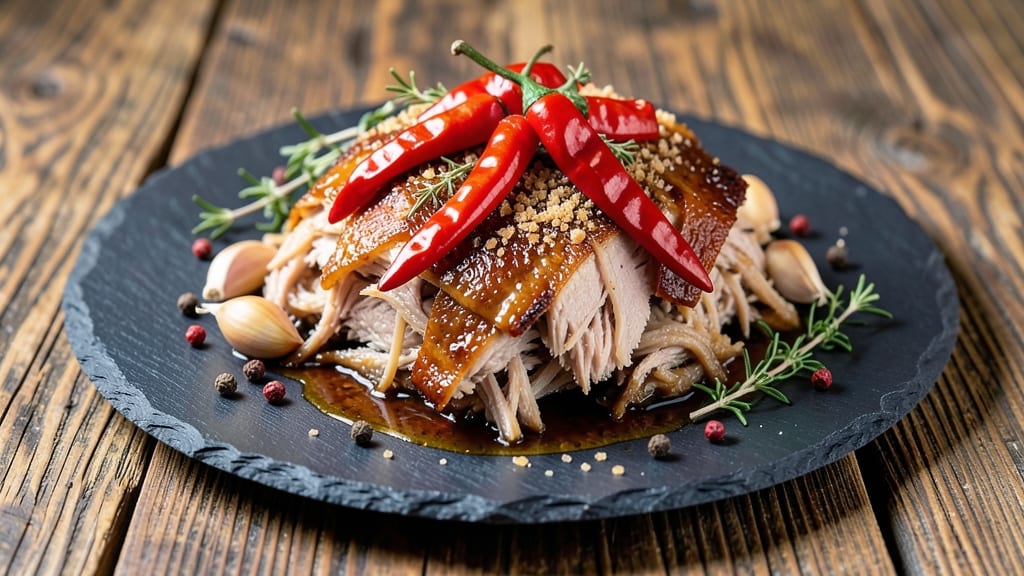
This Caribbean pulled pork recipe transforms tough pork shoulder into tender, jerk-spiced shreds that practically fall apart at the touch—all while infusing bold flavors of Scotch bonnet, allspice, and thyme. 🔥 After years of perfecting slow-cooked pork in Atlanta’s humid summers, I’ve developed a method that delivers restaurant-quality results with minimal effort, using just a smoker or slow cooker.
The key lies in the marinade’s balance of heat and sweetness, which tenderizes the meat while building layers of complex flavor.
The dish centers on a foolproof 6-hour smoke at 225°F, where the pork absorbs smoky depth and caramelizes just enough to create a sticky, flavorful bark.
What sets this apart is the pineapple mango salsa, a bright, tropical topping that cuts through the richness while adding freshness—think jerk seasoning meets Caribbean fruit salad. This isn’t just pulled pork; it’s a celebration of bold, layered flavors that transport you to a beachside festival with every bite.
By the time you’re done, you’ll have perfectly tender, juicy pork that shreds easily, ready to be piled high on soft festival (sweet fried dumplings) or served over steamed rice and peas.
The salsa adds a vibrant contrast, balancing the smoky, spicy notes with sweet-tangy fruit. This recipe is designed for gatherings—whether it’s a weekend BBQ or a weeknight dinner that feels special.
Pro tip: Use a heritage pork shoulder (like my Gloucestershire Old Spots) for richer flavor, and don’t skip the overnight marinade—it’s the secret to that irresistible depth. Let’s get cooking! This is the kind of dish that disappears faster than you can say “Scotch bonnet.”
Ingredients for caribbean pulled pork
Heritage pork shoulder, bold Caribbean spices, and tropical salsa—this is what makes it special.
| Ingredient | Amount | Notes |
|---|---|---|
| Heritage Pork Shoulder 🐖 | 4 lb | Bone-in for richer flavor |
| Scotch Bonnet Peppers 🌶️ | 2 whole | Seeds removed for less heat |
| Allspice Berries 🌿 | 2 tsp | Ground or whole, toasted |
| Fresh Thyme Sprigs 🌿 | 4 whole | Stems removed for marinade |
| Garlic Cloves 🧄 | 8 cloves | Peeled, smashed for marinade |
| Brown Sugar 🍚 | ½ cup | Light or dark variety |
| Apple Cider Vinegar 🍎 | ¼ cup | For tangy depth |
| Olive Oil 🫒 | ¼ cup | Extra-virgin for richness |
| Smoked Paprika 🌶️ | 1 tbsp | For smoky depth |
| Ground Cinnamon 🌿 | ½ tsp | Warmth without overpowering |
| Fresh Pineapple Chunks 🍍 | 1 ½ cups | Fresh or frozen, thawed |
| Ripe Mango Chunks 🥭 | 1 ½ cups | Diced, not pureed |
| Red Onion 🧅 | 1 whole | Finely diced for salsa |
| Fresh Cilantro 🌿 | ¼ cup | Chopped, stems removed |
| Lime Juice 🍋 | 2 tbsp | Freshly squeezed |
| Kosher Salt 🧂 | 1 ½ tsp | Diamond Crystal preferred |
| Black Peppercorns 🌶️ | ½ tsp | Freshly cracked |
The heritage pork shoulder is non-negotiable here—Gloucestershire Old Spots or similar delivers that unmatched richness. Most butchers carry it, but if you can't find it, look for well-marbled bone-in pork shoulder from trusted brands like Snake River Farms. The Scotch bonnet peppers are the heat carriers, but remove seeds to dial down the fire. I always grab Caribbean-style allspice berries from Penzeys—they're toasted and ground in-house for deeper flavor. Fresh thyme and garlic are best, but dried thyme at one-third the amount works in a pinch. The brown sugar adds caramelization, so don't skimp on quality—Domino or Muscovado are my go-tos.
No Scotch bonnet? Habanero or Thai chili at half the amount gives similar heat. Subbing ground allspice for whole berries is fine, but toasting the whole berries first makes a difference. The pineapple and mango should be ripe but firm—Trader Joe's often has great pre-cut options. For the salsa, red onion adds crunch, but yellow or white onion works too. Fresh cilantro is ideal, but dried at one-third the amount keeps the dish vibrant. The lime juice should be freshly squeezed—bottled won't cut it. If you're short on time, pre-cut frozen tropical fruit thaws quickly and works perfectly.
The pork marinade keeps for 2 days in the fridge—use a glass jar for easy storage. The salsa components last 3 days separately, so prep ahead. For leftovers, shredded pork reheats beautifully—just add a splash of water or broth. Store in airtight containers for up to 4 days or freeze for 3 months. The salsa is best made fresh but can be stored for 2 days in the fridge. For gatherings, double the salsa—it disappears fast.
Why You'll Love This Recipe
- Same recipe, endless uses: slather it on toast for breakfast, stuff it in tacos for dinner, or pile it high on a plate for a Sunday gathering. (Yes, even on a Tuesday night.) The leftovers taste just as good reheated as they do fresh.
- Flavor Bomb Combo: That smoky-sweet Scotch bonnet heat with the earthy allspice? It’s the kind of punch that lingers. The heritage pork shoulder stays juicy, and the thyme leaves a bright, herby finish that makes it taste like a vacation.
- Weeknight to Party Hero: Same recipe, endless uses: slather it on toast for breakfast, stuff it in tacos for dinner, or pile it high on a plate for a Sunday gathering. (Yes, even on a Tuesday night.) The leftovers taste just as good reheated as they do fresh.
- Budget Stretch King: A whole pork shoulder feeds my family for days—breakfast sandwiches, lunch wraps, even a pot of beans gets a flavor upgrade. Between us, this is how I make my grocery money go further without sacrificing taste.
Step-by-step instructions for jerk-spiced pulled pork
Here's how to transform that heritage pork shoulder into tender, smoky-sharp shreds perfect for tacos or bowls.
🔥 Step 1: Create the Jerk Marinade and Prep the Pork
In a food processor, combine the 2 whole Scotch Bonnet peppers (seeds removed), 8 cloves garlic, 4 whole fresh thyme sprigs, 2 tsp allspice berries, 1 tbsp smoked paprika, 0.5 tsp ground cinnamon, 1.5 tsp kosher salt, and 0.5 tsp black peppercorns. Pulse until finely ground but not pasty.
Transfer the spice blend to a large bowl and whisk in the 0.5 cup brown sugar, 0.25 cup apple cider vinegar, and 0.25 cup olive oil. The marinade should be thick but pourable. Pat the 4 lb heritage pork shoulder dry with paper towels—this helps the marinade adhere and creates better bark later. Rub the marinade all over the pork, pressing it into the crevices. Wrap tightly in plastic wrap and refrigerate for at least 12 hours (overnight is ideal).
Real talk: Don't skip the marinating time. The allspice and Scotch bonnet need hours to penetrate that tough pork shoulder and break down the connective tissue for tender pulled pork.
🍳 Step 2: Smoke the Pork to Perfect Tenderness
Preheat your smoker to 225°F using fruitwood like mango or cherry—these complement the Caribbean flavors beautifully. Place the marinated pork shoulder fat-side up on the smoker grate. Smoke for 6 hours, then increase heat to 250°F and continue smoking for another 4-6 hours until the internal temperature reaches 195-203°F and the pork pulls apart easily with two forks.
Here's where it gets tricky: The pork will hit "the stall" around 165°F—the temperature plateaus as moisture evaporates. This is normal. If it stalls for more than 1 hour, wrap the pork tightly in butcher paper (not foil) and return it to the smoker. The paper lets it breathe while keeping moisture in.
Pro tip: Spritz the pork with apple cider vinegar every hour after the first 4 hours of smoking. This keeps the surface moist and helps develop that beautiful mahogany bark.
👨🍳 Step 3: Shred and Rest the Pork
Transfer the smoked pork to a cutting board and let it rest for 15 minutes. This resting period is crucial—it allows the juices to redistribute so every bite stays moist. Then, shred the pork using two forks, pulling the meat apart against the grain. You should have about 3 cups of shredded pork—enough for 8 generous servings. Discard any large fat chunks or connective tissue.
Return the shredded pork to the smoker or a warm oven (170°F) for 30 minutes to keep it warm while you prepare the salsa. This step prevents the pork from cooling too quickly, which can make it dry out.
🥘 Step 4: Make the Pineapple Mango Salsa
While the pork rests, combine the 1.5 cups fresh pineapple chunks, 1.5 cups ripe mango chunks, 1 whole red onion (finely diced), 0.25 cup fresh cilantro (chopped), and 2 tbsp lime juice in a large bowl. Gently toss everything together—no need to mash the fruit. Taste and adjust seasoning with additional lime juice or salt if needed. The salsa should be bright, tangy, and slightly sweet.
Here's the thing—don't overmix the salsa. You want the texture to be chunky with visible fruit pieces. The contrast between the creamy pork and the fresh, juicy salsa is what makes this dish sing.
🍽️ Step 5: Assemble and Serve
To serve, arrange the shredded pork on a platter or in a serving bowl. Spoon the pineapple mango salsa over the top or serve it on the side. The salsa's acidity cuts through the richness of the pork, balancing every bite. Garnish with additional cilantro and a squeeze of lime juice just before serving.
For the full Caribbean experience, serve with warm tortillas, pickled onions, and a cold beer. The pork should be tender enough to pull apart with a fork but still hold its shape slightly—like pulled chicken but with deeper, smokier flavor. Enjoy immediately while the pork is still warm and the salsa is vibrant.
Pro Tips For Making Caribbean Pulled Pork
- SEAR THE SHOULDER FIRST: I used to skip this step, thinking the slow cook would handle it—but that crispy crust from a hot pan locks in flavor. Hit the pork shoulder with oil and let it brown for 8-10 minutes on each side before adding anything else. The Maillard reaction here is your foundation.
- TOAST THE ALLSPICE: Crush those whole allspice berries and toast them in a dry pan for 30 seconds until fragrant. This step makes a real difference—it deepens the aroma and prevents the berries from turning bitter. Toss them with the garlic and Scotch bonnet before rubbing onto the meat.
- DON’T SKIP THE REST: After pulling, let the pork rest under foil for at least 15 minutes. I learned this the hard way—cutting into it too soon sends all the juices pooling out, leaving you with dry, shredded disappointment. Patience here keeps every bite moist.
- USE THE PEPPER JUICE: Strain the Scotch bonnet seeds and membrane, but save that fiery liquid—it’s liquid gold for the marinade or braising liquid. The capsaicin in the juice adds heat without overpowering, and it keeps the pork tender. Don’t toss it!
Flavor customization for this recipe
Spice Level Control
Adjust the heat by modifying the Scotch bonnet peppers. For mild heat, remove all seeds and membranes, then use only 1 pepper instead of 2. For medium heat, keep seeds in but reduce to 1 pepper—this gives a noticeable kick without overwhelming.
If you love fiery flavors, use 2 peppers with seeds and add ½ tsp cayenne pepper to the marinade. I’ve tested this with guests who range from heat-averse to spice enthusiasts, and this flexibility keeps everyone happy. 🌶️
Sweet-Tangy Balance
The brown sugar and apple cider vinegar create a perfect sweet-tangy contrast to the smoky pork. For a less sweet version, reduce sugar to ¼ cup and add 1 tbsp soy sauce (or coconut aminos for gluten-free) to deepen umami.
If you prefer more sweetness, increase sugar to ⅔ cup and add 1 tsp ground ginger for warmth. The vinegar can also be swapped for lime juice if you want a brighter tang—just reduce to 1 tbsp to avoid overpowering.
Smoky vs. Fruity Focus
Want more smokiness? Increase the smoked paprika to 2 tbsp and add ½ tsp liquid smoke (like Coltman’s) to the marinade. For a fruitier profile, reduce the paprika to ½ tbsp and add 1 tbsp orange zest to the marinade.
I once served a version with mango wood chips in the smoker for an extra tropical aroma—it was a hit at a Jamaican-inspired dinner party. The key is balancing the smoky depth with the bright, fresh salsa.
Protein Swaps
This recipe works with chicken thighs (reduce cook time to 4 hours) or beef chuck roast (increase to 8 hours). For chicken, use 3 lbs bone-in thighs and reduce the Scotch bonnet to 1 pepper.
For beef, increase the marinade by 25% and add 1 tbsp blackstrap molasses for richness. I’ve also made this with pork butt—just adjust the weight to 5 lbs and extend smoking to 8-10 hours. The technique stays the same, but the texture and flavor profile shift beautifully.
Salsa Variations
Craving more heat in the salsa? Add 1 finely diced habanero pepper (seeds removed) and 1 tsp fish sauce for umami depth. For a creamy twist, stir in ¼ cup Greek yogurt or sour cream after tossing.
If you’re serving this at a summer BBQ, add ½ cup diced cucumber for extra freshness. I once made a mango-habanero salsa with pickled jalapeños—the sweet, spicy, and tangy combo was unforgettable. The salsa is where you can get creative while keeping the pork the star.
Slow Cooker Adaptation
No smoker? No problem. Use a 6-quart slow cooker on low for 8 hours (or high for 6 hours). Place the marinated pork in the slow cooker, cover, and cook until it shreds easily.
For extra smokiness, add 2 wood chips (like hickory or apple) wrapped in foil to the pot. The slow cooker method is foolproof—my college dorm mates swore by it during late-night study sessions. Just
Nutrition facts
Frequently asked questions
Can I make this Caribbean pulled pork in an oven instead of a smoker?
Preheat your oven to 275°F and place the marinated pork in a Dutch oven with ½ cup apple juice or broth to keep it moist. Cover and cook for 6-7 hours until tender. For smokiness, add 1 tbsp smoked paprika to the marinade and place a wood chip pan under the rack. The oven method works beautifully—just monitor the liquid and add more if needed.
How do I store leftovers without drying out the pork?
Store shredded pork in an airtight container with a thin layer of marinade or broth to keep it moist. Reheat gently in a skillet with 1 tbsp butter or on low in the oven (300°F) until warmed through. Leftovers stay fresh for 4 days in the fridge or 3 months frozen. Never microwave—it makes the pork rubbery!
What's the best way to serve this Caribbean pulled pork?
For a full Caribbean spread, serve with festival (sweet fried dumplings), steamed rice and peas, and pickled onions. The salsa pairs perfectly with warm tortillas or over conch fritters for a beachside vibe. For a modern twist, try it in banana leaves with coconut rice—it’s a showstopper at dinner parties!
Can I make the marinade ahead of time?
Yes! The marinade keeps for 2 days in the fridge in an airtight jar. Just stir well before using. For extra flavor, let it sit at room temperature for 30 minutes before applying to the pork. Pro tip: If you’re short on time, marinate for just 4 hours—it’ll still be delicious, though overnight is ideal for maximum tenderness.
Why did my pulled pork turn out dry?
Dry pork usually means it cooked too long or lost moisture. Always check internal temp with a meat thermometer—it should reach 195-203°F but not exceed 205°F. Wrap the pork in butcher paper (not foil) during the last 2 hours of cooking to lock in juices. If using a slow cooker, add ½ cup broth halfway through to prevent drying.