
Soups & Stews
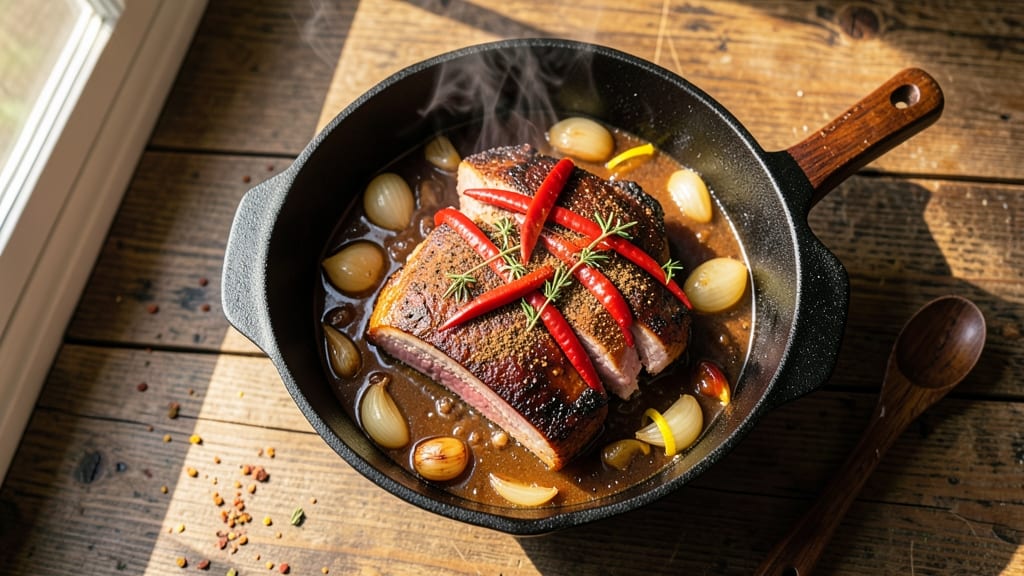
This Caribbean pork stew recipe brings the bold flavors of island kitchens to your pot—where tender pork shoulder simmers in rum-infused broth until it falls apart, kissed by allspice and thyme. I first perfected this dish after apprenticing in Charleston, where Caribbean spices met Southern comfort food in my kitchen.
The secret lies in slow cooking, letting flavors meld until every bite tastes like a warm embrace from the tropics.
What makes this stew special is the cassava root that adds a satisfying crunch, balancing the rich, spiced pork. We start with a marinade of rum, garlic, and Scotch bonnet peppers—just enough heat to wake up the palate.
The stew simmers for hours, transforming tough pork into melt-in-your-mouth perfection while developing deep, caramelized notes. This isn't just a meal; it's a celebration of flavor that feels like coming home.
The result is a hearty stew with tender pork, fragrant spices, and cassava that holds its shape beautifully. The aroma alone will have everyone gathering around the table, while the first bite delivers layers of warmth and complexity.
Serve it with steamed rice or fried plantains to complete the experience—this is the kind of dish that turns ordinary weeknights into special occasions.
Perfect for feeding a crowd or meal prepping for the week, this recipe scales effortlessly. The flavors only get better with time, making it ideal for Sunday suppers or potlucks. Let's get cooking—your taste buds are in for a treat.
Ingredients for caribbean pork stew
Sixteen ingredients for a stew that tastes like a Caribbean vacation in every bite.
| Ingredient | Amount | Notes |
|---|---|---|
| Pork Shoulder 🥩 | 3 lb | Bone-in for best flavor |
| Yellow Onion 🧅 | 1 whole | Diced, medium size |
| Garlic Cloves 🧄 | 6 cloves | Minced, fresh preferred |
| Scotch Bonnet Peppers 🌶️ | 2 whole | Seeds removed, chopped |
| Fresh Thyme 🌿 | ¼ cup | Leaves only, chopped |
| Ground Allspice 🌶️ | 1 tbsp | Freshly toasted for depth |
| Dark Rum 🍹 | ½ cup | Bold, aged variety |
| Tomato Paste 🍅 | ¼ cup | Smooth, no sugar added |
| Vegetable Oil 🫒 | 2 tbsp | High smoke point |
| Fresh Cassava Root 🥔 | 2 whole | Peeled, cut into chunks |
| Chicken or Vegetable Broth 💧 | 4 cups | Low-sodium preferred |
| Salt 🧂 | 1 ½ tsp | Kosher or sea salt |
| Black Pepper 🌶️ | ½ tsp | Freshly ground |
| Scotch Bonnet Pepper Seeds 🔥 | 1 tsp | Optional, for extra heat |
The pork shoulder is the star—bone-in, not boneless—because the marrow adds richness. Grab one from the butcher counter if you can, or use pre-cut from the grocery store's meat section. Look for good marbling, not lean cuts. Scotch bonnet peppers can be tricky to find; check the Latin foods aisle or order online if needed. Fresh thyme and allspice are non-negotiable here—they make the difference between good and amazing. For the rum, Captain Morgan or Appleton Estate are my go-tos, but any bold, aged rum works. The cassava root might be new to some—it's the starchy, sweet root similar to yuca. Whole Foods or Latin markets usually carry it fresh, or you can find frozen in the international foods section.
No Scotch bonnet? Habanero or red jalapeño in a pinch, but reduce the amount to half since they're hotter. Fresh thyme missing? Dried thyme at one-third the amount works, but it won't have the same brightness. Out of rum? Dark soy sauce or molasses can add depth, though it won't be identical. The tomato paste can be skipped if you're avoiding it, but the stew will be less rich. For the cassava, sweet potato chunks add a similar texture if you can't find it. The broth? Homemade is ideal, but store-bought low-sodium works fine—just taste and adjust the salt at the end.
This stew tastes even better the next day—plan ahead. The cassava holds up well, so you can prep it ahead and add it later. Store in an airtight container in the fridge for up to 5 days, or freeze for 3 months. The pork gets more tender with time, so don't rush it. For serving, I like to toast some rum-soaked bread on the side—it soaks up all the flavor. Leftovers reheat beautifully; just add a splash of broth or water if it gets too thick.
Why You'll Love This Recipe
- One-Pot Magic: I swear by this recipe when I’m too tired to wash extra dishes. Toss everything—pork, onions, garlic, even the peppers—into one pot, and let it simmer. By the time you’re done, the kitchen’s cleaner than when you started.
- Heat Without the Hassle: That Scotch bonnet pepper packs a punch, but here’s the trick: the slow cooking mellows it out into a deep, smoky warmth instead of a fiery burn. Honestly, the first bite makes me forget I was ever stressed about spice levels.
- Crowd-Pleaser Any Day: Between us, this stew is the reason I host dinner parties. It’s hearty enough for a Sunday family lunch but still feels special enough for guests. Serve it with rice, or even over toast for brunch—no one will question your menu.
- Budget Stretch: Pork shoulder is the secret weapon here. It’s affordable, forgiving, and turns tender enough to melt in your mouth. I’ve made this for under $15 for six servings, and somehow, it always disappears before the third helping.
Step-by-step instructions for Caribbean pork stew
Here's how to build this rich, rum-spiced stew with tender pork and cassava chunks.
Sear the Pork Shoulder for Deep Flavor
Heat the 2 tablespoons vegetable oil in a large Dutch oven over medium-high heat until shimmering. Pat the 3 lb pork shoulder dry with paper towels and season generously with 1 teaspoon salt and 0.5 teaspoon black pepper on all sides. Place the pork in the hot oil and sear for 5 minutes per side until deeply browned. This step creates the Maillard reaction that builds flavor foundation.
Real talk: Don't skip this searing. The crust locks in juices during the long cook. If your pan gets crowded, work in batches and keep the seared pork warm in a clean area of the stove. Once browned, remove the pork to a plate and set aside.
Build the Rum-Spiced Base
In the same Dutch oven, add the diced 1 whole yellow onion and cook for 5 minutes until softened. Stir in the 6 cloves minced garlic and cook for 30 seconds until fragrant. Add the chopped 2 whole Scotch Bonnet peppers (seeds removed) and cook for 1 minute, stirring constantly to prevent burning.
Here's where it gets good—reduce heat to medium and add the 0.25 cup tomato paste, stirring to coat the onions. Pour in the 0.5 cup dark rum and scrape up any browned bits from the bottom. Let it simmer for 3 minutes until the alcohol smell dissipates completely. This step develops the stew's signature depth.
Layer in Aromatics and Simmer
Add the 0.25 cup chopped fresh thyme, 1 tablespoon ground allspice, and the 1 teaspoon Scotch Bonnet pepper seeds (if using). Stir everything together, then pour in the 4 cups chicken or vegetable broth. Return the pork shoulder to the pot, fat-side up, and bring to a gentle boil.
Once boiling, reduce heat to low, cover partially, and let it simmer for 2 hours. I know it seems long, but this slow cook transforms the tough pork into tender, pull-apart perfection. Check occasionally to ensure there's always some liquid in the pot—add a splash of broth if needed to prevent drying.
Add Cassava and Finish Cooking
Peel and cut the 2 whole fresh cassava roots into 1-inch chunks. After the pork has cooked for 2 hours, add the cassava to the stew. The cassava will absorb some of the stew's flavors while adding a delightful chewy texture. Return the stew to a simmer and cook uncovered for an additional 30-45 minutes until the cassava is tender when pierced with a fork.
Here's the thing—cassava can vary in cooking time. If it's not quite tender after 30 minutes, give it another 15 minutes. The cassava should be soft inside but still hold its shape slightly. Taste the stew and adjust seasoning with additional salt if needed—this is where all those layers of flavor come together.
Rest and Serve with Confidence
Remove the pork shoulder from the stew and let it rest on a cutting board for 10 minutes. This resting period allows the juices to redistribute throughout the meat. Once rested, shred the pork using two forks, discarding any large fat chunks. Return the shredded pork to the stew and stir gently to combine.
Serve the stew immediately with the cassava chunks nestled throughout. The cassava's slight resistance contrasts beautifully with the tender pork and rich sauce. This dish tastes even better the next day as flavors meld further, so make extra if you can. Pair it with steamed rice or crusty bread to soak up every last drop of that rum-spiced goodness.
Pro Tips For Making Caribbean Pork Stew
- Sear the Pork Hard: I used to treat the pork shoulder like a guest—gentle, no fuss. Wrong move. Get that Dutch oven screaming hot, pat the meat dry, and sear it until the edges turn golden-brown. The crust locks in flavor and keeps the meat from drying out later. (Yes, even if you're impatient like me, don’t rush this.)
- Char the Scotch Bonnet: Stuffing whole Scotch bonnet peppers into the stew is lazy. Halve them, remove seeds, and sear the cut sides directly over the flame for 30 seconds. The char deepens the smoky heat and balances the sweetness of the onions. (Your future self will notice the difference.)
- Salt the Pork Twice: Toss the pork shoulder with salt and thyme before searing, then add another pinch of salt to the pot when the onions start to soften. The first layer seasons the meat, the second wakes up the flavors as everything cooks. (I learned this the hard way—under-seasoned stew is a crime.)
- Deglaze with Beer or Vinegar: After searing the pork, don’t just add water. Splash in ½ cup dark beer (or apple cider vinegar) to scrape up the browned bits. The acid cuts through the richness and adds complexity without extra effort. (Sounds weird, but it works—trust the process.)
Flavor customization for this caribbean pork stew
Spice Level Control
Scotch bonnet peppers pack serious heat, but you can easily adjust the spice level. For a mild version, remove all seeds and membranes before chopping, then use just 1 pepper instead of 2.
If you love heat, keep the seeds and add an extra ½ teaspoon of the reserved Scotch bonnet pepper seeds at the end. I like to set out small bowls of sweet mango chutney or cooling coconut yogurt on the table for guests who want to balance the heat. 🌶️
Sweet Heat Balance
Add 2 tablespoons of dark brown sugar or molasses to the rum-spiced base for a caramelized sweetness that complements the heat. I often stir it in with the tomato paste—this creates a beautiful contrast that reminds me of Jamaican jerk flavors.
For extra depth, try 1 teaspoon of grated fresh ginger or ½ teaspoon of ground cinnamon alongside the allspice. These additions work especially well if you're serving the stew with sweet plantains or coconut rice.
Herb Variations
Swap out thyme for ½ cup chopped cilantro or ¼ cup chopped oregano for a different Caribbean profile. Cilantro adds brightness, while oregano brings a more Mediterranean touch. For a Trinidadian twist, add 1 bay leaf and ½ teaspoon of ground nutmeg to the simmering broth.
These herbs work beautifully with roasted breadfruit or mashed green bananas on the side. 🌿
Protein Swaps
Craving variety? Swap the pork shoulder for chicken thighs (use 3 lbs boneless) or firm tofu (for a vegetarian version). For chicken, reduce the simmering time to 1 hour—it cooks faster than pork. For tofu, press and cube it, then sear before adding to the stew.
I've also made this with shrimp in the final 15 minutes of cooking for a seafood version that's perfect with lime wedges and avocado slices.
Vegetable Add-Ins
Boost nutrition by adding 1 cup diced bell peppers or 1 cup chopped okra when you add the cassava. Okra thickens the stew naturally and adds a fun texture, while bell peppers introduce sweetness.
For a root vegetable medley, include 1 cup diced sweet potato or 1 cup chopped carrots—these caramelize beautifully during the long simmer. I often serve these versions with collard greens on the side for a complete meal. 🥕
Rum Alternatives
No rum? No problem. Substitute with ½ cup apple cider for a fruity twist or ½ cup beef broth for deeper savory notes. For a smoky flavor, add 1 teaspoon of liquid smoke or ½ teaspoon of smoked paprika with the allspice.
These alternatives still deliver that rich, aromatic base—just with different character. The apple cider version pairs especially well with apple slices and cinnamon sticks for garnish. 🍎
Nutrition facts
Frequently asked questions
Can I use regular bell peppers instead of Scotch bonnet?
Yes, but you'll lose the signature Caribbean heat and depth. If you must substitute, use 1 red bell pepper (seeds removed) plus ½ teaspoon cayenne pepper for a milder heat. The flavor won't be identical, but it'll still be delicious. For best results, include the seeds from 1 habanero if you want some spice without the full bonnet intensity.
How do I know when the cassava is fully cooked?
The cassava should be tender when pierced with a fork but still hold its shape slightly—think of it like a soft potato. If it's mushy after 45 minutes, reduce heat and cook another 10 minutes. Overcooked cassava turns to mush and absorbs too much liquid. For extra insurance, test a piece by cutting into it—it should be soft inside with a slight resistance.
Can I make this stew in a slow cooker?
Brown the pork first in a skillet, then transfer everything (including cassava) to a 6-quart slow cooker. Cook on low for 6-7 hours or high for 4 hours. The cassava may need an extra 30 minutes on high to tenderize. The slow cooker version actually enhances the flavors since everything simmers gently together. Just add a splash of broth if it gets too thick.
What's the best way to reheat leftovers?
Reheat gently on the stove over medium-low heat with a splash of broth or water to prevent drying. Stir occasionally and keep the temperature below 165°F to avoid overcooking the cassava. Microwave reheating works too—cover with a damp paper towel and heat in 1-minute intervals, stirring between each. Leftovers taste even better the next day as flavors meld further!
Is there a way to make this stew spicier without Scotch bonnet?
Try adding 1 teaspoon hot sauce (like habanero or Trinidad Scorpion) when you add the cassava, or stir in ½ teaspoon red pepper flakes with the allspice. For a smoky kick, add ½ teaspoon smoked paprika when building the rum-spiced base. The key is balancing heat with sweetness—serve with extra lime wedges or a side of cooling coconut yogurt to temper the spice.