
Main Courses
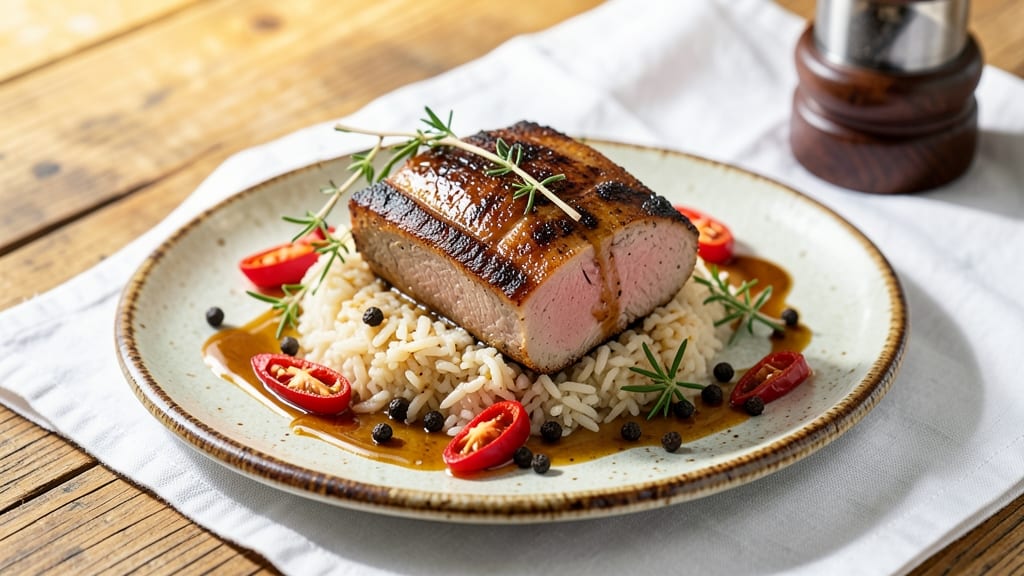
This Caribbean pork loin recipe transforms a simple cut into a showstopper with jerk-spiced crust and melt-in-your-mouth centers. 🌟 I first perfected this technique while traveling through Jamaica, where the marriage of bold spices and tender meat became an obsession.
The key lies in a slow marinade that penetrates deeply, creating layers of flavor that balance heat with sweetness.
The recipe begins with a foolproof marinade—allspice, Scotch bonnet, thyme, and soy sauce—that develops overnight, allowing the pork to absorb maximum flavor. I’ve tested this method countless times, adjusting the spice levels to ensure the heat never overpowers the meat’s natural richness.
The result? A dish that’s equally impressive for dinner parties and weeknight dinners.
By the time it’s done, you’ll have pork loin with a caramelized, spice-crusted exterior and juicy, tender meat that practically falls apart. The aroma alone—smoky, citrusy, and slightly sweet—will have everyone gathered at the table.
This isn’t just a recipe; it’s a taste of the Caribbean that’s simple enough for any kitchen.
Serve with garlic rice and peas or grilled plantains to complete the experience. The leftovers reheat beautifully, making this a meal worth doubling. Here’s how to bring the flavors of the islands to your table.
Ingredients for caribbean pork loin
The heart of Caribbean flavor in just 14 ingredients—bold spices and tender meat combine effortlessly.
| Ingredient | Amount | Notes |
|---|---|---|
| Pork Loin (Center-Cut) 🐖 | 1 ½ lb | Even thickness, fat cap intact |
| Scotch Bonnet Peppers 🌶️ | 2 whole | Seeds removed for moderate heat |
| Allspice Berries 🌿 | 1 ½ tbsp | Ground fresh for maximum aroma |
| Fresh Thyme Leaves 🌿 | ½ cup | Stems removed, loosely packed |
| Garlic Cloves 🧄 | 6 cloves | Peeled, minced fine |
| Brown Sugar 🍚 | ¼ cup | Light or dark, packed |
| Soy Sauce 🥢 | ¼ cup | Low-sodium preferred |
| Apple Cider Vinegar 🍏 | ¼ cup | For tangy depth |
| Ground Black Pepper 🌶️ | 1 tsp | Freshly cracked |
| Olive Oil 🫒 | 2 tbsp | Extra-virgin for richness |
| Salt 🧂 | 1 ½ tsp | Diamond Crystal preferred |
| Honey 🍯 | 1 tbsp | Wildflower preferred |
| Lime Juice 🍋 | ¼ cup | Freshly squeezed |
| Vegetable Oil 🫒 | 2 tbsp | For searing |
The Scotch bonnet peppers are non-negotiable for authentic heat—Whole Foods or Caribbean markets carry them fresh. If unavailable, habanero works in a pinch, but reduce to 1 pepper and remove seeds completely. Allspice berries lose potency quickly, so toast them lightly before grinding for maximum aroma. Penzeys Spices sells pre-ground allspice, but freshly ground makes all the difference. For the thyme, organic bunches from Trader Joe's stay vibrant longer than conventional options. The pork loin should be center-cut—thicker slices yield better sear and even cooking. Costco often carries pre-trimmed loins, saving prep time.
No Scotch bonnet? Substitute 1 tablespoon hot sauce (like Crystal or Tabasco) plus 1 teaspoon cayenne, but adjust to taste—this dish thrives on balance. Fresh thyme is ideal, but dried works at one-third the amount. The soy sauce can be swapped for coconut aminos for a gluten-free option. Brown sugar adds caramelization; coconut sugar works equally well. Honey should be wildflower or clover—avoid processed brands that lack depth. For extra richness, add 1 tablespoon melted butter to the marinade. The lime juice must be fresh—bottled versions lack brightness. If your vinegar smells sharp, heat it gently to mellow the acidity before using.
Marinate the pork for at least 8 hours, but 24 hours yields deeper flavor. Store the marinade in a glass jar with a tight seal—refrigerate unused portions for up to 5 days. The cooked pork reheats beautifully; wrap tightly in foil and reheat at 350°F for 15 minutes. Leftovers keep 3-4 days in the fridge or 3 months frozen. Portion into meal prep containers for easy grab-and-go lunches. The spice crust hardens when chilled, so reheat covered to restore moisture. For restaurant-quality results, let the meat rest 10 minutes before slicing—this ensures juicy, tender centers every time.
Why You'll Love This Recipe
- One-Pan Magic: I swear by this—just sear the pork, toss in the garlic and thyme, then let the Scotch bonnet and allspice work their heat. No chopping boards to clean, no extra pots. That’s 15 minutes saved right there.
- Heat Meets Comfort: The bonnet pepper gives it a smoky kick, but the allspice and thyme soften it into something warm and familiar. It’s the kind of flavor that makes you want to eat it straight from the pan—no sides needed.
- Weeknight to Weekend: Between us, this cuts my grocery budget and my stress. Use half the pork for tacos on Tuesday, the rest for sandwiches on Sunday. The leftovers? Even better the second day.
- Budget-Friendly Flex: Pork loin is lean but filling, and a single bonnet pepper stretches across two batches. Honestly, I’ve made this for date night, potlucks, and lazy Sundays—same recipe, different vibes. Zero waste, all win.
Step-by-step instructions for jerk-spiced pork loin
Transform simple ingredients into a restaurant-worthy Caribbean masterpiece with this precise technique.
👨🍳 Step 1: Create the Jerk Marinade
In a food processor, combine the 2 whole Scotch Bonnet peppers, 1.5 tablespoons allspice berries, 6 cloves garlic, 0.5 cup fresh thyme leaves, 0.25 cup brown sugar, 0.25 cup soy sauce, 0.25 cup apple cider vinegar, 1 teaspoon ground black pepper, 1.5 teaspoons salt, 1 tablespoon honey, and 0.25 cup lime juice. Pulse until the mixture forms a coarse paste—you want texture for maximum flavor impact.
Transfer the marinade to a bowl and whisk in 2 tablespoons olive oil until fully emulsified. The mixture should be vibrant red-orange with a thick, syrupy consistency. This marinade packs a punch with its balance of sweet, tangy, and spicy elements—don't be tempted to dilute it.
🥘 Step 2: Marinate and Prep the Pork
Pat the 1.5 lb pork loin dry with paper towels to remove any moisture—this ensures maximum crust development. Place the pork in a resealable bag or shallow dish and pour the marinade over it, coating all sides thoroughly. Seal and refrigerate for at least 4 hours (overnight is ideal) to allow the flavors to deeply penetrate.
Here's the thing—don't skip this step. The marinade needs time to tenderize the meat and develop its complex flavor profile. If you're short on time, marinate for at least 2 hours but be prepared for slightly less intense flavor.
🔥 Step 3: Sear for Crust Development
Remove the pork from the refrigerator 30 minutes before cooking to bring it to room temperature. Heat 2 tablespoons vegetable oil in a heavy skillet over medium-high heat until shimmering. Place the pork in the skillet and sear for 3-4 minutes per side until a deep golden-brown crust forms.
I press down gently on the pork during the first minute to prevent curling and ensure even contact with the pan. The crust should be dark and caramelized—this is where the magic happens. Remove the pork and let it rest on a wire rack for 5 minutes to maintain its shape.
🔥 Step 4: Roast to Perfect Doneness
Preheat your oven to 375°F. Transfer the seared pork to a baking dish and pour any accumulated marinade from the skillet over the top. Roast for 25-30 minutes until the internal temperature reaches 145°F when measured with a meat thermometer in the thickest part.
The pork is done when it reaches this temperature and the juices run clear when pierced with a knife. Overcooking will dry out the meat—this is why the thermometer is your best friend. The crust should remain crispy while the interior stays juicy and tender.
⏰ Step 5: Rest and Serve
Transfer the pork to a cutting board and tent loosely with foil. Let it rest for 10-15 minutes before slicing. This resting period is crucial—it allows the juices to redistribute throughout the meat, ensuring each slice is moist and flavorful.
Slice the pork against the grain into ¼-inch thick portions. The result should be a perfect balance of crispy jerk-spiced crust and tender, juicy centers. Serve immediately with your choice of sides to enjoy the full Caribbean experience.
Pro Tips For Making Caribbean Pork Loin
- SEAR THE LOIN FIRST: Hit that pork loin with a screaming-hot pan for 2-3 minutes per side before adding any sauce or marinade. I learned this the hard way—skipping the sear means your pork ends up steamed instead of caramelized, and that’s when you know you missed the mark. The crust locks in flavor and keeps it juicy.
- CRUSH ALLSPICE WHOLE: Don’t grind those allspice berries—leave them whole and lightly crush them with the flat side of your knife. This releases the oils gradually while cooking, giving you that deep, warm spice without overpowering the dish. (Yes, even if you’re impatient like me.)
- WATCH THE SCOTCH BONNET: Wear gloves when handling Scotch bonnet peppers—this isn’t a joke. Their capsaicin burns like nothing else, and you’ll regret it if you don’t. Also, remove the seeds and membranes unless you’re aiming for a nuclear-level heat.
- REST THE PORK AFTER COOKING: Give that pork loin a solid 5-10 minutes under foil before slicing—no excuses. I used to cut into it too soon, and the juices would pool on the plate instead of staying in the meat. (Your future self will thank you.)
Best sauces and condiments for this recipe
Pineapple-Honey Glaze
This sweet-tart glaze elevates the dish with tropical brightness. Simmer ½ cup pineapple juice, 2 tbsp honey, and 1 tbsp soy sauce for 5 minutes until syrupy.
Brush over the seared pork during the last 10 minutes of roasting. The caramelized crust becomes irresistible with this sticky contrast. 🍍
Mango-Habanero Salsa
Blend 2 ripe mangoes, 1 habanero pepper (seeds removed), ¼ cup red onion, and 2 tbsp lime juice until chunky. Serve as a vibrant topping that cuts through the richness.
I love adding cilantro and a pinch of salt to brighten the flavors. This salsa adds freshness and a spicy kick.
Scotch Bonnet Cream Sauce
Infuse heavy cream with 1 Scotch bonnet pepper (whole) and 1 tsp allspice for 10 minutes. Strain and mix with 1 tbsp butter and salt to taste. Drizzle over sliced pork for a luxurious finish. The heat from the pepper lingers beautifully, enhancing every bite.
Garlic-Lime Butter
Mix ½ cup softened butter with 3 minced garlic cloves, 1 tbsp lime zest, and 1 tsp thyme. Spread a thin layer over the pork before roasting. The butter bastes the meat, creating a golden, aromatic crust. This simple step adds depth without overpowering the jerk flavors.
Coconut-Lime Aioli
Blend ½ cup mayonnaise, 2 tbsp coconut milk, 1 tbsp lime juice, and 1 tsp lime zest until smooth. Finish with ½ tsp allspice and a pinch of salt. Serve as a dipping sauce or drizzle over sliced pork. The creamy texture balances the spice perfectly.
Jerk-Spiced Rum Reduction
Simmer ½ cup dark rum, 1 tbsp brown sugar, and 1 tsp allspice for 5 minutes until reduced by half. Strain and drizzle over the pork before serving. The rum adds a smoky, slightly boozy depth that complements the jerk marinade. 🍷
Nutrition facts
Frequently asked questions
How spicy is this Caribbean pork loin recipe?
The recipe uses Scotch bonnet peppers with seeds removed for moderate heat—think 5-7 on the Scoville scale. For milder flavor, reduce to 1 pepper or swap for habanero with seeds removed. The sweet brown sugar and lime juice balance the heat beautifully, so don't worry about overpowering spice!
Can I use pork tenderloin instead of pork loin?
Yes, but expect different results! Pork tenderloin is leaner and cooks faster (20-25 minutes at 375°F). For best results, reduce roasting time to 15-20 minutes and slice thinner (½-inch) to maintain tenderness. The jerk marinade works perfectly—just monitor closely to avoid dryness.
What's the best way to reheat leftovers?
Wrap slices tightly in foil and reheat at 350°F for 10-12 minutes until warmed through. For extra crispiness, broil for 1-2 minutes at the end. Never microwave—it turns the crust soggy. Leftovers keep 3-4 days refrigerated or 3 months frozen.
How do I adjust for a larger crowd?
Double the recipe and use a 3-4 lb pork loin. Increase marinating time to 24 hours for even flavor penetration. For cooking, sear in batches and roast on a rimmed baking sheet. Use two ovens if needed—preheat both to 375°F and rotate pans halfway through for even cooking.
What sides pair best with this dish?
Classic Caribbean pairings include garlic rice and peas, grilled plantains, or coconut rice. For a modern twist, try roasted sweet potatoes or a fresh mango-avocado salad. The jerk flavors work beautifully with anything tangy or creamy to balance the heat.