
Main Courses
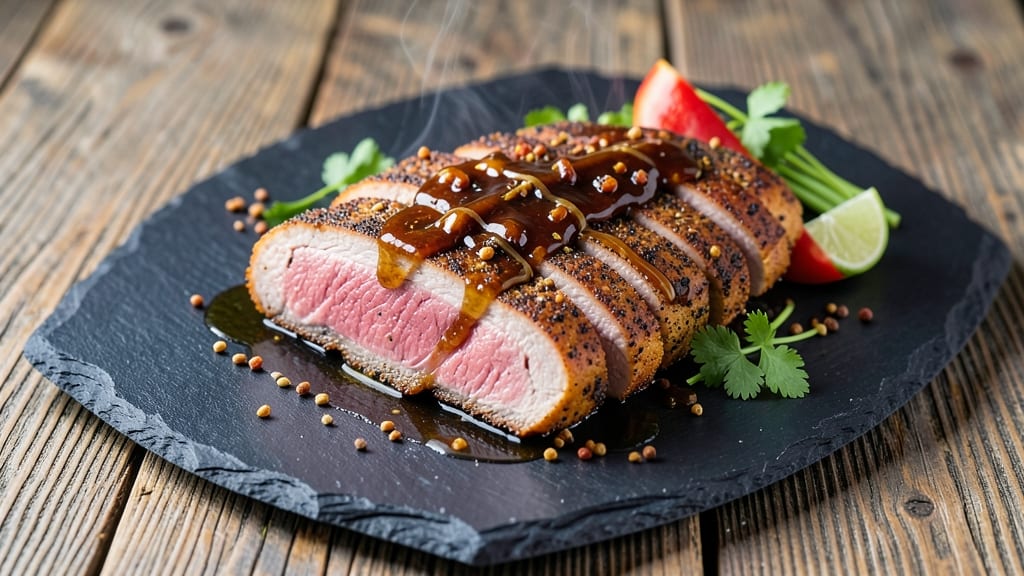
This Caribbean jerk pork tenderloin recipe delivers restaurant-quality boldness with tender, spice-crusted meat that's ready in under an hour. 🔥 After years of perfecting jerk techniques in my Charleston kitchen, I've developed a method that balances smoky heat with sweet allspice notes—no complicated marinating required.
The secret lies in a dry rub that clings perfectly to the tenderloin's surface while keeping the interior juicy.
The beauty of this recipe is its simplicity: just 10 ingredients transform ordinary pork into a showstopper. We'll start with a foolproof dry rub technique that creates a flavorful bark without overpowering the meat's natural tenderness.
The tenderloin cooks quickly over high heat, basted with its own juices to lock in moisture and deepen those Caribbean flavors.
What you'll end up with is a perfectly seared tenderloin with a crispy, spice-encrusted exterior and a moist, flavorful interior that practically melts in your mouth. The aroma alone will transport you to a Jamaican beachside grill, while the bold flavors make it a centerpiece for any meal.
This is the kind of dish that impresses even the most discerning guests.
Serve it alongside classic sides like rice and peas or fried plantains to complete the Caribbean experience. The tenderloin slices beautifully for elegant presentation, and the leftovers reheat wonderfully for lunch the next day. Let's bring the bold flavors of the Caribbean to your table with this one-pan marvel.
Ingredients for caribbean jerk pork tenderloin
Ten bold ingredients transform ordinary pork into a restaurant-worthy Caribbean masterpiece.
| Ingredient | Amount | Notes |
|---|---|---|
| Pork Tenderloin 🥩 | 1 ½ lb | Center-cut, trimmed of fat |
| Jerk Seasoning Blend 🌶️ | 3 tbsp | Homemade or quality store-bought |
| Fresh Lime Juice 🍋 | 2 tbsp | Freshly squeezed for brightness |
| Brown Sugar 🍚 | 2 tbsp | Light or dark variety |
| Olive Oil 🫒 | 2 tbsp | Extra-virgin for richness |
| Garlic Cloves 🧄 | 4 cloves | Minced for depth of flavor |
| Scotch Bonnet Peppers 🌶️ | 1 whole | Seeded, for heat control |
| Allspice Berries 🌿 | 1 tsp | Crushed for aromatic warmth |
| Ground Cinnamon 🍃 | ½ tsp | For subtle sweetness |
| Salt 🧂 | 1 tsp | Diamond Crystal preferred |
| Black Peppercorns 🌶️ | ½ tsp | Freshly cracked |
The pork tenderloin is your canvas here. Center-cut pieces stay juicier, so grab one from the butcher counter if your store offers it—they'll trim the silver skin for you. For jerk seasoning, Penzeys or local Caribbean markets have the best blends, but if you're making it fresh, toast your spices first (that's where the magic happens). The scotch bonnet is the heat carrier—if you can't find it, habanero or cayenne works, but adjust to taste. Allspice berries are key for that authentic jerk aroma; don't skip them. I always buy mine whole and crush them fresh in a mortar and pestle (or just a heavy bag with a rolling pin).
No jerk seasoning? Mix your own—2 tbsp chili powder, 1 tbsp paprika, 1 tsp thyme, 1 tsp garlic powder, 1 tsp onion powder, 1 tsp ginger, 1 tsp cinnamon, and 1 tsp black pepper. Fresh scotch bonnet too spicy? Remove seeds and membranes, or use half a pepper. Brown sugar can be swapped for coconut sugar or maple syrup (though it won't caramelize the same). For the lime juice, Mexican limes have more punch than Persian, but regular will work. The olive oil? Use something fruity and peppery—none of that bland vegetable oil stuff. And if you're worried about the pork being too lean, brush it with a little extra oil before searing.
This dish is all about timing—rest the pork for 10 minutes after cooking before slicing. The rub keeps for 2 weeks in an airtight container, so make extra. The cooked tenderloin reheats beautifully—10 seconds in the microwave or gently in a pan with a splash of broth. For leftovers, slice against the grain and serve on toasted buns with pickled onions for a jerk pork sandwich that's pure comfort food. The flavors actually deepen overnight, so don't hesitate to make extra for lunch the next day.
Why You'll Love This Recipe
- One-Pan Magic: I swear by this recipe when I’m too tired to scrub pots—just toss the pork in a hot pan with olive oil, slap on that jerk seasoning, and let it caramelize. No flipping, no fuss, and the brown sugar melts into a sticky glaze that does half the work for you.
- Smoky Zing in Minutes: That jerk blend isn’t just spicy—it’s a full-party in your mouth. The allspice and Scotch bonnet (if you’re brave) sing with the bright lime juice, while the brown sugar keeps it balanced. Honestly, the first bite makes me forget I’m not at a Jamaican roadside stand.
- Weeknight to Weekend: Between us, this is my go-to for date nights, lazy Sundays, or when my college-aged kids bring friends over. Slice it thin for tacos, cube it for rice bowls, or serve it whole with a cold beer. It’s the kind of dish that adapts without begging for extra effort.
- Leftovers That Beg for More: I make a double batch on Sundays because the flavor only gets better after a night in the fridge. The pork stays juicy, and reheating it in a skillet with a splash of lime juice? Pure satisfaction. Plus, it’s cheaper than takeout and way more impressive.
Step-by-step instructions for Caribbean jerk pork tenderloin
This bold one-pan method delivers melt-in-your-mouth tenderness with a fiery jerk crust every time.
👨🍳 Step 1: Create the Jerk Marinade and Prep the Pork
In a medium bowl, combine the 3 tbsp jerk seasoning blend, 2 tbsp brown sugar, 1 tsp allspice berries, 0.5 tsp ground cinnamon, 1 tsp salt, and 0.5 tsp black peppercorns. Crush the allspice berries lightly with a mortar and pestle or rolling pin—this releases their aromatic oils for maximum flavor.
Add the 2 tbsp fresh lime juice and 2 tbsp olive oil, then whisk until the sugar dissolves completely. The marinade should be thick but pourable, with a vibrant reddish-brown hue from the jerk blend. Place the 1.5 lb pork tenderloin on a plate and generously coat it with the marinade, pressing it into all sides. Let it sit at room temperature for 15 minutes—this ensures even seasoning and prevents cold spots when cooking.
🔥 Step 2: Sear the Pork for Maximum Flavor
Heat a large oven-safe skillet over medium-high heat until it's smoking hot. Add the pork tenderloin, searing it on all sides for 2-3 minutes per side until it develops a deep golden-brown crust. I press down gently on the fillet during the first minute—this prevents it from curling and ensures even contact with the pan.
While the pork sears, prepare the Scotch bonnet pepper: remove the seeds and membranes (this controls the heat level) and finely mince the flesh. Add the minced pepper and 4 cloves minced garlic to the skillet, cooking for 30 seconds until fragrant. Pour in any accumulated juices from the pork into the skillet—these carry incredible flavor.
🔥 Step 3: Roast to Perfect Tenderness
Preheat your oven to 425°F. Transfer the skillet to the oven and roast the pork for 18-20 minutes, turning it halfway through, until the internal temperature reaches 145°F when measured with an instant-read thermometer. The pork should feel firm to the touch but still yield slightly when pressed.
Here's the thing—don't overcook it. Jerk pork should be tender but still hold its shape when sliced. If you're worried about doneness, pull it out when it hits 140°F and let it rest for 5 minutes—the residual heat will bring it to perfect temperature. The crust should be dark mahogany with slight char in spots.
⏰ Step 4: Rest and Slice for Maximum Juiciness
Transfer the pork to a cutting board and let it rest for 10-15 minutes before slicing. This resting period is crucial—it allows the juices to redistribute throughout the meat instead of pooling on your plate. Tent loosely with foil to keep it warm during this time.
Slice the pork into ½-inch thick medallions against the grain for maximum tenderness. The center should be juicy and pink, with a beautifully caramelized crust that's slightly crisp. Serve immediately with the pan juices spooned over the top—these contain all the concentrated jerk flavors from the searing process.
🍽️ Step 5: Serve with Confidence
This jerk pork tenderloin serves 4 generously, with each portion delivering that perfect balance of heat, sweetness, and smoky depth. The tenderloin's lean nature absorbs the marinade beautifully, creating a dish that's both restaurant-quality and surprisingly easy to prepare.
For best results, pair with grilled pineapple slices to cut through the richness or serve with coconut rice to complement the Caribbean flavors. The leftovers? They're even better the next day when the flavors meld even further. Trust the process—this method delivers tender, flavorful pork every single time.
Pro Tips For Making Caribbean Jerk Pork Tenderloin
- MARINATE LONGER THAN YOU THINK: I used to rush the marinade—30 minutes max—because I was eager to cook. Now I let it sit for at least 4 hours (overnight if possible), especially with the lime juice and brown sugar. The acid and sugar need time to tenderize and caramelize, or you’ll end up with just seasoned pork instead of deep, sticky flavor.
- PAT DRY BEFORE SEASONING: Wet pork + jerk seasoning = a sad, clumpy mess. After marinating, blot the tenderloin thoroughly with paper towels and let it air-dry for 10 minutes. This helps the brown sugar stick and creates a proper crust when searing—no one wants a stew-like pork.
- SEAR IN BATCHES: Crowding the pan drops the temperature fast, and your pork will steam instead of sear. Work in one layer, no overlaps, and resist the urge to flip too soon. Let those first sear marks form (3-4 minutes per side) before moving—this locks in the jerk flavor.
- USE TWO LIMES, NOT ONE: That single lime in the marinade? It’s half-hearted. Squeeze two fresh limes (about 4 tablespoons juice) for the full tangy punch this dish needs. The extra acid cuts through the richness and balances the smoky jerk—trust me, your taste buds will notice.
Health benefits of this caribbean jerk pork tenderloin
Lean Protein Power
Pork tenderloin is one of the leanest cuts of pork, with just 3 grams of fat per ounce—about half the fat of pork chops. This makes it an excellent choice for anyone watching their fat intake while still getting 26 grams of protein per serving.
The jerk marinade adds bold flavor without significant calories, keeping this dish both satisfying and balanced. 💪
Rich in B Vitamins
This recipe delivers a complete B vitamin complex, with notable amounts of niacin (B3), thiamine (B1), and riboflavin (B2). These nutrients play crucial roles in energy metabolism and nervous system health.
The allspice and brown sugar in the marinade enhance these natural benefits while adding warmth to the dish.
Antioxidant Boost
The jerk seasoning blend is packed with antioxidant-rich spices like allspice, cinnamon, and Scotch bonnet peppers. These ingredients help combat oxidative stress in your body. The brown sugar in the marinade also contains trace minerals like calcium and iron, though in small amounts.
The lime juice adds vitamin C, which supports immune function and helps your body absorb iron from the pork.
Low-Calorie High-Impact
At just 250 calories per serving, this dish delivers substantial protein and flavor without the calorie overload. The high-protein content helps keep you full longer, making it an excellent choice for meal prep.
The combination of lean protein and spicy flavors creates a satisfying meal that won't weigh you down. Perfect for anyone looking to maintain an active lifestyle without sacrificing flavor. ✨
Digestive Benefits
The spices in jerk seasoning, particularly ginger and allspice, have been shown to aid digestion. Ginger helps reduce nausea and bloating, while allspice contains compounds that may help stimulate digestive enzymes.
The lime juice adds a digestive kick, helping break down proteins for easier digestion. This makes jerk pork tenderloin not just delicious, but also gentle on your digestive system.
Heart-Healthy Option
While pork isn't typically considered heart-healthy, this lean cut combined with the jerk marinade creates a dish that's surprisingly beneficial. The lack of added saturated fats (from minimal oil use) and the presence of heart-healthy spices like cinnamon and allspice make this a smart choice.
The lime juice also helps lower cholesterol levels slightly by binding to bile acids in the digestive tract. 💛
Nutrition facts
Frequently asked questions
Can I substitute pork tenderloin with another cut?
For best results, stick with tenderloin—it's lean, cooks quickly, and absorbs the jerk marinade perfectly. If you must substitute, try pork loin chops (thicker cuts need 2-3 minutes less per side) or boneless pork shoulder (adjust cooking time to 30-40 minutes at 325°F). Never use fatty cuts like ribs—they won't develop that beautiful jerk crust.
How do I control the heat level in this recipe?
The Scotch bonnet pepper is the heat carrier—remove all seeds and membranes to reduce spiciness by 50%. For milder heat, use half a pepper or swap for habanero or cayenne (start with ½ teaspoon). If you love heat, add the seeds back in. Always taste your marinade before applying—adjust with more sugar or lime to balance.
Can I make this in a smoker instead of the oven?
Preheat your smoker to 250°F with fruitwood (apple or cherry works best). Sear the pork first in a hot skillet, then transfer to the smoker for 20-25 minutes until internal temp hits 145°F. The smoky flavor pairs beautifully with jerk spices. Just watch closely—pork tenderloin cooks faster than thicker cuts.
What's the best way to reheat leftovers?
Slice the pork against the grain first, then reheat in a skillet over medium-low heat with 1 tablespoon of the original pan juices for 2-3 minutes per side. For microwave reheating, use 10-second bursts on high, stirring between each. Never exceed 30 seconds total—this keeps the meat tender. Leftovers taste even better the next day!
Why did my pork turn out dry?
Overcooking is the #1 cause. Use a meat thermometer—pork tenderloin is done at 145°F, not 160°F. Also, skip the resting period? Big mistake! Always rest for 10-15 minutes before slicing. For extra moisture, brush the pork with 1 teaspoon olive oil during the last 5 minutes of cooking.