
Main Courses
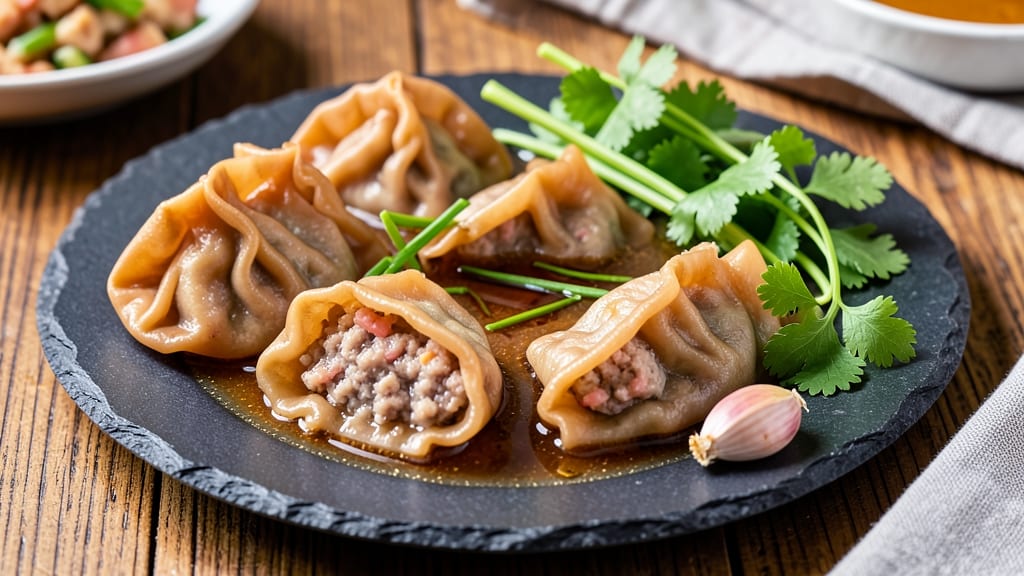
This Cantonese pork wonton recipe delivers the delicate balance of tender dough and rich, aromatic filling that makes every bite unforgettable. ✨ After years of perfecting the technique—especially the dough's silky texture and the pork's precise seasoning—I've created a method that's both authentic and approachable for home cooks.
The secret lies in resting the dough just enough to develop gluten without overworking it, while the filling achieves that signature harmony of ginger, garlic, and pork fat that defines Cantonese cuisine.
The process begins with a simple yet critical dough made from all-purpose flour and water, rested at room temperature for 30 minutes to achieve the perfect elasticity.
Meanwhile, the filling combines ground pork with finely minced aromatics and a touch of soy sauce for depth, ensuring each wonton bursts with flavor. What sets this recipe apart is the attention to detail—properly sealing the wontons without trapping air, which guarantees they cook evenly and maintain their shape.
Once assembled, these wontons can be boiled, pan-fried, or steamed, each method offering a distinct texture—crispy edges when fried, tender yet sturdy when boiled. Served with a fragrant dipping sauce of soy, vinegar, and chili oil, they transform any meal into a celebration of texture and taste.
The result is a dish that feels both comforting and refined, perfect for weeknight dinners or special occasions.
Whether you're serving them in a steaming hot pot, as a standalone appetizer, or alongside a clear broth, these wontons deliver restaurant-quality results with minimal fuss. The key is patience—letting the dough rest, cooking the pork to the right temperature, and sealing the wontons with care.
Trust me, the effort is worth every bite of that silky, flavorful perfection.
Ingredients for cantonese pork wonton
Flour and pork form the heart of these delicate wontons, paired with aromatic aromatics and silky dough.
| Ingredient | Amount | Notes |
|---|---|---|
| All-Purpose Flour 🌾 | 2 cups | Sifted for light texture |
| Cold Water 💧 | ¾ cup | Room temperature preferred |
| Ground Pork 🐷 | 1 ½ lb | Lean to fatty ratio 70/30 |
| Fresh Ginger 🧅 | 2 tbsp | Finely minced, peeled |
| Garlic Cloves 🧄 | 4 cloves | Minced into paste |
| Light Soy Sauce 🍶 | 2 tbsp | Kikkoman preferred |
| Sesame Oil 🫒 | 1 tbsp | Toasted for aroma |
| White Pepper 🌶️ | ½ tsp | Freshly ground preferred |
| Salt 🧂 | ½ tsp | Diamond Crystal kosher |
| Vegetable Oil 🫒 | 1 tbsp | For frying wontons |
| Dark Soy Sauce 🍶 | 1 tbsp | For dipping sauce |
| Rice Vinegar 🍶 | 1 tbsp | Seasoned preferred |
| Chili Oil 🌶️ | 1 tbsp | For finishing dipping sauce |
| Green Onions 🧅 | 2 whole | Thinly sliced, for garnish |
The pork fat is non-negotiable here—70/30 lean-to-fat ratio ensures juicy filling. Costco or Asian markets often carry pre-ground pork with perfect fat content. For ginger, fresh is mandatory—dried lacks the bright punch. The flour should be sifted to avoid dense dough; King Arthur brand works reliably. Rest the dough for exactly 30 minutes—no more, no less—to develop gluten without toughness. If your kitchen is humid, reduce water by 1 tbsp to prevent stickiness.
No sesame oil? Toasted peanut oil works in a pinch, though the flavor shifts slightly. Short on dark soy sauce? Regular soy sauce plus 1 tsp molasses mimics the depth. The chili oil can be homemade (crushed red peppers + oil) or store-bought from Trader Joe's Asian aisle. For the filling, over-mixing releases moisture, so chop ingredients just until combined. If your pork is extra-lean, add 1 tsp cornstarch to absorb excess juices. The green onions can be swapped for cilantro if preferred, though traditionalists insist on scallions.
Dough keeps 2 days wrapped in plastic in the fridge, but filling is best used fresh. Filling can be prepped 1 day ahead and stored airtight. For dipping sauce, mix all components just before serving—vinegar and chili oil lose potency when combined early. Wontons freeze beautifully: assemble, then flash-freeze on a tray before bagging. Cook from frozen in broth (add 2 extra minutes) or fry (no extra time needed). Garnish with extra green onions right before serving—they wilt fast.
Why You'll Love This Recipe
- No-Knead Magic: I swear by this dough—just flour and cold water, mixed and rested. No rolling, no fuss, and the texture? Silky enough to fold into perfect little pockets without a fight.
- Umami Bomb: That ground pork gets a serious flavor upgrade with fresh ginger and garlic—minced fine, not chopped. The heat from the wok (or pan) turns it into a savory, aromatic filling that sticks to your ribs.
- Party in a Pan: These are my go-to for game day, potlucks, or when my college-aged kids bring friends over. Pan-fry a batch, add a splash of soy sauce and sesame oil, and suddenly you’re serving something that looks way more impressive than takeout.
- Budget-Friendly Powerhouse: Ground pork stretches far, and the dough costs pennies. Make a double batch, freeze half, and you’ve got a weeknight meal covered without breaking the bank—or your willpower.
Step-by-step instructions for Cantonese pork wontons
Master the art of silky wonton wrappers and aromatic filling with these precise techniques.
👨🍳 Step 1: Make the Wonton Dough
In a large mixing bowl, combine the 2 cups all-purpose flour and gently sift it to remove any lumps. This creates a light, airy texture that's essential for delicate wrappers. Make a well in the center and add the 0.75 cup cold water all at once. I use room temperature water for better gluten development.
Using a fork or chopsticks, gradually incorporate the water into the flour until a shaggy dough forms. Avoid overmixing at this stage—just combine until it comes together. Once the dough is rough but cohesive, turn it out onto a lightly floured surface and knead gently for 3-4 minutes until smooth. The dough should be soft but not sticky—add a tiny bit more flour if needed.
👨🍳 Step 2: Prepare the Filling
In a food processor or by hand, finely mince the 2 tbsp fresh ginger and 4 cloves garlic into a paste. This creates a smooth, even texture that blends seamlessly with the pork. In a large bowl, combine the 1.5 lb ground pork, ginger-garlic paste, 2 tbsp light soy sauce, 1 tbsp sesame oil, 0.5 tsp white pepper, and 0.5 tsp salt. Mix thoroughly with your hands until all ingredients are evenly distributed.
Here's the thing—don't overwork the filling. Just combine until fully incorporated. The mixture should be moist but not wet, holding together when pressed. If it's too dry, add a teaspoon of water; if too sticky, chill for 10 minutes before proceeding. This filling forms the heart of your wontons, so take your time getting it right.
🍳 Step 3: Assemble and Shape the Wontons
Divide the dough into 4 equal portions and cover with a damp towel to prevent drying. Working with one portion at a time, roll it into a thin rectangle about 1/8-inch thick using a rolling pin. I find using a well-floured surface and rolling from the center outward helps maintain even thickness.
Cut the dough sheet into 3-inch squares using a sharp knife or wonton cutter. Place 1 teaspoon of filling in the center of each square. Dip a finger in water and moisten the edges of the dough, then pleat the corners together to form a classic wonton shape. Press gently to seal, ensuring no filling escapes. This pleating technique creates that signature Cantonese look and prevents leaks during frying.
🔥 Step 4: Fry the Wontons to Perfection
Heat 1 tablespoon vegetable oil in a wok or deep skillet over medium-high heat until shimmering. Add wontons in batches—don't overcrowd the pan or they'll steam instead of fry. Fry for 2-3 minutes until the wrappers turn golden brown and crispy, while the filling remains tender inside. The oil should sizzle gently but not smoke excessively.
Transfer fried wontons to paper towels to drain excess oil. They'll be crispy on the outside and juicy on the inside—this contrast is what makes them irresistible. Keep them warm in a 200°F oven while you fry the remaining batches. If the oil gets too dark between batches, replace it with fresh oil to maintain crispiness.
🥘 Step 5: Make the Dipping Sauce
In a small bowl, whisk together 1 tbsp dark soy sauce, 1 tbsp rice vinegar, and 1 tbsp chili oil. Thinly slice the 2 whole green onions and add them to the sauce. This combination creates a perfect balance of salty, tangy, and spicy flavors that complement the rich pork filling.
Serve the wontons immediately with the dipping sauce on the side. The sauce should coat the back of a spoon with a glossy sheen—this indicates proper consistency. For extra presentation, arrange the wontons on a platter with the green onions fanned across the top. The contrast of crispy wrappers, tender filling, and vibrant sauce makes each bite unforgettable.
Pro Tips For Making Cantonese Pork Wonton
- CHILL THE DOUGH: Your wonton wrappers need to be cold—not just cool, but properly chilled for 30 minutes. I learned this the hard way when my first batch stuck together like glue. Wrap them in plastic and pop them in the fridge (yes, even if you’re impatient like me), or they’ll tear when you roll them. Trust me, the difference in texture is night and day.
- MINCE THE GINGER FINE: Skip the food processor for fresh ginger—it turns to mush. Use a sharp knife and chop it into a paste, then press it through a fine-mesh strainer (or grate it directly into the pork). This keeps the flavor bright and evenly distributed, not clumpy. My grandmother swore by this, and she was right: the aroma in your filling will be way more vibrant.
- DON’T OVERWORK THE WRAPPERS: Handle the dough just enough to roll it out—maybe 2-3 minutes total. Overworking it makes the wrappers tough and chewy, which defeats the whole point of delicate wontons. Keep them dusted with flour, roll them thin but not paper-thin, and work in batches if needed. You’re aiming for tender, not brittle.
- FREEZE FILLING BALLS: Here’s a lifesaver: shape your pork filling into small balls, then freeze them for 10 minutes before cooking. This keeps them intact when you drop them into boiling water—no more sad, flattened wontons. I was skeptical until I tried it, and now I never skip this step. (Your future self will thank you.)
Essential equipment for perfect results
Wonton Wrapper Tools
You'll need a few key tools to achieve that signature silky, translucent wonton wrapper texture. First, grab a rolling pin—I prefer a marble rolling pin from Lodge for even pressure.
For precise cutting, a sharp wonton cutter (available at Asian grocery stores or online) ensures clean edges. If you don’t have one, a pizza wheel works in a pinch. 🧑🍳
To prevent sticking, keep a damp kitchen towel nearby for rolling and a lightly floured surface (I use King Arthur flour). For shaping, a small bowl of water helps seal edges without tearing.
Pro tip: Use a small offset spatula to transfer assembled wontons to the frying pan—it keeps them intact.
Filling Prep Essentials
A food processor is ideal for mincing ginger and garlic into a smooth paste, but a microplane works too. For mixing the filling, I swear by a stainless steel mixing bowl—it stays cool and prevents the pork from overcooking.
A pair of chopsticks helps fold ingredients gently without breaking up the meat. 🥢
To test filling consistency, press a small amount between your fingers—it should hold shape but not crumble. If too sticky, chill for 10 minutes in the fridge.
For portioning, a small cookie scoop (like 2 tsp capacity) ensures even filling amounts. Keep a damp paper towel handy to wipe sticky fingers.
Frying Equipment
A wok is traditional, but a deep skillet with high sides (like All-Clad) works just as well. Use a thermometer to monitor oil temp—350°F is perfect for crispy wrappers.
A slotted spoon or tongs helps drain excess oil without breaking wontons. I keep a wire rack on a baking sheet nearby to drain fried wontons thoroughly. 🔥
For batch frying, a small ladle lets you add oil between batches without overcrowding. A lid keeps the kitchen smoke-free while frying. If you’re boiling wontons instead, a large pot with a steamer basket (or colander) is essential—just ensure water is rolling before adding them.
Dipping Sauce Setup
A small mixing bowl (like 4 oz capacity) holds the sauce components neatly. A whisk ensures the dark soy sauce, vinegar, and chili oil blend smoothly. For garnish, a sharp knife slices green onions thinly.
I like to use a small serving dish (like Rumpl mini dishes) for the sauce to keep it contained. 🥘
To serve, arrange wontons on a platter or wooden board for rustic appeal. A small squeeze bottle with extra chili oil lets guests customize spice levels. For presentation, scatter toasted sesame seeds or crushed peanuts on top—just add them after frying to keep them crisp.
Nutrition facts
Frequently asked questions
Can I make wonton dough without a rolling pin?
If you don't have a rolling pin, use a wine bottle or heavy glass jar wrapped in plastic wrap. Roll the dough by pressing down firmly and rotating the bottle in small circles. For even thickness, work in short bursts and re-flour the surface as needed. The key is patience—press gently to avoid tearing the delicate dough.
Why is my wonton filling too dry or sticky?
Dry filling happens when the pork loses moisture during mixing. If this occurs, add 1 teaspoon water at a time until it holds together when pressed. For sticky filling, chill it for 10 minutes in the fridge to firm up. The ideal consistency should be moist but not wet—think of it like playdough that holds its shape. If your pork is extra-lean, add 1 tsp cornstarch to absorb excess juices.
How do I prevent my wontons from leaking filling?
Proper sealing is key! First, ensure your filling is not overworked—just mix until combined. When pleating, moisten the edges with water and press firmly to create a tight seal. Avoid overfilling—1 teaspoon per wonton is perfect. If you notice leaks during frying, the dough wasn't sealed tightly enough. Practice makes perfect—start with a few test wontons to refine your technique.
Can I boil these wontons instead of frying?
Yes! Boiling is a great alternative for a lighter texture. Bring a large pot of water to a rolling boil and add wontons in batches. They're done when they float to the surface (3-4 minutes). For extra flavor, add 1 tbsp soy sauce to the water. Drain immediately and serve with the same dipping sauce. Boiled wontons have a softer texture but still hold their shape beautifully.
How do I store leftover wontons?
Store unused wontons in an airtight container in the fridge for 2 days. For longer storage, freeze them on a tray first (to prevent sticking), then transfer to a freezer bag. To reheat, pan-fry from frozen for 1-2 minutes per side or boil for 2-3 minutes. Never microwave—it makes the wrappers soggy. The filling stays juicy when reheated properly, but the texture will be slightly softer than fresh.