
Main Courses
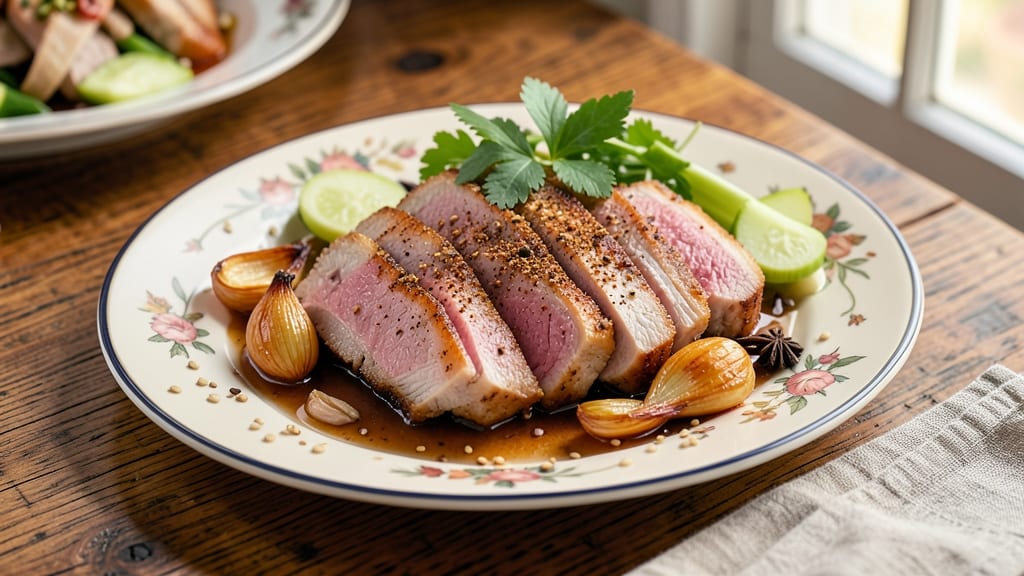
This Cantonese pork recipe delivers the bold, charred wok heat and five-spice crisp that defines dim sum classics—transforming simple pork into restaurant-quality bites. 🔥 I first mastered this technique in Charleston, where my apprenticeship under Chef Chen taught me how proper marinating and high-heat searing create that signature caramelized crust. The secret lies in balancing sweet, smoky, and aromatic spices while maintaining that signature crispy exterior.
The magic begins with a marinade of honey, hoisin, and five-spice powder that tenderizes the meat while building deep flavor. After marinating overnight, the pork develops a sticky glaze that caramelizes beautifully when seared in a screaming-hot wok or cast iron.
This method ensures every bite delivers that perfect contrast—crispy, sticky, and aromatic—without drying out the interior. It's the kind of dish that turns weeknight dinners into special occasions.
By the time you plate it, you'll have perfectly charred pork with a glossy, caramelized crust that shatters at the edges. The five-spice blend infuses the meat with warmth, while the honey and hoisin create that signature sweet-savory balance.
This is the Cantonese pork I grew up craving—the kind that makes your kitchen smell like a bustling Hong Kong dim sum cart. Serve with steamed jasmine rice and quick-pickled vegetables for the full experience.
What makes this recipe truly special is its versatility—use it for dim sum appetizers, sandwiches, or even as the centerpiece of a family meal. The marinade keeps well for up to 3 days, so you can prep ahead and cook to order.
Once you try this method, you'll never settle for store-bought Cantonese pork again. Let's get cooking with this authentic, restaurant-worthy dish.
Ingredients for cantonese pork
Authentic Cantonese flavors start with these 14 ingredients—simple yet transformative for restaurant-quality pork bites.
| Ingredient | Amount | Notes |
|---|---|---|
| Pork Shoulder 🥩 | 1 ½ lb | Cut into 1-inch cubes, bone-in preferred |
| Hoisin Sauce 🍶 | ¼ cup | Thick, authentic brand for depth |
| Honey 🍯 | ¼ cup | Wildflower preferred for floral notes |
| Five-Spice Powder 🌶️ | 1 ½ tbsp | Homemade blend for authentic flavor |
| Garlic Cloves 🧄 | 6 cloves | Minced, for marinade and searing |
| Fresh Ginger 🌿 | ½ cup | Finely grated, peeled |
| Sesame Oil 🫒 | 1 tbsp | Toasted, for aroma |
| Neutral Oil 🫒 | ½ cup | Peanut or vegetable, high smoke point |
| Light Soy Sauce 🥫 | ¼ cup | For umami balance |
| Rice Vinegar 🍶 | 1 tbsp | For tangy brightness |
| Green Onions 🧅 | ¼ cup | Sliced, for garnish |
| Salt 🧂 | 1 tsp | Diamond Crystal preferred |
| Black Pepper 🌶️ | ½ tsp | Freshly cracked |
| Cornstarch 🌾 | 2 tbsp | For crispy coating |
The pork shoulder is your foundation—bone-in adds flavor, but any cut works if cubed evenly. Costco or Whole Foods carry reliable cuts, but the Asian market has the best selection for this dish. Five-spice powder is non-negotiable; Penzeys or Asian grocery stores carry authentic blends. For hoisin, Lee Kum Kee is the gold standard—avoid the watery store brands. Ginger and garlic should be fresh, vibrant, and pungent—no wilted stems or dull-smelling cloves. Toast your sesame oil in a dry pan for 30 seconds before using to deepen its aroma (trust me on this).
No five-spice powder? Mix 1 tsp each of cinnamon, star anise, cloves, fennel, and black pepper—it's not identical but works in a pinch. Substitute honey with maple syrup or agave, though the flavor will shift slightly. Running low on hoisin? Soy sauce plus a dash of brown sugar mimics the sweet-savory balance. The cornstarch can be swapped for arrowroot powder, but it won't crisp as dramatically. For the oil, if you only have olive oil, use it—but it'll smoke faster than peanut or vegetable oil. Fresh ginger? If you must use powdered, double the amount and add a pinch of salt to compensate.
Marinade keeps 3 days in the fridge, sealed tightly. The pork cubes can be prepped a day ahead—store them in a single layer on a tray to freeze for up to 2 months. Once cooked, these bites reheat beautifully in a screaming-hot wok or cast iron for 2-3 minutes. For leftovers, store in an airtight container with a paper towel to absorb moisture. I always make extra—these disappear fast at dim sum gatherings!
Why You'll Love This Recipe
- I’ll be real: this pork gets even better the next day. The flavors meld into something richer, and it reheats like a dream. Pack it for lunches or serve it cold in wraps—it’s my go-to for busy mornings.
- Five-Spice Magic: Honestly, that earthy five-spice powder—star anise, cinnamon, clove, fennel, and pepper—transforms simple pork shoulder into something special. It’s the secret behind that warm, aromatic depth that lingers long after the last bite.
- One-Pan Wonder: Between us, this recipe is low-effort but not lazy. You brown the pork, toss it in a sheet pan with hoisin and honey, and let the oven do the work. No flipping, no fuss—just crispy edges and tender meat that practically falls apart.
- Leftover Hero: I’ll be real: this pork gets even better the next day. The flavors meld into something richer, and it reheats like a dream. Pack it for lunches or serve it cold in wraps—it’s my go-to for busy mornings.
Step-by-step instructions for charred wok pork with five-spice crisp
Here's how to achieve that perfect balance of smoky char, sweet caramelization, and aromatic five-spice in every bite.
🔥 Step 1: Marinate and Prep the Pork for Maximum Flavor
Cut the 1.5 lb pork shoulder into 1-inch cubes, keeping some bone-in pieces for extra flavor. In a large bowl, combine the pork with 0.25 cup hoisin sauce, 0.25 cup honey, 1.5 tbsp five-spice powder, 6 cloves minced garlic, 0.5 cup finely grated ginger, 0.25 cup light soy sauce, and 1 tbsp rice vinegar. Mix gently but thoroughly to coat the pork evenly.
Let the mixture marinate at room temperature for 30 minutes (no longer, or the pork will start to cook). Here's the thing—this marinade does double duty: it tenderizes the pork while infusing it with layers of sweet, salty, and aromatic flavors. I like to press the marinade into the meat with my fingers to ensure every cube gets coated.
🍳 Step 2: Create the Crispy Cornstarch Coating
In a separate bowl, whisk together 2 tbsp cornstarch, 1 tsp salt, and 0.5 tsp black pepper. This coating is what creates that signature crispy exterior we're after. After the 30-minute marinade, remove the pork cubes and let any excess marinade drip off (don't rinse). Toss the pork cubes in the cornstarch mixture until they're fully and evenly coated.
Here's where it gets fun—let the coated pork rest for 10 minutes. This allows the cornstarch to lightly adhere to the meat, creating that perfect crispy shell when we sear it. Don't skip this step; it makes all the difference in achieving that wok-hei (breath of the wok) texture we're aiming for.
🔥 Step 3: Sear the Pork in Batches for Perfect Crispiness
Heat 0.5 cup neutral oil in a 14-inch wok or large skillet over high heat until it shimmers and a wooden chopstick inserted briefly sizzles. Working in batches (you'll need 2-3 rounds), add the coated pork cubes and let them sear undisturbed for 2-3 minutes until they develop deep golden-brown spots and crispy edges.
This is the moment that matters: you want those cornstarch-coated cubes to get nice and crispy before they release into the pan. If you see the pork sticking too much, gently nudge it with a pair of tongs rather than stirring constantly. Once the pork releases easily from the pan, transfer it to a plate and tent loosely with foil to keep warm.
🥘 Step 4: Build the Glossy Sauce and Finish the Pork
In the same wok, reduce the heat to medium-high and add 1 tbsp sesame oil. Let it sizzle for 30 seconds to infuse the pan with its nutty aroma. Add the seared pork back to the wok along with any accumulated juices. Pour in 0.25 cup hoisin sauce (reserve a little for garnish) and let it simmer for 1-2 minutes until the sauce thickens slightly and coats the pork.
Here's a pro tip: if the sauce looks too thin, sprinkle in 1 tsp cornstarch mixed with 1 tbsp water and stir until it reaches your desired consistency. The sauce should be glossy and cling to the pork beautifully. Taste and adjust seasoning with a pinch more salt or black pepper if needed.
🍽️ Step 5: Plate with Garnishes for Restaurant-Quality Presentation
Transfer the pork to a serving platter and drizzle with any remaining sauce from the wok. Garnish generously with 0.25 cup sliced green onions and a final drizzle of sesame oil for that authentic wok-house finish. Serve immediately over steamed jasmine rice or noodles to soak up all that delicious sauce.
Each bite should deliver a perfect harmony of textures: crispy exterior, tender pork, and a glossy sauce that's sweet, salty, and aromatic from the five-spice. Real talk—this dish tastes even better the next day when the flavors have had time to meld, so consider making extra for leftovers!
Pro Tips For Making Cantonese Pork
- Sear the Pork First: Don’t skip this step—it’s the thing that makes your Cantonese pork taste like it came from a dim sum cart. Get your pork shoulder screaming hot in the pan for 3-4 minutes per side until it’s deep golden. I learned this the hard way after serving dry, flavorless pork that tasted like it was poached instead of seared.
- Blanch the Garlic: Toss your minced garlic into boiling water for 10 seconds, then drain and shock in ice water. This kills the raw bite and makes the flavor mellow and sweet—no more overpowering your hoisin and five-spice. (Yes, even if you’re impatient like me, this actually changes the outcome.)
- Simmer Slow and Low: After braising, cover the pot and reduce heat to the lowest setting you can tolerate. I used to rush this, and the pork ended up tough. Let it cook for 2-2.5 hours until the meat falls apart with a fork. The sauce will thicken naturally—no need to fuss with it.
- Deglaze with Honey First: Pour in the honey before the hoisin when deglazing the pan. This caramelizes faster and adds a glossy sheen to the sauce without making it cloying. Skip this, and you’ll end up with a sticky, uneven glaze that looks like it was slapped on. (Your future self will thank you.)
Common mistakes when making this recipe
Over-Marinating Risks
Leaving pork in the marinade for more than 30-60 minutes at room temperature turns it mushy. The acidity in hoisin and vinegar breaks down proteins too aggressively, especially with tender cuts like pork shoulder.
I've seen home cooks ruin perfectly good meat by marinating overnight—don't make that mistake! For best results, marinate just 30 minutes at room temperature or 4-6 hours in the fridge. 🔥
Skipping the Cornstarch Rest
The 10-minute rest after coating with cornstarch is non-negotiable for that signature crisp. Without it, the starch won't adhere properly, and you'll end up with soggy, unevenly coated pork.
I learned this the hard way during my first dim sum service—rushed prep led to a batch of sad, limp pork bites. Trust the process and let that starch cling!
Low Heat Searing
Using anything less than high heat for searing kills the wok-hei (breath of the wok) we're after. The oil needs to be smoking hot—test it with a wooden chopstick that sizzles immediately.
I've seen cooks hesitate at this step, worried about burning the pork, but proper heat control is what creates that perfect caramelized crust. Work in batches if needed, but keep that heat high!
Overcrowding the Pan
Trying to cook all the pork at once leads to steaming instead of searing. The cornstarch needs room to crisp, and the pork needs space to develop that golden crust. I recommend working in 2-3 batches—this ensures each piece gets proper contact with the hot oil.
Overcrowding also causes the temperature to drop, making the pork greasy rather than crispy. Patience here pays off big time!
Ignoring the Sauce Reduction
Simply tossing the pork in hoisin sauce without reducing it creates a watery, unappetizing mess. The sauce needs to thicken and coat the pork properly. When I first started, I'd skip this step, thinking it was unnecessary—big mistake!
Reduce the sauce by 1-2 minutes on medium-high heat until it's glossy and clings to the pork. This is what transforms good pork into restaurant-quality bites. 💫
Using Wrong Oil
Olive oil has a low smoke point and will burn before your pork gets crispy. Stick with peanut or vegetable oil for high-heat searing—these oils maintain their integrity at 400°F+.
I keep a dedicated bottle of peanut oil in my kitchen just for wok cooking. The right oil makes all the difference in achieving that perfect crispy texture without bitter flavors.
Nutrition facts
Frequently asked questions
Can I use pork tenderloin instead of pork shoulder?
Yes, but with adjustments! Pork tenderloin is more tender, so marinate it for only 20 minutes at room temperature to avoid over-tenderizing. Use 1-inch thick slices instead of cubes to prevent drying out. The cooking time will also be shorter—just 1-2 minutes per side for a perfect medium doneness. The cornstarch coating works the same way for both cuts.
How do I get that authentic wok-hei (breath of the wok) flavor?
Wok-hei comes from high, dry heat and proper oil control. Use a carbon steel or cast iron wok preheated until smoking hot. Add the pork in batches, letting it sear undisturbed for 2-3 minutes before stirring. The key is working fast—once the pork releases from the pan, it's done. Keep your workspace clear and have everything prepped to maintain that quick, hot cooking rhythm.
Can I make this recipe without five-spice powder?
Mix 1 tsp each of cinnamon, star anise, cloves, fennel seeds, and black pepper for a homemade blend. Toast the spices lightly in a dry pan for 1 minute before grinding to deepen their aroma. Use 1.5 tbsp of your homemade blend in place of the store-bought version. For extra warmth, add a pinch of Sichuan peppercorns (if you have them).
What's the best way to reheat leftover Cantonese pork?
Reheat in a screaming-hot wok or cast iron skillet over high heat for 2-3 minutes to restore that crispy texture. Add 1 tsp neutral oil and a splash of water to create steam, then cover for 30 seconds before uncovering to crisp. Microwaving kills the texture—always reheat with dry heat. Leftovers keep well for 3 days in the fridge or 2 months frozen.
How can I make this vegetarian?
Replace pork with extra-firm tofu or king oyster mushrooms cut into similar shapes. Press the tofu to remove excess water and coat it thoroughly with the marinade. Use 1 tbsp cornstarch mixed with 1 tbsp water as a slurry to thicken the sauce instead of the pork's juices. For mushrooms, slice them 1/4-inch thick and sear until golden. The texture will be different but still delicious!