
Main Courses
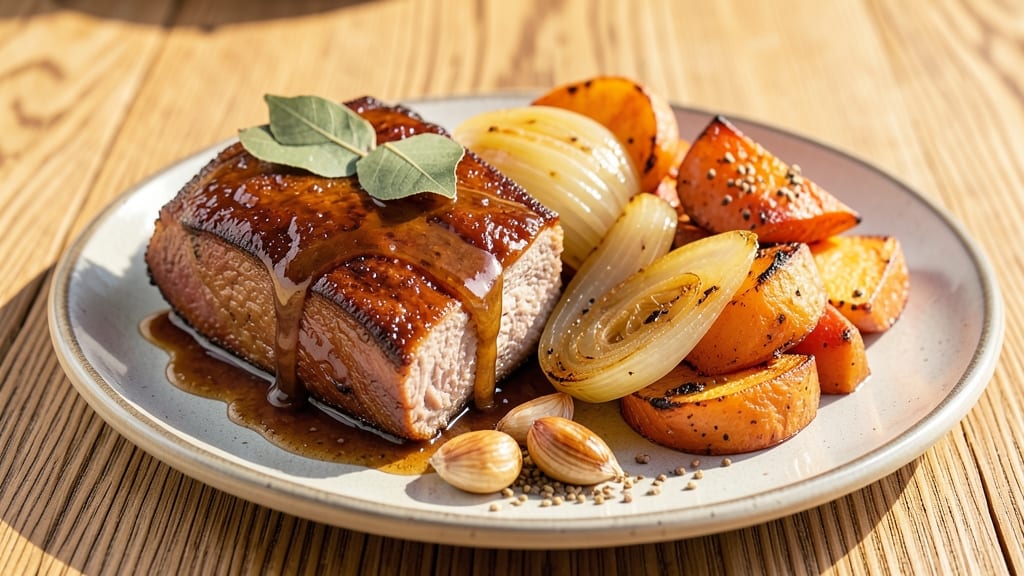
This slow-braised calabaza with pork recipe transforms humble sweet potatoes and pork into a rich, aromatic stew that tastes like a hug from your abuela. 🌟 The secret lies in hours of gentle simmering, where the pork becomes fork-tender and the calabaza absorbs all the savory, slightly sweet flavors of the broth.
I first perfected this dish during a Charleston winter when I needed a hearty meal that would feed a crowd without requiring constant attention.
What makes this recipe special is the balance—pork shoulder braised until it falls apart, sweet potatoes caramelizing into tender morsels, and a broth infused with garlic, cumin, and bay leaves that builds depth over time.
The technique is straightforward but requires patience; there are no shortcuts that compromise the final result. I use heritage pork for its rich flavor and marinate it overnight to ensure maximum tenderness.
By the time you serve this stew, you'll have a bowl of deeply flavorful, comforting food that's perfect for family dinners or holiday gatherings. The pork is so tender it melts in your mouth, while the calabaza adds natural sweetness that perfectly complements the savory broth.
This is the kind of dish that tastes even better the next day, making it ideal for meal prep.
Pair it with warm cornbread or crusty bread to soak up every last drop of that delicious sauce. The recipe scales beautifully, so you can easily double or triple the batch for larger gatherings. Let's get cooking—this stew is about to become a staple in your kitchen.
Ingredients for calabaza with pork
Six hearty ingredients and a slow simmer make this comforting stew unforgettable.
| Ingredient | Amount | Notes |
|---|---|---|
| Pork Shoulder 🐖 | 3 lb | Heritage pork preferred, cut into 2-inch pieces |
| Sweet Potatoes 🍠 | 3 lb | Medium-sized, peeled and cut into 2-inch chunks |
| Yellow Onion 🧅 | 1 whole | Medium, chopped into 1/2-inch pieces |
| Garlic Cloves 🧄 | 6 cloves | Fresh, minced |
| Ground Cumin 🌿 | 2 tsp | Toasted for deeper flavor |
| Bay Leaves 🍃 | 2 whole | Dried, standard size |
| Dried Oregano 🌿 | 1 tsp | Mexican oregano preferred |
| Salt 🧂 | 1 ½ tsp | Kosher or sea salt |
| Black Pepper 🌶️ | 1 tsp | Freshly ground preferred |
| Tomato Paste 🍅 | ½ cup | Squeeze tube or canned |
| Chicken Broth 💧 | 4 cups | Low-sodium preferred |
| Apple Cider Vinegar 🍎 | 1 tbsp | For brightness |
| Olive Oil 🫒 | 2 tbsp | Extra-virgin for richness |
| Fresh Cilantro 🌿 | ¼ cup | Chopped, for garnish |
Heritage pork is worth the splurge here—it's richer and more flavorful than standard cuts. If you can't find it, bone-in pork shoulder works too, just trim excess fat. I always grab mine from Whole Foods or my local butcher shop, where they can cut it to the perfect size. The sweet potatoes? Orange-fleshed varieties like Beauregard are ideal—they're naturally sweet and hold up well to braising. For the broth, low-sodium is key—we're building flavor, not masking it. If you're using a store-bought broth, Kirkland Signature or Pacific Foods are my go-tos.
No heritage pork? Regular pork shoulder still delivers—just marinate it overnight in a mix of vinegar, garlic, and spices. Running low on cumin? Smoked paprika at half the amount adds similar depth. The tomato paste can be a squeeze tube from Trader Joe's—no waste, and it lasts forever. Fresh cilantro wilt fast, so store it wrapped in a damp paper towel. For extra richness, add a splash of beef broth if you're not strictly vegetarian. The bay leaves? Don't remove them early—they infuse flavor as they simmer.
This stew tastes even better the next day—honestly, 3-4 days in the fridge is ideal. Portion into containers for easy lunches, and it freezes beautifully for up to 3 months. The pork gets more tender with time, so don't rush it. For serving, I always add a sprinkle of fresh cilantro and a drizzle of olive oil right before eating. Pairs perfectly with warm cornbread or crusty bread—soak up every last drop of that delicious sauce.
Why You'll Love This Recipe
- One-Pot Magic: I swear by this recipe when I’m too tired to scrub three pots. Sweet potatoes and pork shoulder simmer together—no chopping, no fuss—just a single pan that fills the house with that deep, smoky aroma. (Yes, even on a Tuesday night.)
- Cumin Kisses: That ground cumin? It’s the secret weapon. It turns simple pork into something rich and earthy, while the caramelized onions add this sweet, sticky depth that makes every bite feel like a hug. Honestly, I’ll take this over takeout any day.
- Meal Prep MVP: Make a double batch and thank me later. The flavors get better overnight, and reheating leftovers? Just a splash of water and a minute in the microwave. My kids grab it for lunches, and my partner sneaks seconds when he thinks I’m not looking.
- Budget Stretch: Pork shoulder is my wallet’s best friend—cheap, hearty, and packed with flavor. Add sweet potatoes, and you’ve got a filling, nutritious meal that won’t break the bank. I’ll be real: this recipe keeps me from ordering delivery when grocery money’s tight.
Step-by-step instructions for slow-braised sweet potato and pork stew
Here's how to transform humble ingredients into a rich, comforting stew that tastes even better the next day.
🔥 Step 1: Sear the Pork Shoulder for Deep Flavor
Heat 2 tablespoons olive oil in a large Dutch oven over medium-high heat. Add the 3 lb pork shoulder cut into 2-inch pieces and sear for 8-10 minutes until golden brown on all sides. I press down gently on the pork with a wooden spoon during the first minute—this prevents it from curling and ensures even contact with the pan.
As the pork browns, you'll notice the fat rendering out and creating a rich, caramelized crust. This step builds the foundation for your stew's flavor—don't rush it. Once browned, remove the pork and set it aside on a plate.
🍳 Step 2: Build the Aromatic Base
In the same Dutch oven, add 1 whole yellow onion chopped into ½-inch pieces and cook for 5 minutes until softened. Add the 6 cloves minced garlic cloves and cook for another 30 seconds until fragrant—you'll smell that sweet garlic aroma wafting through your kitchen.
Stir in the 0.5 cup tomato paste, 2 tsp ground cumin, 1 tsp dried oregano, 1.5 tsp salt, and 1 tsp black pepper. Cook for 2 minutes to toast the spices and let their flavors meld with the tomato paste. This creates a flavorful paste that will coat every piece of pork and sweet potato.
🥘 Step 3: Simmer the Stew Low and Slow
Return the browned pork to the Dutch oven. Add 4 cups chicken broth and 1 tablespoon apple cider vinegar, then bring to a gentle simmer. Place 2 whole bay leaves on top of the liquid. The vinegar adds a bright tang that cuts through the richness of the pork and sweet potatoes.
Cover and transfer to a preheated 300°F oven. Here's the thing—this stew needs time. Braise for 3 hours until the pork is fork-tender. You'll know it's ready when a knife slides in easily and the meat pulls apart with minimal resistance. Don't peek or stir during this time—it disrupts the cooking process.
🍠 Step 4: Add Sweet Potatoes and Finish Cooking
After 3 hours, remove the pork and shred it using two forks. Return the shredded pork to the pot. Add the 3 lb sweet potatoes cut into 2-inch chunks and stir gently to submerge them in the sauce. Return to the oven and cook for another 1-1.5 hours until the sweet potatoes are tender when pierced with a fork.
The sweet potatoes should be soft enough to mash slightly between your fingers but still hold their shape. If they're cooking too quickly, tent the pot with foil to prevent over-browning. The pork should now be falling-apart tender, and the sweet potatoes should absorb all that rich, savory broth.
🍽️ Step 5: Garnish and Serve with Confidence
Remove the 2 whole bay leaves and discard them. Taste the stew and adjust seasoning if needed—you might need a pinch more salt or a splash of vinegar to balance the flavors. Ladle the stew into bowls and garnish with 0.25 cup chopped fresh cilantro for a pop of freshness and vibrant color.
Serve immediately with warm cornbread or crusty bread to soak up every last bit of that delicious sauce. This stew tastes even better the next day as the flavors continue to meld together—make extra if you can! The combination of tender pork, sweet potatoes, and aromatic spices creates a comforting dish that's perfect for family gatherings or cozy weeknight meals.
Pro Tips For Making Calabaza With Pork
- CRISP THE PORK FIRST: I learned this the hard way—skipping the initial sear means your pork shoulder stays bland and greasy. Get that meat screaming hot in a dry pan with a little oil until it’s deep brown on all sides. That crust locks in flavor and keeps the pork from turning into a sad, watery mess later.
- CUT SWEET POTATO TOUGH: Don’t just slice those sweet potatoes thin and hope for the best. Cut them into ½-inch chunks—big enough to stay intact but small enough to cook through without turning to mush. And for heaven’s sake, don’t skip the salt before roasting; it makes them caramelize like they’re supposed to.
- DON’T OVERMIX THE CUMIN: That ground cumin is where the magic happens, but too much stirring turns your dish into a paste. Toss the pork and potatoes with just enough cumin to coat them evenly, then let it sit for 10 minutes before cooking. This lets the spices cling instead of clumping—trust me, your nose will thank you.
- BASTE WITH PAN JUICES: If you’re slow-cooking this, don’t ignore the liquid pooling in the pan. Every 20 minutes, spoon that golden, porky goodness over the meat and potatoes. It’s not just flavor—it’s moisture, and it makes the difference between dry, sad pork and something that falls apart at the touch of a fork. (Yes, even if you’re impatient like me.)
Storing and reheating your leftovers
Refrigerator Storage
Let your calabaza with pork stew cool to room temperature before transferring it to airtight containers—I use glass Pyrex with snap-on lids for best results. Store at 40°F or below for up to 4 days, but honestly, the flavors deepen beautifully after 24 hours.
The pork becomes even more tender, and the sweet potatoes soak up all the rich broth. 💫
When reheating from the fridge, I always add 2-3 tablespoons of water or broth to prevent drying out. Cover the pot and heat on medium-low for 10-15 minutes, stirring occasionally.
The stew should reach 165°F internally—use a thermometer to be sure. Taste and adjust seasoning afterward, as flavors can concentrate during storage.
Freezer Storage
This stew freezes exceptionally well for up to 3 months without losing quality. I portion it into quart-sized freezer bags (like Reynolds Vacuum Seal) or glass containers with tight lids, leaving 1-inch headspace for expansion.
Label with the date—trust me, you'll forget how long it's been in there! 🥶
For best texture, thaw overnight in the refrigerator before reheating. If you're short on time, place the sealed container in cold water for 1-2 hours.
Never microwave directly from frozen—it creates a watery mess. Once thawed, reheat on the stovetop as you would from the fridge, adding liquid as needed.
Reheating Methods
My preferred method is stovetop reheating because it preserves the stew's texture perfectly. Use a heavy-bottomed pot (I love my Lodge Dutch oven) and heat on medium-low to prevent scorching.
Stir occasionally and add 1-2 tablespoons of broth if it looks too thick. The stew is ready when it reaches 165°F—about 10-15 minutes total. 🔥
For microwave reheating, divide into 2-cup portions in microwave-safe containers. Cover with a damp paper towel and heat on 50% power for 3-4 minutes, stirring halfway. The microwave can dry out the stew, so add a splash of water or broth if needed.
Garnish with fresh cilantro right before serving to brighten the flavors.
Make-Ahead Tips
This stew is my go-to for meal prep—it's the kind of dish that tastes better the next day. I always make double batches on Sundays so we have leftovers for lunches.
Store components separately if you prefer: keep the pork and sweet potatoes in one container and the broth in another. Recombine when reheating for fresher-tasting vegetables. ✨
For serving, I like to reheat just the broth separately and reduce it slightly to intensify the flavors. Then, I warm the pork and sweet potatoes together in a skillet with a splash of broth until heated through.
This keeps the vegetables tender while concentrating the sauce. The result? Restaurant-quality stew every time.
Nutrition facts
Frequently asked questions
Can I substitute regular potatoes for sweet potatoes in this recipe?
While you can technically use regular potatoes, I strongly recommend sticking with sweet potatoes. Their natural sweetness balances the savory pork perfectly, and they hold up better during the long braising process. If you must substitute, use Yukon Golds—they're creamier than russets and won't fall apart as easily.
How do I know when the pork is fully cooked?
The pork is done when it reaches an internal temperature of 203°F and easily shreds with a fork. For best results, use a meat thermometer inserted into the thickest part of the meat. If you don't have one, cut into a piece—the meat should pull apart cleanly with minimal resistance after 3 hours of braising.
Can I make this recipe in a slow cooker instead of the oven?
Transfer the seared pork and aromatics to a 6-quart slow cooker, add the broth and vinegar, then cook on low for 8 hours or high for 5 hours. Add sweet potatoes during the last 1-1.5 hours of cooking. The texture will be slightly different (more tender pork, softer potatoes), but still delicious.
What's the best way to reheat leftovers without drying them out?
Always reheat on the stovetop over medium-low heat with a splash of broth or water. Cover the pot and stir occasionally—this prevents the stew from becoming too thick. For microwave reheating, divide into portions, cover with a damp paper towel, and heat on 50% power for 2-3 minutes, stirring halfway.
Can I use chicken or beef instead of pork?
While you can substitute, pork's fat content and flavor make it ideal for this dish. For chicken, use bone-in, skin-on thighs (they stay juicier than breasts) and reduce cooking time by 30-45 minutes. Beef works too—try chuck roast and increase braising time to 4 hours for maximum tenderness. The spices and vinegar will still shine, but the texture will differ.