
Main Courses
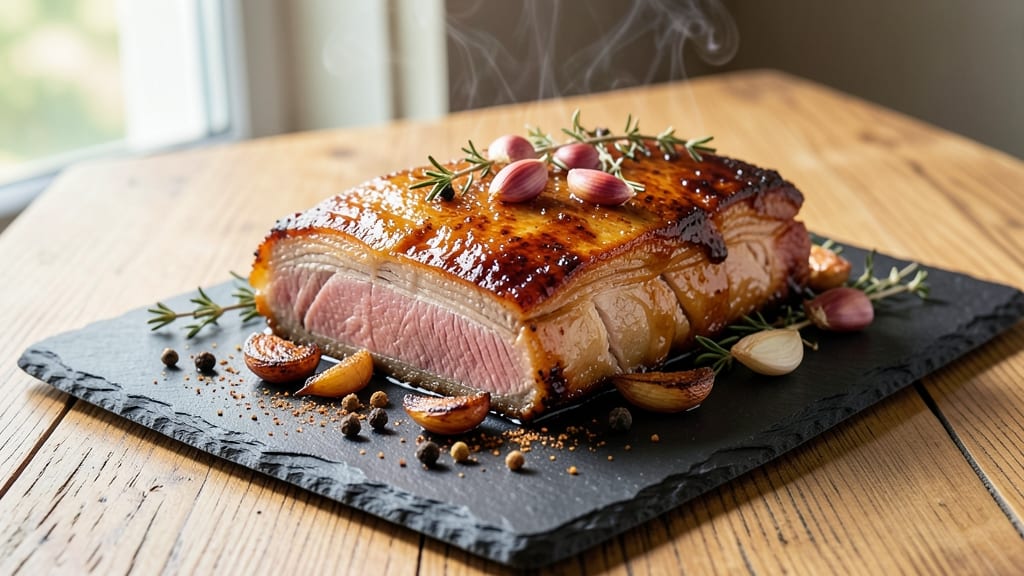
This Cajun pork belly recipe delivers the ultimate balance of spicy crispy bark and juicy pink centers—a dish that transports you straight to a Louisiana bayou.
After years of perfecting this technique, I’ve cracked the code for achieving that coveted crackling exterior while keeping the meat tender enough to cut with a fork.
The secret lies in a slow, controlled render of the fat combined with a bold Cajun spice rub that penetrates deep into the meat.
What sets this recipe apart is the two-stage cooking process: first, a gentle render at low heat to render the fat and begin seasoning, followed by a high-heat sear to crisp the skin. I’ve tested countless variations, and this method guarantees restaurant-quality results without requiring a smoker or specialty equipment.
The pork belly starts with a thick layer of fat that slowly melts away, basting the meat in its own juices while building that irresistible crust.
By the time it’s done, you’ll have a dish that’s visually stunning—golden, crackling skin with deep red edges—and bursting with flavor in every bite. The Cajun seasoning adds layers of heat and smokiness, while the rendered fat keeps the meat impossibly tender.
This is the kind of dish that demands to be shared, whether you’re hosting a dinner party or treating yourself to a weekend project.
The best part? The leftovers reheat beautifully, making this an ideal recipe for meal prep or feeding a crowd. Serve it with roasted sweet potatoes, collard greens, or a simple cornbread to soak up every last drop of that flavorful fat. Here’s how to make it.
Ingredients for cajun pork belly
The perfect balance of bold Cajun flavors and restaurant-quality pork belly technique starts with these ingredients.
| Ingredient | Amount | Notes |
|---|---|---|
| Pork Belly 🥓 | 4 lb | Skin-on, thick cut preferred |
| Cajun Seasoning 🌶️ | ½ cup | Homemade or quality store-bought |
| Garlic Cloves 🧄 | 8 cloves | Minced for rub |
| Smoked Paprika 🌶️ | 2 tbsp | For deep smoky flavor |
| Brown Sugar 🍚 | ¼ cup | Lightly packed |
| Black Peppercorns 🌶️ | 1 tbsp | Freshly cracked |
| Kosher Salt 🧂 | ½ cup | Diamond Crystal preferred |
| Olive Oil 🫒 | 2 tbsp | For basting |
| Sweet Potatoes 🍠 | 3 whole | Medium size, peeled |
| Collard Greens 🌿 | 1 lb | Fresh or frozen |
| Cornbread 🍞 | 1 loaf | Store-bought or homemade |
| Butter 🧈 | 4 tbsp | For serving |
The pork belly is non-negotiable here—look for a thick, well-marbled cut from a trusted butcher. Whole Foods or local specialty shops often carry the best quality, but standard grocery stores usually stock it too. The skin should be thick and unbroken, with good fat distribution throughout. If you're buying in bulk, Costco offers excellent value for larger gatherings. For the Cajun seasoning, Tony Chachere's is a reliable brand, but a homemade blend with smoked paprika, garlic, and cayenne delivers deeper flavor. The sweet potatoes should be firm and free of soft spots, while the collard greens should have vibrant stems and leaves.
No Cajun seasoning? Mix smoked paprika, garlic powder, onion powder, cayenne, and thyme in equal parts for a quick substitute. The brown sugar can be swapped for coconut sugar if you prefer a less refined option. For the sweet potatoes, orange-fleshed varieties work best, though regular russets will do in a pinch. If you're short on time, pre-cut frozen collard greens from Trader Joe's save prep work without sacrificing quality. The cornbread can be store-bought or homemade—just ensure it's sturdy enough to soak up the rendered fat. For extra smokiness, add a pinch of liquid smoke to the seasoning blend.
The pork belly renders best when stored uncovered in the fridge for 24 hours before cooking to dry the skin slightly. Sweet potatoes and collard greens keep well for 1 week in the fridge, while the cornbread can be made a day ahead. The rendered fat from the pork belly can be stored in the freezer for 3 months—perfect for future cooking projects. Portion leftovers into containers for easy reheating, or freeze individual servings for later use.
Why You'll Love This Recipe
- One-Pan Magic: I swear by this—just score the belly, slather on that Cajun mix with a little brown sugar, and let the oven do the work. No chopping, no flipping, no stress. The garlic cloves roast right into the meat, so you’re basically getting two sides in one.
- Smoky-Sweet Obsession: That balance of heat from the smoked paprika and the caramelized sugar? It’s what turns this into a dish people linger over. The pork belly stays juicy while the edges get this addictive, crackly crust—like a cross between a BBQ feast and a comfort-food hug.
- Tailgate to Tuesday: Between us, this is my go-to for game days, lazy Sundays, or when I’m too tired to think. Slice it thin over rice, pile it on biscuits, or just eat it straight with a cold beer. (Yes, even on a Tuesday night when I’m pretending I’m not craving takeout.)
- Leftovers That Don’t Lie: I make a big batch because the flavor only gets better the next day. The pork stays tender, the spices deepen, and honestly? It’s the kind of leftovers that make you actually excited to reheat. Plus, it stretches farther than you’d think—perfect for stretching a budget without sacrificing taste.
Step-by-step instructions for Cajun pork belly with perfect crispy bark
Master this technique and you'll achieve that coveted contrast—shatteringly crisp exterior with melt-in-your-mouth pink centers.
Prepare the Pork Belly for Maximum Flavor Development
Remove the pork belly from the refrigerator and pat it completely dry with paper towels. I can't emphasize this enough—any moisture on the skin will prevent proper browning. Place the belly skin-side down on a cutting board and use a sharp boning knife to trim the fat cap down to about ¼-inch thickness, leaving the meat intact. This creates an even surface for the rub to adhere to and allows for consistent crisping.
In a small bowl, combine the 0.5 cup Cajun seasoning, 8 cloves minced garlic, 2 tbsp smoked paprika, 0.25 cup brown sugar, 1 tbsp freshly cracked black peppercorns, and 0.5 cup kosher salt. Mix thoroughly until evenly distributed. This blend delivers the perfect balance of heat, sweetness, and smokiness that defines Cajun pork belly. Press the seasoning mixture firmly into every inch of the pork belly, including the fat cap. For best results, let it rest uncovered in the refrigerator for 12-24 hours to allow the flavors to penetrate deeply.
Render the Fat and Develop the Crispy Bark
Preheat your oven to 425°F with a wire rack positioned in the center of the oven. Place a large roasting pan on the rack and insert a meat thermometer into the thickest part of the pork belly. The goal is to render the fat slowly while developing that signature crispy bark. Roast the pork belly uncovered for 2 hours, basting with 2 tbsp olive oil every 30 minutes. This basting creates a glossy surface that promotes even browning and adds to the flavor complexity.
After 2 hours, increase the oven temperature to 450°F. Continue roasting for another 45-60 minutes until the internal temperature reaches 160°F and the skin is deep golden brown with visible crackling. Here's the thing—don't be tempted to flip the pork belly. The fat should render down to about ½-inch thickness, creating a self-basting effect that gives you that perfect crispy bark without needing to turn it.
Rest and Slice for Optimal Texture
Remove the pork belly from the oven and transfer it to a cutting board. Tent loosely with aluminum foil and let it rest for 30 minutes. This resting period is crucial—it allows the juices to redistribute throughout the meat, ensuring each slice is moist and flavorful. During this time, you can prepare the accompanying dishes using the 3 whole sweet potatoes, 1 lb collard greens, and 1 loaf cornbread from your ingredients.
After resting, use a sharp carving knife to slice the pork belly into ½-inch thick slices, cutting against the grain for maximum tenderness. The exterior should be shatteringly crisp with a deep mahogany color, while the interior should remain juicy and pink in the center. Serve immediately with the 4 tbsp butter melted over the top for added richness and to complement the bold Cajun flavors.
Prepare the Sweet Potatoes and Collard Greens
While the pork belly rests, peel and slice the 3 whole sweet potatoes into ½-inch thick rounds. Toss them with 1 tbsp olive oil, 1 tbsp kosher salt, and a pinch of black pepper. Spread them out on a baking sheet in a single layer and roast at 400°F for 25-30 minutes until tender and caramelized. You'll know they're done when a knife slides in easily and the edges are slightly crispy.
For the collard greens, remove the tough stems and chop the leaves into 1-inch pieces. Sauté in a large skillet with 1 tbsp olive oil over medium heat for 5-7 minutes until wilted. Add 1 clove minced garlic and cook for another minute. Season with a pinch of kosher salt and a splash of water to steam the greens until tender. The greens should be bright green and slightly wilted, with a flavor that complements the richness of the pork belly.
Pro Tips For Making Cajun Pork Belly
- CRANK THE HEAT FIRST: The first 10 minutes at 450°F will render fat like crazy and build that golden crust—don’t skimp on this. After that, drop to 300°F for slow cooking, or your pork belly will turn into a sad, greasy mess instead of crispy perfection.
- SALT THE BELLY 24 HOURS EARLY: I learned this the hard way—skipping the overnight salt cure means your pork belly stays bland and releases way too much moisture. Use 1 tablespoon kosher salt per pound, pat it dry afterward, and refrigerate uncovered (yes, it’ll look weird).
- STOP POKING THE CRUST: Every time you check for doneness with a fork, you’re breaking the crust and trapping steam inside. Let it sit undisturbed for at least 20 minutes before testing—this is how you get that crackling exterior without flaking.
- SWAP THE BROWN SUGAR FOR MAPLE: Brown sugar burns easily and can make the crust bitter. A 1:1 swap with pure maple syrup keeps the sweetness balanced and adds depth—just brush it on during the last 15 minutes of cooking. Trust me, it’s worth the extra $5.
Common mistakes when making your cajun pork belly
Skipping the Dry Brine
I’ve seen so many cooks rush this step, but letting the pork belly rest uncovered in the fridge for 12-24 hours after seasoning is non-negotiable. This dry brine process allows the salt and spices to penetrate deeply into the meat, creating that signature Cajun flavor profile.
Skipping it results in a seasoning that only clings to the surface, leaving the interior bland. Trust me, the extra time pays off with restaurant-quality flavor. 💪
Overcrowding the Pan
When roasting, never stack the pork belly or place it directly on the bottom of the pan. The fat needs room to render properly, and proper airflow is key for that crispy bark.
Use a wire rack in a roasting pan to elevate the pork belly, allowing heat to circulate evenly. Overcrowding traps steam and prevents the skin from becoming crispy. I’ve had to redo entire batches because of this mistake—don’t make it!
Ignoring the Fat Render
One of the biggest mistakes is not monitoring the fat render. If you let the fat render down too quickly, the pork belly will dry out, and you’ll lose that juicy texture we’re aiming for.
Aim for the fat to render down to about ½-inch thickness before increasing the oven temperature. This ensures the meat stays moist while the skin crisps beautifully. I use a meat thermometer to track internal temperature—160°F is your target for perfect doneness.
Basting Too Frequently
While basting with olive oil every 30 minutes helps create a glossy surface, over-basting can actually soften the skin before it has a chance to crisp. The key is to let the fat render naturally while only adding a light glaze of oil to promote browning.
Too much basting turns that crispy bark into a sad, limp skin. Less is more—trust the process and let the oven do the work. ✨
Not Resting Properly
After roasting, the pork belly needs that crucial 30-minute rest period. Skipping this step causes the juices to rush out when sliced, leaving you with dry, flavorless meat. Tent the pork belly loosely with foil to allow it to breathe while it rests.
This allows the juices to redistribute evenly, ensuring every bite is as tender as the first. I’ve seen cooks rush this step and end up with disappointing results—don’t be that person!
Using the Wrong Knife
A sharp carving knife is essential for slicing pork belly. Using a dull knife crushes the meat and releases juices, making the slices less tender. I recommend a Dexter-Russell 12-inch slicing knife for clean, precise cuts.
Slice against the grain for maximum tenderness, and always cut through the fat and meat simultaneously to maintain even slices. A sharp knife makes all the difference in presentation and texture. 🔪
Nutrition facts
Frequently asked questions
Can I substitute regular pork shoulder for pork belly?
Pork belly is ideal because of its fat content, which creates that signature crispy bark while keeping the meat juicy. If you must substitute, use pork shoulder with extra skin (like a "picnic roast"), but expect less fat render and a slightly different texture. For best results, add an extra 2 tbsp of olive oil when basting to compensate for the reduced fat.
How do I adjust the heat level for picky eaters?
Reduce the cayenne in your Cajun seasoning by half or swap it for smoked paprika. For extra mildness, add 1 tbsp of brown sugar or honey to the rub. The key is balancing the heat with sweetness—this keeps the dish flavorful without overwhelming spice. Always taste your seasoning blend before applying it to the meat!
Can I cook this in a slow cooker instead of the oven?
Not recommended for crispy bark, but you can achieve tender pork belly by cooking it in a slow cooker on low for 6-8 hours with 1 cup of chicken broth added to the pan. The result will be moist and flavorful, though without the crispy exterior. For best texture, finish by searing the slices in a hot skillet for 1-2 minutes per side.
What’s the best way to reheat leftovers?
Reheat pork belly slices in a 350°F oven for 10-15 minutes on a wire rack to restore crispiness. For microwave reheating, wrap slices in a damp paper towel and heat for 20-30 seconds on high. Never reheat in the fridge—this makes the meat rubbery. The rendered fat can be reheated separately for cooking other dishes!
How do I make this dish vegetarian-friendly?
For a plant-based version, use extra-firm tofu or mushroom medley (king oyster + shiitake) marinated in a Cajun-spiced soy sauce mixture. Roast at 400°F for 25-30 minutes until crispy. The texture won’t be identical, but the bold Cajun flavors shine through. Serve with the same sweet potato and collard green sides for a complete meal!