
Salads
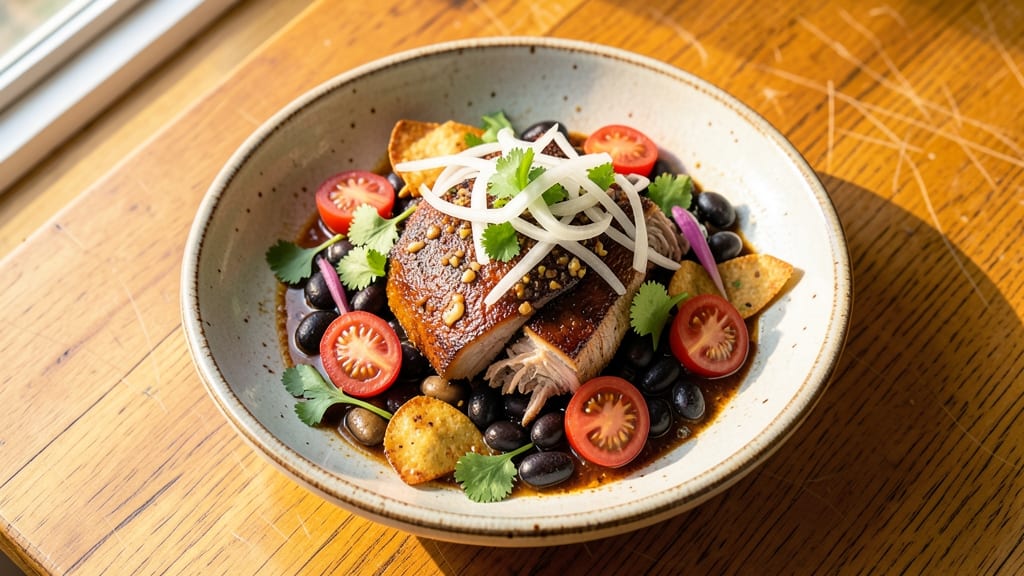
This Café Rio pork barbacoa salad brings the iconic Mexican restaurant's signature flavors straight to your kitchen table. 🌟 The secret lies in slow-cooked pork shoulder tenderized with achiote, garlic, and oregano, then shredded to perfection—just like the original.
What sets this dish apart is the creamy avocado-lime dressing that transforms simple greens into something truly special.
The recipe starts with a traditional pork preparation that takes about 3 hours of hands-off cooking time, allowing the meat to become fall-apart tender while absorbing rich, smoky flavors.
Once the pork is ready, it's combined with crisp cabbage, fresh cilantro, and crunchy tortilla strips for that signature Café Rio texture. The avocado-lime dressing adds a velvety contrast that makes every bite unforgettable.
What you'll end up with is a restaurant-quality salad that's perfect for lunch or dinner—packed with tender pork, vibrant vegetables, and a dressing so good you'll want to drizzle it everywhere. The combination of textures and flavors creates a dish that's both satisfying and refreshing, exactly as Café Rio intended.
This recipe maintains the authenticity of the original while making it accessible for home cooks. The slow-cooked pork method ensures maximum flavor, and the fresh salad components come together quickly once the meat is ready.
Serve with warm tortillas or as a standalone meal for a taste of Mexico that feels like a homecoming.
Ingredients for cafe rio pork barbacoa salad
Sixteen ingredients for a restaurant-style salad with smoky pork, creamy avocado dressing, and crispy tortilla strips.
| Ingredient | Amount | Notes |
|---|---|---|
| Pork Shoulder (Bone-In) 🥩 | 3 lb | Cut into 2-inch chunks |
| Achiote Paste 🌶️ | 2 tbsp | For authentic smoky color |
| Garlic Cloves 🧄 | 8 cloves | Peeled, smashed for infusion |
| Dried Oregano 🌿 | 1 tbsp | Mexican oregano preferred |
| Bay Leaves 🍃 | 2 whole | For aromatic depth |
| Beef Broth 💧 | 2 cups | Low-sodium preferred |
| Green Cabbage 🥬 | 1 small head | Shredded, outer leaves removed |
| Fresh Cilantro 🌿 | ½ cup | Chopped, stems included |
| Avocados 🥑 | 2 ripe | Pitted, peeled, for dressing |
| Lime Juice 🍋 | ½ cup | Freshly squeezed |
| Cream Cheese 🧀 | 8 oz | Full-fat for creaminess |
| Corn Tortillas 🌯 | 6 whole | Baked until crispy |
| Olive Oil 🫒 | ¼ cup | Extra-virgin for richness |
| Salt 🧂 | 1 ½ tsp | Kosher or sea salt |
| Black Pepper 🌶️ | ½ tsp | Freshly ground preferred |
The pork shoulder is the foundation—bone-in for flavor, cut into even chunks for consistent cooking. Costco or Trader Joe's often carry pre-cut pork shoulders, but if buying whole, ask the butcher to trim excess fat. Achiote paste gives that signature Café Rio color—Penzeys sells it in tubes, or find it in Latin markets. The beef broth should be low-sodium; Pacific Foods or Swanson brands work well. For the cabbage, look for heads with crisp outer leaves—green or red both work, but green holds up better after shredding.
No achiote paste? Smoked paprika at double the amount mimics the color, though flavor will differ slightly. Fresh cilantro is ideal, but dried oregano at half the quantity works in a pinch. The avocados should be ripe but firm—Hass variety is standard. For the tortillas, Mission or La Tortilla Factory brands bake up perfectly crisp. The dressing requires full-fat cream cheese for that velvety texture—Philadelphia or Kite Hill (vegan option) both work. If you're short on time, pre-shredded cabbage saves chopping, though it loses some crunch.
Pork keeps 3 days in the fridge once cooked—portion into containers for easy lunches. The avocado dressing should be made fresh; store the dressing components separately and combine just before serving to prevent browning. Tortilla strips crisp up again when reheated—30 seconds in a dry skillet revives them perfectly. For leftovers, store all components separately and assemble when ready to eat to maintain texture contrast.
Why You'll Love This Recipe
- One-Pot Magic: I swear by this—just toss the pork shoulder with achiote paste, garlic, and oregano, then let it slow-cook until it falls apart. No chopping, no fuss, and the bone-in keeps it juicy without extra work.
- Smoky Depth Bomb: That achiote paste? It’s the secret weapon—earthy, slightly sweet, and packed with flavor. The bay leaves add a whisper of herbal complexity, while the garlic and oregano turn this into a rich, savory hug in every bite.
- Budget Meal, Big Impact: Bone-in pork shoulder is cheap, and a little goes a long way. You’re getting a full meal’s worth of protein for pennies, plus the achiote and herbs stretch the flavor so it feels like a restaurant dish without the price tag.
Step-by-step instructions for café Rio pork barbacoa salad
Transform tender pork shoulder into rich barbacoa, then assemble with vibrant toppings for a restaurant-worthy salad.
🔥 Step 1: Sear and Slow-Cook the Pork Shoulder
Heat 0.25 cup olive oil in a Dutch oven over medium-high heat. Add the 3 lb pork shoulder cut into 2-inch chunks, searing on all sides until deeply browned—about 5-7 minutes. This step builds flavor through the Maillard reaction.
Remove the pork and set aside. In the same pot, add 2 tbsp achiote paste, 8 smashed garlic cloves, 1 tbsp dried oregano, and 2 bay leaves. Cook for 1 minute until fragrant. Pour in 2 cups beef broth, scraping up browned bits from the bottom. Return the pork to the pot, cover, and transfer to a 300°F oven.
Cook for 3-4 hours until the pork is fork-tender and easily pulls apart. The meat should have a deep red color and rich aroma. If the liquid reduces too much, add ¼ cup water during cooking to keep it moist.
🍳 Step 2: Prepare the Creamy Avocado-Lime Dressing
While the pork cooks, combine 8 oz cream cheese, 0.5 cup lime juice, 0.5 cup chopped fresh cilantro, 1.5 tsp salt, and 0.5 tsp black pepper in a food processor. Process until smooth, then add 2 ripe avocados and pulse until creamy but slightly textured.
Transfer to a bowl and cover with plastic wrap pressed directly on the surface to prevent browning. This dressing should be thick enough to cling to the salad but still spreadable—adjust consistency with 1-2 tbsp lime juice if needed. The avocado adds healthy fats that balance the richness of the pork.
🥘 Step 3: Assemble the Barbacoa Salad
Shred the cooked pork shoulder using two forks, removing any large fat chunks or cartilage. In a large bowl, combine the shredded pork with 1 small head shredded green cabbage (about 8 cups shredded). Toss gently to distribute the cabbage evenly—this adds crunch and freshness to contrast the tender pork.
Divide the salad among 6 plates, then top each serving with about 2 tablespoons of the avocado-lime dressing. The creamy texture should coat the pork and cabbage without overwhelming them. Sprinkle with additional chopped cilantro and a pinch of salt to enhance flavor.
🔥 Step 4: Add Crispy Tortilla Strips
Cut the 6 corn tortillas into ¼-inch strips. Heat 2 tablespoons olive oil in a skillet over medium heat until shimmering. Add the tortilla strips in a single layer and fry for 2-3 minutes, stirring occasionally, until golden brown and crispy.
Drain on paper towels to remove excess oil. Immediately distribute the crispy strips over each salad. The tortillas add a satisfying crunch that cuts through the creamy dressing and tender pork. Serve while the tortillas are still crisp—this is the moment that matters for texture contrast.
⏰ Step 5: Rest and Serve with Fresh Lime
Let the assembled salad rest for 5 minutes before serving. This allows the flavors to meld and the dressing to slightly soften the cabbage. The pork should be warm but not hot, and the tortilla strips should maintain their crispness.
Garnish each plate with a wedge of lime for squeezing over the top. The acidity brightens the dish and balances the richness of the pork and cream cheese. Serve immediately with warm tortillas on the side for scooping up any leftover dressing.
Pro Tips For Making Cafe Rio Pork Barbacoa Salad
- Trim the Fat First: Cut away the thick fat cap from the pork shoulder before cooking—it’s not just about looks. That layer can turn greasy and unappetizing, especially when slow-cooked with achiote, which already adds richness. I learned this the hard way when my first batch looked like a greasy mess instead of tender, flavorful barbacoa.
- Toast the Achiote: Heat the achiote paste in a dry skillet for 30 seconds before mixing it with the pork—it deepens the color and intensifies the flavor. Sounds weird, but it works: the paste won’t just cling to the meat; it’ll actually caramelize slightly, giving your salad that signature Rio-style depth.
- Don’t Crowd the Pot: If you’re braising or slow-cooking, give the pork shoulder room to breathe—at least an inch of space around it. I used to pack it in tight, and the meat would steam instead of render, leaving it soggy. Loose layers = better browning, better flavor.
- Shred When Cool: Wait 10 minutes after cooking before shredding—hot meat tears apart unevenly and turns mushy. Let it rest under foil, then pull it apart with two forks. Your salad will have clean, fork-tender strands instead of a gluey disaster. (Yes, even if you’re impatient like me.)
Troubleshooting this recipe
Pork Too Tough
If your pork shoulder turns out tough instead of tender, it likely didn't cook long enough or the oven temperature fluctuated. I've found that maintaining a steady 300°F is critical—use an oven thermometer to verify.
For extra insurance, add 1 cup extra beef broth halfway through cooking to create a moist environment. Remember, pork shoulder needs 3-4 hours minimum to become fork-tender. 💡
Dressing Too Thin
The avocado-lime dressing can become too thin if the avocados are overripe or if you add too much lime juice. I recommend using Hass avocados that are ripe but firm for the best texture.
If the dressing separates, blend again briefly with 1 tablespoon cream cheese to restore its velvety consistency. For a thicker dressing, reduce the lime juice to ¼ cup and add 1 tablespoon sour cream for stability.
Tortillas Not Crispy
Corn tortillas lose their crispness if fried at too low a temperature or if they're stacked while cooking. Heat your oil to 350°F and fry the strips in a single layer—don't overcrowd the pan.
I like to use a wire mesh skimmer to remove them quickly and drain on paper towels. For extra crunch, sprinkle with ½ teaspoon salt while frying. If they soften after sitting, reheat in a dry skillet for 30 seconds before serving.
Pork Too Dry
Slow-cooked pork can dry out if the cooking liquid evaporates completely. To prevent this, I always add ¼ cup water every 45 minutes during the cooking process. Another trick is to tent the Dutch oven with aluminum foil during the last 30 minutes of cooking to trap moisture.
If your pork does turn out dry, shred it and mix with 2 tablespoons of the avocado-lime dressing to restore juiciness before assembling the salad.
Cabbage Too Soft
Shredded cabbage can become limp if it sits too long before serving. To maintain crispness, store the shredded cabbage in a sealed container with a paper towel to absorb excess moisture. When assembling the salad, add the cabbage just before serving.
For extra crunch, chill the cabbage in the refrigerator for 15 minutes before adding it to the salad—this helps preserve its texture. If your cabbage does soften, toss it with 1 teaspoon lime juice to refresh it.
Flavor Too Mild
If your barbacoa salad lacks depth, the pork might not have absorbed enough flavor during cooking. Boost the seasoning by adding 1 teaspoon ground cumin and ½ teaspoon smoked paprika to the achiote paste mixture.
For extra richness, deglaze the Dutch oven with 2 tablespoons beer (like Modelo Especial) after removing the pork. The beer adds a subtle maltiness that complements the pork beautifully. Taste the pork before shredding and adjust with salt or lime juice as needed.
Nutrition facts
Frequently asked questions about café Rio pork barbacoa salad
Can I substitute achiote paste in this recipe?
Yes! If you can't find achiote paste, use 4 teaspoons smoked paprika instead for color and flavor. For even more depth, add ½ teaspoon ground cumin to mimic the earthy notes of achiote. The dish will still taste delicious—just slightly different in color and complexity.
How far ahead can I prepare the salad components?
You can prep everything 1 day ahead! Cook and shred the pork, make the dressing (store components separately), and shred the cabbage. Keep them refrigerated in airtight containers. Assemble just before serving to maintain crispness—especially the tortilla strips, which should be fried fresh.
What's the secret to getting the pork perfectly tender?
Low-and-slow cooking is key! Maintain a steady 300°F oven temperature and cook for 3-4 hours until the pork falls apart easily. Use a meat thermometer—it's done when it reaches 195°F internally. Don't skip the sear first, as this builds deep flavor through the Maillard reaction.
Can I make this salad without cream cheese?
For a lighter version, blend 8 oz Greek yogurt with ¼ cup lime juice, ½ cup avocado, and 1 tbsp sour cream instead. The dressing will be tangier but still creamy. If you prefer a vegan option, use 8 oz silken tofu blended with the same lime and avocado components.
What's the best way to store leftovers?
Store components separately to maintain texture: pork in one container, cabbage in another, and dressing in a sealed jar. Keep everything refrigerated for up to 3 days. When reheating, warm the pork gently in a skillet with 1 tbsp broth, then reassemble with fresh tortilla strips fried just before serving.