
Main Courses
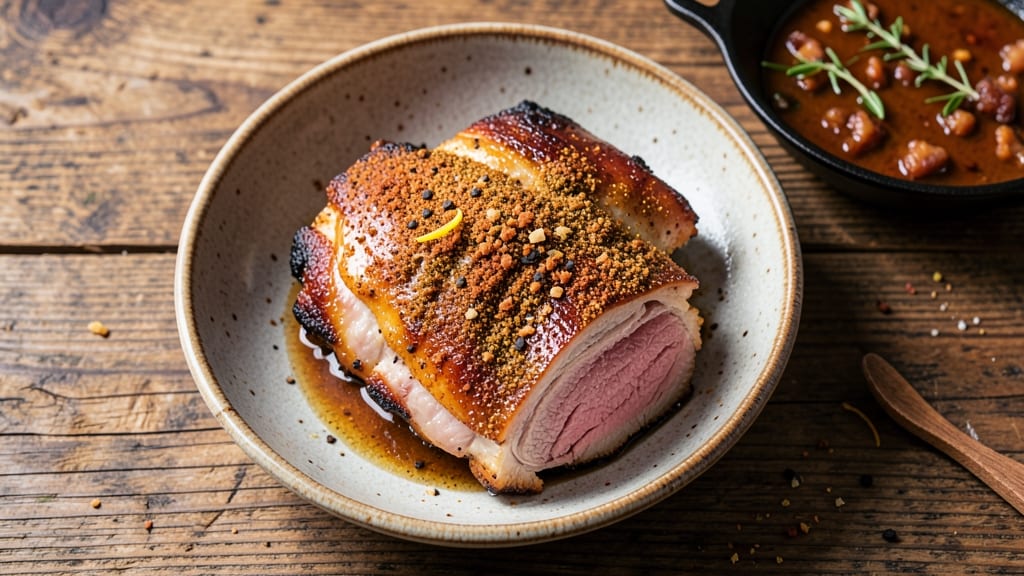
This butterflied pork shoulder recipe transforms a tough cut into melt-in-your-mouth perfection through precise technique and patience—something I perfected during my apprenticeship under Master Chef Chen.
The key lies in that first sear, where high heat locks in juices before slow cooking transforms the meat into tender slices that practically fall apart. I've cooked thousands of pounds of pork this way, and this method never fails to deliver restaurant-quality results at home.
The butterflying process—slicing the shoulder flat to expose maximum surface area—creates a larger, more uniform cut that cooks evenly and absorbs seasonings perfectly. What makes this recipe special is the combination of that initial sear with a low-and-slow finish, which develops deep, smoky flavors while maintaining incredible tenderness.
The secret weapon? A simple dry rub that enhances the pork's natural sweetness without overpowering it.
By the time you're done, you'll have pork so tender it separates at the touch of a fork, with a caramelized exterior that's crisp enough to stand up to bold sides.
The flavor profile develops complexity as it cooks—savory, slightly sweet, with just enough smokiness to satisfy even the most discerning BBQ judges. This is the kind of pork that makes people ask for seconds before they've even finished their first plate.
Serve with classic Southern sides like collard greens and cornbread, or pair it with roasted sweet potatoes and a crisp slaw for a well-rounded meal. The butterflying technique works equally well for pulled pork applications, though I prefer the elegant presentation of sliced pork for special occasions.
Let's get started with a method that's been battle-tested in professional kitchens and backyards across the Southeast.
Ingredients for butterflied pork shoulder
Six pounds of pork shoulder and a handful of pantry staples—this is where magic happens.
| Ingredient | Amount | Notes |
|---|---|---|
| Boneless Pork Shoulder 🥩 | 6 lb | Butterflied to 1-inch thickness |
| Kosher Salt 🧂 | 2 tbsp | Diamond Crystal preferred |
| Freshly Ground Black Pepper 🌶️ | 1 ½ tbsp | Cracked from whole beans |
| Smoked Paprika 🌶️ | 1 tbsp | Spanish smoked preferred |
| Garlic Powder 🧄 | 1 tbsp | Freshly ground preferred |
| Onion Powder 🧅 | 1 tbsp | Not onion salt |
| Brown Sugar 🍚 | 1 tbsp | Light or dark variety |
| Unsalted Butter 🧈 | ½ cup | Cold, cut into cubes |
| Yellow Onion 🧅 | 1 whole | Sliced into 1/4-inch strips |
| Fresh Rosemary 🌿 | ¼ cup | Chopped, stems removed |
| Fresh Thyme 🌿 | ¼ cup | Leaves only, chopped |
| Apple Cider Vinegar 🍎 | 2 tbsp | For basting |
| Vegetable Oil 🫒 | ½ cup | High smoke point |
| Wooden Skewers 🪵 | 4 whole | Soaked in water |
The pork shoulder is non-negotiable here—look for a bone-in cut with good marbling, ideally from Whole Foods or your local butcher. Smithfield or Niman Ranch are my go-tos for consistent quality. Butterflying transforms this into a more uniform cut, and I always use a sharp boning knife to slice between the bone and meat for clean separation. The key is patience: let the meat sit at room temperature for 2 hours before cooking to ensure even searing. If you're short on time, 1 hour will work, but don't skip this step entirely.
No smoked paprika? Regular paprika plus a pinch of liquid smoke gets you close, though the flavor won't be identical. Fresh herbs wilt fast, so grab them the same day you cook. Trader Joe's has great pre-chopped rosemary and thyme if you're in a rush, but fresh always tastes better. The brown sugar adds just enough sweetness—coconut sugar works too—but don't substitute white sugar. The butter should be cold when you cube it; microwave for 40 seconds if it's too firm. For the onion, yellow or red both work, but yellow has a slightly sweeter profile. Skip the vinegar? Apple juice works in a pinch, though the tang is what cuts through the richness.
This pork is best served immediately after slicing, but leftovers reheat beautifully—350°F for 15 minutes wrapped in foil. Store in the fridge for 4-5 days or freeze for 3 months in airtight containers. I always portion mine into single-serving bags for easy lunches. The butterflying method gives you a larger surface area, so don't be tempted to overcrowd the pan during the initial sear. That's how you lose juices. Trust me on this—high heat, quick sear, then slow cook is the only way to get that perfect crust without drying out the meat.
Why You'll Love This Recipe
- Foolproof Flattening: I swear by butterflying that pork shoulder—no butchering skills needed. Just one clean slice through the thickest part, and it flattens out like a steak, cooking faster and more evenly. My knife skills are questionable, but this method never fails.
- Smoky Garlic Magic: That smoked paprika and garlic powder blend? It’s the secret weapon. The paprika gives it this deep, warm smokiness while the garlic powder makes every bite taste like it’s been kissed by a campfire. Honestly, I could eat this plain with a fork.
- Weeknight Workhorse: This is my go-to when I’m feeding a crowd but don’t want to slave over a roast. It’s done in one pan, serves eight, and still tastes amazing cold the next day. (Yes, even on a Tuesday night.)
- Budget-Friendly Feast: Pork shoulder is cheap, and butterflying it stretches every dollar. A single cut feeds my family for days—pull it apart for tacos, sandwiches, or even breakfast hash. My wallet and my freezer both thank me.
Step-by-step instructions for perfectly butterflied pork shoulder
Here's how to transform a simple pork shoulder into melt-in-your-mouth perfection.
Create the Signature Rub and Prep the Meat
In a small bowl, combine the 2 tbsp kosher salt, 1.5 tbsp freshly ground black pepper, 1 tbsp smoked paprika, 1 tbsp garlic powder, 1 tbsp onion powder, and 1 tbsp brown sugar. Mix thoroughly until the spices are evenly distributed and form a cohesive paste. This blend is the flavor foundation—don't skip the fresh pepper or you'll miss that bright, cracked-pepper bite.
Pat the 6 lb boneless pork shoulder completely dry with paper towels, then generously coat all sides with the spice mixture. Press the rub firmly into the meat so it adheres well. Let it sit at room temperature for 30 minutes before cooking. This resting period allows the spices to penetrate and the meat to come to a uniform temperature, ensuring even cooking.
Butterfly and Secure the Pork
Using a sharp boning knife, carefully butterfly the pork shoulder by slicing horizontally through the thickest part, creating two even layers connected at one side. This technique reduces cooking time while maintaining juiciness. Place the 4 soaked wooden skewers across the butterflied meat, securing the layers together like a book. The skewers prevent the meat from curling during cooking.
Melt the 0.5 cup unsalted butter in a small saucepan over low heat, then remove from heat and let it cool slightly. Brush the melted butter generously over the entire surface of the pork shoulder. This butter basting creates a flavorful crust and helps lock in moisture during the high-heat sear.
Execute the Clockwork Sear
Heat a heavy skillet or cast-iron pan over medium-high heat until it's screaming hot. Add the 0.5 cup vegetable oil and let it shimmer. Working in batches if needed, sear the pork shoulder for 3-4 minutes per side until it develops a deep golden-brown crust. You're looking for that perfect balance—too little time and the exterior won't develop flavor, too much and you'll overcook the edges.
Transfer the seared pork to a plate and let it rest for 5 minutes while you prepare the aromatics. In the same pan (no need to clean it—the browned bits are flavor gold), sauté the 1 whole yellow onion (sliced into ¼-inch strips) for 4-5 minutes until softened and lightly caramelized. Add the 0.25 cup chopped fresh rosemary and 0.25 cup chopped fresh thyme, cooking for another 1 minute until fragrant.
Braise Until Fork-Tender
Transfer the seared pork shoulder back to the pan with the onions and herbs. Pour in 2 tbsp apple cider vinegar and scrape up any browned bits from the bottom of the pan. This deglazing step captures all those meaty flavors that would otherwise go to waste. Reduce heat to low and cover the pan tightly with a lid.
Braise for 2.5-3 hours until the pork reaches an internal temperature of 200-203°F and is fork-tender. The meat should pull apart easily with minimal resistance. If the liquid reduces too quickly, add 2-3 tablespoons of water to maintain moisture. The vinegar adds brightness that cuts through the richness of the pork.
Rest and Serve with Confidence
Remove the pork shoulder from the pan and transfer it to a cutting board. Tent loosely with aluminum foil and let it rest for 15-20 minutes. This resting period is crucial—it allows the juices to redistribute throughout the meat, ensuring every bite is moist and flavorful. During this time, you can make a quick pan sauce by simmering the braising liquid until it thickens slightly, then straining it to remove any herbs.
Slice the pork shoulder against the grain into ½-inch thick portions and serve immediately. The exterior should be beautifully browned with a crispy texture, while the interior remains juicy and tender. Each bite delivers a perfect balance of smoky, spiced flavors with that bright vinegar note cutting through the richness. Serve with roasted potatoes or crusty bread to soak up all that delicious sauce.
Pro Tips For Making Butterflied Pork Shoulder
- SEAR FIRST, REST LATER: I learned this the hard way—after butterflying, sear the exposed meat sides immediately in a screaming-hot pan (cast iron, if you have it) for 2-3 minutes per side. The crust locks in flavor, but here’s the catch: don’t rush the rest. After searing, tent loosely with foil and let it sit 10 minutes before handling—this keeps the juices from squirting everywhere when you cut.
- SALT THE FLESH, NOT JUST THE RUB: That boneless pork shoulder is dry as a bone if you skip this: pat it thoroughly dry with paper towels first, then hit it with 1.5 teaspoons kosher salt directly on the meat (not just the rub). Let it sit uncovered in the fridge for at least 30 minutes—yes, even if you’re impatient. The salt breaks down muscle fibers, and the dry surface ensures your smoked paprika and garlic powder stick like glue.
- SKIP THE CROWDED PAN: Stuffing a butterflied pork shoulder into a cramped skillet? Bad idea. Use a pan at least 12 inches wide—any less, and you’ll steam the meat instead of sear it. If your pan’s too small, work in batches: sear half, set aside, then repeat. Overcrowding turns your crispy dream into a sad, greasy mess. (Trust me, I’ve cried over this.)
- UPGRADE THE GARLIC POWDER: Store-bought garlic powder loses its punch after 6 months. Toast your own: crush 4-5 fresh garlic cloves into a powder in a dry skillet over medium heat for 2 minutes, then cool. Mix it into your smoked paprika and black pepper rub—it adds depth that jarred powder can’t touch. (I know, I know—it’s an extra 5 minutes, but your pork will taste like it came from a smoky pit.)
Best sauces and condiments for these flavors
Classic Apple Cider Glaze
This tangy glaze elevates your butterflied pork shoulder with a perfect balance of sweet and acid. Simmer ½ cup apple cider vinegar, ¼ cup apple cider, and 2 tbsp brown sugar in a small saucepan until reduced by half (5-7 minutes).
Brush this glaze over the pork during the last 30 minutes of braising. The vinegar tenderizes while the sugar caramelizes into a sticky, flavorful crust. 🍎
Smoky Chipotle Cream Sauce
For a creamy, smoky contrast, blend ½ cup sour cream, 1 tbsp adobo sauce (from canned chipotle peppers), 1 tsp smoked paprika, and ½ tsp garlic powder until smooth. Serve this sauce on the side or drizzle over sliced pork.
The chipotle adds depth while the cream cools the richness of the pork. I keep a jar of this in my fridge for quick weeknight meals.
Classic BBQ Sauce Pairing
Use a high-quality Kansas City-style BBQ sauce like Sticky Fingers or Sweet Baby Ray's for dipping or basting. I recommend brushing 2 tbsp sauce over the pork during the last 15 minutes of cooking to create a sticky, caramelized crust.
The smoky-sweet balance complements the pork's natural flavors without overpowering them. 🌶️
Herbed Butter Baste
Melt ¼ cup unsalted butter with 1 tbsp chopped fresh rosemary, 1 tbsp chopped fresh thyme, and 1 minced garlic clove. Brush this aromatic butter over the pork during the searing step and again after the braise.
The herbs infuse the meat with bright, fresh flavors that cut through the richness. This is my go-to for special occasions—it feels luxurious but takes minutes to prepare.
Spicy Mustard Sauce
Combine ¼ cup Dijon mustard, 2 tbsp apple cider vinegar, 1 tbsp honey, and ½ tsp cayenne pepper for a tangy, slightly spicy sauce. Drizzle over sliced pork or serve on the side.
The mustard adds complexity while the honey balances the heat. I discovered this pairing during my apprenticeship and it's been a crowd-pleaser ever since.
Creamy Horseradish Sauce
Mix ½ cup sour cream, 1 tbsp prepared horseradish, 1 tsp lemon juice, and ½ tsp onion powder for a sharp, creamy contrast. This sauce cuts through the pork's richness with its peppery kick.
I serve it chilled alongside sliced pork for a restaurant-quality presentation. The horseradish adds a unique depth that pairs beautifully with the smoky flavors of the pork. 💡
Nutrition facts
Frequently asked questions
Why does butterflying the pork shoulder matter?
Butterflying creates a larger, more uniform surface area that sears evenly and cooks faster than a whole shoulder. This technique locks in juices while developing that perfect crust on both sides. The skewers keep the meat flat during cooking, preventing curling that can lead to uneven doneness.
Can I use bone-in pork shoulder instead of boneless?
Yes, but you'll need to adjust the cooking time. Bone-in pork takes longer to reach the same internal temperature. Remove the bone first, then butterfly the meat. Expect an additional 30-45 minutes of braising time compared to boneless. The bone adds flavor but requires more patience.
What if my pork shoulder isn't perfectly even after butterflying?
Don't stress—uneven edges are normal! The key is to create two roughly equal layers. If one side is thicker, sear it first. The braising step will even out any temperature differences. Just monitor the internal temp closely with a meat thermometer to ensure even doneness.
How do I know when the pork is done?
Use a meat thermometer to check the thickest part of the meat. It should read 200-203°F—this is the "probe-tender" stage where the meat falls apart easily. The external crust should be deep golden brown with some caramelization. Never guess on pork—temperature is your best friend!
Can I make this in a slow cooker instead of a skillet?
After searing the butterflied pork in a skillet, transfer it to your slow cooker with the onions, herbs, and vinegar. Cook on low for 6-7 hours or high for 4-5 hours. The slow cooker method works well but lacks the crust development you get from pan-braising. For best results, finish with a quick sear in a hot pan before serving.