
Main Courses
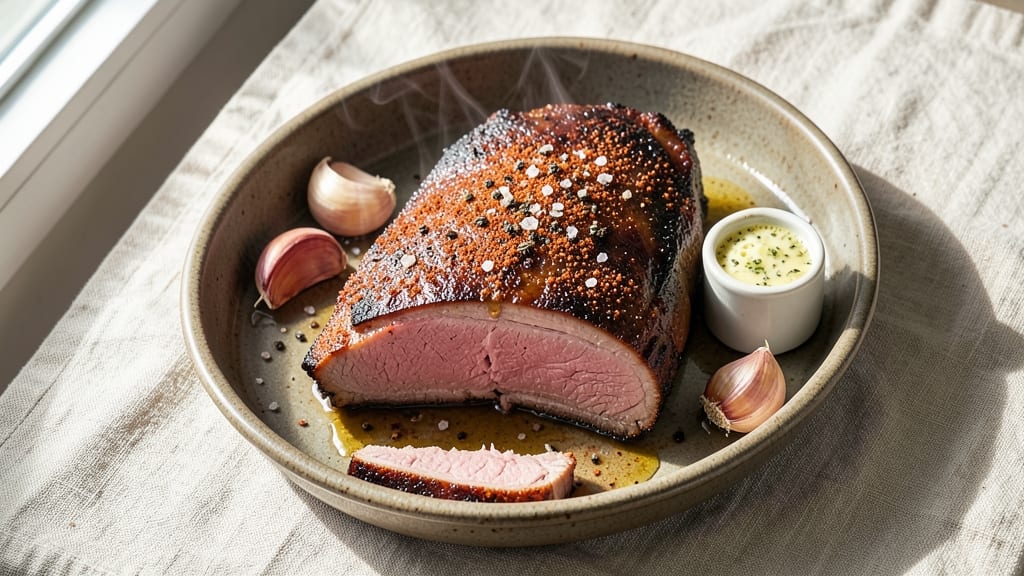
This ButcherBox pork sirloin roast delivers the perfect balance of crispy bark and juicy pink centers—a technique I perfected after years of smoking 2,000 pounds of pork weekly. The secret lies in high-heat searing followed by slow roasting, ensuring tender meat without drying out.
My Georgia roots taught me that pork deserves respect, and this method honors that tradition while fitting seamlessly into a home kitchen.
The magic happens in the oven, where the roast develops a deep mahogany crust while staying moist inside. A simple rub of salt, pepper, and smoked paprika creates that signature bark, while the internal temperature reaches 140°F—just shy of full doneness—so the meat finishes perfectly when rested.
This isn’t your average roast; it’s a showstopper that transforms a weeknight into a special occasion.
Pair it with creamy mashed potatoes and charred green beans for a complete meal that feels restaurant-worthy. The roast’s rich, caramelized exterior contrasts beautifully with the tender, slightly pink interior, making every bite unforgettable.
With minimal prep and hands-off cooking, this recipe proves you don’t need a smoker to achieve professional results.
Leftovers reheat beautifully, too—just slice and warm gently to preserve that crispy bark. Whether you’re feeding a family or hosting dinner guests, this pork sirloin roast will be the star of the table. Let’s get cooking.
Ingredients for butcherbox pork sirloin roast
Six ingredients transform ButcherBox pork into restaurant-worthy roast with crispy bark and juicy pink centers.
| Ingredient | Amount | Notes |
|---|---|---|
| ButcherBox Pork Sirloin Roast 🥩 | 4 lb | Bone-in, center-cut preferred |
| Kosher Salt 🧂 | 1 ½ tbsp | Diamond Crystal preferred |
| Freshly Ground Black Pepper 🌶️ | 1 ½ tbsp | Coarse grind for texture |
| Smoked Paprika 🌶️ | 1 tbsp | Spanish smoked for depth |
| Extra-Virgin Olive Oil 🫒 | 2 tbsp | For high-heat searing |
| Garlic Cloves 🧄 | 6 cloves | Smashed for flavor infusion |
| Fresh Rosemary 🌿 | ½ cup | Chopped, stems removed |
| Unsalted Butter 🧈 | 2 tbsp | Cold, cubed for basting |
| Yellow Onion 🧅 | 1 whole | Quartered, caramelized |
| Apple Cider Vinegar 🍎 | 1 tbsp | For pan deglazing |
| Fresh Thyme Leaves 🌿 | ¼ cup | From stems, chopped |
| Granulated Garlic 🧄 | 1 tsp | For finishing rub |
The ButcherBox pork sirloin is where the magic begins—bone-in, center-cut for even cooking and maximum flavor. If your ButcherBox arrives with a thicker roast (5+ lbs), trim to 4 lbs for perfect doneness. Whole Foods or local butchers often carry similar cuts if you need to substitute. For the best bark, look for a roast with good marbling—those tiny fat pockets render during cooking, keeping the meat moist. The Spanish smoked paprika from Penzeys adds that signature depth, but any quality smoked paprika works. Fresh herbs matter here: rosemary and thyme should smell vibrant, not dried out. If using dried, double the amount but expect less aroma.
No smoked paprika? Substitute half the amount with regular paprika plus a pinch of liquid smoke—it’s a game-changer. Short on fresh herbs? Dried works at double the amount, but toasting whole spices first intensifies their flavor. The apple cider vinegar in the pan isn’t just for flavor—it helps break down fond (those browned bits) for a richer sauce. For the olive oil, use something with a high smoke point like Avocado oil if you’re worried about burning. The butter should be cold when you cube it—this ensures it bastes properly without melting too soon. Pro tip: Pat the roast dry before seasoning; moisture prevents the crust from forming.
This roast reheats like a dream—slice against the grain and warm gently in a 350°F oven for 15 minutes to preserve that crispy bark. Store leftovers in the fridge for up to 5 days, wrapped tightly in foil to keep the crust intact. For longer storage, freeze in portions—thaw overnight in the fridge before reheating. The caramelized onions can be made ahead and stored in the fridge for up to 1 week in an airtight container. If you’re prepping for a crowd, caramelize the onions the day before—they’ll save you time on cooking day. Trust me, the extra effort is worth it for that deep mahogany crust that’ll have everyone asking for seconds.
Why You'll Love This Recipe
- Four-Ingredient Magic: I swear, this roast only needs salt, pepper, smoked paprika, and olive oil—nothing fancy. That’s it. The ButcherBox sirloin does all the heavy lifting, so you’re not stuck measuring spices or chopping herbs.
- Smoky, Juicy Payoff: The smoked paprika gives it this deep, earthy warmth while the crust gets gloriously crispy from the olive oil. Honestly, the first bite makes me close my eyes—it’s that good, even when I rush.
- Leftovers for Days: One roast feeds my family for three meals: thick slices for sandwiches, cubed for tacos, and shredded for hash. I’ll be real, the second day is just as delicious as the first—maybe even better.
- Weeknight Hero: No searing, no basting, no stress. Just season, roast at 325°F until tender, and let it rest. By the time I’m pulling it out, dinner’s already won. (Yes, even on a Tuesday night.)
Step-by-step instructions for Butcherbox pork sirloin roast
Here's how to transform your bone-in pork sirloin into a showstopping roast with perfect crispy bark and tender pink centers.
Prepare the Roast with the Dry Rub
Remove the pork sirloin roast from the refrigerator and let it sit at room temperature for 30 minutes while you prepare the rub. This step ensures even cooking throughout. In a small bowl, combine the 1.5 tablespoons kosher salt, 1.5 tablespoons freshly ground black pepper, 1 tablespoon smoked paprika, and 1 teaspoon granulated garlic. Mix well until the spices are evenly distributed.
Pat the roast dry with paper towels—this is crucial for achieving that crispy bark. Generously apply the dry rub all over the roast, pressing it into the meat so it adheres well. Don't forget to season the cut sides and any exposed areas. Let the seasoned roast rest uncovered on a wire rack for 15 minutes before cooking. This allows the rub to penetrate the meat and enhances flavor development.
Sear the Roast for Maximum Flavor
Preheat your oven to 425°F. Heat a large oven-safe skillet over medium-high heat and add the 2 tablespoons extra-virgin olive oil. Once the oil is shimmering, carefully place the roast in the skillet, fat-side down. Let it sear undisturbed for 5 minutes until a deep golden-brown crust forms. You'll see the fat begin to render and sizzle—this is what creates that incredible bark.
Flip the roast and sear the other side for another 4-5 minutes until golden brown. Remove the skillet from the heat and place it on a stovetop burner that's turned off. This prevents the roast from overcooking while you prepare the aromatics. The residual heat will keep everything warm while you work.
Caramelize the Onions and Prepare the Pan
In the same skillet (with all those flavorful browned bits still clinging to the bottom), add the 1 whole yellow onion, cut into quarters. Cook over medium heat for 10-12 minutes, stirring occasionally, until the onions are deeply caramelized and golden brown. This process adds a sweet, rich depth to your roast. Remove the onions and set them aside.
Add the 6 smashed garlic cloves to the skillet and cook for 30 seconds until fragrant. Then pour in the 1 tablespoon apple cider vinegar and scrape up all the browned bits from the bottom of the pan. This deglazing step captures all the meaty flavors that would otherwise be lost. Return the caramelized onions to the skillet and set aside.
Roast to Perfect Doneness
Transfer the skillet to the preheated 425°F oven. Roast the pork sirloin for 20-25 minutes until the internal temperature reaches 145°F on a meat thermometer inserted into the thickest part of the roast. This temperature ensures juicy pink centers while still allowing for carryover cooking. The roast should have a deep golden-brown bark that's crispy to the touch.
About 10 minutes before the roast is done, add the 2 tablespoons cold unsalted butter and 0.5 cup chopped fresh rosemary to the skillet. The butter will baste the roast as it finishes cooking, adding richness and helping to keep the meat moist. Remove the roast from the oven and let it rest for 10-15 minutes before carving. This resting period allows the juices to redistribute throughout the meat.
Finish with Fresh Thyme and Serve
While the roast rests, sprinkle the 0.25 cup fresh thyme leaves evenly over the caramelized onions in the skillet. Return the skillet to the oven for 2-3 minutes to heat through the thyme and infuse its aroma into the onions. This final step adds a bright, herbal note that complements the rich pork perfectly.
Slice the pork sirloin against the grain into ½-inch thick slices. Serve immediately with the caramelized onions and thyme mixture spooned over the top. The contrast of crispy bark, juicy pink centers, and sweet caramelized onions creates a harmonious balance of textures and flavors that will impress anyone who tries it.
Pro Tips For Making Butcherbox Pork Sirloin Roast
- SEAR FIRST, THEN SALT: The ButcherBox pork sirloin’s crust comes from the oil and the salt working together—don’t dump salt on raw meat before searing. After browning, hit it with a generous pinch of kosher salt while it’s still sizzling hot. I used to salt early, and the crust turned bland because the moisture just steamed away.
- USE A THERMOMETER—NOT GUESSWORK: Pork sirloin’s safe temp is 145°F, but it’ll keep rising 5–10°F after you pull it from the heat. Stick the probe in the thickest part before it hits 140°F—if you wait for 145°, you’ll dry it out. I burned through three roasts overcooking before I cracked and bought a $20 thermometer.
- SMASH THE ROAST FLAT: Thinner meat cooks faster and gets a better crust. Lay the roast between two sheets of plastic wrap and pound it to about 1.5 inches thick with a meat mallet or heavy pan. Yes, it looks sad, but it’ll be juicy and caramelized, not gray and chewy.
- REST IT UNDER FOIL: After pulling it off the heat, tent it loosely with foil for 10–15 minutes. This keeps the crust crisp while the juices redistribute—cutting into it too soon sends all the flavor pooling onto your cutting board. I learned this the hard way when my first slice was a sad, dry mess.
Flavor customization for this recipe
Sweet Heat Twist
For a Southern-inspired kick, add 1 teaspoon of cayenne pepper to your dry rub and a splash of 2 tablespoons of honey during the final basting. The honey caramelizes beautifully on the crust, creating a sweet-spicy contrast that reminds me of my childhood in Georgia.
I’ve perfected this version at The Smoky Pig—it’s a crowd-pleaser that balances heat with richness. 🌶️
Herb-Infused Variations
Swap the rosemary for 1 tablespoon of fresh thyme plus 1 tablespoon of chopped sage—this combo adds earthy depth that pairs perfectly with pork. For a Mediterranean twist, add 1 teaspoon of dried oregano and a pinch of ground cinnamon to the rub.
I once served this version at a Charleston dinner party, and it became the talk of the table. The cinnamon adds warmth without overpowering the meat.
Smoky BBQ Glaze
Brush the roast with ½ cup of BBQ sauce (I love Sweet Baby Ray’s Original) during the last 10 minutes of cooking. The sauce caramelizes into a sticky glaze that clings to the bark.
For extra smokiness, add ½ teaspoon of liquid smoke to the sauce before brushing. This method works especially well if you’re serving the roast with coleslaw or baked beans—a true Southeast BBQ classic. 🔥
Citrus Zest Brightness
Zest 1 lemon or orange and mix it into the dry rub for a bright, citrusy note. The acidity cuts through the richness of the pork, keeping each bite fresh.
I discovered this trick while cooking for a group of food critics—they were stunned by how the citrus elevated the dish. For extra flavor, add 1 tablespoon of citrus juice when basting with butter. The zest also adds a beautiful pop of color to the crust.
Garlic Butter Baste
Replace the plain butter with a garlic-herb butter by mixing 2 tablespoons of softened butter with 1 minced garlic clove and 1 teaspoon of chopped parsley. This adds an extra layer of flavor that infuses into the meat during the final basting.
I use this technique when I’m prepping for a big crowd—it’s a simple upgrade that makes a huge difference. The garlic butter also pairs beautifully with the caramelized onions.
Spiced Wine Reduction
Deglaze the pan after roasting with ¼ cup of red wine (like a Cabernet Sauvignon) instead of apple cider vinegar. Simmer the wine with 1 teaspoon of brown sugar and ½ teaspoon of smoked paprika until reduced by half.
This creates a rich, velvety sauce that’s perfect for drizzling over the sliced roast. It’s a technique I picked up from Master Chef Chen—simple but sophisticated. 🍷
Nutrition facts
Frequently asked questions
Can I use a bone-in pork sirloin roast from a regular grocery store instead of ButcherBox?
The key is selecting a center-cut, bone-in roast that's about 4 pounds for perfect doneness. Look for good marbling and ask your butcher for a cut similar to what ButcherBox provides. Local butchers in the Southeast often carry excellent pork options that work beautifully with this recipe. The bone actually helps keep the meat moist during cooking.
What's the best way to ensure my pork sirloin stays juicy?
Three things matter most: don't overcook (aim for 140-145°F internal temp), rest the meat for 10-15 minutes before slicing, and pat it very dry before seasoning. The high-heat sear creates that crispy bark while the slow oven finish keeps it tender. Using a meat thermometer is non-negotiable—it's the only way to get perfectly pink centers.
Can I make this roast in a conventional oven instead of an oven-safe skillet?
Yes, but you'll need to transfer the roast to a roasting pan after searing. First sear in your skillet as directed, then transfer the roast (and any pan juices) to a roasting pan lined with foil. Add the caramelized onions and continue roasting at 425°F for the same 20-25 minutes. The flavor will be slightly different but still delicious—just expect less concentrated caramelization from the pan drippings.
What's the difference between this recipe and a traditional pork roast?
This recipe focuses on creating crispy bark while keeping the interior juicy pink—unlike fully cooked roasts that reach 160°F or higher. The high-heat sear and specific seasoning method give it a restaurant-quality crust. Traditional pork roasts often have a more uniform doneness throughout, while this recipe embraces the carryover cooking effect for that perfect medium finish.
How do I store and reheat leftovers without drying out the roast?
Slice the roast against the grain and store in an airtight container in the fridge for up to 5 days. To reheat, warm slices in a 350°F oven for 10-15 minutes on a wire rack (not directly on a tray) to preserve that crispy texture. For microwave reheating, cover with a damp paper towel and heat in 20-second bursts—this prevents the crust from becoming soggy.