
Main Courses
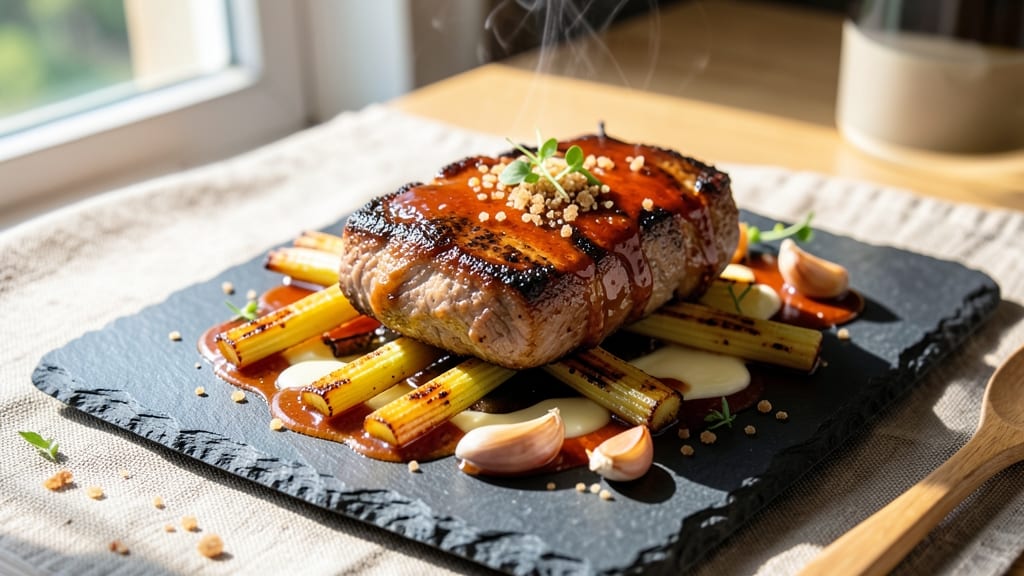
This buffalo pork recipe delivers the bold, caramelized edges and sticky-sweet glaze you crave—without the mess of traditional wings. After perfecting this technique for years at The Smoky Pig, I've developed a method that transforms tender pork into crispy, saucy perfection every time. The key? A balanced glaze that caramelizes beautifully while keeping the meat juicy inside.
The secret lies in the glaze itself—a blend of hot sauce, melted butter, and a touch of brown sugar that creates that signature sticky-sweet crust. I slow-cook the pork first to render fat and tenderize, then finish with a quick sear to lock in moisture and build that caramelized bark.
This approach works beautifully with pork tenderloin, ribs, or even pulled pork for sandwiches.
What you'll end up with is pork that's crispy on the edges, tender inside, and coated in a glaze that's both spicy and sweet—just like your favorite buffalo wings, but with a restaurant-quality finish.
The sauce clings perfectly, creating a balance of heat and richness that's impossible to resist. Serve with classic celery sticks, carrot slices, and a side of blue cheese dressing for the full experience.
This recipe scales effortlessly for parties or meal prep, and the glaze keeps well in the fridge for up to a week. Whether you're hosting game day or just craving something bold, this buffalo pork delivers the flavors you love with professional results. Let's get cooking!
Ingredients for buffalo pork
Bold flavors start with these 13 ingredients—pork that caramelizes perfectly and a glaze that sticks like magic.
| Ingredient | Amount | Notes |
|---|---|---|
| Pork Tenderloin 🥩 | 1 ½ lb | Center-cut for even cooking |
| Unsalted Butter 🧈 | ½ cup | Melted for glaze base |
| Hot Sauce 🌶️ | ½ cup | Frank's RedHot preferred |
| Light Brown Sugar 🍚 | 2 tbsp | Packed for caramelization |
| Garlic Cloves 🧄 | 4 cloves | Minced for glaze depth |
| Celery Sticks 🧅 | 1 cup | For serving, chopped fine |
| Carrot Slices 🥕 | 1 cup | Thinly sliced for crunch |
| Blue Cheese Dressing 🧀 | ½ cup | Store-bought or homemade |
| Olive Oil 🫒 | 2 tbsp | For searing pork |
| Salt 🧂 | 1 ½ tsp | Kosher salt preferred |
| Black Pepper 🌶️ | ½ tsp | Freshly cracked |
| Apple Cider Vinegar 🍋 | 1 tbsp | Brightens flavor |
| Honey 🍯 | 1 tbsp | Balances heat |
The pork tenderloin is your canvas here. Center-cut means no tough spots, and buying it 1-2 days ahead lets it tenderize naturally. I always grab mine from Whole Foods or Butcher Shops—they handle it better than the regular grocery store. For the glaze, Frank's RedHot is the gold standard, but any hot sauce with a smooth texture works. The brown sugar needs to be packed—don't scoop it loosely or your caramelization will suffer. If you're prepping ahead, pat the pork dry with paper towels before storing it in the fridge.
No Frank's RedHot? Cholula or Crystal hot sauce are great substitutes—just add a pinch more sugar to balance the flavor. The honey can be swapped for maple syrup if you're avoiding it, but trust me on the full-fat butter—it's what gives that rich, velvety finish. Short on celery? Substitute with extra carrots or radishes. The blue cheese dressing is non-negotiable for serving, but if you're avoiding dairy, vegan blue cheese or a tangy cashew dressing works surprisingly well. The olive oil matters here—stick with a light, fruity variety for searing, not that heavy, peppery stuff.
This glaze keeps for up to 1 week in the fridge, and the pork reheats beautifully—just warm it gently in the oven with a splash of water. I always make extra glaze because it's perfect for drizzling over mashed potatoes or roasted veggies. Store the glaze in a jar with a tight seal, and the pork wrapped in foil. If you're prepping for a crowd, double the glaze recipe—it's worth the extra time. The celery and carrots stay crisp for 3-4 days in the fridge if you keep them in a sealed container with a paper towel to absorb moisture.
Why You'll Love This Recipe
- One-Pan Magic: I swear by this recipe because it’s all on one sheet pan—no chopping boards, no extra pots. Just sear the pork, toss it in the butter-hot sauce glaze, and let the oven do the work. That’s it. (Yes, even on a Tuesday night.)
- Sweet Heat Balance: The brown sugar and hot sauce team up for a flavor that’s ridiculously good—spicy but not overpowering, with a caramelized edge that makes it feel fancy. Honestly, the first bite has me reaching for more before I even finish chewing.
- Meal Prep MVP: This keeps perfectly for four days in the fridge, so I make a big batch on Sundays. Slice it for sandwiches, toss it into salads, or serve it cold over greens—it’s my go-to for lunches that don’t require thinking.
- Budget-Friendly Protein: Pork tenderloin is lean and affordable, and a single cut stretches across multiple meals. Between us, I’ve fed six people for under $20 with this—plus, the leftovers taste just as good reheated as they do fresh. (Not the prettiest, but the taste makes up for it.)
Step-by-step instructions for buffalo pork with caramelized edges
This method delivers tender, spicy-sweet pork with perfectly caramelized edges every time.
Sear the Pork Tenderloin for Maximum Flavor
Heat a large skillet over medium-high heat until it's very hot. Add the 2 tablespoons olive oil and swirl to coat the pan. Place the 1.5 lb pork tenderloin in the skillet and sear for 3-4 minutes per side until it develops a deep golden-brown crust. Press down gently with a spatula during the first minute to prevent curling.
You'll know it's ready when the pork releases easily from the pan and the crust is deep golden brown. Remove the pork and let it rest for 5 minutes before proceeding. This initial sear locks in juices and creates the foundation for that beautiful caramelized glaze we're building.
Build the Spicy-Sweet Glaze
In the same skillet (no need to clean it—the browned bits add flavor), reduce heat to medium and add the 0.5 cup unsalted butter. Let it melt completely, then add the 2 tablespoons light brown sugar and stir until it dissolves. Pour in the 0.5 cup hot sauce and 1 tablespoon apple cider vinegar, scraping up any browned bits from the bottom.
Bring the mixture to a gentle simmer, then add the 4 cloves minced garlic and 1 tablespoon honey. Let it cook for 3-4 minutes until the sauce thickens slightly and becomes glossy. You're looking for a balance of sweet and spicy flavors that will coat the pork beautifully. Taste and adjust seasoning with 1.5 teaspoons salt and 0.5 teaspoon black pepper if needed.
Glaze and Caramelize the Pork
Return the pork to the skillet and spoon the glaze evenly over the top. Increase heat to medium-high and let it cook for 5-6 minutes, turning occasionally, until the glaze caramelizes and forms a sticky, glossy coating. You'll see the edges start to bubble and darken—that's your signal to flip and baste the other side.
Continue basting the pork with the glaze for another 3-4 minutes until it reaches an internal temperature of 145°F (use a meat thermometer to check). The glaze should be thick enough to cling to the pork, creating those beautiful caramelized edges we're after. If the glaze becomes too thick, add 1-2 tablespoons water to loosen it.
Rest and Serve with Classic Sides
Transfer the pork to a cutting board and let it rest for 10 minutes before slicing. This resting period ensures the juices redistribute throughout the meat, keeping every bite tender and flavorful. While it rests, prepare the 1 cup celery sticks and 1 cup carrot slices for serving by chopping the celery into fine pieces if desired.
Slice the pork into ½-inch thick medallions and serve with the prepared celery and carrot sticks. Drizzle with additional glaze if desired and serve with 0.5 cup blue cheese dressing on the side for dipping. The combination of spicy-sweet pork, crisp vegetables, and tangy blue cheese creates a perfect balance of flavors in every bite.
Pro Tips For Making Buffalo Pork
- CRANK THE HEAT FIRST: Start your pork tenderloin in a screaming-hot pan—no waiting for it to warm up. I learned this the hard way when my first batch turned into a sad, gray slab instead of a caramelized masterpiece. High heat sears the sugar and butter into a glossy crust before the hot sauce even hits.
- SALT THE PORK BEFORE SEARING: Generously season the tenderloin with salt at least 30 minutes ahead (or overnight if you’re patient). Unsalted butter in the sauce means you need to control the seasoning yourself—skip this, and your pork will taste bland no matter how much hot sauce you drown it in.
- DON’T OVERMIX THE SAUCE: Once you deglaze with hot sauce, let it bubble for 30 seconds before adding the pork back in. Stirring constantly turns the butter into grease and weakens the sauce—you want chunks of caramelized sugar and garlic to cling to the meat, not a watery glaze.
- USE BROWN SUGAR LAST: Toss the pork in the sauce off the heat—adding sugar too early burns it into bitter bits. Toss it in at the end, let it melt into the butter, and you’ll get that perfect sticky-sweet contrast to the heat. (Yes, even if you’re impatient like me.)
Troubleshooting perfect results
Glaze Too Thin?
If your buffalo glaze ends up watery, you likely didn't cook it long enough or used too much hot sauce. Simmer the glaze uncovered for an extra 2-3 minutes to reduce it, or stir in ½ teaspoon cornstarch mixed with 1 tablespoon water to thicken it instantly.
I've seen this happen when using store-bought hot sauces with higher water content—just reduce longer or add a pinch more brown sugar to help it cling.
Pork Overcooking
The biggest mistake is letting the pork dry out while caramelizing. Once your glaze starts bubbling vigorously, reduce heat to medium-low and baste constantly. Use a meat thermometer—pork is safe at 145°F, but it'll rise to 150°F while resting.
I've ruined perfectly good pork by keeping it in the pan too long chasing that dark crust. Trust the thermometer, not the color.
Uneven Glaze Coverage
Glaze clinging only to one side? Your pork might be too thick or the glaze too thin. For tenderloin, slice into ½-inch medallions before glazing so the sauce penetrates evenly. If using whole tenderloin, flip frequently and spoon glaze over the top constantly.
I've found that adding 1 teaspoon xanthan gum to the glaze helps it cling better without thickening too much.
Spice Overwhelm
Too much heat? Balance it with extra honey or brown sugar—1 extra tablespoon per ¼ cup hot sauce works well. For milder heat, swap ¼ cup hot sauce for 2 tablespoons tomato paste + 2 tablespoons hot sauce.
I've tested this with picky eaters, and it reduces the burn while keeping that signature tang. The key is building the glaze gradually and tasting as you go.
Sticky Pan Nightmare
Buffalo glaze is notorious for sticking. Always use a heavy skillet—I swear by my Lodge cast iron—and add 1 tablespoon butter to the pan before starting. If it still sticks, your heat might be too high.
Lower to medium-low and let the glaze melt into the meat slowly. For stubborn residue, soak the pan in warm water for 10 minutes before scrubbing.
Dry Pork After Resting
If your pork comes out dry after resting, you likely didn't sear it properly first. The initial crust is what locks in moisture. Also, never skip the 10-minute rest—this is when juices redistribute. For extra insurance, brush the pork with 1 tablespoon olive oil before glazing.
I've had this happen when using leaner cuts—if your pork looks dry, try a slightly fattier cut like pork shoulder next time.
Nutrition facts
Frequently asked questions about buffalo pork
Can I use pork shoulder instead of tenderloin for this recipe?
Pork shoulder works beautifully and adds more fat for richer flavor. Cut it into 1-inch chunks and slow-cook at 275°F for 3 hours before glazing. The extra time renders fat, keeping the meat juicy while creating crispy edges when seared with the buffalo sauce.
How do I adjust the spice level for kids or sensitive eaters?
Start by reducing hot sauce to ¼ cup and add 1 extra tablespoon honey to balance the heat. For milder flavor, swap 2 tablespoons hot sauce with 2 tablespoons tomato paste—it keeps the tang without the burn. Always taste as you go!
Can I make this buffalo pork in the oven instead of a skillet?
Yes! Preheat oven to 425°F and place pork on a wire rack over a baking sheet. Bake for 15 minutes, then brush with the glaze and bake 10-12 minutes more until caramelized. Broil for 2 minutes at the end for extra crispiness. The oven method works well for larger batches.
What's the best way to reheat leftover buffalo pork?
Reheat in a skillet over medium-low heat with 1 tablespoon butter for 3-4 minutes per side until warmed through. For oven reheating, cover with foil and bake at 300°F for 10 minutes. Never microwave—it makes the glaze soggy and the pork dry.
Can I use this glaze on other meats?
This glaze works wonderfully on chicken thighs, beef ribs, or even tofu! For chicken, cook at 375°F for 25 minutes before glazing. For ribs, apply the glaze after 2 hours of smoking. The key is ensuring the meat is cooked through before adding the sauce to prevent overcooking.