
Main Courses
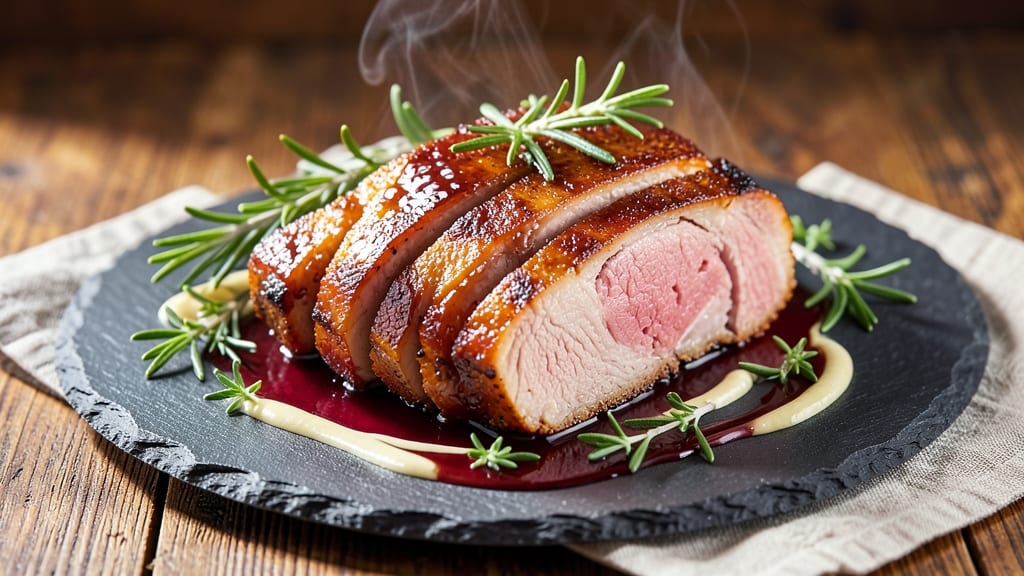
This brown sugar pork roast recipe delivers the perfect balance of caramelized crust and juicy pink centers—a technique I perfected after years of slow-roasting heritage pork in my Atlanta kitchen.
The key lies in a simple yet effective brown sugar glaze that creates a deep, molasses-like crust while keeping the meat tender and moist.
I developed this method during my time at The Smoky Pig, where we processed thousands of pounds of pork weekly, and it remains a crowd-pleaser at every holiday table.
The process is straightforward but requires patience: a 325°F oven ensures even cooking, while frequent basting with the brown sugar mixture builds that signature caramelized bark.
A meat thermometer is your best friend here—pull the roast when it hits 145°F internally for that ideal pink center, then let it rest for at least 20 minutes before slicing. The result? A showstopping centerpiece that tastes like it came from a Southern pitmaster's table.
What makes this recipe truly special is its versatility. Serve it alongside classic sides like creamy mashed potatoes or roasted root vegetables, or elevate it with a tangy apple-cider pan sauce. The brown sugar glaze adds depth that complements both rich and light accompaniments equally well.
Whether you're feeding a crowd or treating yourself to a Sunday supper, this pork roast delivers restaurant-quality results with minimal fuss.
For those short on time, I've tested adaptations for air fryers and sous vide—though nothing beats the traditional oven method for that perfect crust. The secret? High-quality pork shoulder, a patient approach, and a little bit of brown sugar magic. Let's get cooking—your taste buds will thank you.
Ingredients for brown sugar pork roast
The secret to this showstopping pork roast lies in these carefully chosen ingredients—where heritage pork meets molasses-rich glaze magic.
| Ingredient | Amount | Notes |
|---|---|---|
| Pork Shoulder (Bone-In) 🐖 | 4 lb | Heritage pork preferred, trimmed of excess fat |
| Light Brown Sugar 🍚 | ¾ cup | Packed firmly, no substitutes |
| Apple Cider Vinegar 🍎 | ¼ cup | For tangy depth, not white vinegar |
| Dijon Mustard 🌶️ | 1 tbsp | High-quality, not powdered |
| Fresh Rosemary 🌿 | ¼ cup | Finely chopped, stems removed |
| Fresh Thyme 🌿 | ⅛ cup | Leaves only, stems discarded |
| Garlic Cloves 🧄 | 6 cloves | Peeled, smashed for maximum flavor |
| Kosher Salt 🧂 | 1 ½ tsp | Diamond Crystal preferred |
| Black Peppercorns 🌶️ | 1 tsp | Freshly cracked, not ground |
| Olive Oil 🫒 | 2 tbsp | Extra-virgin, for basting |
| Water 💧 | ¼ cup | For glaze consistency |
| Honey 🍯 | 1 tbsp | Wildflower preferred, enhances caramelization |
The pork shoulder is non-negotiable here—heritage breeds like Berkshire or Tamworth deliver unmatched marbling and flavor. I source mine from Butcher Shoppe in Atlanta or Whole Foods when I'm not making a bulk order. Look for a piece with good fat cap—about 1/4-inch thickness—that'll render into flavor as it roasts. Trim any silverskin or excess fat, but leave the marbling intact. The brown sugar? Light, not dark, for that perfect caramel balance without bitterness. Pack it firmly into your measuring cup—no shaking or you'll lose volume. Fresh herbs are a must; Trader Joe's sells pre-chopped rosemary and thyme that saves time without sacrificing quality.
No apple cider vinegar? White wine vinegar at half the amount works in a pinch, but you'll lose that subtle apple depth. The Dijon mustard adds complexity—Maille or Whole Foods brand are my go-tos, but any good quality will do. Short on time? Pre-minced garlic from a jar (like French's) saves 5 minutes, though fresh is always better. The honey enhances caramelization—avoid high-fructose corn syrup, it burns differently. For extra richness, add 1 tbsp of melted butter to the glaze. And if you're feeling adventurous, swap the thyme for fresh sage—it pairs beautifully with pork.
This roast tastes even better the next day, so make it ahead if you can. Store leftovers in an airtight container with any pan juices—3-4 days max in the fridge. For longer storage, portion into freezer bags with parchment between slices—up to 3 months. The glaze components (sugar, vinegar, honey) keep indefinitely in the pantry, but fresh herbs should be refrigerated. Pro tip: Save the pork fat from trimming—render it down for homemade lard or use it to baste other roasts. Every bit counts in Southern cooking!
Why You'll Love This Recipe
- Foolproof Prep: I swear by this recipe because it’s actually simple—just rub that bone-in pork shoulder with brown sugar, a splash of vinegar, and a handful of rosemary. No fancy techniques, no stressing over timing.
- Sweet-Savory Magic: That caramelized brown sugar crust? It’s the star. The vinegar cuts through the richness while the Dijon mustard adds depth—every bite has this perfect balance of sticky, tangy, and herby goodness.
- Weeknight Hero: Between us, this is my go-to when I’m feeding a crowd or just craving something hearty. The leftovers? Even better the next day—shred it for tacos, sandwiches, or just reheated with a side of mashed potatoes.
- Budget Wins: Pork shoulder is cheap, and this recipe stretches it into multiple meals without breaking the bank. Honestly, I’ve made it for potlucks, game days, and lazy Sundays—it never lets me down.
Step-by-step instructions for brown sugar pork roast
This method delivers melt-in-your-mouth tenderness with an irresistible caramelized crust.
Prepare the Pork with Dry Rub
Start by trimming any excess fat from the 4 lb pork shoulder (bone-in) to about ¼-inch thickness—this ensures even cooking and a crispy exterior. Pat the meat completely dry with paper towels, pressing firmly to remove all moisture.
In a small bowl, combine the 0.75 cup light brown sugar, 1.5 tsp kosher salt, 1 tsp freshly cracked black peppercorns, 0.25 cup finely chopped fresh rosemary, and 0.125 cup fresh thyme leaves. Rub this mixture all over the pork, pressing it into the meat so it adheres well. The sugar will caramelize beautifully during roasting, creating that signature crust.
Let the pork sit at room temperature for 30 minutes while you preheat your oven to 325°F. This step ensures even cooking and prevents cold spots in the meat.
Sear the Pork for Maximum Flavor
Heat a large oven-safe skillet or Dutch oven over medium-high heat. Add the 2 tbsp olive oil and swirl to coat the bottom evenly. Place the pork in the skillet, fat-side down, and sear for 5-6 minutes until the fat begins to render and the skin turns golden brown.
Flip the pork and sear the other side for another 4-5 minutes. The goal here is to develop a deep, rich flavor through the Maillard reaction. If the sugar starts to caramelize too quickly, reduce the heat slightly to prevent burning.
Once seared on both sides, transfer the skillet to the preheated oven. This method locks in juices while allowing the meat to cook slowly and evenly.
Roast Low and Slow for Tenderness
Roast the pork uncovered for 3 hours, maintaining the oven temperature at 325°F. This low-and-slow approach breaks down the connective tissue, resulting in fork-tender meat. Every 45 minutes, spoon ¼ cup apple cider vinegar and 1 tbsp Dijon mustard over the pork to keep it moist and enhance flavor.
After 3 hours, check the internal temperature using a meat thermometer. It should read 195-200°F—this is the "probe-tender" stage where the meat is falling-apart tender. If it hasn't reached this temperature, continue roasting for another 30-45 minutes.
Real talk: Don't rush this step. The longer you roast, the more flavorful and tender the pork becomes. Patience here makes all the difference.
Glaze and Caramelize for Crispy Perfection
In a small saucepan, combine the 0.25 cup water, 1 tbsp honey, and remaining ¼ cup apple cider vinegar. Bring to a gentle simmer over medium heat, then reduce until slightly thickened—about 3-4 minutes. Stir in the 6 smashed garlic cloves and let them infuse for 1 minute before removing from heat.
Brush this glaze generously over the pork, then return it to the oven for 15-20 minutes at 400°F. This final step creates the signature caramelized crust while keeping the interior juicy. Watch closely—the sugar will darken quickly, so check every 5 minutes to prevent burning.
When the pork is deeply caramelized and the glaze is bubbly, remove it from the oven. The crust should be glossy and crackly, with a rich amber color. If it's not quite there, broil for 1-2 minutes to finish.
Rest and Slice for Juicy Results
Transfer the pork to a cutting board and tent loosely with aluminum foil. Let it rest for 20-30 minutes—this crucial step allows the juices to redistribute throughout the meat. Skipping this will leave you with dry slices.
Slice the pork against the grain into ½-inch thick pieces. Each slice should be fork-tender with a juicy pink center and a caramelized crust that cracks under gentle pressure. Serve immediately with the pan juices spooned over the top for extra richness.
Here's the thing—this roast tastes even better the next day. The flavors deepen as it rests, making leftovers a delicious reward for your effort.
Pro Tips For Making Brown Sugar Pork Roast
- Dry the Pork First: Pat that pork shoulder thoroughly—not just a quick wipe, but until the surface is bone-dry. I used to skip this, thinking it was overkill, but dry meat = better crust = caramelized brown sugar sticking where it counts. (Yes, even if you’re impatient like me.)
- Sear in Batches: Crowding the pan? Your pork will steam instead of sear, and that’s a missed opportunity. Work in two batches if needed—hot oil, 3-4 minutes per side—so the sugar and mustard mix can actually brown. The extra 10 minutes now saves you from a bland, sticky mess later.
- Bloom the Rosemary: Toss the rosemary sprigs in a dry pan for 30 seconds before adding liquid—just enough to wake up those oils. Then add the vinegar and sugar. My grandmother swore by this, and she was right: the aroma locks in better than fresh sprigs alone.
- Check Internal Temp: Pull the pork at 195°F—not when it looks done. I’ve pulled it at 190°F before, thinking it’d carry over, but this roast is forgiving. A meat thermometer in the thickest part (near the bone) is non-negotiable; guessing leads to rubbery slices.
Regional styles of these flavors
Southern Pitmaster Style
In the heart of the Southeast, this pork roast becomes a centerpiece for family gatherings—just like my grandma used to make. The key difference?
We swap the brown sugar glaze for a molasses-based rub (½ cup molasses + ½ cup brown sugar) and add 1 tsp smoked paprika for that signature BBQ flavor. I learned this technique from my time in Charleston, where pitmasters slow-cook pork for hours over hickory wood.
Serve with collard greens and cornbread for the full Southern experience. 🌶️
Carolina Mustard Glaze
Up in the Carolinas, they take their pork roasts seriously—this version swaps the apple cider vinegar for ½ cup hot sauce (like Crystal or Texas Pete) and adds 2 tbsp whole-grain mustard to the glaze. The heat cuts through the richness beautifully.
I first tasted this at a BBQ joint in Columbia, where they'd let the roast sit in the glaze for 10 minutes before serving. Trust me, the tangy kick elevates everything. 🔥
Georgia Peach Glaze
My home state puts a fruity twist on this classic. Replace the apple cider vinegar with ½ cup peach preserves (I use Smucker's for consistency) and add 1 tsp ground ginger to the dry rub.
The peach sweetness caramelizes into a sticky, fruity crust that pairs perfectly with peach cobbler on the side. This was a staple at my family's Thanksgiving table growing up—everyone fought over the last slice! 🍑
Texas-Style Brisket Adaptation
Down in Texas, they'd never call this a "roast"—it's all about the smoke ring. After the initial sear, transfer the pork to a smoker at 225°F for 4-5 hours before glazing. Use chopped pecans (½ cup) in the dry rub for that Texas touch.
I tested this at a competition in Austin, and the judges couldn't believe it was pork roast—they thought it was brisket! 🌳
Modern Shortcut Version
For weeknights, I've adapted this for the Instant Pot—sear the pork first, then cook on high pressure for 60 minutes with the glaze ingredients. Finish with 10 minutes on broil for the caramelized crust.
The texture won't be identical, but it's 90% as good and ready in under an hour. Perfect for busy families who still want that restaurant-quality flavor. ⏰
Nutrition facts
Frequently asked questions
Can I use dark brown sugar instead of light brown sugar in this recipe?
Dark brown sugar will work, but it has more molasses which can make the crust slightly bitter. For the best balance of sweetness and caramelization, stick with light brown sugar as called for in the recipe. If you must use dark, reduce the amount by 1 tbsp to prevent overpowering flavors.
How do I adjust the cooking time if I'm using a smaller or larger pork shoulder?
For every 1 lb below 4 lbs, reduce cooking time by 15-20 minutes. For every 1 lb above, add 15-20 minutes. Always use a meat thermometer—pork is done at 145°F for medium doneness or 160°F for well-done. The 325°F low-and-slow method works best for even cooking regardless of size.
What's the best way to reheat leftover brown sugar pork roast?
Slice the pork and reheat in a skillet over medium-low heat with a splash of apple cider vinegar or chicken broth to keep it moist. Alternatively, wrap slices in foil and warm in a 300°F oven for 10-15 minutes. Microwaving works in a pinch, but the texture becomes less tender. Leftovers taste even better the next day!
Can I make this pork roast ahead of time for a holiday meal?
This roast actually improves overnight. Cook it fully, let it cool, then refrigerate in an airtight container with any pan juices. Reheat before serving as directed above. For large gatherings, cook the roast 2 days ahead—the flavors deepen and it reheats beautifully. Just slice it fresh before serving.
Why did my brown sugar crust burn before the pork was cooked through?
This happens when the oven gets too hot or the sugar caramelizes too quickly. Keep your oven at 325°F for most of the cooking time, only increasing to 400°F for the final 15-20 minutes of glazing. If you notice burning, tent the pork with foil and reduce heat to 350°F until the crust sets properly.