
Main Courses
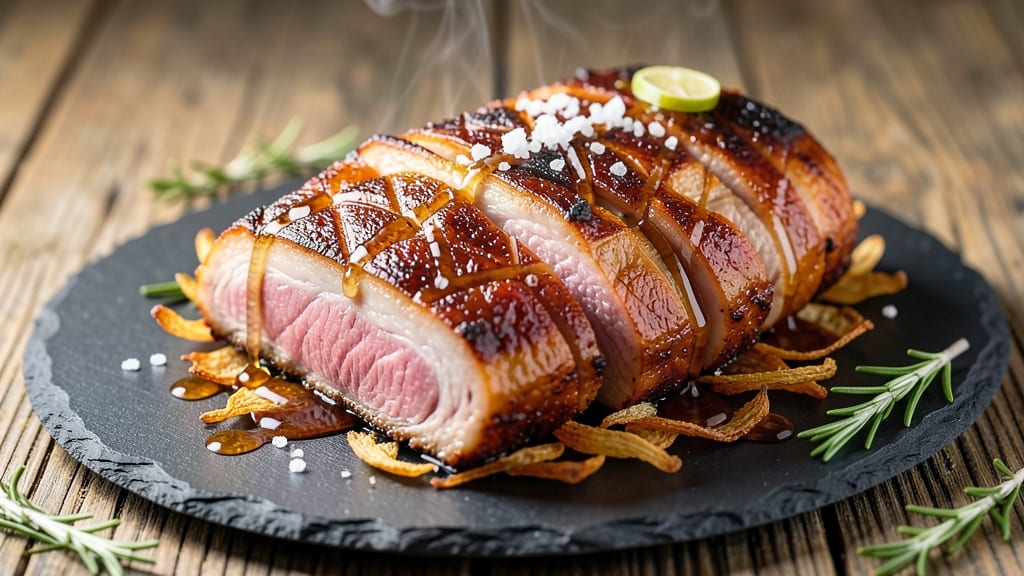
This broiled pork belly recipe delivers crispy bark and juicy pink hearts—the perfect balance that makes every bite unforgettable. After years of perfecting this technique in my Atlanta kitchen, I’ve cracked the code for restaurant-quality results at home.
The secret lies in scoring the fat cap and broiling at high heat to render the fat while keeping the meat tender.
What sets this recipe apart is the foolproof method that transforms tough pork belly into melt-in-your-mouth perfection. Start by scoring the fat in a diamond pattern—this creates crispy edges while allowing the fat to render slowly.
A simple salt-and-pepper rub enhances the natural flavors without overpowering them, and broiling at 450°F ensures a caramelized crust that shatters at every bite.
The result is a dish that’s rich, savory, and impossible to resist—crispy on the outside, tender on the inside, with pockets of juicy pink meat. The aroma alone will have your guests gathering at the table, and the texture?
Pure indulgence. Serve with a drizzle of honey or a sprinkle of flaky salt for extra depth.
This recipe is perfect for special occasions or when you want to impress without spending hours in the kitchen. The 30-minute broil time makes it surprisingly quick, and the leftovers reheat beautifully for sandwiches or fried rice. Let’s get cooking—your taste buds will thank you.
Ingredients for broiled pork belly
Pork belly with fat cap, crispy edges, and juicy pink centers—just 9 ingredients for restaurant-quality results.
| Ingredient | Amount | Notes |
|---|---|---|
| Pork Belly (Skin-On) 🥓 | 2 lb | Thick-cut, fat cap intact |
| Kosher Salt 🧂 | 1 ½ tbsp | Diamond Crystal preferred |
| Freshly Ground Black Pepper 🌶️ | 1 tsp | Cracked peppercorns preferred |
| Extra-Virgin Olive Oil 🫒 | 1 tbsp | For scoring and basting |
| Raw Honey 🍯 | 2 tbsp | Local preferred for depth |
| Flaky Sea Salt 🧂 | 2 tbsp | For finishing (Maldon preferred) |
| Fresh Rosemary 🌿 | ¼ cup | Finely chopped, stems removed |
| Garlic Cloves 🧄 | 4 cloves | Minced for rub |
| Fresh Thyme Leaves 🌿 | ⅛ cup | Finely chopped |
| Unsalted Butter 🧈 | 2 tbsp | Softened for basting |
| Apple Cider Vinegar 🍎 | 1 tbsp | For basting glaze |
The pork belly is everything here—thick-cut with intact fat cap is non-negotiable. Most butchers will cut it for you if you ask, but if you're shopping at Whole Foods or Kroger, look for pieces with at least 1/2-inch fat. The fat cap needs to stay on for that legendary crispy bark. I always grab mine from local farmers markets when possible—they often have better cuts than grocery stores. Score the fat in a diamond pattern before cooking; this creates those crispy edges while keeping the meat tender inside. Freshly ground pepper and Diamond Crystal kosher salt make all the difference—pre-ground loses flavor fast.
No honey? Maple syrup works beautifully—just reduce it slightly to thicken. Short on herbs? Dried thyme at half the amount gets you close, but fresh rosemary and thyme add that aromatic depth that makes this dish special. The butter should be softened but not melted—this helps it cling to the meat. For the vinegar, apple cider is ideal, but white wine vinegar in a pinch works too. The olive oil isn't just for scoring—it helps render the fat and adds richness. Pro tip: Score the fat 30 minutes before cooking so it starts rendering immediately.
Pork belly reheats like a dream—350°F for 10 minutes brings it back to crispy perfection. Store leftovers in the fridge for 4 days, wrapped tightly in foil to retain moisture. For longer storage, freeze for up to 3 months. I always make extra—it's perfect for sandwiches, ramen, or fried rice. The crispy bits? Save them all—they're pure gold for garnishing or adding to dishes later. If you're serving immediately, finish with that flaky salt right before eating—it adds a whole new dimension of flavor.
Why You'll Love This Recipe
- Skin-On Magic: I swear by that crispy, crackling skin—it’s the star. No fancy trimming, just a good rub of salt and pepper, then broil until it’s golden and snaps like a chip. That’s the moment this dish becomes ridiculously good.
- Sweet-Savory Crunch: The honey glaze cuts through the fat with just enough sweetness, while the olive oil keeps it juicy. Honestly, the first time I tasted that caramelized edge with the tender meat underneath, I knew it’d be my go-to.
- Weeknight Hero: Broil it while you prep dinner—no babysitting required. Toss it on the table with rice or roasted veggies, and suddenly you’ve got a restaurant-worthy main that took less time than takeout.
- Leftovers? More Like Leftovers: Between us, this cuts costs and saves time. A single pork belly feeds four, and the leftovers? Slice it thin for sandwiches or stir-fry it later—no waste, just flavor. My wallet (and my fridge) thank me.
Step-by-step instructions for broiled pork belly with crispy bark
Here's how to transform simple pork belly into melt-in-your-mouth perfection with crackling skin.
Prepare the Pork Belly for Maximum Flavor
Start by scoring the pork belly skin in a diamond pattern using a sharp knife—cut about ¼-inch deep without piercing the fat. This creates channels for the seasoning to penetrate and helps the skin render evenly. Pat the belly completely dry with paper towels; moisture is the enemy of crispy bark.
In a small bowl, combine the 1.5 tablespoons kosher salt, 1 teaspoon freshly ground black pepper, 0.25 cup finely chopped fresh rosemary, 0.125 cup chopped fresh thyme leaves, and 4 minced garlic cloves. Rub this mixture all over the pork belly, pressing firmly so the seasoning adheres. Let it sit uncovered in the refrigerator for 24 hours—this dry cure is non-negotiable for that signature crackling texture.
Score and Render the Fat for Crispy Skin
Remove the pork belly from the fridge and let it sit at room temperature for 30 minutes before cooking. Preheat your broiler to 450°F with the oven rack positioned about 4 inches from the heat source. Place the pork belly fat-side up on a broiler pan lined with foil.
Broil for 20-25 minutes until the fat begins to render and the skin starts turning golden. Here's the thing—don't walk away. Every 5 minutes, use tongs to flip the pork belly and spoon the rendered fat back over the skin. This basting technique ensures even cooking and that coveted crackling bark. When the skin reaches deep golden brown and the fat is sizzling, it's time for the next step.
Create the Honey-Vinegar Glaze for Sweet-Savory Balance
In a small saucepan, combine the 2 tablespoons raw honey, 2 tablespoons softened unsalted butter, and 1 tablespoon apple cider vinegar over low heat. Stir gently until the butter melts and the mixture becomes smooth—this should take about 3 minutes. Remove from heat and set aside.
Once the pork belly skin is beautifully browned, reduce the broiler heat to 375°F and brush the honey-vinegar mixture generously over the skin. Return to the broiler for 10-12 minutes, brushing again halfway through. The glaze should caramelize slightly, adding a sticky contrast to the crispy exterior. The pork belly is done when the internal temperature reaches 195°F and the meat is fork-tender.
Rest and Finish for Perfect Texture
Transfer the pork belly to a cutting board and let it rest for 15-20 minutes before slicing. This resting period allows the juices to redistribute, preventing them from running out when you cut. While it rests, sprinkle the 2 tablespoons flaky sea salt evenly over the top—this adds a final burst of texture and flavor.
Slice the pork belly into ½-inch thick pieces against the grain for maximum tenderness. The result should be a perfect balance of crispy, crackling skin with juicy, pink hearts that practically melt in your mouth. Serve immediately with the rendered fat spooned over the top for an extra layer of richness.
Pro Tips For Making Broiled Pork Belly
- Crank Heat to 500°F First: The broiler’s job is to crisp that skin fast—start with the highest heat setting, then lower to 425°F once the honey glaze starts bubbling. I used to play it safe with medium-high, and the skin just turned soggy. Your goal is a deep golden crackle, not a slow caramel.
- Score the Skin Before Salting: Use a sharp knife to make shallow cuts (about ¼-inch apart) in the pork belly’s fat cap—this renders the fat faster and makes the skin crispier. I skipped this once and ended up with a greasy mess that wouldn’t brown. It’s not pretty, but it works every time.
- Salt the Fat, Not Just the Meat: Generously coat the fat with kosher salt (about 1 tablespoon per pound) at least 4 hours ahead—this seasons the crispy bits and helps the skin render cleanly. I learned this the hard way when my first batch tasted bland because I only salted the lean part. Patience here guarantees flavor.
- Broil Skin-Side Down First: Lay the pork belly fat-side down on a wire rack over a baking sheet for the first 10 minutes—this melts the fat away from the meat, so it doesn’t steam the skin later. Flip it only when the fat is sizzling like bacon. This is the thing that matters most for that perfect crack.
Regional styles of this recipe
Southern BBQ Style
In the Southeast, pork belly is often transformed into crispy, crackling slabs that become the star of tailgate spreads and Sunday dinners. My approach here draws from my time working with pitmasters in Charleston, where we'd score the fat deeply and broil over hickory wood smoke.
For an authentic Southern twist, swap the honey glaze for a ½ cup apple cider vinegar reduction with 1 tbsp brown sugar—brush this on during the final 10 minutes of broiling. Serve with coleslaw and cornbread for the ultimate comfort meal. 🔥
Japanese Crispy Pork
In Japanese cuisine, this dish becomes butabara, where the focus is on achieving that legendary crackling skin through precise scoring and slow rendering.
After broiling, I like to finish with a soy-glaze—combine 2 tbsp soy sauce, 1 tbsp mirin, and 1 tsp grated ginger, then brush on during the last 5 minutes at 375°F. Garnish with pickled ginger and sliced scallions for a refreshing contrast.
The result is a perfect balance of umami and crispy texture that rivals any izakaya dish. 🌶️
Italian Porchetta-Inspired
For a Tuscan-inspired version, I marinate the pork belly overnight in a blend of 2 tbsp olive oil, 1 tbsp crushed rosemary, 1 tsp fennel seeds, 2 garlic cloves, and 1 tsp red pepper flakes.
After broiling, wrap the cooked belly in pork-free prosciutto (or regular prosciutto if you prefer) and let it rest for 30 minutes before slicing. The prosciutto adds a salty, herby layer that elevates the dish to restaurant-quality.
Serve with a roasted garlic mashed potato and a crisp white wine like Vermentino. ✨
Korean-Inspired Buldak
Transform this into buldak (Korean braised pork belly) by broiling first, then finishing in a gochujang glaze. After the initial broil, slice the pork belly into ½-inch thick pieces and sear in a hot pan.
Deglaze with 2 tbsp gochujang, 1 tbsp honey, 1 tbsp soy sauce, and 1 tsp sesame oil, then simmer for 5 minutes until sticky. Garnish with sesame seeds and sliced green onions. The sweet-spicy glaze pairs perfectly with the crispy edges. 💫
Modern Fusion Twist
For a contemporary take, I love adding a smoked paprika and coffee rub before broiling—mix 1 tbsp smoked paprika, 1 tsp ground coffee, and ½ tsp cayenne with the salt and pepper.
After broiling, drizzle with a chipotle-honey glaze (blend 2 tbsp honey, 1 tbsp chipotle in adobo, and 1 tsp lime juice). This fusion of smoky, sweet, and spicy flavors keeps the dish exciting and restaurant-worthy. Serve with avocado crema and pickled jalapeños for a modern Mexican-inspired plate. 🌟
Nutrition facts
Frequently asked questions
Why does the pork belly need to rest before slicing?
Resting for 15-20 minutes after broiling lets the juices redistribute throughout the meat. When you cut into pork belly too soon, all that delicious moisture escapes, leaving you with dry slices. This step is especially critical for thick cuts—think of it like letting a cake cool before frosting. The result? Juicy pink hearts with every bite.
Can I substitute pork belly with another cut?
While pork belly is ideal for its fat content, you can try thick-cut pork shoulder or pork butt in a pinch. These cuts have less fat but still render beautifully. For best results, increase the broiling time to 30-35 minutes and baste more frequently. Just know the texture will be slightly different—less crispy, more tender.
What's the best way to reheat leftover broiled pork belly?
Reheat in a 350°F oven for 10-12 minutes wrapped in foil to restore moisture, then broil for 2-3 minutes to rec crisp the skin. For a quick fix, pan-sear slices in butter until golden. Never microwave—it turns the fat greasy and ruins the texture. Leftovers keep well for 4 days in the fridge.
How do I know when the pork belly is fully cooked?
Use a meat thermometer to check the internal temperature—it should reach 195°F in the thickest part. The meat will be fork-tender and pull away from the bone easily. If you don't have a thermometer, look for deep golden-brown skin that's crispy to the touch and fat that's rendered but not burnt.
Can I make this recipe ahead of time?
Cook the pork belly completely, then refrigerate uncovered for 24 hours to dry out the skin further. Reheat as directed above, and the skin will crisp up beautifully. For an extra crispy texture, broil for 5 extra minutes after reheating. This works especially well for holiday meals when you want to prep ahead.